

Understanding DTrader: A Guide for Kenyan Traders
📈 Learn how DTrader connects Kenyans to forex, indices & commodities markets. Get practical steps, safety tips, and local risk insights for smart trading decisions.
Edited By
Emily Clarkson
Kenyan traders looking to sharpen their skills without risking real money often turn to demo accounts. The Quotex demo account offers exactly that—a risk-free environment that mimics the live trading platform. This means you can practise trading options and get familiar with the user interface before putting your hard-earned KSh on the line.
What makes the Quotex demo particularly helpful for Kenyan traders is its straightforward setup and accurate reflection of live market conditions. When you register, you get an instant virtual balance you can use to experiment with different strategies. For example, you could try trading currency pairs like USD/KES or commodities such as tea and coffee futures to understand price movements without financial pressure.
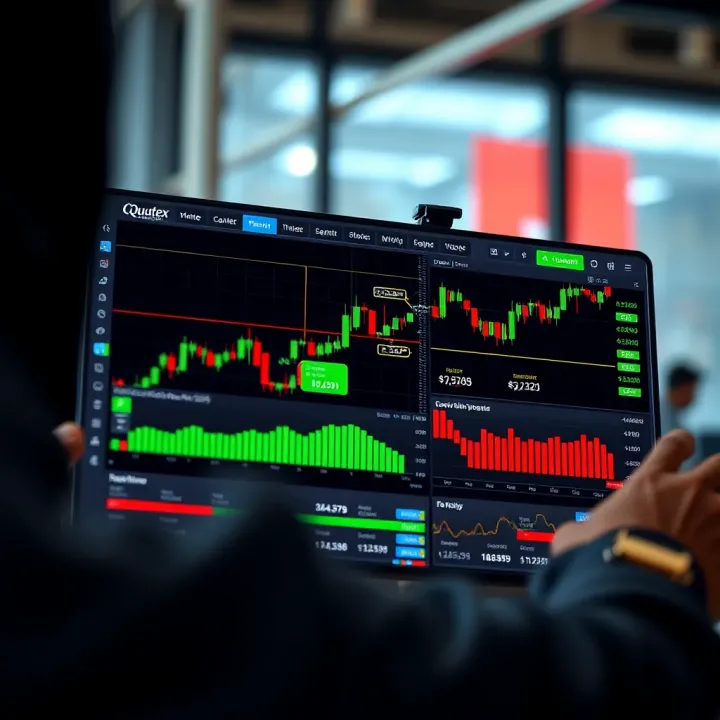
Using a demo account lets you learn from mistakes without losing money, making it a vital step before diving into live trades.
The demo platform includes all key features found on the real Quotex account, such as various technical indicators, chart tools, and multiple expiry times. This allows you to practise technical analysis and timing your trades precisely, skills that are especially important when dealing with volatile markets like the NSE or international stocks.
Here’s what Kenyan traders specifically gain from using the Quotex demo:
Risk-free learning: No worry about losing your capital while figuring out trading techniques.
Familiarity with platform: Navigating the site and placing trades becomes second nature.
Strategy testing: Assess your ideas, for instance, combining moving averages with RSI indicators.
Building confidence: Trade live-market scenarios without pressure, preparing you for real stakes.
Since the Quotex demo replicates real market data with minimal delay, it gives a reliable experience. However, it’s worth remembering that emotional factors differ when trading real money—so transitioning gradually is wise.
In summary, the Quotex demo account serves as a practical training ground for Kenyan traders keen to polish their skills, test ideas, and gain confidence. Whether you're new to trading or refining your approach, using the demo helps you get a feel of the market without risking your KSh savings.
The Quotex demo account serves as a risk-free space where traders can practise trading without using real money. It replicates the live trading environment, allowing users to experiment with tools, strategies, and market conditions without the pressure of losing funds. This feature is particularly useful for Kenyan traders starting out, as it builds confidence before they commit their hard-earned KSh.
A demo account provides virtual funds to test-drive trading activities. This means you can buy and sell assets like currencies, commodities, or indices as you would with a live account, but you won't lose any actual money if the trade goes wrong. For example, a newbie trader in Nairobi can open various positions during volatile market hours to see how price changes impact profits or losses, all without risking KSh 1,000 of their savings.
Besides simulating trades, the demo account helps users navigate the Quotex platform itself. Kenyan traders can explore features such as chart analysis tools, order types, and interface layouts. This hands-on experience reduces the chance of costly mistakes when switching to real trading. Think of it as learning to drive in an empty parking lot before hitting the busy streets of Nairobi.
The demo account offers a playground to understand how the market reacts to various factors like news releases or economic data. Kenyan traders can try different approaches — say, momentum trading or scalping — and observe their effectiveness without pressure. It is like having a personal shamba where you test different seeds before planting for real harvest.
Before risking actual money, traders can confirm whether their trading decisions are sound through the demo account. It allows them to monitor outcomes, adjust strategies, and build discipline. For instance, a trader could notice that trading during Kenyan daytime yields different results than evenings and adapt accordingly. This trial phase helps avoid impulsive losses once real funds are involved.
Using a demo account is a practical step towards building genuine trading skills. It bridges theory and actual market practice with zero financial risk, which is especially valuable for traders navigating the Kenyan financial markets for the first time.
Understanding how to open and get around the Quotex demo account is essential for any Kenyan trader looking to sharpen their skills without risking real shillings. This section breaks down the simple steps to access the platform and guides you through its interface, ensuring you can practise trades confidently and efficiently.
Opening a Quotex demo account starts online with a straightforward signup process. You’ll provide basic information such as your email address, phone number, and preferred currency (Kenyan Shilling is available), which reflects the local context. Verification usually involves confirming your email or a one-time PIN via SMS. This verification step ensures your account is secure and ready for use.
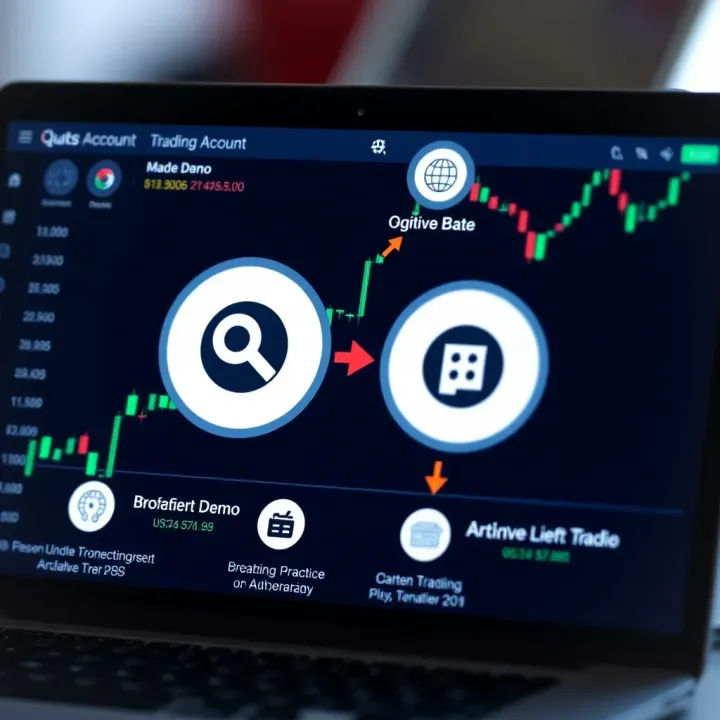
It's practical for Kenyan traders to use real contact details during registration. This makes it easier to recover your account if you forget your login or for notifications about account activity.
Once registered, switching to the demo mode is seamless. Quotex automatically loads demo mode to allow new users to familiarise themselves without risking real money. The demo starts with KSh 10,000 of virtual funds, enough for practising different strategies. You can always reset your demo balance if it runs out.
Access is possible via web browsers on your laptop or through the Quotex mobile app, handy for busy traders commuting by matatu or in towns with spotty internet. The platform maintains the same features in demo mode as live trading, helping you get real experience.
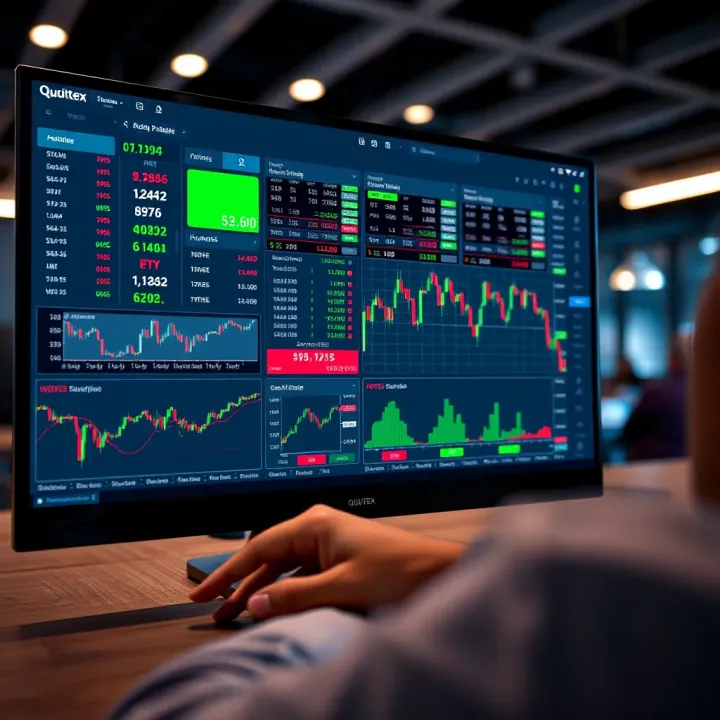
The dashboard is your control centre. It displays live price charts, your virtual account balance, open positions, and market news all in one place. Kenyan traders find this especially useful to track multiple assets simultaneously, like forex pairs involving the Kenyan shilling or global commodities.
Clear sections on the dashboard make navigation intuitive: charts on the left, open trades on the right, and a market selector at the top. This layout supports quick decisions—crucial during volatile market hours after CBK monetary announcements.
Placing trades on the demo account mimics the real thing closely. You choose the asset, decide the amount of virtual money to invest, and pick the trade direction (buy or sell). Quotex offers simple order types, including market orders and limits. You can monitor trades and close them manually or let them expire, depending on your trading style.
Managing trades involves setting stop losses or take profit levels, helping you practise risk management. Replaying these actions in demo mode builds muscle memory. For example, when testing strategies during the Nairobi Securities Exchange (NSE) opening, you can react to market changes without financial pressure.
The demo account interface is designed so Kenyan traders can jump straight into practise trading, reducing the learning curve and helping you build confidence before dealing with real funds.
The Quotex demo account offers several key features and tools that Kenyan traders can use to sharpen their trading skills without risking real money. By replicating live market conditions, the platform provides a practical environment to understand market movements and improve decision-making. Familiarity with these tools can boost your confidence and readiness before moving to live trades.
Tracking price movements is fundamental to successful trading. Quotex supplies real-time market data, allowing you to see price changes as they happen. For example, if you are trading forex pairs like USD/KES or commodities such as gold, real-time price updates help you react promptly to shifts in demand or geopolitical news affecting the market. Watching these movements on the demo saves you from blindly guessing on the live platform.
Using chart tools effectively means interpreting graphical data to make better trades. The platform offers multiple chart types—candlestick, line, and bar charts—that show price trends and patterns clearly. You can add indicators like Moving Averages or Relative Strength Index (RSI) to spot market momentum or potential reversal points. Kenyan traders can practice reading these charts on the demo to develop strategies that work for the specific assets they want to trade.
Range of available assets on Quotex demo spans several categories such as currencies, cryptocurrencies, indices, and commodities. This breadth allows you to explore which assets suit your trading style. For instance, you might start with stable assets like the Euro or Brent crude oil before venturing into more volatile markets like Bitcoin. The demo account reflects the same asset options as the live account, helping you understand each market's unique behaviour.
Types of trades and orders available include classic binary options or digital options, allowing you to buy or sell contracts based on price predictions within given timeframes. For example, you could place a "higher" trade expecting the price of gold to rise in the next five minutes or a "lower" trade on the EUR/USD pair. Learning how to manage these orders on the demo prepares you to react swiftly and place confident trades when real money is involved.
Using Quotex’s demo tools well lets you test out different assets and trade types without worrying about making costly mistakes. Practising with real-time data and charts strengthens your ability to read markets and manage your trades effectively.
Mastering these features on the demo account sets a strong foundation for real trading, especially in Kenya's fast-changing financial markets where timing and information are everything.
Using the Quotex demo account serves more than just a simple practice platform—it’s a tool for sharpening your trading skills without risking real money. For Kenyan traders, especially those just starting or fine-tuning strategies, the demo environment offers a safe space to learn market behaviour, test different approaches, and build confidence. Getting the most out of it involves deliberate use and awareness of its strengths and limitations.
One big advantage of the demo account is that it allows you to try out various trading strategies without worrying about losing actual cash. For example, you might try switching between short-term and long-term trades or test technical indicators like moving averages or RSI on different assets. Since your virtual funds aren’t real, you can take risks to see what works best. This freedom to experiment helps you understand market reactions in different scenarios, something particularly useful in markets like forex or crypto, where changes can be quick.
Building skills means more than just making trades—it involves learning from each one. Quotex’s demo platform allows you to keep track of your trade history, which you should use actively. By reviewing past trades, you can spot patterns, note which decisions led to profits or losses, and adjust your strategy accordingly. For instance, if trades on commodities consistently underperform compared to currencies, it might hint at a need to adjust your analysis or timing. This reflective habit is crucial for continuous improvement and helps prepare you for real trading challenges.
It’s easy to fall into the trap of feeling invincible when using virtual money, especially after a string of successful trades. This overconfidence can push you to take bigger risks that you wouldn’t dare take with real cash. Kenyan traders should remember the difference between demo profits and actual trading risks. Maintaining discipline in your demo trades encourages a realistic approach, so when you move to live trading, your style isn’t reckless but informed and controlled.
Trading isn’t just about charts and strategies—it’s also about managing your emotions. Demo accounts can’t fully replicate the stress of risking real money, so it’s common to underestimate how emotions like fear or greed affect decisions. For example, you might close winning trades too early or hold onto losing ones too long in live markets due to pressure. To guard against this, treat demo trading with seriousness: stick to your planned strategy, set stop-loss levels, and simulate real conditions as closely as possible. Being mindful of these psychological elements prepares you better for the realities of live trading.
Practising on the Quotex demo account is only as useful as the effort you put in. By testing strategies thoughtfully and avoiding common pitfalls, you build a foundation that can translate into smarter and steadier real trades.
Trading on a demo account like Quotex gives Kenyan traders valuable practice without risking real money. However, understanding the limits of this simulated environment is crucial before moving to live trading. This knowledge helps traders avoid overconfidence and prepares them for the real market’s unpredictability.
One major difference between demo and live trading is the lack of real money on the line with a demo account. This can influence behaviour since losses don’t affect your actual capital, which often leads traders to take bigger or more reckless positions than they would in real life. For example, a trader might open a large trade repeatedly on a demo without concern, but mimicking this approach with real money could lead to significant losses.
This absence of financial pressure means you don’t experience the psychological impact of losing money, such as fear or hesitation. These emotions can heavily influence decision-making during live trading, so it’s sensible to keep in mind that a demo account mainly builds technical skills, not emotional discipline.
Market dynamics on a demo platform often do not perfectly replicate live conditions. For instance, liquidity—the availability of buyers and sellers—can vary significantly. In actual trading, sudden shifts in liquidity can cause price slippage or difficulty closing trades at expected prices. However, a demo may smooth over these issues, showing prices that appear stable and readily executable.
Also, real market conditions include breaks, major events, and unpredictable volatility that a demo might not capture exactly. Kenyan traders should be cautious of assuming demo results will directly translate to live trading, especially in fast-moving markets like forex or commodities.
Knowing when to move from demo to a live account is key. Traders should look for consistent success in applying strategies on demos, demonstrating clear understanding of market signals and platform use. For example, if you have a solid winning ratio over at least 50 trades and have tested various market conditions in the demo, it could indicate you are prepared to trade with real money.
Additionally, readiness involves being mentally prepared to accept losses and manage real emotions that come with risking your own funds. Without this mindset, even the best strategy may falter.
Before going live, ensure you have a well-defined risk management plan. This includes setting stop-loss limits, only risking a small percentage of your trading capital on any one trade, and having clear rules about when to pause or exit the market.
A common mistake is to trade live without restraint because of demo confidence. For instance, risking more than 2% of your capital per trade is generally seen as too high. Good risk management can protect your savings and help you trade longer, especially in the Kenyan market where forex and commodity volatility can be intense.
Transitioning too soon can cost you, but waiting too long may slow your progress. The key is to prepare well and respect the limits of each trading stage.
Understanding these limits ensures Kenyan traders approach live markets with realistic expectations, increasing chances of long-term success.
📈 Learn how DTrader connects Kenyans to forex, indices & commodities markets. Get practical steps, safety tips, and local risk insights for smart trading decisions.
🔍 Discover how Quotex broker fits Kenyan traders with easy registration, M-Pesa deposits, wide trading options, and dependable safety measures for secure trading.

📉 Learn how forex spread impacts your trading costs in Kenya. Get practical tips on types, broker spreads, and ways to manage expenses for smarter trading.

Explore practical forex classes in Kenya 🇰🇪 to boost your trading skills. Find trusted courses, key tips, and factors before enrolling for better returns 💹.
Based on 5 reviews