

Understanding Deriv Trader for Kenyan Traders
Discover how Kenyan traders can navigate Deriv Trader’s features, strategies, and risk tips to trade smartly on this popular platform 📈🇰🇪
Edited By
Liam Foster
When trading forex in Kenya, understanding spread is vital because it directly affects your trading costs and overall profitability. Simply put, the spread is the difference between the buying price (bid) and selling price (ask) of a currency pair. This gap is where your broker earns money, so knowing how it works can help you make smarter trading decisions.
In Kenya's forex market, spreads can vary widely depending on factors like market conditions, currency pairs, and the broker you choose. For example, popular pairs like USD/KES often have narrower spreads compared to exotic pairs due to higher liquidity and trading volume. On the other hand, less-traded pairs might come with wider spreads, increasing your trading costs.

The spread is a hidden cost you pay every time you open a trade—keeping it low means saving shillings in the long run.
There are two common types of forex spreads:
Fixed spreads: These remain constant regardless of market volatility. While they provide predictability, they can be slightly higher than variable spreads, especially when the market is calm.
Variable spreads: These fluctuate with market demand and supply. They often narrow during busy trading hours but can widen sharply during news releases or low liquidity periods.
Kenyan traders should watch out for spreads when trading from platforms offering different spread models. Brokers often display spreads in pips; for instance, a 2-pip spread on USD/KES means you pay KSh 0.02 per unit traded. Knowing this helps you calculate costs upfront.
Lastly, brokers set their spreads based on several factors:
Liquidity: More liquid pairs have tighter spreads.
Market volatility: Volatile markets generally lead to wider spreads.
Broker's business model: Some brokers mark up spreads, while others charge commissions but offer tighter spreads.
Grasping these basics of spread prepares Kenyan traders to pick better brokers, time trades wisely, and optimise their strategies around true trading costs. The next sections will explore how different spreads impact your trades and what strategies you can use to manage these costs effectively.
Understanding spread is fundamental for anyone involved in forex trading, particularly in Kenya where cost management shapes profitability. Spread represents the difference between the bid and ask prices of a currency pair and essentially acts as the cost a trader pays to enter or exit a trade. For Kenyan traders focusing on currency pairs like USD/KES or EUR/USD, knowing how spread works helps in selecting the right trading times and brokers, ultimately protecting their trading capital.
The bid price is what the market or broker is willing to pay for a currency, while the ask price is the price at which it’s willing to sell. The spread is the gap between these two. For example, if the EUR/USD bid is 1.1050 and the ask is 1.1052, the spread is 2 pips. This small margin includes the broker’s earnings and market costs, meaning traders start a position with a slight disadvantage.
Spread matters because it is the immediate cost paid once a trade opens. If the spread is wide, you need the market to move further in your favour to break even or profit. For instance, paying a spread of 3 pips means the price must move at least 3 pips before your trade shows gain. Narrower spreads lower this barrier, making day trading and scalping more viable. This is why spreads often widen outside active trading hours or during volatile news events—costs increase as market uncertainty rises.
Spread directly affects trading profitability. Each trade incurs this cost regardless of whether it ends in profit or loss, making it essential to consider when calculating potential returns. For Kenyan traders, trading pairs involving KSh or other less liquid currencies often have wider spreads compared to global majors. This means that high spread costs can eat into limited trading capital faster if not managed well.
The effect of spread differs for short-term versus long-term trades. Short-term traders, such as scalpers or intraday traders, who open and close positions quickly, face spread costs repeatedly. A high spread can wipe out profits before a trade even gains momentum. In contrast, long-term traders holding positions over days or weeks are less sensitive to spread because the potential gains tend to dwarf the initial cost. However, they still need to watch out when entering or exiting at times of spread widening, to avoid unexpected expenses.
For Kenyan traders, recognising when spread costs spike helps decide the best moments to enter or leave trades, minimising losses and improving overall trading efficiency.
Bid and ask prices create the spread – the core trading cost.
Spread size influences how soon you profit from a move.
Spread impacts short-term traders more heavily than long-term investors.
Choosing liquid pairs and active trading hours keeps spreads tight and costs down.
Making sense of spread helps Kenyan forex traders sharpen their strategies and choose brokers and trading times wisely, which can make all the difference in a highly competitive trading environment.
Understanding the types of spreads offered by forex brokers is key for Kenyan traders looking to manage costs effectively. Different brokers offer various spread structures, each affecting how much you pay per trade. Choosing the right type can impact your overall profitability, especially when factoring in local market conditions and your trading style.
Fixed spreads remain the same regardless of market conditions. This means you know exactly how much you’ll pay for spread costs, making it easier to budget and plan your trades. For example, if a broker offers a fixed spread of 3 pips on USD/KES, you pay the same trading cost whether the market is calm or volatile. However, fixed spreads can be higher than average during stable market periods because brokers cover the risk of volatility by charging more upfront.
The downside is that during major news or economic events, fixed spreads might lag behind actual market liquidity, potentially leading to requotes or execution delays. So, while fixed spreads provide certainty, they sometimes sacrifice flexibility.
Fixed spreads suit beginner traders or those with smaller accounts who prefer predictable costs. Many retail traders in Kenya use brokers offering fixed spreads since it makes understanding expenses straightforward. If you trade mostly during Kenyan market hours and avoid major news bursts, fixed spreads can help control surprise costs.
That said, for intraday traders or scalpers active during volatile periods, fixed spreads can increase costs due to generally higher baseline spreads. Retail traders should compare fixed spreads across brokers to find competitive rates suitable for their strategies.

Variable spreads change depending on market liquidity and volatility. When the market is active, spreads tighten; during quiet or volatile times, spreads widen. For instance, the EUR/USD pair might have a spread of 1 pip during London or New York sessions but widen significantly during after-hours or news releases.
This flexible spread can mean lower trading costs during busy market hours, which benefits traders aiming for tight execution. However, variable spreads require you to monitor market conditions closely to avoid entering trades when spreads stretch wide.
Several factors influence variable spread changes. News releases like the Central Bank of Kenya’s interest rate decisions or the US Non-Farm Payrolls can push spreads wider suddenly. Likewise, trading exotic pairs like USD/ZAR or USD/KES may have larger variable spreads compared to majors due to lower liquidity.
For Kenyan traders, understanding when spreads widen helps avoid unnecessary costs. Generally, spreads narrow during the London and New York sessions, meaning timing trades during these hours can lower expenses.
Some brokers offer very tight spreads close to zero but charge a separate commission per trade. This model breaks down trading costs so you can see how much you pay in spreads and commissions separately. For example, a broker might offer a 0.1 pip spread on USD/JPY but charge KSh 500 per 100,000 units traded as commission.
This transparency suits serious traders who want to optimise costs precisely and benefit from ultra-tight spreads, especially when trading large volumes.
Commission-based models work well for high-frequency and professional traders who want the lowest possible spread. In Kenya, traders using automated strategies or trading big accounts may find paying commission plus low spreads cheaper than fixed or floating spreads alone.
However, for casual traders or those with smaller capital, commissions might add complexity and upfront cost. Always calculate total trading costs—spread plus commission—before choosing this model.
Understanding these spread types helps Kenyan traders pick brokers and accounts that fit their style, enabling better cost control and strategy execution.
Several key factors influence forex spreads in Kenya, shaping how much traders pay to enter or exit trades. Understanding these elements helps Kenyan traders pick the right moments and brokers for better deals, ultimately saving on trading costs.
Major currency pairs like EUR/USD or GBP/USD enjoy high trading volume and liquidity around the clock. This high liquidity means spreads on these pairs tend to be narrower, making trading less costly for most investors. On the other hand, exotic pairs such as USD/KES or USD/ZAR have lower liquidity, especially outside active trading hours, resulting in wider spreads. For a Kenyan trader, this means that trading exotic pairs may cost more in spread charges, so it pays to weigh this when choosing which pairs to focus on.
Forex markets operate 24 hours, but liquidity varies with global trading sessions: Asian, European, and US. Spread usually tightens during overlapping hours of these sessions because more participants are active. For example, the overlap between London and New York sessions sees the tightest spreads on major pairs. Kenyan traders should plan trades around these high-liquidity windows to benefit from tighter spreads and reduced execution costs.
News releases like Central Bank of Kenya (CBK) interest rate announcements or major global reports (e.g., US Non-Farm Payrolls) affect forex volatility and spread levels dramatically. Spreads often widen right before and shortly after such releases as brokers manage risk from rapid price moves. Kenyan traders need to monitor the economic calendar closely to avoid periods of widened spreads that can eat into profits.
Markets with high uncertainty, often caused by geopolitical tension or abrupt policy changes, push spreads wider. For instance, political unrest or unexpected Kenyan election news may spike volatility, forcing brokers to increase spreads to protect themselves. Trading during these volatile periods demands extra caution as the cost of spread may dramatically increase, impacting short-term strategies especially.
Forex brokers in Kenya and worldwide use different risk management techniques affecting spread levels. Some brokers widen spreads during volatile conditions as a buffer against price jumps, while others may impose commission fees to keep spreads tighter. Choosing a broker whose policies align with a trader’s style is crucial to manage spread costs effectively.
The technology and platform used by a broker can influence the spread experience. Advanced platforms timely update spread quotes, helping traders react quickly to spread changes. A lagging platform might show outdated spreads, causing unexpected costs. Kenyan traders should consider brokers offering reliable platforms with transparent and real-time spread information to avoid surprises during trading.
Understanding these factors let Kenyan forex traders take better control over their trading costs by picking the right pairs, timing trades effectively, and choosing brokers with fair policies and technology.
Keep an eye on market hours for tight spreads
Track economic news for volatility spikes
Choose brokers with clear risk management and good platform support
This knowledge is practical for managing spread costs and gaining an edge in Kenya’s forex market.
Measuring and comparing forex spreads is essential for Kenyan traders to control trading costs and make informed decisions. The spread directly affects the price you pay to enter and exit trades, so knowing how to calculate and compare it among brokers can save you a lot of shillings over time. This helps in choosing the right broker and timing trades smartly to maximise profits.
A pip is the smallest unit price movement in a currency pair, typically the fourth decimal place (0.0001) for most pairs like USD/KES or EUR/USD. For example, if USD/KES moves from 110.2500 to 110.2501, that one-unit move is one pip. Pips are vital because they offer a standard measure to track changes and calculate cost across different currency pairs.
The spread is the difference between the bid (selling) and ask (buying) prices expressed in pips. For instance, if EUR/USD bid is 1.1300 and ask is 1.1303, the spread is 3 pips. To translate spread into trading cost, multiply the spread in pips by the pip value per lot size. For a standard lot of 100,000 units, each pip may be worth around $10, so a 3-pip spread equals $30 cost on opening a position. Kenyan traders can convert this cost into Kenyan Shillings based on the prevailing exchange rate to weigh if the spread is affordable.
Reading broker quotes effectively involves spotting the bid and ask prices and understanding the spread difference quickly. Most platforms show both prices clearly; Kenyan traders should watch especially during volatile times when spreads can widen suddenly. For example, during global market events, a currency pair like USD/JPY might see its usual 1-2 pip spread jump to 10 pips or more, increasing costs.
Besides spreads, Kenyan traders need to consider other costs like commissions, overnight swap fees, and deposit or withdrawal charges. Some brokers offer very tight spreads but charge commissions per trade, which can add up depending on trading frequency. Others widen spreads without additional fees. To get true cost clarity, add the spread cost to these extras before committing to a broker. Comparing total costs across brokers helps avoid surprises and improves profitability.
When checking brokers, don’t just focus on spreads—consider the full trading cost profile, especially since Kenyan forex traders often operate on tight margins and fluctuating local currency values.
Measuring and comparing spreads alongside these factors equips you to select brokers and plan trades better in Kenya’s forex scene.
Managing spread costs is key for Kenyan forex traders who want to protect their profits and keep trading expenses low. Spread—the difference between the bid and ask price—directly affects how much you pay every time you enter or exit a trade. If you don’t account for these costs, your gains could shrink before you even start. Smart traders learn how to minimise these expenses and fold them into their strategy.
Besides the spread, brokers often charge commissions, swap fees for overnight positions, and withdrawal or deposit charges. For instance, a broker offering very tight spreads might impose a commission per trade, while another might offer wider spreads with no commission. Kenyan traders should calculate the total cost of trading, not just focus on the spread. This helps you pick a broker that aligns with your trading frequency and style. For example, a scalper would benefit more from low spreads even if commissions apply, whereas a long-term trader might focus on a broker with no commissions and wider spreads.
Many brokers provide account options tailored to different traders. Some accounts have fixed spreads suited for beginners, while professional or VIP accounts offer variable spreads that can be as tight as zero but with commissions attached. Kenyan traders should explore which account type fits their capital and trading style. Platforms like FXPesa and HotForex offer tiered accounts, where depositing more funds gives access to narrower spreads or better services. This can make a big difference, especially if you trade often and want to limit spread costs.
Spreads tend to narrow when trading volumes are high, typically during major forex market overlaps such as London-New York sessions. For Kenyan traders, aligning trades with these hours can reduce spread costs noticeably. For example, trading GBP/USD or USD/JPY pairs between 3 pm and 8 pm EAT often offers tighter spreads compared to quieter times. Avoid trading during late night or off-hours when low liquidity inflates spreads.
Economic announcements and geopolitical events can cause sudden volatility, leading brokers to widen spreads to manage risk. Kenyan traders should be cautious when trading during releases like US non-farm payrolls or Central Bank of Kenya rate decisions. Sometimes, spreads can spike to several times the usual range, hiking trading costs unpredictably. Better to hold off or use smaller trade sizes during these times to avoid unnecessary losses.
Using limit and stop orders helps you control entry and exit points, preventing trades from executing at unfavourable spreads. For instance, if a currency pair's spread widens suddenly, a stop order can protect against extra costs by triggering only when prices reach your intended level. Kenyan traders can place limit orders at specific prices to avoid buying or selling at overpriced spreads, especially during volatile market phases.
Automated trading systems, such as Expert Advisors (EAs) on MetaTrader platforms, can monitor spreads in real-time and place trades when conditions are favourable. This reduces human reaction time delays that might cause trades during high-spread moments. In the Kenyan forex scene, traders with moderate programming skills or access to community-developed bots can benefit from these tools to minimise costs consistently without constant supervision.
Managing spread costs is not just about saving money—it’s about making informed choices on brokers, timing, and tools. These steps add up, helping you trade smarter and grow your capital steadily.
Discover how Kenyan traders can navigate Deriv Trader’s features, strategies, and risk tips to trade smartly on this popular platform 📈🇰🇪
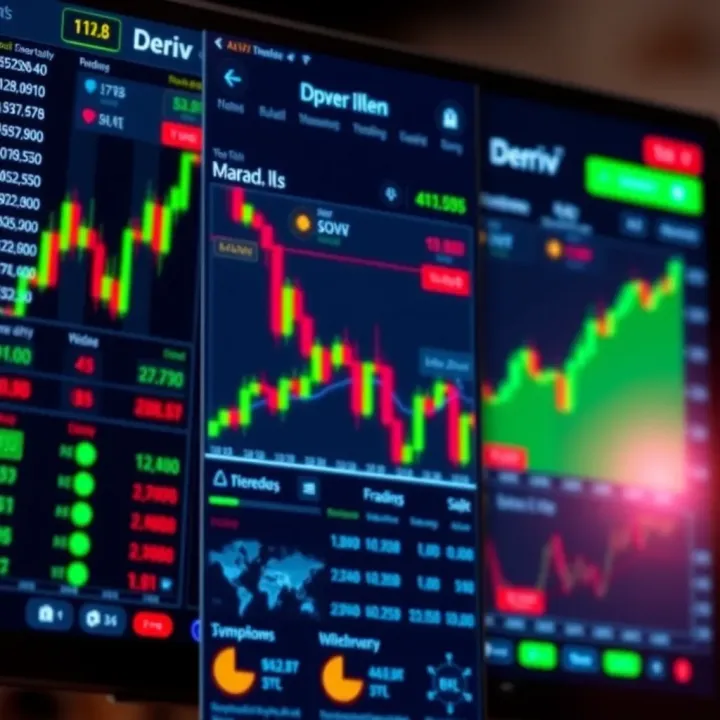
Explore Deriv app for Kenyan traders 📱 Learn about its features, trading tools, account setup, security, and support to trade confidently and safely.
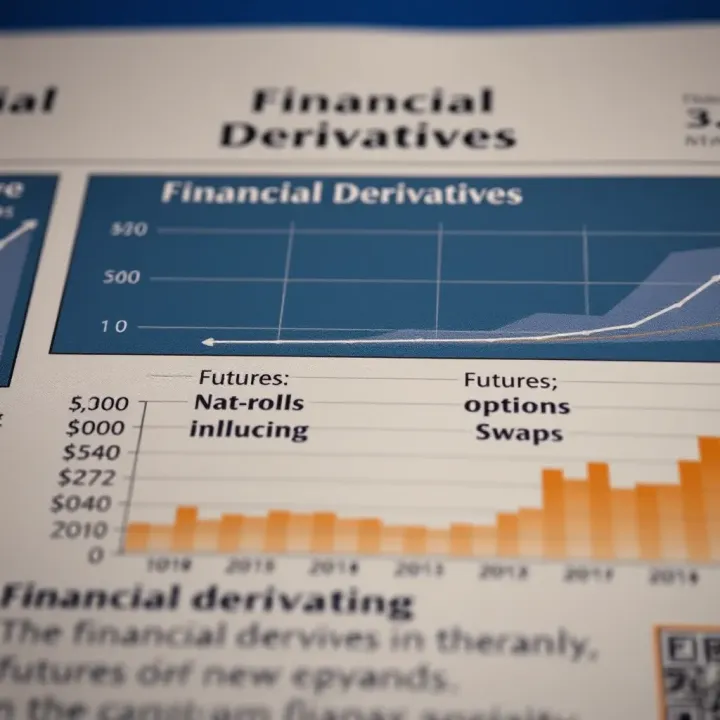
📊 Explore derivatives in finance—types, uses, risks, and key contracts explained. A practical guide for investors and businesses in Kenya.

Discover how to pick the best trading bot tailored to your goals. Learn key features, risks, and top options for traders in Kenya 📊🤖📈
Based on 13 reviews