
How to Sign Up for Deriv: A Simple Step-by-Step Guide
Ready to trade? 📝 Learn how to sign up for Deriv with our step-by-step guide, covering docs, account types, and handy tips for a smooth start!
Edited By
Liam Edwards
Bots have become vital tools in finance, helping traders, investors, and analysts automate repetitive tasks, speed up decision-making, and gain an edge in fast-moving markets. Whether you're looking to build a simple trading signal bot or a workflow assistant to track market news, it's useful to understand the essentials of bot creation.
Creating a bot doesn't require advanced coding skills if you approach it step-by-step. It begins with a clear plan: define what you want your bot to do and how it fits into your trading or analysis routine. For instance, a bot that notifies you when a stock hits a certain price range or one that automatically pulls data from NSE (Nairobi Securities Exchange) and formats it for your daily review.

Next comes choosing your platform and tools. Many developers in Kenya prefer Python due to its clear syntax and rich libraries like Pandas for data handling or APIs for financial data. Platforms like Microsoft Azure, AWS, or Google Cloud offer reliable hosting, but you can also start on a personal laptop, especially for smaller projects.
Writing your bot’s code involves scripting logic that accesses data, makes decisions based on your criteria, and sends outputs, like alerts via email or M-Pesa notifications. Testing is crucial; run your bot in a controlled environment to catch errors or unintended actions before real use.
After deployment, regular maintenance ensures it stays effective as market conditions or your needs change. Small adjustments might be needed, especially if your bot interacts with external data sources, which can change their format or access methods.
A functional bot in finance is less about complexity and more about reliability and relevance. Keep your bot's scope realistic and focused on solving a specific problem.
If you're new to this, start small: a bot that issues a simple alert based on one indicator is better than a complicated bot that's hard to maintain. Over time, you can expand its capabilities, improving your workflow and even saving you precious time and KSh in trading costs.
When starting your journey into bot creation, knowing the different types of bots is key. It helps you pinpoint exactly what kind of bot fits your particular needs, whether you're aiming to automate tasks, improve customer service, or engage users on social media. Picking the right bot from the beginning saves both time and resources.
Put simply, a bot is a programme designed to perform automated tasks. These tasks can vary widely—from answering basic questions on a website to handling complex workflows without human intervention. Bots often interact with users or other software to make processes faster and more efficient. For instance, a bot might manage your calendar bookings or reply to customer queries instantly rather than waiting for a human agent.
Chatbots are among the most common bots. They're used by many businesses to handle questions, book appointments, or resolve complaints through conversational interfaces. Think of a bank’s WhatsApp chatbot that helps customers check account balances or block a lost card without waiting in line at a branch. These bots reduce wait times and free human staff to handle more complex issues.
Automation bots cover tasks that require repetitive actions. Examples include bots that pull financial data for reports, automatically send reminders, or process transactions. In Kenya’s busy SME sector, such bots can save hours spent on paperwork, allowing business owners to focus on sales or customer development. They often operate behind the scenes, invisible to end customers but critical for smooth operations.
Social media bots help manage posting schedules, respond to comments, or analyse trends. For instance, a marketing firm might deploy a bot to monitor hashtag activities during campaigns and generate real-time reports. While useful, these bots must be carefully managed to avoid spamming or violating platform rules, which could lead to account suspensions.
In gaming, bots can act as opponents or teammates, providing challenges and improving user experience. Outside gaming, entertainment bots might recommend music, movies, or jokes based on user preferences. For example, a Telegram bot in Kenya might send daily football updates or local comedy clips to subscribers automatically.
Start by clearly defining what you want the bot to achieve. Ask yourself: Is it to improve customer response times, reduce manual work, boost social engagement, or add fun interactions? Then, consider your audience—do they prefer quick answers, personalised advice, or simply entertainment? Also, think about resources; some bots need extensive coding skills and hosting, while others can be built with drag-and-drop platforms. Matching your goals, audience, and available tools ensures your bot delivers real value without overcomplicating things.
Knowing the different types of bots and mapping them to your specific needs forms the foundation for a successful bot project. This way, you build a tool that genuinely helps rather than adding unnecessary complexity.
Planning is the backbone of any successful bot project. Without clear planning, you risk building a bot that doesn’t meet users’ needs or wastes resources. For traders, investors, and finance professionals, thorough planning ensures your bot addresses real problems, such as automating trading alerts or analysing market sentiment, rather than getting lost in technical complexities.
Start by outlining exactly what you want your bot to achieve. Are you building a chatbot to handle customer queries on stock performance or a bot that automates data collection from financial reports? Precise goals help keep development focused. For example, a broker’s bot might aim to provide instant updates on stock prices during market hours. Clear goals also guide features and avoid scope creep, which can delay projects and inflate costs.
Knowing who will use your bot shapes how you design it. Different users have different expectations and knowledge levels. A bot intended for retail investors should use simple language and explain terms, while one aimed at analysts might offer detailed data visualisations and advanced filtering. For instance, a bot for Nairobi-based traders might need to handle mobile connectivity issues or integrate with popular payment methods like M-Pesa for transactions. Understanding your audience’s environment and challenges ensures the bot really adds value.
Once the purpose and audience are clear, decide on the specific functions your bot needs. Make a list of must-have features and nice-to-have ones. If your bot supports financial analysis, features could include:
Real-time price alerts
Historical data retrieval
News sentiment analysis
User authentication for personalised information
Planning features early lets you prioritise development and manage resources wisely. It also helps when communicating your needs to developers or stakeholders. Keep features realistic for your timeframe and technical skills; better to build a solid core first before adding extra bells and whistles.
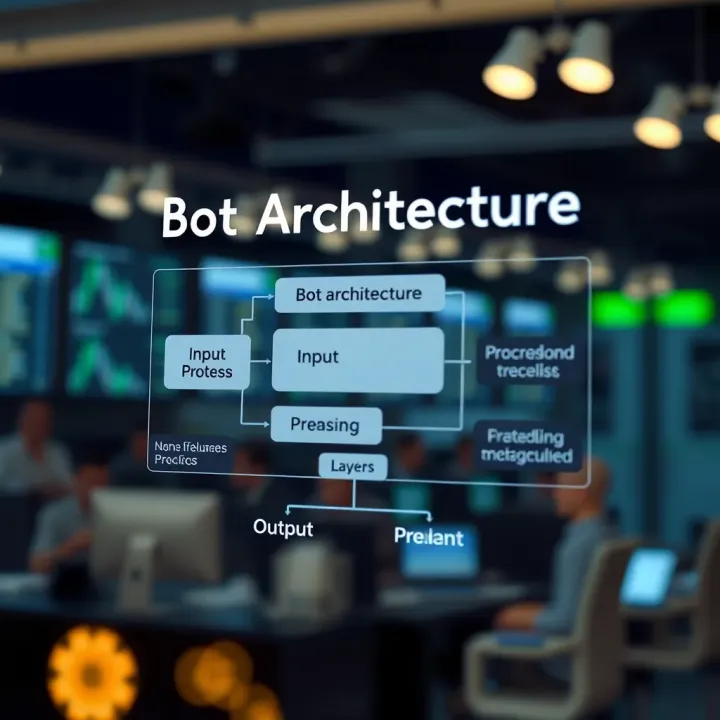
Careful planning not only saves time and money but also increases the chances your bot will be adopted and trusted by its users. In the financial world, reliability and relevance are key, so start on a strong foundation.
By taking time to plan your bot project properly, you set the stage for smoother development, meaningful interaction, and practical success tailored specifically to your sector's demands.
Choosing the right tools and platforms is a key step when building a bot. It shapes how your bot behaves, where you can deploy it, and how much control you have over its features. For finance professionals and traders, selecting suitable technology ensures that your bot meets performance needs, handles data securely, and integrates smoothly with existing systems.
Python stands out for its simplicity and rich ecosystem. It offers extensive libraries like NLTK and TensorFlow that help in natural language processing and machine learning. For instance, if you want a trading assistant bot that analyses market sentiment from news feeds, Python allows you to build this efficiently. Its readability makes it easy to maintain code, even for beginners.
JavaScript is essential if your bot will interact heavily on the web, particularly through browsers or Node.js servers. Since many trading platforms use web interfaces, JavaScript enables real-time data handling and dynamic user interactions. A chatbot embedded in a brokerage website to provide instant client support can rely on JavaScript to handle messages seamlessly.
Java brings strong performance and portability. In financial institutions where stability and security are priorities, Java bots can integrate with enterprise systems reliably. Large-scale automation tools often use Java because it supports multi-threading and robust error handling, making it suitable for bots that execute complex trading strategies.
C# works well if you operate within the Microsoft ecosystem or develop on Windows-based platforms. It integrates smoothly with the Microsoft Bot Framework, which suits bots designed for platforms like Skype or Microsoft Teams—common channels for corporate communication. C# offers strong typing and tooling support that aids in building scalable bots.
Microsoft Bot Framework is a comprehensive toolkit ideal for bots that need to connect across various Microsoft services and platforms. It supports multiple languages, but C# is often preferred. For finance teams using Outlook or Teams, this framework fits naturally and allows rapid deployment of bots for tasks like meeting scheduling or FAQ answering.
Dialogflow by Google focuses on conversational understanding. It suits bots that require natural language processing and easy integration with Google’s products. For example, a market information bot that investors can chat with on mobile apps or websites could use Dialogflow to handle user questions with context awareness.
Chatfuel and ManyChat provide no-code or low-code environments to create Facebook Messenger or WhatsApp bots quickly. These platforms are useful if your bot aims to engage clients with updates or alerts without heavy coding. An investment firm could send portfolio performance notifications via WhatsApp using ManyChat.
Open-source Bots appeal if you want full control and customisation. Projects like Rasa offer frameworks to build complex conversational AI while owning your data—a crucial factor when dealing with sensitive financial information. Though needing more technical skill, open-source bots offer flexibility and cost savings over time.
Cloud Services like Microsoft Azure, Google Cloud, or AWS provide reliable, scalable hosting. They handle uptime, security, and global access well. For traders needing bots that run around the clock and manage heavy traffic, cloud hosting relieves the burden of managing physical servers.
Local Servers might suit firms with strict data residency rules or those keeping sensitive client data on-premises. Running bots on local servers ensures compliance with local laws and can reduce latency for internal users. However, it requires resources to handle hosting and maintenance.
Integration with Messaging Apps is vital for bot accessibility. Most users prefer interacting through familiar platforms like WhatsApp, Telegram, or Slack. Financial bots that deliver price alerts, trade confirmations, or customer service across these apps reach users where they already communicate, enhancing engagement and convenience.
Selecting the right tools and platforms impacts your bot's effectiveness, security, and user experience. Weigh options according to your bot’s purpose, technical skills, and target users to ensure practical results.
In summary, combining suitable programming languages, development platforms, and hosting options lays a strong foundation for bots serving the finance sector. Whether automating client interactions or supporting trading decisions, a carefully chosen tech stack saves time, cuts costs, and boosts your bot’s value.
Writing and testing code is the backbone of building a functioning bot. Without clear, well-structured code, your bot won’t deliver the expected outcomes. This stage transforms the planning and tool selection into a tangible product. For traders or finance professionals, a bot that responds accurately to commands or data queries can save hours of manual effort, leaving you more time to focus on market analysis or decision-making.
Before typing your first line of code, prepare your workspace. This includes installing coding languages like Python or JavaScript, setting up frameworks such as Microsoft Bot Framework or Dialogflow, and ensuring you have the necessary libraries for handling tasks like natural language processing. For example, if you’re developing a financial analysis bot that pulls stock prices, you might integrate APIs from Nairobi Securities Exchange (NSE) for real-time data.
Having the right development environment ensures your code runs smoothly and helps track errors early. You can use simple text editors like Visual Studio Code or more advanced Integrated Development Environments (IDEs) that offer debugging tools, syntax highlighting, and version control.
A bot is only as useful as its ability to understand what you want. Handling user input means capturing the commands or questions fed into the bot and interpreting them correctly. For instance, a user might type "Show me today’s NSE 20 share index" or "What's the latest exchange rate for USD to KSh?" Your bot needs to recognise these phrases, extract key details, and respond accordingly.
This phase often involves writing code to parse text, manage different formats, and filter out irrelevant details. Using libraries like Natural Language Toolkit (NLTK) for Python can help handle this, but light bots may simply use keyword matching to keep things straightforward.
Once your bot understands the request, it must process data to deliver meaningful responses. This could range from fetching real-time stock prices, calculating averages, or filtering out noisy data. Solid data processing is essential, especially when working with financial markets where milliseconds and accurate calculations matter.
Consider a trading bot that scans market trends: it collects price data, runs algorithmic checks, and decides whether to alert the user or execute a trade. Efficient data management ensures these tasks happen swiftly and accurately. For beginners, starting with basic conditional statements and moving onto more complex data handling like API calls or database queries is a practical approach.
Your bot doesn’t just think silently—it must communicate clearly. Generating responses means crafting messages that answer user queries effectively. For a financial bot, this might mean returning a neatly formatted table of stock prices or a simple message stating, "The USD to KSh exchange rate is currently 108.5."
Good response generation also considers tone and clarity. For example, instead of a raw error message, your bot could say, "Sorry, I couldn't find that stock symbol. Could you please check and try again?" This improves user experience, making the bot feel more helpful and less robotic.
Coding often comes with hiccups. Debugging involves identifying and fixing errors that make your bot malfunction. Maybe your bot crashes when you ask for a stock price, or it misunderstands certain phrases. Debugging tools help you pinpoint where the code breaks or behaves unexpectedly.
For example, if the bot fails to fetch data from the NSE API, checking for connection issues or API changes can solve the problem. Catching these bugs early prevents poor user experience and reduces downtime, which is crucial for finance professionals relying on accurate bots.
No bot is perfect on first try. User testing means sharing your bot with colleagues, clients, or a test group to gather real-world feedback. They’ll highlight if the bot misinterprets queries, responds slowly, or misses critical information.
In a finance context, this could involve scenarios like asking the bot about market closing times or dividend dates. Feedback guides refinements, making the bot more reliable and tailored to its users’ needs. It’s wise to update the bot regularly based on this input.
A fast, responsive bot keeps users engaged. Performance improvement focuses on making your bot run smoothly, handle multiple requests without lag, and respond accurately every time. You might optimise your code, enhance server capacity, or streamline data processing.
For instance, if your bot attends to many users checking NSE share prices simultaneously, efficient handling of simultaneous API calls can prevent crashes or delays. Continuous monitoring and tuning ensure your bot stays useful and dependable.
Writing and testing code are essential steps that turn your bot from an idea into a tool that actually works for you. In financial trading or analysis, getting these right is a solid investment in reliable automation.
Getting your bot off the ground and keeping it running smoothly is just as important as creating it. Launching your bot means making it accessible to users on the channels they prefer, while maintenance ensures it stays effective and secure over time. Without proper deployment and upkeep, even the best-designed bots fail to deliver value.
Social media platforms like Facebook, Twitter, and WhatsApp have billions of users in Kenya and beyond. Deploying your bot on these channels lets you engage users where they already spend a lot of time. For example, a customer service bot on WhatsApp Business can quickly answer common queries about product availability or delivery status. Besides convenience, these platforms often provide built-in tools to help developers launch and manage bots, reducing the technical hassle.
Adding a bot to your website enhances user interaction and support. It can handle questions, guide visitors through services, or collect feedback without needing a live agent. This is particularly useful for online businesses or financial services where instant replies improve client satisfaction. On websites, bots can be embedded as chat widgets, allowing users to access help anytime while browsing. Importantly, website bots can be customised extensively to reflect your brand’s tone and style.
Integrating bots into mobile apps takes user engagement a step further by offering personalised, real-time assistance. For trading or investment apps popular among finance professionals in Kenya, a bot can provide market updates, automate reminders, or assist with navigation inside the app. Deploying a bot inside an app usually requires additional development but rewards with deeper user integration and faster response times compared to external platforms.
Monitoring how your bot performs helps you understand its effectiveness and where users face challenges. Key metrics include user engagement rates, request success rates, and wait times. For instance, a bot for a stock trading firm should track how many users receive timely trade confirmations or alerts. Using analytics tools or platforms’ dashboards reveals patterns, enabling data-driven tweaks that keep your bot relevant and efficient.
No bot is perfect from the start; some questions may fall outside its programmed abilities. It’s essential to set up a process where complicated queries get passed to a human agent or flagged for further improvement. Regularly reviewing user questions and complaints helps identify gaps and improve the bot’s knowledge base. Promptly addressing user concerns boosts trust in your service, especially in sectors like finance where reliability matters.
Technology and user expectations evolve continuously, so your bot needs regular updates. This might involve adding new features, improving language understanding, or fixing bugs found through user feedback. For example, after launching, a trading bot may add notifications about new market regulations or incorporate a sentiment analysis feature. A version update schedule ensures your bot remains useful and aligned with changing user needs.
Bots often deal with sensitive information like user contacts or payment details, especially in financial services. Ensuring data privacy means following laws such as Kenya’s Data Protection Act, which governs how personal data is collected, stored, and shared. Employing encryption and obtaining user consent clearly prevent legal troubles and cultivate user confidence.
Bots are vulnerable to misuse through spam, hacking attempts, or malicious input designed to crash systems. To protect your bot, implement security measures like rate limiting, input validation, and CAPTCHA challenges. For instance, if a bot on a trading platform detects unusual request patterns, it should temporarily restrict access and alert administrators. This safeguards both the bot’s integrity and the users’ interests.
Proper deployment and continuous care turn your bot from a simple tool into a reliable asset that supports your business goals while safeguarding user trust.
Ready to trade? 📝 Learn how to sign up for Deriv with our step-by-step guide, covering docs, account types, and handy tips for a smooth start!

Explore how Kenyan forex traders can use automated trading bots 🤖, learn about their benefits, risks, software choices, and legal aspects in Kenya 🇰🇪.

Explore bot trading in Kenya 🤖 – learn how automated systems work, their benefits, risks, and tips to boost your trading success 📈💡

🤖 Curious about binary bot trading? Learn how Kenyan traders can set up and manage automated tools for binary options, plus tips to avoid common pitfalls.
Based on 6 reviews