
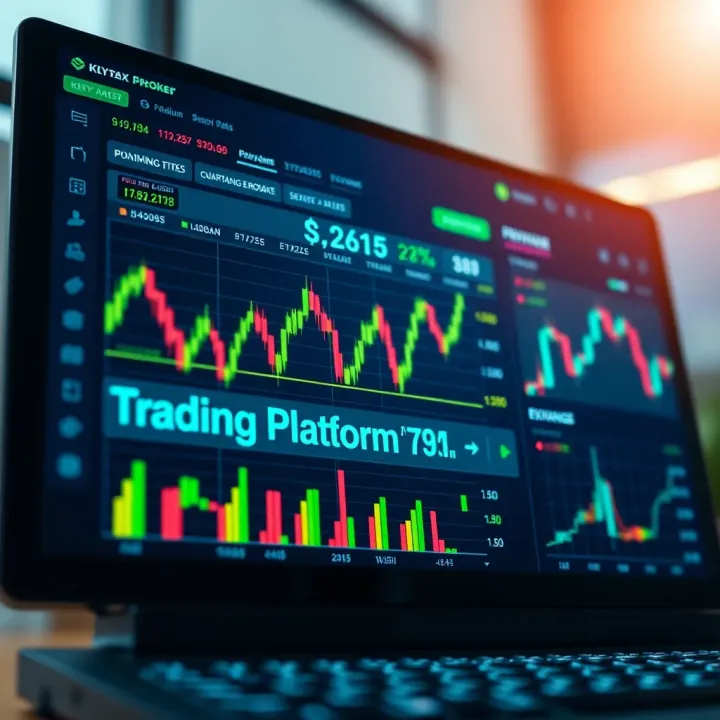
Choosing the Best Trading Platform for Kenyan Investors
📈 Discover how to pick the best trading platform in Kenya! Compare fees, features, and security to trade stocks, forex, and more with ease and confidence.
Edited By
Sophie Reynolds
SmartTrader is one of Kenya’s growing online trading platforms, designed to help traders and investors execute trades efficiently while managing risk. Whether you are a seasoned finance professional or just starting, SmartTrader offers tools tailored to the local market context and global financial instruments. It’s not just about buying and selling; the platform puts emphasis on security, flexibility, and user-friendly features.
The platform supports a range of assets including stocks listed on the Nairobi Securities Exchange (NSE), forex pairs, commodities, and even some digital currencies, allowing traders to diversify their portfolios with ease. For instance, you can trade government bonds alongside forex pairs like USD/KES, combining local and international market exposure in one place.

Account setup is straightforward. Users can create an account via the SmartTrader website or mobile app, then verify their identity with KRA PIN or a valid ID, following Kenya’s regulatory requirements. This compliance ensures your funds and personal data are protected, plus it aligns with Capital Markets Authority (CMA) rules.
Security features on SmartTrader include two-factor authentication (2FA), encrypted transaction data, and regular audits, making it harder for unauthorised access to your account. Several traders have noted the peace of mind this gives compared to other platforms with looser security.
SmartTrader’s interface presents real-time market data and fast execution tools. Example: when trading NSE shares such as Safaricom or Equity Bank, you get instant price updates plus charting tools that help you spot market trends. Advanced order types like stop-loss and take-profit help manage your risks by pre-setting exit points.
For traders in Kenya, SmartTrader blends local market familiarity with global trading features, providing a practical base for both speculation and long-term investment strategies.
Overall, SmartTrader offers a practical balance: simple enough for a newcomer to grasp, yet packed with features to satisfy more experienced traders. Understanding these basics equips you to make informed decisions about whether the platform fits your trading style.
Grasping what SmartTrader exactly offers and how it functions is key for any trader or investor in Kenya before diving in. This knowledge helps you make informed decisions about whether the platform suits your trading style and goals. SmartTrader simplifies access to a diverse range of financial markets, offering Kenyan users a blend of local convenience and global exposure.
SmartTrader is a digital platform designed to enable trading across currencies, stocks, commodities, and indices. It caters to both beginners and experienced traders by providing an intuitive interface combined with sophisticated trading tools. For example, a Nairobi-based investor can actively trade the NSE 20 Share Index alongside foreign assets like gold or the EUR/USD currency pair, all through one dashboard.
What sets SmartTrader apart is its focus on accessibility—users can start trading with relatively low minimum deposits and use Kenyan payment methods such as M-Pesa for deposits and withdrawals. This makes it easier for traders outside major financial hubs to participate actively in global markets.
SmartTrader offers a broad asset variety to spread risk and capitalise on different market movements:
Forex pairs: Popular combinations such as USD/KES, EUR/USD, and GBP/USD allow currency speculation relevant to both local and international contexts.
Stocks: Options include blue-chip equities – for instance, Safaricom and Equity Bank – as well as international giants listed on NASDAQ or the London Stock Exchange.
Commodities: Commonly traded items like gold, crude oil, and agricultural products provide avenues for hedging against inflation or seasonal price swings relevant in East Africa.
Indices: Benchmark indices such as NSE 20, S&P 500, and FTSE 100 give exposure to the broader market trends.
This range supports both short-term trading and long-term investment strategies.
Trading on SmartTrader involves a straightforward sequence familiar to experienced traders but supportive for newcomers:
Open and fund your account: Registration is quick, with verification via eCitizen or direct ID uploads, and deposits can be made using KCB M-Pesa or Lipa Na M-Pesa.
Select an asset: Choose from the diverse asset classes and study available charts and indicators to identify opportunities.
Place your trade: Decide on trade size and direction—whether buying because you expect the price to rise, or selling if you anticipate a fall.
Set stop-loss and take-profit levels: These tools help manage risk by automatically closing trades at specific price points.
Monitor and close trades: Use the platform’s mobile app or web version to track open positions, closing them manually or letting stop-loss/take-profit trigger.
Understanding these steps reduces surprises and builds confidence, especially for Kenyan traders adapting to digital trading platforms.
In summary, knowing what SmartTrader is and how it works offers a firm foundation to navigate the platform effectively and leverage its features to your advantage. From accessing Kenyan-friendly payment options to trading real-time assets across multiple markets, SmartTrader presents a practical yet powerful avenue for growing your financial portfolio.
Setting up and managing an account on SmartTrader is a key step to start trading efficiently and securely. This process ensures you can access the platform’s features without hitches while keeping your funds and personal data safe. Paying attention to registration and managing deposits and withdrawals, especially via Kenyan payment methods, can help you avoid common delays and issues.

To open a SmartTrader account, start by providing your full details such as your name, phone number, and email address. Use a valid and active email because the platform sends confirmation and alert messages there. After submitting your information, you’ll typically be asked to upload identification documents—usually a national ID or passport, and proof of address like a recent utility bill or bank statement. This verification protects both you and SmartTrader against fraud.
The verification process may take between a few hours to two days depending on demand, so plan your trades accordingly. For instance, if you want to start trading during sherehe (festival) period when markets can be volatile, get this done early. Once verified, you’ll receive a confirmation email and gain full access to trading and financial services on the platform.
SmartTrader supports popular Kenyan deposit and withdrawal methods, making it easy to fund your account. You can use M-Pesa, which is widespread and convenient for many traders. Simply link your Safaricom mobile number to the platform and select M-Pesa when making deposits. The process is quick, usually a matter of seconds, and charges are minimal.
Besides M-Pesa, banks like Equity, KCB, and Co-operative Bank allow transfers directly from your account, aiding those who prefer traditional banking routes. You should always check the minimum deposit requirements, which can start at KS,000, depending on the asset you want to trade.
When withdrawing, ensure your bank or M-Pesa details match the ones on your SmartTrader account to avoid delays. Withdrawals typically take 24 to 72 hours but may take longer during public holidays like Madaraka Day or Jamhuri Day.
Tip: Keep track of your transaction receipts and regularly update your payment details in the account settings to prevent interruptions. Managing your SmartTrader account with these details tuned to Kenyan payment methods ensures smooth trading without cash flow issues.
SmartTrader offers a range of features and tools designed to meet the needs of Kenyan traders, whether beginners or experienced professionals. These features help users analyse markets effectively, execute trades efficiently, and keep pace with the fast-moving world of trading. Understanding what each tool brings to the table allows you to trade smarter and manage risks better.
One standout feature of SmartTrader is its versatile charting system equipped with various technical indicators. These include the Relative Strength Index (RSI), Moving Averages, Bollinger Bands, and MACD (Moving Average Convergence Divergence), all of which help you spot trends and potential market reversals. For example, Kenyan forex traders often use RSI to identify overbought or oversold currency pairs like USD/KES, guiding more timely buy or sell decisions. The platform allows customisation of chart types—candlestick, line, or bar charts—enabling traders to pick what suits their style best.
Besides the standard indicators, SmartTrader supports drawing tools such as trend lines and Fibonacci retracements, which add precision to technical analysis. These charting options provide a clear visual picture, crucial when trading on tight timeframes or volatile markets.
SmartTrader supports automated trading systems and signal services that help Kenyan traders save time and reduce emotional bias. Automated trading lets you set predetermined rules through 'bots' that execute trades on your behalf. For instance, you could configure a bot to enter trades when a moving average crossover happens, removing the need to monitor charts constantly.
Signal services are another helpful tool, delivering real-time alerts about potential trade setups based on market analysis. These signals can come from experienced analysts or algorithmic models. Kenyan traders relying on signal services benefit by catching market opportunities they might otherwise miss, especially when juggling other commitments.
While automated trading offers convenience, it's wise to monitor system performance regularly. No bot is foolproof, so adjusting strategies according to market conditions is key.
SmartTrader’s mobile app makes it easy to trade on the go, an important feature for Kenyan traders who rely heavily on mobile internet and smartphones. The app boasts a clean, intuitive interface that gives you access to all trading tools, from charts to executive trades, without unnecessary clutter.
For instance, placing a trade or checking your portfolio balance on the app only takes a few taps, suiting the busy lifestyles common in Nairobi and other urban centres. It supports push notifications for price alerts and trade confirmations, ensuring you stay updated even during hectic days.
Moreover, the app uses data-efficient technology to work well on 3G and 4G networks which are predominant across Kenya. This means you can make swift trading decisions even when your internet signal is weak. On top of that, security features like fingerprint login and two-factor authentication help keep your account safe.
SmartTrader’s combination of analytical tools, automation options, and a responsive mobile app makes it a solid choice for Kenyan traders looking for convenience and control.
To make the most of the platform, regularly explore these tools and adapt them to your unique trading style and goals.
When dealing with any trading platform, security and regulatory compliance are top priorities. For Kenyan traders using SmartTrader, knowing how the platform protects your funds and personal data, as well as whether it follows local financial rules, can save you from unnecessary risks. This section breaks down what safeguards are in place and how SmartTrader aligns with Kenya's regulatory environment.
SmartTrader employs a variety of security measures designed to keep your money and data safe. First, the platform uses encryption protocols such as SSL (Secure Socket Layer) to protect all information exchanged between you and the server. This means that whether you are logging in, depositing funds, or making trades, hackers cannot easily intercept your details.
Moreover, SmartTrader requires users to create strong passwords combined with two-factor authentication (2FA). This extra step usually involves receiving a code on your mobile or email, adding a layer of security against unauthorized access.
SmartTrader also keeps client funds separate from operating capital by using segregated accounts with reputable banks. This practice ensures that even if the company faces financial trouble, your trading money remains untouched. Kenyan banks like Equity and KCB maintain trust for many users, and SmartTrader’s partnerships here boost confidence.
Finally, the platform performs regular security audits and updates its systems in response to emerging threats. This proactive approach reduces breaches, protecting your account from fraud or identity theft.
SmartTrader operates under Kenyan financial law to ensure transparency and compliance. The platform aligns with guidelines set by the Capital Markets Authority (CMA), which regulates capital markets and trading platforms in Kenya. This means SmartTrader must maintain proper disclosures, fair trading practices, and investor protection standards.
Registration with the CMA also requires the platform to implement anti-money laundering (AML) policies and conduct customer due diligence. Kenyan traders should expect to provide identification documents during account registration in line with the Kenya Revenue Authority (KRA) and Central Bank of Kenya (CBK) expectactions.
Adhering to these regulations means SmartTrader carries a regulatory licence, assuring users it operates within Kenya’s legal framework. Consequently, this reduces the risk of fraudulent platforms that might take advantage of uninformed traders.
Keeping your funds secure and dealing with a properly licensed platform are vital steps to trading confidently. Always verify that your trading app meets local security standards and regulatory compliance before committing your money.
In summary, SmartTrader has taken considerable steps to secure user funds and comply with Kenyan financial laws. These measures contribute to a safer trading experience and protect you from common pitfalls in digital trading platforms.
Trading on SmartTrader can be rewarding, but it demands discipline and well-planned strategies. Kenyan traders especially benefit from targeted tips that fit local realities — including how to manage risk, build confidence, and stay current with market news.
Managing risk should be the first priority when trading on SmartTrader. Unlike playing the stock market like a game of chance, it requires clear limits on losses. Start by setting a maximum loss per day, say 2–3% of your trading capital. For example, if your total investment is KSh 100,000, don’t risk more than KSh 2,000–3,000 daily. That way, a few bad trades won’t drain your account.
Use stop-loss orders on every trade to cut losses early, especially since markets can move suddenly due to local events, such as political developments or currency fluctuations. Also, diversify assets instead of putting all funds into one trade — Kenyan traders could split their funds between forex pairs like USD/KES, commodities like coffee, and shares on the Nairobi Securities Exchange (NSE). This mixture helps balance out ups and downs.
SmartTrader offers demo accounts that mimic live trading without risking real money. Use this tool to try different strategies and get familiar with the platform’s tools before starting with actual funds. Practising on a demo account can sharpen your decision-making skills and reduce emotional trading, which often leads to losses.
Treat your demo trading seriously. Set targets, simulate real market hours (for instance, trading during NSE hours), and track results just like with a live account. By the time you switch to real money, you’ll be more confident about when to enter or exit trades and how to manage risk.
Keeping an eye on market news is essential to capture opportunities and avoid surprises. Kenyan traders should regularly follow updates from trusted sources like the Business Daily, Daily Nation’s business section, and the Nairobi Securities Exchange announcements. For example, government budget releases or CBK interest rate changes can affect forex and stock prices.
Besides local news, global developments in commodities, oil prices, or US Federal Reserve decisions influence asset prices. SmartTrader often integrates news feeds, but also consider using specialised apps or WhatsApp groups with real-time updates tailored for Kenyan investors.
Consistent learning, cautious risk management, and staying informed provide a sturdy foundation for successful trading on SmartTrader. Approach each trade deliberately, and over time, your results will improve.
With these practical tips, Kenyan traders can make the most of SmartTrader’s platform features while protecting their investment and growing their skills steadily.
📈 Discover how to pick the best trading platform in Kenya! Compare fees, features, and security to trade stocks, forex, and more with ease and confidence.

📈 Discover how deriv trading works, its risks & benefits, platforms, strategies, and Kenyan regulations to trade smart and secure your investments wisely.
💹 Explore crypto trading in Kenya with this practical guide covering platforms, market tips, risks, and regulations to trade responsibly and smartly.

🔍 Explore cryptocurrency trading in Kenya with clear tips on starting, strategies, risks, key tools, and legal insights to trade confidently and safely.
Based on 14 reviews