
Quotex Broker Guide for Kenyan Traders
🔍 Discover how Quotex broker fits Kenyan traders with easy registration, M-Pesa deposits, wide trading options, and dependable safety measures for secure trading.
Edited By
James Archer
DTrader is an online trading platform popular for its straightforward approach to forex, indices, and commodities trading. Unlike some platforms that overwhelm users with complex charts or confusing jargon, DTrader aims to make trading accessible, especially for traders navigating markets from Kenya.
At its core, DTrader allows you to speculate on price movements without owning the actual asset. For example, you can predict whether the US Dollar will strengthen against the Euro or if gold prices will rise by the end of the trading day. This simplicity appeals especially to those who want to trade without the hassle of managing physical holdings.
The platform's design suits both beginners and experienced traders, with clear menus and easy-to-understand options. It offers access to popular markets relevant to Kenyan traders, such as forex pairs (USD/KES, EUR/USD), international stock indices, and commodities like oil and gold—products commonly followed across Nairobi’s trading groups and investment circles.
Here are some key features of DTrader you should know:
User-friendly interface: No clutter, just clear trading choices and up-to-date price information.
Flexible trade durations: You can place trades lasting from a few minutes to several hours.
Real-time charts: Though basic, these help track market trends without needing additional tools.
Transparent payout system: You see potential profits and losses before entering a trade.
Kenyan traders often face challenges with high fees or complex platforms. DTrader keeps costs reasonable and the learning curve gentle, making it a practical option for local investors who want to start without big upfront costs.
Understanding how DTrader works is the first step before putting money at risk. It operates on a contract-for-difference (CFD) model but with a focus on simplicity and quick decision-making. Before trading, Kenyans should also check local regulations and ensure they meet KRA (Kenya Revenue Authority) and CMA (Capital Markets Authority) compliance, especially for tax declarations and legal trading practices.
In this article, we will explore practical steps to begin with DTrader safely, essential tips relevant to Kenyan traders, and the risks you must watch out for when dealing with volatile markets. Knowing the platform's basics will help you trade smarter and avoid common pitfalls in the Kenyan trading environment.
Understanding what DTrader is and how it works is key for any Kenyan trader looking to enter online trading confidently. This platform connects you to financial markets like forex, indices, and commodities, offering straightforward access to global trading opportunities from your mobile or desktop. Knowing the platform's layout, the markets it covers, and how trades are executed helps you make informed decisions and manage risks better.
DTrader provides access to several financial markets that are popular among Kenyan traders. You can trade forex pairs such as USD/KES and EUR/USD, indices like the Dow Jones or NASDAQ, as well as commodities including gold, oil, and coffee. This variety means you aren’t limited to one market; you can diversify your investments to spread risk. For example, a trader might buy gold during uncertain economic times while also trading forex pairs that exhibit strong trends.
The platform offers various trading instruments such as binary options, where you predict price movement within a set time, and digital options. Unlike traditional share trading, these instruments allow you to speculate on price movements without necessarily owning the underlying asset. For instance, if you expect the price of Brent crude oil to rise within the next hour, you can use an option contract to potentially profit from this move with a defined risk.
DTrader operates on a simple execution model focusing on fixed-time trades. You select your asset, the direction of the trade (up or down), and the expiry time. The trade finishes at the set time, and you either earn a fixed payout or lose your stake. This model suits traders who prefer quick decisions and clear outcomes. The platform uses instant execution technology, reducing delays that could otherwise impact your trade’s result, which is vital during volatile market hours in Kenya.
Signing up on DTrader is straightforward for Kenyans. You only need to provide basic personal details, verify your identity with a national ID or passport, and confirm your KRA PIN to comply with local regulations. This process is important to ensure security and legal compliance. Once registered, your account is ready for funding and trading within a few hours.
DTrader supports various payment methods that suit Kenyan users, including bank transfers and card payments. Notably, M-Pesa integration allows you to deposit and withdraw funds conveniently using your mobile phone, which removes the hassle of international bank fees and approvals. For example, a trader can fund their account from their Safaricom line, making it both quick and secure.
With internet access being widespread in Kenya, DTrader offers both a mobile-friendly website and a desktop platform. The mobile version works smoothly even on average data speeds, allowing you to trade from Nairobi’s matatu queues or while waiting in town centres. Desktop access delivers a richer experience for those who prefer detailed charting and analysis. This dual accessibility ensures you don’t miss trading opportunities regardless of whether you’re at home, in the office, or on the move.
To get started with online trading, it’s essential to understand both the markets and the platform tools. DTrader's flexible access and payment options cater well to Kenyan traders looking for practical, reliable ways to engage in financial markets.
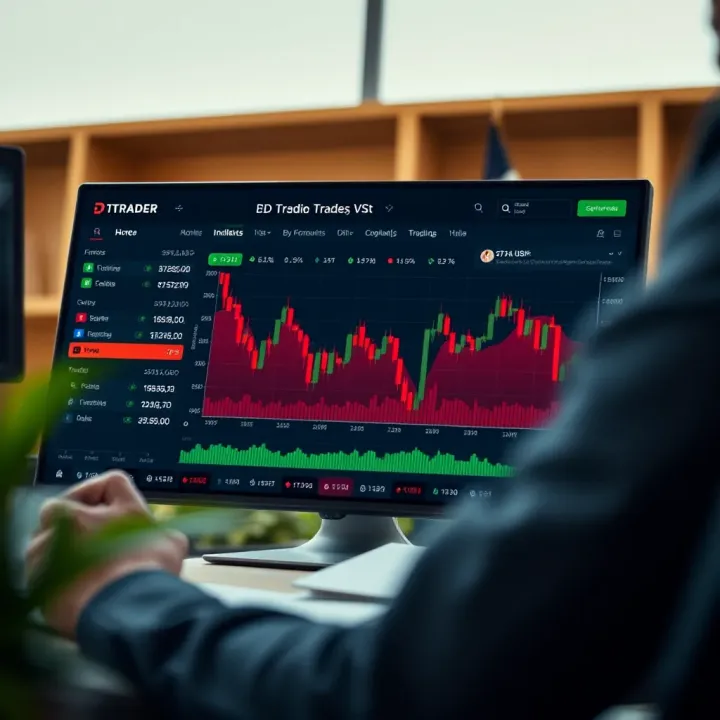
DTrader offers a variety of tools and features tailored to both beginners and seasoned traders. These tools are essential for making informed trading decisions and managing risks effectively. For Kenyan traders, understanding these features ensures they can trade with more confidence and better control over their investments.
Ease of use for beginners: DTrader’s interface is designed to be straightforward and user-friendly. For someone just starting, this means you won't get bogged down by complicated menus or jargon. For example, the platform clearly labels key functions like buying, selling, and account management, making it easier to focus on trading without distractions. This is especially helpful in Kenya, where many traders might rely on mobile devices with limited screen space.
Charting tools and indicators: The platform offers built-in charts that display price movements in real time, combined with common technical indicators such as Moving Averages, RSI (Relative Strength Index), and Bollinger Bands. These tools help traders spot trends and potential entry or exit points. For instance, a local trader could notice a price rebound on forex pairs correlated to the Kenyan shilling, assisting in making quick, informed choices in volatile markets.
Order types supported: Beyond simple buy and sell orders, DTrader accommodates various order types like limit and stop orders. This allows Kenyan traders to set rules such as buying only when an asset hits a particular price. For example, you might place a limit order to buy gold if its price drops to a set level overnight, avoiding constant monitoring yet still seizing opportunities.
Stop-loss and take-profit options: These are vital tools on DTrader that automatically close a trade when your loss or profit reaches a specified amount. This protects your capital by limiting potential losses and locking in gains. If you buy oil futures and want to avoid getting wiped out by sudden drops, setting a stop-loss helps manage that risk without watching the market every second.
Demo account availability for practice: DTrader provides demo accounts loaded with virtual funds, enabling new traders to practise without risking real money. For Kenyans new to online trading, this hands-on experience builds skill and confidence before committing actual cash. It's like practising driving in a quiet neighbourhood before hitting the busy Nairobi streets.
Leverage settings and their implications: Leverage lets you control larger positions with smaller capital, magnifying both profits and losses. DTrader offers adjustable leverage settings, giving traders discretion on how much risk to take. While higher leverage can lead to bigger profits, it can just as easily wipe out your balance if the market moves against you quickly. Kenyan traders must use leverage cautiously, keeping in mind their risk tolerance and market conditions.
Effective use of these features on DTrader can make the difference between consistent success and unexpected losses, especially in the fast-changing financial markets Kenyan traders face today.
Understanding the platform’s tools helps you trade smarter, not harder—ensuring your efforts have a better chance of paying off.
Starting to trade on DTrader involves several clear steps that Kenyan traders must follow to participate securely and efficiently. These steps include setting up and verifying your account, funding it using convenient local payment methods like M-Pesa, and finally placing your first trade with confidence. Each phase has specific requirements and considerations that are particularly relevant to Kenyan users.
Before you start trading, DTrader requires you to create an account and verify your identity. The platform asks for documents such as a valid Kenyan national ID or passport and proof of address like a utility bill or bank statement. These documents confirm your identity and safeguard against fraudulent accounts, helping maintain a secure trading environment.
Beyond identification, Kenyan traders must comply with regulatory standards. This includes providing a Kenya Revenue Authority (KRA) Personal Identification Number (PIN), which ensures tax compliance and aligns your trading activities with local laws. DTrader’s adherence to these requirements helps users trade within Kenya’s legal framework, reducing future complications with tax authorities.
DTrader supports several payment options tailored to Kenyan users. Most common is M-Pesa, Safaricom’s mobile money platform, which allows easy and secure deposits directly from your phone. Bank transfers from major Kenyan banks are also accepted, but M-Pesa remains the fastest and most user-friendly option. For example, depositing KSh 1,000 from your M-Pesa account can reflect within minutes on DTrader, making it ideal for busy traders.
The minimum deposit varies but is usually set to accommodate entry-level traders; often this is as low as KSh 1,000 or its equivalent in other supported currencies. This low threshold helps beginners test the platform without a big financial commitment.
Withdrawing profits is equally straightforward but requires completing verification steps first. Once confirmed, you can transfer your earnings back to M-Pesa or your bank account. Having smooth withdrawal options is crucial, as it provides traders the confidence that their funds are accessible whenever needed.
Choosing the right asset to trade on DTrader depends on your interests and knowledge. Kenyan traders often start with forex pairs like USD/KES or commodities such as gold, since these markets are familiar and have steady news coverage locally. Selecting safe, liquid assets helps you understand market movements before trying more volatile options.
Setting trade parameters involves deciding how much to invest, the direction (buy or sell), and setting limits like stop-loss or take-profit. These controls let you manage potential losses and secure gains automatically. For example, if you buy gold expecting prices to rise, setting a stop-loss at 2% below your entry point reduces risk if the market moves against you.
Monitoring your trades continuously is vital, especially on volatile markets. DTrader’s mobile and desktop platforms allow real-time tracking and give you the option to close trades manually whenever you want. Closing a profitable trade in time locks in gains, while exiting early can prevent losses if market conditions change unexpectedly.
Starting with clear, practical steps tailored to Kenyan traders ensures you get the most from DTrader while managing risks wisely.
Trading on platforms like DTrader brings promising opportunities, but it also involves serious risks. Kenyan traders must understand these risks fully to avoid losses and make informed decisions. Knowing the dangers helps you protect your capital, manage trades better, and avoid falling for scams common in online trading.
Price fluctuations and unpredictability: Financial markets can move sharply within seconds, influenced by news events, economic data, or global developments. For example, forex rates fluctuate with central bank announcements or unexpected political news. These price swings are unpredictable and can lead to quick profits but also sudden losses. Kenyan traders should be ready for sharp rises or drops, especially in volatile assets like commodities.
Impact on short-term trades: Short-term trades, such as those lasting minutes or hours, are highly exposed to market noise. Even small events can cause rapid movement against your position. This demands quick decision-making and constant monitoring. For instance, a trader betting on gold prices might see swings within minutes due to changes in US dollar strength or tensions in the Middle East. That said, short-term trading requires more attention and risk control.
Managing leverage carefully: Leverage lets you control larger positions with smaller capital but multiplies both gains and losses. Using high leverage on DTrader can wipe out your account quickly if trades go wrong. For example, a 50x leverage means a 2% adverse price move will erase your investment. Kenyan traders should start with low leverage ratios and increase only when confident. Proper leverage management helps preserve capital for the long haul.
Setting stop-loss limits: A stop-loss order automatically closes your trade to limit further loss once prices hit a set level. This tool preserves your capital from heavy unexpected moves. For example, if you trade an index and set a stop-loss 1% below your entry price, you avoid losing more should the market crash. Using stop-losses makes trading less risky and emotionally manageable.
Using demo accounts for skill-building: DTrader offers demo accounts that simulate real trading without risking real money. Kenyan traders should practise extensively here to understand how orders work, price changes affect positions, and how leverage impacts outcomes. Building skills in a risk-free environment sharpens your strategy and confidence before going live.
Verifying platform legitimacy: Before trading on any platform, confirm its licence and regulation status. Legitimate brokers publish these openly. In Kenya, check if a platform is recognised locally or by global regulators like the Capital Markets Authority (CMA). This step reduces chances of losing funds through fraudulent platforms.
Recognising fake investment schemes: Be wary of schemes promising guaranteed high returns with little or no risk—common red flags for scams. Fraudsters often lure users with flashy ads or cold calls. For example, a platform promising daily 10% returns with no losses is almost certainly a scam designed to steal your money.
Reporting suspicious activity in Kenya: If you encounter or suspect fraud, report promptly to the CMA or Consumer Protection agencies. This helps protect others and may trigger investigations. Kenyan traders should also warn their trading circles about suspicious platforms or offers to build collective caution.
Understanding and managing risks is not just about avoiding losses — it is about trading smart and securing your financial future step by step.
By keeping in mind these risks and protection strategies, Kenyan traders can increase their chances of successful, safe trading on DTrader. Always trade with clear awareness of what you stand to gain or lose.
Successful trading on DTrader involves more than just placing orders; it requires a clear strategy, awareness of market conditions, and continuous improvement. Kenyan traders benefit when they plan their trades carefully, stay updated with relevant news, and connect with others in the trading community.
Setting realistic goals is fundamental. You need to avoid aiming for unrealistic profits that can lead to reckless decisions. For example, instead of expecting to double your account in a week, set achievable targets such as 5-10% monthly growth. This helps you stay disciplined and avoid risky trades that could wipe out your capital.
Defining risk tolerance means understanding how much you can afford to lose on a single trade without causing financial stress. If losing KSh 1,000 impacts your daily needs, you should lower your trade sizes or avoid high-leverage trades. Knowing your risk limit helps control emotions like fear and greed, which often cloud judgment in trading.
Choosing suitable trading times matters since market volatility differs by session. Forex trading is more active during European and US market hours, which might coincide with late night or early morning in Kenya. Some commodities and indices might be more liquid during these periods. Planning your trading around active hours reduces slippage and improves order execution.
Use a mix of local and global financial news sources to keep your trading decisions grounded. Kenyan traders should follow local updates impacting the shilling and economy, such as Central Bank of Kenya announcements or oil price changes that affect fuel costs. Global news from Reuters or Bloomberg gives insight into broader trends affecting forex or commodities.
Economic indicators relevant to Kenya include inflation rates, GDP growth, and interest rate decisions from the Central Bank. For instance, a hike in the Central Bank Rate often strengthens the shilling, which you can anticipate on DTrader forex pairs. Monitoring these helps you anticipate market moves and adjust your trades accordingly.
Participating in Kenyan trader groups creates a support network where you exchange ideas and learn from others’ experiences. Groups often share insights on how local events impact markets or recommend reliable resources suited for Kenyan traders.
Accessing online tutorials and webinars offers ongoing education. Platforms like Coursera or local financial training providers often hold sessions on technical analysis or risk management. Actually practising skills learned through such courses reduces costly mistakes.
Lastly, learning from trading mistakes is crucial. Keep a trading journal to document why you entered or exited trades, and review these notes regularly. A Kenyan trader might realise that ignoring stop-losses during a volatile market cost them KSh 5,000 in profits. Reflecting on these errors will improve your future decisions.
A solid trading approach on DTrader is built on clear plans, staying informed, and learning continuously. This practical mindset keeps you ahead in Kenya’s vibrant trading environment.
🔍 Discover how Quotex broker fits Kenyan traders with easy registration, M-Pesa deposits, wide trading options, and dependable safety measures for secure trading.

📉 Learn how forex spread impacts your trading costs in Kenya. Get practical tips on types, broker spreads, and ways to manage expenses for smarter trading.
Discover key insights about Olymp Trade for Kenyan traders 📊. Learn about platform features, reliability, regulation, and trading benefits plus risks before using it.

📈 Learn how Kenyan traders can combine Deriv platform and TradingView charts to make smarter trades. Get setup tips, key features, and risk management advice.
Based on 9 reviews