
Forex Binary Trading Guide for Kenyan Traders
Discover practical tips for Kenyan traders on forex binary trading 📈💡 Understand risks, regulation, how it differs from traditional forex, and trade safely.
Edited By
Laura Mitchell
Forex trading continues to attract many Kenyans looking to grow their wealth beyond traditional investments. Yet, understanding the foreign exchange market can seem overwhelming at first. That’s where good-quality PDF resources come in handy—they offer a convenient way to study key concepts, strategies, and risk management at your own pace.
PDF documents on forex trading cover a range of topics from basic terminologies like currency pairs and pips, to more complex subjects such as leverage and technical analysis. Kenyan traders keen to grasp fundamentals benefit from PDFs tailored to the local context, which often explains how to navigate regulations from the Capital Markets Authority (CMA) or engage with brokers licensed in Kenya.
Many PDF guides also highlight practical tips on managing trading capital, setting stop-loss orders, and avoiding common pitfalls. For example, a Kenyan trader who reads a PDF covering how to use M-Pesa for funding trading accounts will have clearer steps than someone learning this through scattered online sources.
Reliable PDFs serve as self-paced courses—free or paid—that help traders build a strong foundation before risking real money.
Some common types of forex PDFs useful for Kenyan traders include:
Beginner guides outlining market basics.
Strategy manuals focusing on technical or fundamental analysis.
Regulatory summaries explaining CMA rules and anti-money laundering requirements.
Risk management plans detailing how to protect your investments.
Choosing the right PDF involves checking the author’s credibility, date of publication to ensure up-to-date information, and reading reviews from fellow traders. Avoid outdated or overly sales-based PDFs that promise quick riches; forex trading requires patience and proper knowledge.
By making good use of these PDF materials, Kenyan traders gain practical insights, avoid costly mistakes, and develop disciplined trading practices that suit local market realities. This guide will break down how you can find, assess, and use forex PDFs effectively for better results.
An introduction to forex trading is essential for anyone looking to enter this fast-moving market, especially Kenyan traders. It lays the foundation for understanding how currencies are bought and sold and highlights the key elements that influence price changes. Without this knowledge, diving into forex can feel like navigating matatus in Nairobi without a route map.
The foreign exchange (forex) market is where currencies from different countries are traded against each other. It’s the largest financial market globally, with a daily turnover surpassing $6 trillion. For a Kenyan trader, forex trading means speculating on the value of the Kenyan shilling (KES) against other currencies like the US dollar (USD) or euro (EUR) to make profits.
Forex trading happens 24 hours a day, five days a week, allowing traders to react quickly to economic news or political developments anywhere in the world. This continuous operation gives Kenyan traders flexibility to engage at convenient times around their work schedules.
Kenyan traders often focus on major currency pairs involving the US dollar (USD) because many business transactions and imports are dollar-denominated. The USD/KES pair is particularly important as it reflects the direct exchange rate between the Kenyan shilling and the US dollar.
Other commonly traded pairs include EUR/USD and GBP/USD since these influence global economic conditions and can indirectly affect the Kenyan economy through trade links or remittances from abroad. Watching these pairs helps traders anticipate potential movements in the KES and adjust their trading strategies.
Currency trading takes place through networks of banks, brokers, and electronic platforms spread across major financial centres like London, New York, and Tokyo. Kenyan traders mostly access the market through online brokers and apps that connect to these global exchanges.
Decisions in forex trading depend on factors like interest rates set by central banks, political events, and economic data releases. For example, a change in US interest rates can cause USD to strengthen, impacting the USD/KES rate and offering a trading opportunity for Kenyan investors.
One major reason forex attracts Kenyan traders is the ease of funding accounts using local payment methods like M-Pesa. This mobile money system allows quick deposits and withdrawals without needing a local bank account, opening forex trading to people outside major cities.
This accessibility means even traders in towns like Kisumu or Eldoret can participate on equal footing with Nairobi-based investors. The availability of demo accounts and mobile-friendly platforms further lowers the barrier to entry.
Global currencies present Kenyan traders with chances not found in local investments. For instance, shifts in the eurozone or US economy can create volatile market conditions suitable for short-term profits or hedging risks.
By trading currencies, Kenyans can diversify income sources beyond local markets, which may be affected by seasonal factors like harvest cycles or official budget announcements.
Trading forex in Kenya carries both promise and risk. The shilling’s volatility due to factors such as inflation rates, political events, or foreign exchange reserves can lead to profitable trading opportunities.
However, risks include scams, unregulated brokers, and lack of strong consumer protection. Kenyan traders must learn risk management strategies and prioritise dealing with licensed brokers under the Capital Markets Authority (CMA) to safeguard their investments.
Forex trading is not a quick-rich scheme; it requires careful study, practice, and vigilance against scams, especially in Kenya's evolving financial landscape.
With this solid introduction, Kenyan traders are better prepared to explore forex trading using PDF resources that explain these concepts further and offer practical tips for success.
For Kenyan traders stepping into forex, PDFs offer a straightforward way to gain knowledge without having to rely fully on internet access all the time. The availability of well-structured PDF documents means you can learn at your own pace and revisit complex topics when offline, especially valuable where connectivity can be patchy outside Nairobi or major towns.
These are essential for traders just starting out. Beginner guides cover fundamental ideas like how forex markets operate, basic trading terms, and how to place trades on popular platforms accessible in Kenya, like MT4 or MT5. For example, a beginner PDF might explain how KSh pairs with the US dollar behave or outline the effect of major economic events in Kenya on currency movements. This kind of resource grounds novices firmly and helps avoid needless confusion.
Once you grasp the basics, strategy manuals provide deeper insights into trading techniques. They include methods like technical analysis, chart patterns, or how to use leverage wisely. Some PDFs by respected economists or traders break down current market conditions relevant to Kenyan economic trends, such as fluctuating oil prices impacting the shilling. These resources help you develop skills to trade smarter rather than just guessing.
Forex has its own language with terms like ‘pip’, ‘spread’, or ‘lot size’. Glossaries make those words clear and easy to remember, reducing misunderstanding when reading more advanced materials or following market news. Having a handy PDF glossary can save time — instead of googling every term, you refer quickly.
PDFs let you study anywhere without needing constant internet, which is handy if you’re commuting by matatu or working from areas with poor coverage. You can download resources once and keep them on your laptop, tablet, or even phone. If you want to review how the Central Bank of Kenya’s policies influence forex trading, you do not have to be online all the time.
Most PDFs are well organised with chapters, bullet points, images, and examples laid out clearly. Unlike scattered online posts, they guide you step-by-step from basic concepts to more complex topics. For instance, a PDF may start with explaining currency pairs before moving to risk management, ensuring you absorb the essentials without feeling overwhelmed.
Many traders in Kenya like printing charts or guides so they can physically mark important bits, circle mistakes, or jot questions in the margins. Annotating helps memory and makes reviewing quicker during busy schedules. It is a practical approach that works better for some learners than just scrolling on a screen.
Keeping forex knowledge organised and accessible through PDFs fits well with how many Kenyan traders balance learning with daily hustles. The convenience and clarity they offer mean you’re more likely to build up the confidence and skills to trade effectively.
Choosing the right Forex PDFs matters a lot for Kenyan traders. Quality and reliability ensure the information is accurate, practical, and up-to-date, helping you avoid costly mistakes. When you rely on trustworthy material, you get a clearer understanding of Forex market dynamics and avoid falling for gimmicks or outdated advice.
Recognising official and reputable forex institutions is the first step to find solid Forex PDFs. Look for materials published or endorsed by well-known bodies such as the Capital Markets Authority (CMA) of Kenya or respected international organisations like the Bank for International Settlements. These PDFs usually follow strict guidelines, ensuring the content is factual and aligns with regulatory frameworks. For instance, a CMA-backed PDF is more likely to include important compliance info specifically for Kenyan traders.
Checking author credentials and expertise adds another layer of confidence. Skilled authors typically have significant experience in Forex trading or financial education, which shows in their clear explanations and realistic approaches. PDFs authored by recognised Forex educators, veteran traders, or financial analysts tend to offer more reliable strategies and insights. On the contrary, unknown or anonymous authors can mean the content is unverified or promotional.
Avoiding outdated or misleading information is essential when using PDFs as Forex guides. Currency markets evolve quickly, influenced by global events, regulations, and technologies. A PDF from five years ago may suggest strategies that no longer work or mention brokers no longer operating in Kenya. Always check the publication date and compare with newer resources to keep your Forex knowledge sharp and relevant.
Promises of guaranteed profits are a major red flag. No legitimate Forex resource will claim you can make easy money without risk. Such promises often come from questionable sources trying to lure beginners into scams or overpriced signals. Realistic PDFs explain the uncertainties and risks in Forex trading.
Unsubstantiated trading strategies also require caution. Reliable PDFs back their strategies with historical data, clear rationale, or real-world examples. If a resource suggests methods without evidence or ignores market fundamentals, it’s best to be skeptical. Blindly following such tips can lead to losses.
Hiding risks or legal disclaimers is another common warning sign. Some PDFs might bury risk warnings in fine print or skip legal compliance details altogether. This lack of transparency can leave traders uninformed about potential pitfalls or regulatory issues, especially in Kenya’s tightly regulated environment.
Always approach Forex PDFs critically. Use quality resources from known institutions, verify author expertise, and steer clear of unrealistic claims to build a solid foundation for your trading journey.
By carefully evaluating Forex PDFs for quality and reliability, Kenyan traders can make better-informed decisions, improve trading skills, and avoid common pitfalls in this fast-paced market.
Using PDFs effectively can make a big difference in how quickly and well you learn forex trading. These documents often contain valuable information, but without a plan, they can become just another file gathering dust. Knowing how to study and manage your PDFs can turn them into practical tools that fit your trading goals.
Start by setting achievable targets for your learning. For example, aim to understand one key concept, like how currency pairs work, over a week instead of trying to master everything at once. This approach keeps you motivated and reduces overwhelm. It’s also good to break your learning into topics, such as risk management, technical analysis, and trading psychology, tackling them one at a time.
Reading about forex in PDFs is one thing; applying what you learn is another. Pair your study with a demo trading account — many platforms like FXTM or InstaForex offer free accounts. After reading about a strategy or tool in the PDF, practice it on your demo account with virtual money. This hands-on experience helps you see how theory plays out in real market conditions without risking actual cash.
Make it a habit to jot down important points, questions, or observations as you go through PDFs. You might note down how moving averages work or what signals a good entry point. Tracking your progress over time shows what you’ve learned and areas needing improvement. Using a simple notebook or digital apps like OneNote or Evernote helps keep your notes organised and easy to refer back to.
Forex markets and strategies evolve, so it’s wise to keep your resources up-to-date. Authors and institutions often release updated PDFs reflecting market changes or new tools. Set a reminder every few months to check for fresh editions from trusted sources. This keeps your library relevant and ensures you’re not basing your knowledge on outdated information.
Most PDF readers allow bookmarking pages or searching for keywords. Use bookmarks to mark essential sections like risk management chapters for quick access. When revisiting your PDFs, the search feature quickly locates specific terms or topics without flipping through dozens of pages. This saves time, especially during active trading when quick reference matters.
Digital files can sometimes disappear due to device failure or accidental deletion. Back up your PDFs on cloud services such as Google Drive or OneDrive, or use an external hard drive. This way, you can access them anywhere — whether at home or on the go with your mobile or tablet. Having reliable access ensures your learning is uninterrupted.
Keep your forex PDFs organised and regularly updated; pairing study with practice and good note-taking makes learning manageable and effective for Kenyan traders looking to grow their skills.
Trading forex in Kenya comes with specific challenges and opportunities that every trader should understand. Regulations, risk management, and awareness of scams matter as much as knowing when to buy or sell currency pairs. Kenyan traders who understand these considerations tend to make smarter decisions and avoid costly pitfalls.
The Capital Markets Authority (CMA) is the main body regulating forex trading in Kenya. It ensures that brokers operating within the country meet certain standards, protecting investors from unscrupulous operators. For example, to legally offer forex trading services, brokers must have a valid CMA licence, which means they comply with safety, transparency, and capital requirements.
Licensing matters a lot because it gives Kenyan traders confidence that the broker they use is monitored and accountable. Without proper regulation, traders risk working with firms that may disappear with client funds or offer poor execution practices. This is why before opening an account, checking for a CMA licence should be a priority.
Consumer protection through regulation also means traders have some recourse in case of disputes or malpractice. The CMA requires brokers to keep client funds segregated from their operational accounts, which reduces the risk of losing money if the broker faces financial trouble. Additionally, the CMA continues to update rules to tackle emerging risks and maintain market integrity.
A solid approach to risk management starts with limiting how much money you expose in the market. Kenyan traders should avoid risking more than 1-2% of their trading capital on a single trade. Using stop-loss orders is also crucial—it helps cut losses before they blow out of control. These strategies prevent losing your whole account in one bad move.
Scams in forex trading are unfortunately common in Kenya. These may include fake brokers promising guaranteed profits, Ponzi schemes disguised as investment clubs, or cold-calling “experts” asking for upfront fees. One notorious type of scam is social media impersonators offering false signals to lure investors. Being cautious and verifying credentials through the CMA’s registered brokers list provides a safeguard.
If you suspect fraud or malpractice, reporting to the CMA is key. The authority has channels for Kenya-based traders to lodge complaints and seek assistance. Besides the CMA, local consumer protection agencies can sometimes help resolve issues. Acting promptly can sometimes save your remaining funds or prevent others from falling victim.
"Trading forex in Kenya requires more than just market knowledge; understanding regulations and protecting yourself against fraud ensures your efforts translate into real gains."
Confirm your broker is CMA licensed before trading
Use proper risk management techniques like stop-losses
Stay alert for scams and verify trading offers carefully
Report suspicious activities quickly to the CMA or consumer bodies
By paying attention to these considerations, Kenyan traders can approach forex trading with clearer eyes and greater security.
Discover practical tips for Kenyan traders on forex binary trading 📈💡 Understand risks, regulation, how it differs from traditional forex, and trade safely.
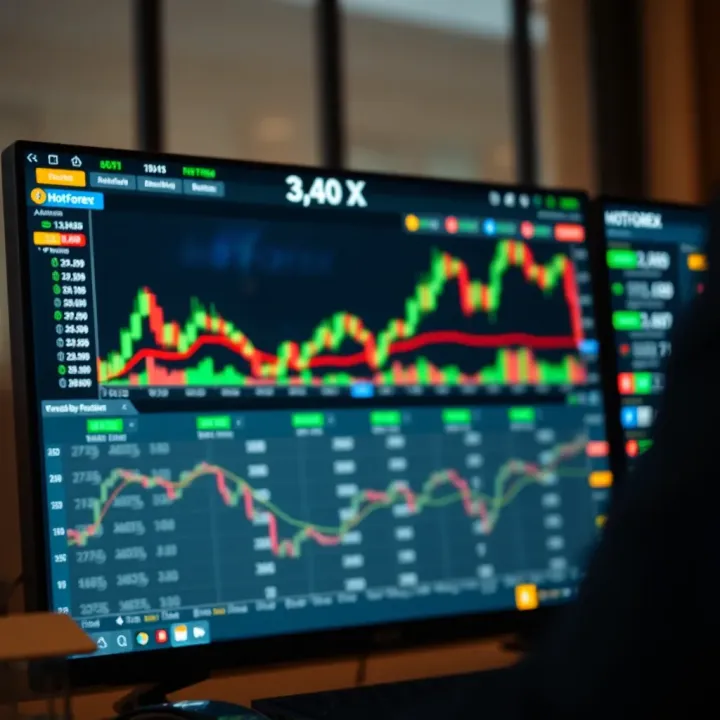
📈 HotForex Kenya offers easy account setup, diverse trading options, secure payment methods like M-Pesa, and clear local regulations for Kenyan traders keen on forex markets.
📈 Discover how to trade forex on Deriv with tips tailored for Kenyan traders! Learn platform features, effective strategies & risk management today.

Explore how Kenyan forex traders can use automated trading bots 🤖, learn about their benefits, risks, software choices, and legal aspects in Kenya 🇰🇪.
Based on 15 reviews