
HotForex Kenya: Your Guide to Forex Trading
📈 HotForex Kenya offers easy account setup, diverse trading options, secure payment methods like M-Pesa, and clear local regulations for Kenyan traders keen on forex markets.
Edited By
Sophie Bennett
Trading forex on your mobile phone is now within reach for many Kenyans, thanks to improved internet access and user-friendly trading apps. If you're new to forex, this guide helps you start confidently by covering the essentials — from choosing a good platform to managing risks.
Why trade forex on your phone? It's convenient, flexible, and lets you react to market moves anytime, anywhere, whether you are commuting in a matatu or sitting at a local café.
However, success doesn't come just from having a phone. You need to understand the market basics and learn how to pick the right tools and strategies tailored for our Kenyan context.
Forex trading involves buying and selling currencies to profit from exchange rate changes. The most traded pairs include USD/KES, EUR/USD, and GBP/USD, which are especially relevant for Kenya's import-export and remittance flows.
Before you begin, remember that forex trading carries risks — the market can move quickly, and losses are possible.
In this guide, you'll find practical steps:
Selecting trading platforms with features like M-Pesa integration for quick deposits and withdrawals
Setting up trading accounts with trustworthy brokers regulated in Kenya or by international bodies
Using apps that work well with local internet speeds and mobile devices
Understanding basic terms like pips, leverage, and spread
Simple tips on risk management to protect your funds
With clear guidance, you won’t just dive blindly into trading but build a steady foundation. This makes it easier to spot opportunities and manage your trades without running into common pitfalls.
Start prepared, stay informed, and take control of your forex journey right from your phone.
Understanding the basics of forex trading is essential before you start investing your money, especially on your mobile phone where decisions are often fast-paced. Forex trading involves buying and selling currencies on the global market, aiming to profit from fluctuations in exchange rates. For a Kenyan trader, knowing these fundamentals helps avoid costly mistakes and builds confidence in navigating the market.
Forex trading, often called FX trading, is the exchange of one currency for another at a specified price. This market runs 24 hours on weekdays, allowing you to trade whenever you want. For instance, if the Kenyan shilling weakens against the US dollar, you can buy dollars at a lower rate, hoping to sell them at a higher price later. Unlike shares or commodities, forex trading deals with currencies, so global economic events, interest rates, and political stability directly affect prices.
Certain currency pairs matter more to Kenyan traders due to their relevance to our local economy and trade. The most traded pairs often include:
USD/KES: The US dollar and Kenyan shilling, crucial as Kenya trades a lot with the US and many commodities are priced in dollars.
EUR/USD: Euro and US dollar, this pair captures major global economic moves.
GBP/USD: British pound versus the US dollar, important considering historical trade links and diaspora remittances.
USD/JPY: US dollar and Japanese yen, influences from Asia’s economy.
Knowing these pairs helps you stay focused and reduce complexity as you start trading.
Forex markets operate through a network of banks, brokers, and individual traders who connect electronically. Trading happens over-the-counter (OTC), meaning there's no physical exchange like a stock market. Instead, transactions occur via platforms on your phone or computer. Price movements depend on supply and demand, influenced by factors like interest rates set by central banks, geopolitical news, or economic reports.
The forex market’s round-the-clock nature means you can trade during Kenyan business hours or late at night, which suits mobile trading.
Since the market never sleeps, your phone becomes your trading desk, and understanding how and when the market moves keeps you alert to opportunities and risks.
Grasping these basics sets a strong foundation. From here, you can delve into choosing the right apps, managing risks, and eventually trading with more confidence.
Choosing the right mobile forex trading app makes a significant difference for Kenyan traders. The app serves as your trading hub, letting you buy and sell currencies, monitor markets, and manage your investments anytime and anywhere. A poor app experience can cost you opportunities or even lead to costly mistakes, especially when markets move fast.
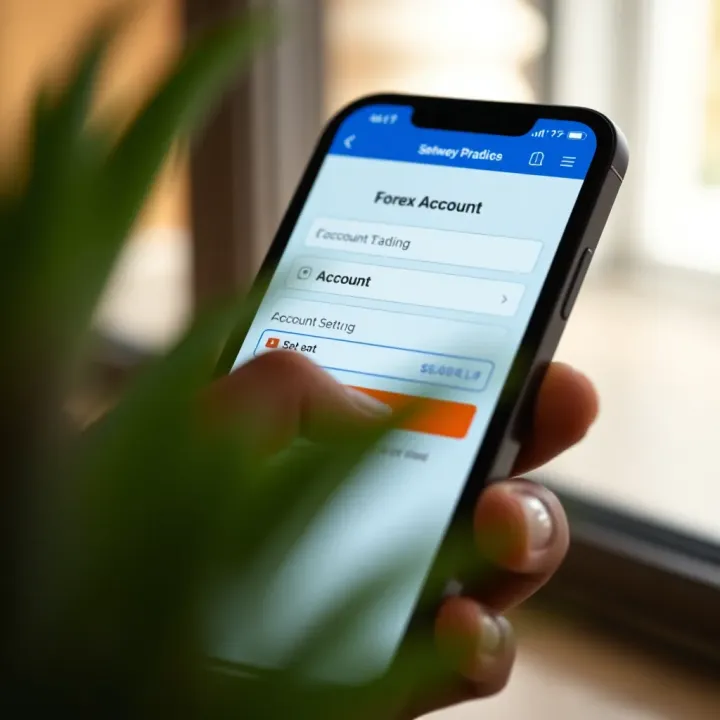
Not all trading apps are built the same. Look for an app that offers real-time price updates and fast execution speeds to keep you ahead. For instance, an app with a delay of just a few seconds during volatile market movement can mean a missed trade or unexpected loss. User-friendly design matters too; complex interfaces can overwhelm beginners.
Essential tools include technical indicators, charting options, and financial news feeds within the app. Alerts and notifications help you catch price changes or margin calls without constantly staring at your screen. Also, check if the app supports various order types like market, limit, and stop-loss orders to manage your trades better.
Several apps have gained popularity among Kenyan traders because of local relevance and support. MetaTrader 4 and 5 are widely used, thanks to their robust features and compatibility with many brokers. Plus500 offers a clean interface and straightforward access for beginners.
Some local brokers like EGM Securities and Aibidian also provide mobile platforms tailored to Kenyan traders, including direct M-Pesa integration for easy funding. While global giants like XM and FXTM cater to Kenyans, local brokerage apps often offer customer service in Swahili and support for Kenyan market hours, which many traders appreciate.
Safety should be your top priority when picking a forex trading app. Make sure the broker behind the app is regulated by reputable bodies such as the Capital Markets Authority (CMA) of Kenya, the Financial Conduct Authority (FCA) in the UK, or equivalent authorities. Regulation ensures the broker follows strict rules protecting your funds and personal details.
Avoid apps linked to unregulated brokers, as they carry higher risks of fraud or sudden shutdowns. Always confirm that the app uses encryption protocols to protect your data. Reviews and feedback from other Kenyan traders also provide insight into the app’s reliability and customer support.
Without a secure, user-friendly and well-regulated app, trading forex on your mobile can quickly turn risky. Choose wisely to set yourself up for clearer trading decisions and fewer headaches.
Selecting the right mobile forex trading app sets the foundation for your success in the Kenyan forex market. Pay close attention to features, local relevance, and safety to make your trading journey smoother and more profitable.
Opening and managing a forex trading account on your mobile is the crucial step where you move from just learning about forex into actual trading. This section shows you how to get started practically—creating your account, funding it with ease through M-Pesa or other methods, and understanding different account types and leverage. All these steps must align well with Kenya’s local payment systems and regulatory standards to ensure smooth, secure trading.
Creating a forex trading account usually involves filling out personal details such as your full name, date of birth, and contact information. For Kenyan traders, brokers require verification documents like your National ID or passport and proof of address, often a utility bill no older than three months. This process confirms your identity and keeps you compliant with anti-money laundering rules.
Verification can take from a few hours to a couple of days depending on the broker. Some mobile apps allow you to take pictures of your documents directly, saving you the hassle of scanning or uploading from a computer. Make sure to provide clear and legible copies to avoid delays.
Brokers regulated by the Capital Markets Authority (CMA) are more trustworthy and offer safer trading environments for Kenyan users.
Funding your forex account should be straightforward. In Kenya, M-Pesa is the most common and convenient option for deposits. Many forex brokers accept direct M-Pesa payments via Lipa Na M-Pesa till numbers or Paybill services connected to their trading platforms.
Besides M-Pesa, some brokers also accept bank transfers through local banks like KCB or Equity Bank, as well as international payment gateways like Skrill or Neteller. Choose options with low fees and fast processing times.
For example, if you want to fund KS0,000, check if your broker’s minimum deposit amount matches this and if the service charges any transaction fees. This helps avoid surprises and ensures your funds reach your trading account quickly.
Forex brokers usually offer different account types—standard, mini, or micro accounts—each catering to various capital sizes. Beginners in Kenya often start with mini or micro accounts where minimum deposits are lower, allowing you to learn without risking large sums.
Leverage means trading with borrowed funds to increase your market exposure. For example, a leverage of 1:100 lets you control KS00,000 in the market with just KS,000 in your account. While leverage can multiply profits, it also raises risks; losses can exceed your initial deposit if you’re not cautious.
Kenyan regulators cap leverage for retail traders, so ensure you understand the leverage limits imposed by your broker and don’t overextend yourself. Always use leverage responsibly and combine it with solid risk management strategies.
Setting up your forex account correctly on mobile is the foundation of successful trading. With verified identity, easy funding methods like M-Pesa, and clear understanding of account options and leverage, you’ll be ready to take on the forex market with confidence.
Trading forex on your phone offers great flexibility, but it also comes with risks that can wipe out your capital quickly if you're not careful. This section covers essential strategies and practical risk management tips to help you build confidence without losing your shirt.
A demo account acts like a practice field, allowing you to trade with virtual money before putting real cash at stake. Many mobile forex apps offer demo accounts to help new traders familiarise themselves with how orders, charts, and spreads work without pressure. For example, you can try buying and selling USD/KES on a demo account to see how price changes affect your profit or loss. Using a demo account lets you test strategies and understand market behaviour while protecting your wallet.
Starting simply is key. One popular beginner strategy is the 'trend-following' method. If the price of EUR/USD is steadily climbing, you enter a buy order expecting the trend to continue. You can identify trends using basic tools like moving averages on your app's charts. Another easy approach is the 'breakout strategy' — when the price breaks a notable resistance or support level, you trade expecting further movement in that direction. For instance, if GBP/USD breaks above a resistance at 1.3900, you might buy anticipating it will go higher.
It's best to avoid complex strategies like scalping or heavy indicators when starting. Stick to clear, manageable moves while studying market basics.
Risk management is the backbone of successful trading. Always decide beforehand how much capital you’re willing to lose on a trade — typically no more than 1-2% of your account balance. Use stop-loss orders on your mobile app to automatically exit losing trades and protect your account.
Avoid chasing losses by doubling down on bad trades; this can drain your funds fast. Also, resist the temptation to overtrade just because it’s easy on the phone. Instead, pick quality trades over sheer quantity.
Effective risk management means controlling losses so you stay in the game long enough to catch winning trades.
In summary, start trading on your mobile with demo accounts to gain confidence. Choose simple, clear strategies that suit your pace and skill level. Most importantly, manage risks carefully and avoid common blunders that derail many beginners. This approach helps you trade with discipline and build a solid foundation.
Keeping a close eye on your trades is essential for success in forex trading, especially when using a mobile phone in Kenya’s fast-moving market. Monitoring lets you spot trends early, manage risks effectively, and respond quickly to market shifts that can happen any time — day or night. Without regular checks, even well-planned trades can turn sour, costing you hard-earned KSh.
Most mobile forex trading apps come packed with tools that help you analyse market data without needing a full desktop setup. These include live price charts, trend indicators like moving averages, and oscillators such as the Relative Strength Index (RSI). For instance, a Kenyan trader following the USD/KES pair can use these tools to identify when the shilling is strengthening against the dollar and decide whether to buy or sell. Many apps also offer drawing tools to mark support and resistance levels, allowing you to visualise key price points.
Besides technical tools, keep an eye on economic calendars integrated into some apps. These alert you to events like CBK announcements or the US Federal Reserve rate decisions, which often trigger forex volatility. The thing is, doing your analysis on the go means you don’t miss out on trading opportunities while away from a computer.
Alerts are your best friend to stay informed without staring at your phone all day. Most trading apps allow you to set customised price alerts or notifications for key market events. For example, you can set an alert to notify you when EUR/USD hits a specific level or when a major economic report is about to be released.
These notifications give you the edge to act fast. Say the US dollar suddenly gains strength due to economic data; your alert can prompt you to review and adjust open trades before losses pile up. Plus, you can schedule alerts for your stop-loss and take-profit levels, ensuring your trades close automatically when they hit your set goals.
Knowing when to exit or tweak your trades is as important as deciding when to enter. If your trade moves in your favour, it can be tempting to hold on for bigger gains. However, market conditions can change abruptly — maybe because of unexpected news or shifts in sentiment.
On your mobile app, monitor your trade’s performance daily. If a currency pair you bought starts to drop consistently, consider closing the trade to minimise losses. Alternatively, you might adjust your stop-loss closer to the current price to lock in some profits, a technique called a trailing stop.
For example, if you bought GBP/USD at 1.3800 hoping for a rise, but it falls to 1.3700, you might decide to close. On the flip side, if the pair moves to 1.3900, adjust your stop-loss from 1.3800 to 1.3850 to protect part of your profit.
Successful Kenyan forex traders treat monitoring not as a chore but a daily habit. Use your mobile tools to stay alert, set smart notifications, and be ready to act — that’s how you keep control over your money and not the other way round.
Regularly tracking and adjusting trades on your mobile breaks down the complexity and keeps you flexible. With practice, these skills become second nature, paving a steadier path into forex trading.
📈 HotForex Kenya offers easy account setup, diverse trading options, secure payment methods like M-Pesa, and clear local regulations for Kenyan traders keen on forex markets.
📊 Learn forex trading basics in Kenya, from understanding currency pairs to using platforms and managing risks. Get practical tips and avoid common mistakes. Start strong today!
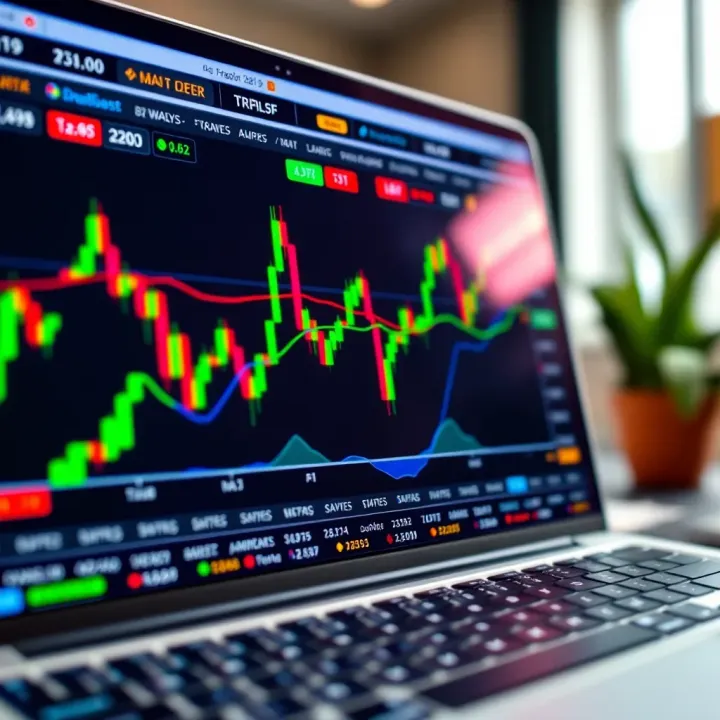
📈 Discover how to trade forex on Deriv with tips tailored for Kenyan traders! Learn platform features, effective strategies & risk management today.

Explore how Kenyan forex traders can use automated trading bots 🤖, learn about their benefits, risks, software choices, and legal aspects in Kenya 🇰🇪.
Based on 13 reviews