

Deriv Forex Trading Guide for Kenyan Traders
📈 Discover how to trade forex on Deriv with tips tailored for Kenyan traders! Learn platform features, effective strategies & risk management today.
Edited By
Henry Collins
Forex trading is quickly gaining traction among Kenyans looking to diversify their income streams. In simple terms, forex trading means buying one currency and selling another simultaneously, aiming to profit from changes in exchange rates. Unlike the stock market, the forex market operates 24 hours on weekdays, thanks to time zone differences across global financial centres.
Understanding forex trading starts with grasping currency pairs. For example, the USD/KES pair shows how many Kenyan shillings it takes to buy one US dollar. When the dollar strengthens against the Kenyan shilling, this pairs rate rises, offering opportunities for profit if you correctly predict the movement.
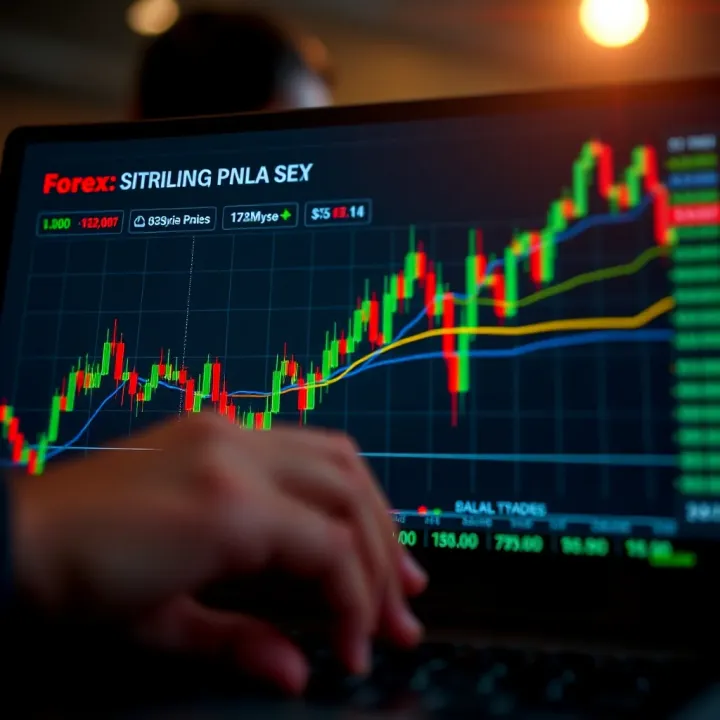
Successful forex trading rests on a few essential tools:
Trading platforms: These are software like MetaTrader 4 or cTrader where you execute trades, analyse charts, and manage your account.
Indicators: Tools like moving averages or RSI help identify trends or market momentum.
News sources: Economic announcements from bodies like CBK or US Federal Reserve impact currency values significantly.
Traders in Kenya often use mobile-based platforms supported by M-Pesa for quick deposits and withdrawals, which makes the process smoother even for those outside Nairobi.
Risk management cannot be overstated. Setting stop-loss orders helps protect your capital if the market moves against you. Beginners should limit the amount of their portfolio risked on each trade, generally no more than 1-2%.
Common pitfalls include overtrading during volatile times or chasing losses after a bad trade. It's wiser to trade with a clear plan and realistic expectations.
To get started, open a demo trading account offered by major brokers to practise without real money. Once confident, fund your live account with an amount you can afford to lose.
Remember, forex trading is not a quick rich scheme but a skill developed over time. With discipline, a solid understanding of market movements, and careful money management, you can build a rewarding side hustle or more serious investment avenue.
This guide will walk you through the basics, platform selection, trading strategies, and the regulations you should know as a Kenyan trader.
Understanding the basics of forex trading is the first step to navigating the world of currency markets confidently. For anyone interested in trading forex in Kenya — whether as a side hustle or a serious investment — grasping the core concepts helps avoid costly mistakes and recognise genuine opportunities. Without a solid foundation, it’s easy to get overwhelmed by the jargon and fast-moving markets.
Forex trading, or foreign exchange trading, involves buying one currency while simultaneously selling another. Essentially, it’s the process of exchanging one currency for another, like swapping Kenyan shillings (KES) for US dollars (USD). This activity happens daily all over the world as businesses, investors, and travellers convert currencies.
The forex market operates on a 24-hour cycle, with trading sessions shifting from Asia to Europe and then to North America. Traders in Nairobi, for example, can join during the London session when the market is particularly active. This global operation makes forex highly liquid — traders can enter or exit positions quickly because of the large volume of transactions.
Unlike stock markets, which are centralised and have fixed hours, forex trading happens over-the-counter (OTC). There isn’t a central exchange; instead, trading takes place electronically between banks, brokers, and individual traders worldwide. This system allows for continuous price movements, reflecting factors like interest rates, economic news, or political events.
Forex stands apart from other markets mainly due to its size and accessibility. The forex market is the largest in the world, with daily trading volumes often exceeding $6 trillion (about KSh 700 trillion). Compare this with the Nairobi Securities Exchange (NSE), whose daily turnover is much smaller.
Another key difference is leverage. Forex traders can control large positions with relatively small capital, making it both potentially profitable and risky. Also, forex markets focus on currency pairs rather than individual assets like stocks or bonds, requiring a distinct strategy to analyse price movements.
Currencies are always traded in pairs, such as USD/KES or EUR/USD. In these pairs, the first currency is the base currency and the second is the quote currency. The price shows how much of the quote currency you need to buy one unit of the base currency. For example, if USD/KES is 110, it means 1 USD costs 110 Kenyan shillings. Recognising this helps traders understand the real cost and value of trades.
A pip is the smallest price movement in a currency pair and represents a tiny change in value. For most pairs, it’s the fourth decimal place. So, if USD/KES moves from 110.0000 to 110.0001, that’s a 1-pip change. This might seem small but matters significantly when trading larger amounts.
A lot is the standard amount of currency you trade. A standard lot is 100,000 units of the base currency, but many brokers offer mini or micro lots for smaller trades. Understanding lots and pips lets you calculate profits and losses accurately.
Every currency pair has a bid price (what buyers are willing to pay) and an ask price (what sellers want). The bid is always lower than the ask. For example, if USD/KES has a bid at 109.95 and an ask at 110.00, you would sell at 109.95 and buy at 110.00. Knowing these figures helps traders decide when to enter or exit trades.
The spread is the difference between the bid and the ask price, often how brokers make their money. Tight spreads mean lower trading costs and better chances to profit, especially for short-term traders.
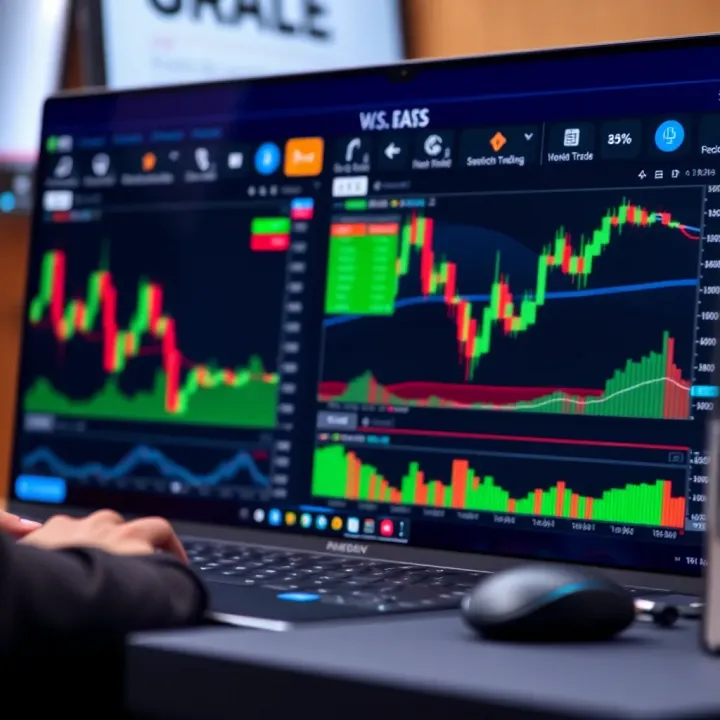
Leverage lets you control a large position by borrowing funds from your broker. For example, 1:100 leverage means with KS,000 you can trade KS00,000 worth of currency. While this multiplies gains, it also increases losses, so using leverage wisely is key to lasting in forex trading.
Getting conversant with these basics helps any new trader avoid confusion and make smarter trading decisions in Kenya’s forex market.
Understanding these concepts sets you up for success when moving on to platform selection, analysis, and actual trading steps outlined in later sections.
Before you can make your first forex trade, setting up properly is crucial. This stage lays the foundation, helping you avoid unnecessary trouble and losses later on. You'll need to pick a trustworthy broker, understand the trading platforms you’ll use, and set up accounts and payment methods that suit your needs. Setting up right means getting yourself ready to trade confidently and efficiently.
Selecting the right broker starts with ensuring they are regulated and licensed, especially here in Kenya. The Capital Markets Authority (CMA) oversees licensing of forex brokers, which means working with CMA-approved brokers reduces risks like fraud or unfair trading practices. For example, a broker regulated by CMA must comply with strict rules on client fund protection and transparent pricing.
Broker fees can have a big impact on your profits. Common fees include spreads—the difference between the buy (ask) and sell (bid) prices—and commissions on trades. Some brokers may also charge withdrawal or inactivity fees. As a Kenyan trader, these costs add up, so it’s smart to compare fees between brokers. For instance, a broker with tight spreads but high commissions might be more costly than one with slightly wider spreads but no commission.
Local payment options like M-Pesa are especially important for Kenyan traders. M-Pesa allows quick and secure deposits and withdrawals without needing a bank account. Many international brokers now accept M-Pesa payments, avoiding the hassle of international wire transfers or currency conversion fees. This convenience makes funding your trading account easier and faster.
MetaTrader 4 (MT4) and MetaTrader 5 (MT5) are the most popular platforms worldwide, including Kenya. They provide reliable, user-friendly interfaces allowing traders to view real-time price charts, execute trades, and use technical analysis tools. MT5 is newer and supports more advanced features, but MT4 remains preferred by many beginners for its simplicity.
Learning to read charts and use basic features like indicators helps you spot trends and decide when to trade. For example, moving averages smooth out price data, making it easier to see if the market is trending up or down. Candlestick patterns can also reveal market sentiment. Getting familiar with these will improve your trading decisions.
Demo accounts offered by brokers let you practise trading without risking real money. This hands-on experience is invaluable for beginners to understand how orders work, test strategies, and get comfortable with the platform. For example, you might try placing buy and sell orders on a demo account to see how stop-loss levels protect against big losses before moving to real trading.
Setting up your trading environment carefully, including picking the right broker and mastering the platform, makes a big difference in your forex journey. It keeps risks low and builds your confidence step by step.
Understanding how to analyse the forex market is a key skill for anyone serious about trading currency pairs. It helps you make informed decisions instead of relying on guesswork. When you can interpret market movements and underlying economic factors, you position yourself to spot opportunities and manage risks better.
There are two main ways to analyse forex: fundamental and technical analysis. Each offers a different view of the market but can be combined for a clearer picture. For example, following economic news gives insight into why a currency might rise or fall, while reading price charts helps you time your trades.
Economic news and indicators often move forex rates significantly. Reports like GDP growth, employment figures, or trade balances reveal a country's economic health, influencing its currency value. For instance, if Kenya’s inflation rate jumps unexpectedly, traders might sell the Kenyan shilling, anticipating central bank action or reduced purchasing power.
Interest rates are especially influential. When the Central Bank of Kenya raises rates, the shilling often gains strength because higher returns attract investors. Inflation is another factor; rising inflation can weaken a currency as it erodes buying power. Political events like elections or policy changes also cause swings. A stable government may boost confidence, while unrest can cause sharp declines.
Reliable sources for economic data are essential. Kenyan traders should follow announcements from the Central Bank of Kenya (CBK), Kenya National Bureau of Statistics (KNBS), and reputable news outlets like Business Daily or Daily Nation’s business sections. International sources like Bloomberg or Reuters also provide timely global updates.
Keeping up with the calendar of economic releases helps prevent surprises and keeps your trades aligned with market realities.
Reading price charts is the foundation of technical analysis. They show how a currency pair has moved over time so you can identify patterns and trends. For example, noticing a steady uptrend in USD/KES over several weeks may indicate continued strength for the US dollar.
Common indicators assist in confirming trends or signalling potential reversals. Moving averages smooth out price data to highlight trends. If the short-term average crosses above the long-term average, it often signals a buy opportunity. The Relative Strength Index (RSI) measures if a currency is overbought or oversold, guiding entry and exit points.
Support and resistance levels mark price points where buying or selling tends to intensify. These act like floors and ceilings. For example, if EUR/USD repeatedly drops to 1.1000 but doesn’t fall further, that price is a support level. Recognising these helps you set stop-loss orders and plan your trade exits more effectively.
Combining these technical tools with a solid grasp of fundamentals offers a more balanced and practical approach to forex trading. It’s how many successful traders navigate the market’s ups and downs in Kenya and beyond.
Getting started with forex trading needs more than just knowing what currency pairs or pips mean. You must take practical steps to open an account, fund it, and place your first trades safely. This section explains those steps clearly, focusing on how Kenyan traders can approach this process with confidence and avoid early mistakes.
Kenyan traders often find several account types offered by brokers, including standard, mini, and micro accounts. Standard accounts require more significant deposits and suit traders who want to invest larger amounts, while mini and micro accounts allow smaller deposits suitable for beginners or those testing strategies. For example, a micro account may need as low as KSh 1,000 to start, easing beginners into live trading without major risk.
When it comes to funding your account, many brokers now accept M-Pesa and bank transfers, both widely used in Kenya. M-Pesa funding is especially practical since it’s fast, and you can do it from your phone without visiting a bank. Bank transfers may take longer but are useful for higher amounts. Some brokers also offer options like Airtel Money or credit cards. Always check the broker’s minimum deposit and withdrawal fees before committing.
Setting up risk limits is a vital step to protect your capital. You should make use of stop-loss orders, which automatically close your trade if the market moves against you beyond a set point. This prevents massive losses during unpredictable market swings. For instance, if you buy the USD/KES pair at 110.00 and set your stop-loss at 109.50, your trade closes automatically if the price dips below 109.50, limiting your loss.
Buying and selling currency pairs involves predicting whether a base currency will strengthen or weaken against the quote currency. To buy is to go long, meaning you expect the currency to rise; to sell or go short means you expect it to fall. For example, if you believe the euro will strengthen against the US dollar, you buy EUR/USD.
Traders choose between market orders, which execute immediately at current prices, and pending orders, which set a price point at which the trade will execute automatically later. Use a market order if you want to enter quickly, especially during news releases. Pending orders help you catch price movements without watching charts all day. For example, setting a buy stop order above a resistance level can capture upward momentum once breached.
After opening trades, monitoring is key. Keep an eye on your positions regularly and be ready to close them manually if the market moves unexpectedly or your target profit is reached. Closing positions early might sometimes save you from larger losses or lock in gains before a reversal. Many platforms alert you when your stop-loss or take-profit is hit, but staying alert adds control.
Starting forex trading with clear practical steps helps manage risks and build confidence. By choosing the right account, funding it conveniently, using stop-losses, and knowing how to place and monitor trades, Kenyan traders can step into the market with a solid foundation.
Managing risks is a core part of forex trading, especially for beginners. Without proper risk control, even a small market move can lead to big losses. This section focuses on practical ways you can protect your capital while steadily growing your skills. It also highlights common mistakes that catch new traders off guard, offering tips on how to avoid them.
Setting stop-loss and take-profit levels is essential to keep losses within limits and lock in profits. A stop-loss order automatically closes your trade if the price moves against you by a set amount, preventing runaway losses. For instance, if you buy USD/KES at 110 and set a stop-loss 50 pips below, your trade closes if the price drops to 109.50. On the flip side, a take-profit order secures gains once the price hits a target level, like exiting a trade at 111 to lock in profits. These orders allow you to trade without watching the market constantly and help keep emotions in check.
Appropriate use of leverage means using borrowed funds wisely to avoid magnifying losses. Forex brokers often offer leverage ratios like 1:50 or 1:100, which amplifies your trading power but also your risks. If you use KSh 1,000 with 1:100 leverage, you control KSh 100,000 worth of currency, but a 1% adverse move wipes your capital. Many Kenyan traders jump in with high leverage aiming for quick wins but end up losing more than they expected. Start small with low leverage and increase only as you gain confidence and discipline.
Diversifying trades to minimise risk helps spread exposure across different currency pairs or even different markets. Instead of putting all your money in EUR/USD, you might also consider USD/JPY or GBP/USD. This reduces the chance that one bad move wipes out your entire account. Some traders even combine forex with commodities or indexes for better balance. It's similar to not putting all your eggs in one basket. A well-diversified portfolio cushions against unexpected news from any one country.
Overtrading and emotional decisions often lead beginners to make rash moves. Getting caught up in frequent trades without a clear plan usually drains the account faster than careful trading. Emotions like fear and greed push novices to ignore stop-losses or chase losses by entering more trades recklessly. For example, a trader who just lost KSh 5,000 might double their next trade hoping to recover quickly—and lose even more. Sticking to a trading plan and taking breaks can calm the mind and improve decision-making.
Neglecting demo practice is a common mistake that wastes money and confidence. Demo accounts let you trade with virtual money under real market conditions. Skipping this step means diving in blindly and missing out on learning how platforms work or how prices move. For example, a new trader might not understand how to place a pending order and lose money trying. Practice first to understand basics and test strategies before using real money.
Falling for scams or unreliable brokers is a real risk in the Kenyan forex scene. Some brokers promise guaranteed profits or offer unrealistic bonuses to lure in traders. Others have poor regulation, hidden fees, or slow payouts. Always check if the broker is regulated by recognised bodies like the Capital Markets Authority (CMA) in Kenya. Also, look for brokers with transparent terms, good customer support, and local payment options like M-Pesa to reduce fraud risk.
Managing risks actively and avoiding common traps protect your investment and build a foundation for long-term trading success.
By understanding these risk strategies and pitfalls, you gain practical control over your forex journey. Keep learning, practising, and trading cautiously to grow steadily with less stress.
Improving your forex trading skills is not just about luck or guesswork. It means developing a plan, learning continuously, and using practical tools that help you make informed decisions. Solid skills reduce the risk of big losses and increase the chances of consistent gains, especially in Kenya's dynamic market where global and local factors mix unpredictably.
Setting realistic goals means knowing your limits and ambitions. For example, aiming for steady growth of 2% monthly returns rather than dreaming of doubling your money overnight is more practical. This helps you avoid taking reckless risks just to hit unrealistic targets. Beginners should focus on understanding market behaviours first before chasing quick profits.
Defining entry and exit rules is about having clear criteria for when to start and close trades. Maybe you decide only to buy a currency pair when it breaks a certain price level and sell when it reaches a set profit or loss limit. This stops emotional trading, which often leads to costly mistakes. For instance, using stop-loss orders to limit losses in case the market moves against you is a straightforward way to manage trades.
Regular review and adjustment mean assessing your performance and the effectiveness of your plan frequently. Markets change, so your approach should too. After every trading week or month, check what went well and what didn’t. Adjust your goals or rules based on this insight. For example, if you notice certain strategies consistently lose money, stop using them and try others.
Recommended books and online courses provide structured knowledge and practical techniques. Popular titles like "Trading for a Living" by Dr Alexander Elder or online platforms such as Coursera offer valuable lessons in risk management and analysis. Many Kenyan traders benefit from courses that focus on practical skills and local market conditions.
Following Kenyan and international financial news keeps you updated on factors affecting currency values. Events like CBK’s monetary policy meetings or global political changes can shift forex markets quickly. Using reliable sources like Business Daily or Bloomberg ensures you’re reacting to current developments rather than rumours.
Using trading communities for support helps you learn from others’ experiences. Kenyan-focused groups or online forums provide platforms to discuss strategies, share tips, and avoid scams. For example, joining WhatsApp groups or forums where traders exchange ideas can offer valuable real-time feedback and encouragement, reducing the feeling of going it alone.
Consistent learning and a well-structured plan are key to sharpening your forex trading skills. Without these, even the most promising traders risk losing their edge in fast-moving markets.
📈 Discover how to trade forex on Deriv with tips tailored for Kenyan traders! Learn platform features, effective strategies & risk management today.

Explore how Kenyan forex traders can use automated trading bots 🤖, learn about their benefits, risks, software choices, and legal aspects in Kenya 🇰🇪.

Learn binary forex trading in Kenya 🇰🇪. Get practical tips, understand risks, spot scams, and use strategies to trade smart and secure your investments 💹.
📈 Discover how deriv trading works, its risks & benefits, platforms, strategies, and Kenyan regulations to trade smart and secure your investments wisely.
Based on 13 reviews