

Understanding Deriv Trader for Kenyan Traders
Discover how Kenyan traders can navigate Deriv Trader’s features, strategies, and risk tips to trade smartly on this popular platform 📈🇰🇪
Edited By
Isabelle Turner
Forex trading has grown steadily in Kenya, with many looking to profit from currency fluctuations. However, without proper knowledge, trading can quickly become risky. This is where forex classes come in, offering practical training to help Kenyan traders make smarter moves.
Forex classes are structured courses designed to teach the basics and advanced techniques of foreign exchange trading. They cover everything from understanding currency pairs, reading charts, to risk management and trading psychology. For example, a course might explain how to interpret USD/KES trends or use indicators like the Relative Strength Index (RSI) to decide when to buy or sell.

Kenyan traders, both beginners and those with some experience, benefit from classes as they provide guided learning rather than guesswork. Often, casual traders rely on hearsay or unreliable online tips, which can lead to losses. By contrast, a well-designed forex course gives you a clear path on how to analyse market movements and develop strategies tailored to your trading goals.
The format of these classes varies. Some are held in physical classrooms, especially in Nairobi and Mombasa, while others are available online, allowing access across counties. A typical course lasts between four to eight weeks, combining theory with live trading sessions to apply the concepts directly. For instance, online platforms may use simulated accounts to let learners experience trading without risking real money.
Before enrolling, consider factors like the credibility of the trainer, course content relevance, and costs. Not all providers offer the same quality; some focus more on sales than actual teaching. Check if the course includes support after training, such as mentoring or community groups, which can be invaluable for ongoing learning.
Practical Tip: Look for forex courses that use Kenyan market examples and local currency pairs. This makes the lessons more relatable and applicable to your trading environment.
By investing time in forex classes, Kenyan traders can avoid common pitfalls and approach the market with confidence. Whether you are a casual trader hoping to supplement income or a finance professional aiming to diversify skills, these classes can sharpen your understanding and improve your chances of success.
In the following sections, we'll explore where to find trusted forex classes in Kenya, key aspects to evaluate, and practical tips to get the most from your forex education.
Forex classes help traders understand how to buy and sell currencies in the foreign exchange market. They cover everything from basic concepts like currency pairs and pips, to more advanced ideas such as technical charts and economic indicators. The main goal is to equip traders with clear knowledge so they can make informed decisions rather than guessing. For example, a beginner in Nairobi who learns how to read candlestick charts through a forex class may avoid costly errors that often come from relying on hearsay or unverified tips.
Unlike casual research or scattered YouTube videos, forex classes offer a structured path. They typically combine theory with practical lessons, guiding learners step-by-step through trading strategies, order types, and how to use trading platforms like MetaTrader 4 or 5. This structured learning is especially valuable in Kenya’s growing market where new traders need solid foundations to compete and succeed.
Going through a well-organised forex class saves you time and energy. Instead of hunting for bits of information, you get a clear roadmap that builds your skills progressively. This reduces confusion and increases confidence when placing your first real trades. For instance, a trader in Mombasa might struggle with managing risks until they attend a class that emphasises stop-loss orders and position sizing – practical lessons that help protect their capital.
Structured classes also allow interaction with experienced tutors who explain market nuances and answer questions specific to the Kenyan context, such as how to navigate local banking channels like M-Pesa for deposits and withdrawals. Moreover, many Kenyan forex classes highlight the importance of discipline and psychology, which is often overlooked but crucial to avoid emotional mistakes.
A structured forex class turns individuals into sharper market players by giving them tested tools and insight specific to their trading environment.
Finally, these classes help build networks. Meeting other traders through local or online classes means sharing ideas and strategies, which can be a real help given the unpredictability of global currency markets. In Kenya’s fast-evolving trading scene, this connection can separate hopeful beginners from consistent earners.
In summary, forex classes are not just lessons; they’re practical training that saves Kenyan traders from costly mistakes while cementing foundation skills necessary for long-term success.
Forex training courses often focus on three main areas: basic concepts and terminology, technical and fundamental analysis, and risk management with trading psychology. These elements build the foundation for consistent trading decisions and help Kenyan traders adapt to market changes.
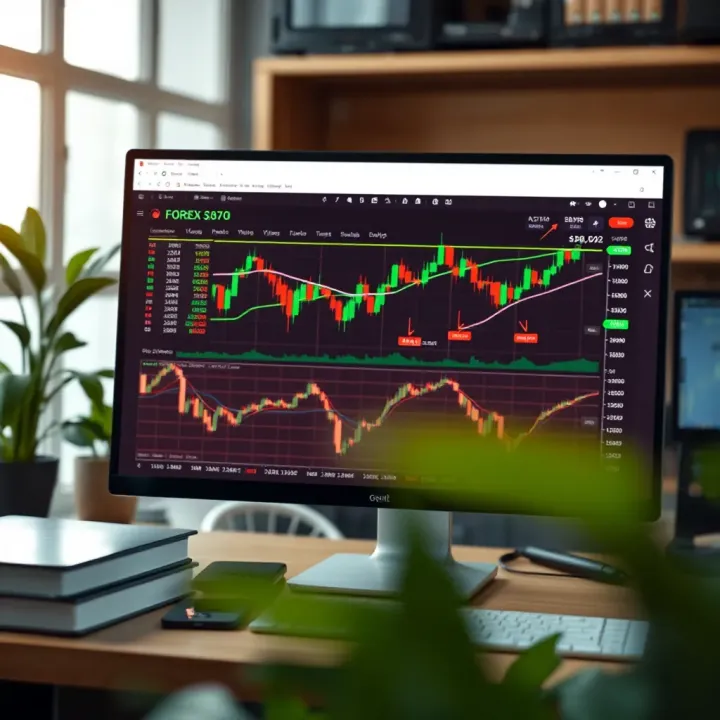
Understanding forex lingo is essential before placing any trade. Training covers currency pairs like USD/KES, pip values (the smallest price move), spreads (the difference between buying and selling prices), and leverage. For example, knowing how leverage works can explain why a small market move can lead to big profits or losses. Clear grasp of terms avoids confusion that can lead to costly mistakes, especially for beginners starting with brokers registered by Capital Markets Authority (CMA) Kenya.
Technical analysis involves reading charts and indicators to predict market direction. Common tools taught include moving averages, the Relative Strength Index (RSI), and support/resistance levels. These help spot entry and exit points. On the other hand, fundamental analysis looks at economic factors like interest rates set by the Central Bank of Kenya (CBK), inflation reports, or geopolitical events affecting currencies. For instance, if CBK raises rates, the Kenyan shilling might strengthen, influencing USD/KES trades. Combining both analyses gives traders a fuller picture to base decisions on, rather than guessing.
No forex course is complete without a focus on protecting capital and managing emotions. Risk management means setting stop-loss orders and deciding how much of your trading capital to risk on a single trade — usually 1-2%. For example, risking KSh 500 on a trade from a KSh 50,000 account limits losses to manageable levels. Trading psychology covers discipline, controlling greed or fear, and avoiding chasing losses. In Kenyan markets known for volatility, this helps traders stick to plans rather than making impulsive moves due to panic or excitement.
Mastering these three areas can turn the chances of becoming a consistent forex trader in Kenya from slim to realistic. Without a solid understanding, many fall into common traps that cost them both cash and confidence.
Each of these elements is practical and tailored in good forex classes to Kenyan trading conditions, where local economic influences and broker choices matter. By covering these topics well, you gain clarity, structure, and the tools needed to navigate forex markets with more confidence and less guesswork.
Kenya's forex market is growing fast, and many traders want to improve their skills. Choosing the right learning option matters to build confidence and avoid common pitfalls. Traders in Kenya can find forex learning through local centres, online platforms, or a mix of free and paid resources. Each option comes with its own benefits and challenges.
Local training centres offer hands-on, face-to-face guidance, which suits many who prefer learning in person. Institutions like the Nairobi School of Financial Trading provide structured courses covering fundamentals to advanced strategies. These centres often include live demonstrations and direct interaction with experienced instructors, making complex concepts easier to grasp.
One example is the Kenya Forex Academy, which blends classroom sessions with practical trading exercises on demo accounts. This setup helps learners practise without risking real money. However, local classes may require more time commitment and travel, which not everyone can manage, especially those in smaller towns.
Online forex courses offer flexibility, allowing you to learn anytime without leaving home. Platforms like Udemy, Coursera, and even specialised Kenyan sites provide extensive forex materials. Some courses are self-paced; others offer scheduled live webinars.
For instance, the Kenyan online platform FXTrendy provides tailored content addressing local market conditions and regulatory requirements, which is a big plus. Still, with numerous options available, vetting each platform's credibility is essential since not all courses deliver value.
Online learning suits traders who balance work or other commitments but require discipline to follow through without direct supervision.
Free forex resources are abundant online, including YouTube tutorials, blogs, and trading forums. These can provide useful basics and community insights but often lack depth or quality control.
Paid classes, on the other hand, tend to offer comprehensive, structured content with ongoing support, mentorship, and access to trading tools. The cost varies; some charge a few thousand shillings, while others can cost tens of thousands. Paid courses from reputable centres or trainers can save you from costly mistakes by teaching proper risk management and market analysis.
Be cautious when choosing free versus paid options. While free materials can kickstart your learning, investing in a credible paid course usually pays off by shortening your learning curve and sharpening your skills faster.
In Kenya, it's common to combine these approaches—start with free basics, then advance to paid classes for specialised knowledge. Regardless of choice, consistent practice and staying updated with market changes are key to success in forex trading.
By weighing local and online courses alongside free and paid options, Kenyan traders can pick learning paths that fit their schedules, budgets, and trading goals well.
Selecting the right forex class can make a big difference in your trading success, especially in Kenya where market conditions and regulations have unique aspects. A well-suited course not only builds your skills but also fits your schedule, budget, and learning style. This section breaks down the key factors Kenyan traders should keep in mind before enrolling.
The first thing to check is the credibility of the forex class provider. Look for training centres or online platforms that have proven track records among Kenyan traders. For example, some Nairobi-based forex academies have gained respect by offering sessions led by licensed practitioners and experienced brokers familiar with the local forex market. Also, testimonials and reviews from fellow traders can reveal if the provider delivers practical and up-to-date content rather than just theory.
In Kenya, regulatory oversight of training providers is limited, so personal recommendations and word-of-mouth become even more important. Beware of quick-rich schemes or classes promising unrealistic profits. A credible provider will clearly outline course content, trainer qualifications, and support options after the class ends.
Not all forex classes cover the same material or use the same teaching methods. Ideally, choose a class that balances theory with practical exercises. For instance, a course combining live chart analysis, simulated trading on demo accounts, and sessions on risk management will help you build confidence before risking real money.
Traders should also consider whether the class teaches both technical analysis—like reading candlestick patterns—and fundamental analysis related to global news and Kenyan economic factors. For example, understanding how CBK interest rate decisions or East African Community trade developments affect currency pairs can add an edge to your trades.
Additionally, some forex classes emphasise trading psychology, which is often overlooked but crucial. If the course uses interactive formats, group discussions, or mentorship, this can improve retention and application compared to just watching videos or reading slides.
Forex classes range widely in price and length in Kenya, so weigh these factors against your needs. For example, a comprehensive four-week course costing around KS5,000 might be worthwhile if it includes personal mentoring and live practice sessions. On the other hand, a short weekend workshop priced at KS,000 could suit a busy professional testing the waters.
Flexibility matters too, especially if you juggle work and family. Online courses that allow you to learn at your own pace with recorded lessons could fit better than daily in-person sessions. However, some learners thrive in a classroom environment where they can ask questions immediately.
When choosing a forex class, balance credibility, content quality, price, and your personal schedule to ensure the investment matches your trading goals and lifestyle.
In the Kenyan context, remember that the forex market is dynamic and influenced by local and international factors. Choosing a class that respects this and supports you beyond the lessons will help you grow steadily as a trader.
Getting the most from forex classes means actively applying what you learn. Practical exercises and demo trading are crucial because they bridge the gap between theory and real-world trading. For example, many Kenyan forex classes provide demo accounts that mimic live markets without risking actual money. This allows you to practise entry and exit strategies on familiar pairs like USD/KES or EUR/USD before venturing into live trading. By doing so, you build confidence and develop a feel for market movements without financial pressure.
Exercises should not be limited to passive listening or note-taking. Look for courses that include trading simulations, chart analysis tasks, and scenario-based challenges. Demo trading on platforms such as MetaTrader 4 or MetaTrader 5 lets you test multiple strategies over historical data and live feeds. For instance, you might try scalping during African market hours or swing trading based on quarterly economic reports from Kenya or major economies. Practical exposure highlights your strengths and weaknesses, helping you fine-tune your approach before increasing stakes.
No forex journey should be a solo affair. Kenyan traders benefit immensely by joining communities and forums where they can share tips, ask questions, and keep updated on market news. Groups on WhatsApp, Telegram, or platforms like BabyPips Forums provide real-time discussion and peer support. Being part of such communities encourages discipline and exposes you to different trading styles, reminding you that learning is continuous. Kenyan forex trading communities also discuss local factors like political events or weather patterns affecting the shilling, giving more context beyond textbook theory.
After finishing a forex course, your education shouldn't stop. Markets evolve, and staying updated is key. Follow financial news outlets such as Business Daily or The Standard’s business section to track developments impacting forex trading. You can also subscribe to newsletters from brokers like EGM Securities or FXPesa, or attend webinars offered by these firms. Consider reading books by experienced traders or enrolling in advanced courses focusing on algorithmic trading or advanced risk management. Just like learning to ride a boda boda takes practice beyond a classroom, mastering forex requires ongoing effort.
Active practice, community engagement, and ongoing learning combine to deepen your forex skills. Wise Kenyan traders commit to all three to improve decision-making and increase profit potential.
These steps help turn the knowledge gained in forex classes into practical skills that fit Kenya’s dynamic trading environment.
Discover how Kenyan traders can navigate Deriv Trader’s features, strategies, and risk tips to trade smartly on this popular platform 📈🇰🇪

Explore Deriv app for Kenyan traders 📱 Learn about its features, trading tools, account setup, security, and support to trade confidently and safely.

Discover how to pick the best trading bot tailored to your goals. Learn key features, risks, and top options for traders in Kenya 📊🤖📈
📊 Explore derivatives in finance—types, uses, risks, and key contracts explained. A practical guide for investors and businesses in Kenya.
Based on 6 reviews