

Trading Online Forex: Guide for Kenyan Traders
📈 Learn how Kenyan traders can start online forex trading safely with tips on platforms, strategies, regulation, and M-Pesa payments. Trade smart, earn well!
Edited By
Amelia Thompson
The Sydney forex session kicks off trading in the Asia-Pacific region. It typically runs from 10 pm to 7 am East Africa Time (EAT), overlapping with the tail end of the New York session and the early hours of the Tokyo session. For Kenyan traders, this time presents unique opportunities and challenges, given the specific market dynamics at play.
This session is known for moderate volatility compared to London or New York hours but remains crucial for traders focusing on currency pairs linked to the Australian and New Zealand dollars. Since the Sydney market opens when major European markets are closed, liquidity is thinner, which can lead to sudden price spikes or gaps.

Traders must balance careful timing with strategy during the Sydney session to benefit from its particular trends while managing the increased risk due to lower volume.
The pairs most active during Sydney hours share close ties with the Australian and New Zealand economies. These include:
AUD/USD (Australian dollar / US dollar): Reflects economic news from Australia and the US, with commodity prices such as gold and iron ore influencing movements.
NZD/USD (New Zealand dollar / US dollar): Sensitive to New Zealand's dairy exports and economic data.
AUD/JPY (Australian dollar / Japanese yen): Combines Asia-Pacific and Japanese market influences, often moving with risk sentiment.
NZD/JPY (New Zealand dollar / Japanese yen): Similar to AUD/JPY but with New Zealand’s economic nuances.
Besides these, other crosses involving AUD and NZD, like AUD/CAD or NZD/CAD, can show activity depending on global commodity trends.
Trading during the Sydney session calls for:
Awareness of Economic Releases: Key indicators like Australia’s employment figures or Reserve Bank of Australia (RBA) statements can move the market significantly.
Market Liquidity: Be ready for some thin market patches, which may increase spreads and risk of slippage on orders.
Risk Management: Use stop-loss orders diligently, as sudden price gaps can catch traders off-guard.
Strategy Adaptation: Trend following can work during sustained moves initiated by economic releases; range trading may fit quieter hours.
Adopting a strategy aligned with the session’s unique rhythm can help Kenyan traders exploit opportunities before bigger markets take over.
In summary, the Sydney session offers a distinct trading window with specific currency pairs and market behaviours. Understanding these patterns helps position traders better for both risk and reward during the early Asia-Pacific hours.
During the Sydney forex session, the market opens the trading day in the Asia-Pacific region, making it a key period for traders focused on currencies from this part of the world. Understanding this session is vital because it lays the groundwork for the day’s price movements, especially for pairs involving the Australian dollar (AUD) and New Zealand dollar (NZD). For a trader in Kenya, recognising these market rhythms can improve timing for entries and exits, potentially boosting profits.
The Sydney session officially begins at 10:00 pm and runs until 7:00 am Nairobi Time (East Africa Time, UTC+3). This timing overlaps with the Asian market, allowing opportunities as price reacts both to fresh developments and leftover momentum from the previous New York session. For instance, if you’re trading AUD/USD, early moves during Sydney hours can provide hints about the pair’s volatility for the rest of the day.
Sydney sets the tone for Asia-Pacific currency pairs, making it an essential session despite having lower overall volume than London or New York. The session bridges the gap between the quietness of the New York slot and the activity in Tokyo and other Asian centres like Singapore and Hong Kong. Regional economic reports from Australia and New Zealand often get released during this time, shaking up currency prices and creating openings for savvy traders. Equally, global traders use Sydney hours to adjust positions after news from the Americas and before the bigger European markets open.
Liquidity tends to be lower in the Sydney session compared to London and New York, which means spreads might widen, and price can sometimes jump unexpectedly. Volatility is often subdued except when major economic data is released or unexpected events unfold. However, pairs linked to AUD and NZD display more action. For example, on a quiet trading day, EUR/AUD or NZD/USD might trade in a narrow band, but when the Australian Reserve Bank announces a change in interest rates, these pairs can swing substantially even in the Sydney hours.
Traders should prepare for varying liquidity during Sydney hours; smaller orders can move the market more than expected, so applying good risk management is essential.
In summary, the Sydney session offers a unique window for traders interested in the Asia-Pacific region. By knowing its trading hours, influence in global forex, and typical market behaviour, Kenyan traders can better position themselves for profitable trades during these quieter hours.

The Sydney forex session may mark a quieter time for some major pairs compared to the London or New York sessions, but it still offers valuable trading chances, especially for pairs involving the Australian dollar (AUD) and New Zealand dollar (NZD). Understanding which pairs show activity and their behaviour during these hours helps traders plan better entries and exits.
Major pairs like EUR/USD, GBP/USD, and USD/JPY typically experience lower volatility during the Sydney session. This is partly because the European and US markets are closed, reducing overall liquidity. For instance, EUR/USD, which dominates trading during London hours, tends to move in tight ranges early in the Sydney session. However, Kenyan traders should watch the early movements as they can set the tone for the coming Asia-Pacific activity.
Pairs involving AUD and NZD, such as AUD/USD, NZD/USD, and AUD/JPY, come alive in the Sydney session. This happens because those currencies belong to countries in the Asia-Pacific region, and their home markets are opening. For example, AUD/USD often sees increased liquidity and more noticeable price swings from 9:00 pm to 6:00 am Nairobi time when Sydney’s markets are active.
Economic reports from Australia and New Zealand, released during the Sydney session, can trigger sharp moves in these pairs. Kenyan traders focusing on AUD and NZD pairs can benefit by monitoring scheduled releases like the Australian Employment Change or New Zealand Trade Balance. These news events typically lead to wider bid-ask spreads but can also offer good momentum for short-term trades.
Beyond AUD and NZD pairs, cross-currency pairs such as AUD/NZD, AUD/CHF, and NZD/JPY get more attention. These pairs tend to reflect regional economic ties and exhibit moderate volatility during Sydney hours. For instance, AUD/NZD often moves in reaction to NZ and Australian central bank commentary or shifts in commodity prices.
For traders in Kenya, focusing on these pairs during Sydney hours can capture movements less influenced by European or American market noise, providing clearer price signals.
In summary, the Sydney session is particularly useful for traders keen on AUD and NZD pairs, with majors showing limited moves but important early signals. Cross-currency pairs offer additional variety and opportunities tied to regional developments. By tailoring watchlists and strategies around these active pairs, Kenyan forex traders can make informed decisions and better manage risks.
Understanding what drives forex pair movements during the Sydney trading session is essential for traders aiming to take advantage of this period. Several factors shape price action, from economic data releases and regional news to broader market dynamics linked with other global trading sessions. Grasping these influences helps refine entry and exit points and manage risks more effectively.
Economic indicators published by Australia and New Zealand strongly affect the forex pairs active during the Sydney session. Key releases such as the Australian Consumer Price Index (CPI), employment reports, and Reserve Bank of New Zealand (RBNZ) interest rate decisions tend to trigger noticeable price swings, especially on AUD/USD and NZD/USD pairs. For example, an unexpectedly strong jobs report in Australia can boost the AUD, leading to increased volatility during the morning hours in Nairobi (7 pm to 3 am EAT). Traders monitoring the calendar should prioritise these reports as they offer insight into the health of these economies and guide short-term trading decisions.
Beyond scheduled economic data, regional developments also cause fluctuations during Sydney hours. Political announcements, regulatory changes, or disruptions such as wildfires in Australia can impact market sentiment and currency valuations instantly. For instance, when Australian trade relations with China, its biggest trading partner, face tension, it often results in a dip in AUD pairs. Kenyan traders should keep an eye on reliable news platforms covering Australasia to position themselves appropriately and avoid surprises.
Being aware of both scheduled data and breaking news in the Asia-Pacific region boosts preparedness and reduces the risk of being caught off guard.
The Sydney session often overlaps with the tail end of the New York session and just precedes the Tokyo session, creating interlinked market behaviours. Movements in US dollar pairs late in the New York session can set the tone for early activity in Sydney. Similarly, trends emerging during Sydney may foreshadow what the Tokyo market will do. Understanding these overlaps is valuable, as price momentum or reversal signals could persist across sessions. For example, a strong US dollar rally closing New York’s day often leads to subdued volatility early in Sydney but may later gain traction once Asian traders engage.
To sum up, economic releases, regional developments, and session correlations drive the forex pair dynamics during Sydney hours. Kenyan traders focusing on these factors can spot better trading opportunities, implement timely strategies, and manage risks based on a clearer picture of market forces.
Trading during the Sydney forex session demands tailored strategies due to its specific market behaviour. This period often sees lower volatility compared to London or New York sessions, which means Kenyan traders need to adapt their approach for better timing, entry points, and risk management. Focusing on practical methods while understanding the session’s unique traits can improve trading outcomes.
Kenyan traders should leverage their time zone advantage since Sydney opens in the evening Nairobi time (around 9 pm EAT). This makes it feasible to follow market developments without disrupting typical daytime activities. One useful practice is to monitor Australian and New Zealand economic indicators scheduled for release during the session, as these directly impact AUD and NZD pairs. For example, adjustments following the Reserve Bank of Australia's interest rate announcements can create sharp but short-lived price moves.
Using local payment methods like M-Pesa linked to brokers that provide access to Sydney session markets also streamlines the deposit and withdrawal process. Additionally, staying updated with regional news from the Asia-Pacific area helps anticipate market sentiment shifts. Kenyan traders should avoid overtrading in the lower-liquidity environment; sticking to a focused set of pairs such as AUD/USD or NZD/USD is often better than spreading resources too thin.
Sydney session volatility tends to be modest, so timing entries requires patience and precision. Breakout strategies can be less effective at times when price consolidates. Instead, trading range-bound strategies or waiting for clear momentum following economic releases usually works well. For instance, if the market ranges between certain levels overnight, placing conditional orders slightly outside the range at the expected break points helps enter trades with direction confirmation.
Watching the overlap between Sydney and Tokyo sessions, which lasts about an hour, is another window Kenyan traders should consider. This overlap sometimes increases volume enough to create tradable moves. Using technical indicators like the Relative Strength Index (RSI) or Moving Average Convergence Divergence (MACD) can help spot momentum shifts when price action alone looks tame.
Risk management is essential since the Sydney session’s thin liquidity can cause sudden slippage and wider spreads. Kenyan traders should use tighter stop losses to limit exposure while avoiding stops that are too close to normal market noise. Limiting trade sizes during this session also reduces the impact of unexpected volatility.
An effective tactic is to align stop losses with recent support or resistance levels unique to the Sydney session price patterns. Having alerts set for economic release times helps traders prepare to close or adjust positions ahead of potentially erratic price action. For example, exiting a trade before the Australian labour report reduces the chances of adverse slippage.
Focus on selective trades and conservative positions during Sydney hours. Consistent discipline with risk controls often outperforms aggressive attempts in the quieter markets.
By combining these practices—paying attention to session-specific news, using suitable entry techniques for low volatility, and managing risk carefully—Kenyan traders can enhance their performance during the Sydney forex session with confidence and clarity.
Kenyan traders looking to engage with forex markets during the Sydney trading session have unique factors to consider. These practical points range from how to fund accounts locally to timing trades according to Nairobi’s clock. Understanding these details can prevent costly mistakes and improve trading efficiency.
M-Pesa is the backbone of financial transactions in Kenya. Many forex brokers now accept M-Pesa payments, making it easier for Kenyan traders to deposit and withdraw funds without relying on complicated bank wire transfers. For example, platforms like Exness and XM Kenya allow direct M-Pesa deposits and withdrawals, speeding up fund movement and reducing costs.
Besides M-Pesa, some brokers accept local bank cards and mobile wallets like Airtel Money, but M-Pesa remains the most widely used. However, traders should verify if their preferred broker supports these methods and be aware of transaction limits and fees that may apply.
Not every forex broker offers access to all market sessions equally. Traders interested in Sydney session pairs — especially AUD and NZD crosses — must choose brokers providing reliable liquidity and competitive spreads during Sydney hours. Kenyan traders should look out for brokers regulated by recognised authorities such as the Capital Markets Authority (CMA) in Kenya or international ones like ASIC in Australia.
Additionally, local support and payment ease matter. Brokers with customer care offices in Nairobi or who provide Swahili support often make a big difference when quick problem resolution is needed. Also, ensure the broker’s trading platform is compatible with commonly used devices in Kenya, like mid-range smartphones.
The Sydney session opens at 9:00 am AWST, which corresponds to 12:00 pm Nairobi time during East Africa Time (EAT). For Kenyan traders, this means the session overlaps with mid-morning to early-afternoon local hours.
Traders must plan their schedules to monitor the market actively, especially to catch important economic releases from Australia and New Zealand. For example, the Reserve Bank of Australia’s interest rate announcements typically happen in the early morning Sydney time, so Kenyan traders should be ready around midday.
Because the Sydney session tends to have lower volatility compared to London or New York, traders might combine their Sydney trades with preparation for the London session later in the afternoon Nairobi time. This scheduling can help Kenyan traders optimise their day and balance active market hours with other commitments.
Kenyan forex traders who adopt practical payment methods, choose brokers wisely, and align their trading hours properly stand a better chance of capturing opportunities during the Sydney session. These considerations help bridge the local trading environment with global market rhythms seamlessly.
In summary, staying practical with payment services like M-Pesa, picking brokers that prioritise Sydney session access, and adjusting your watch to Nairobi’s time zone are simple steps that make Sydney session forex trading more accessible and potentially more profitable for Kenyan traders.
📈 Learn how Kenyan traders can start online forex trading safely with tips on platforms, strategies, regulation, and M-Pesa payments. Trade smart, earn well!
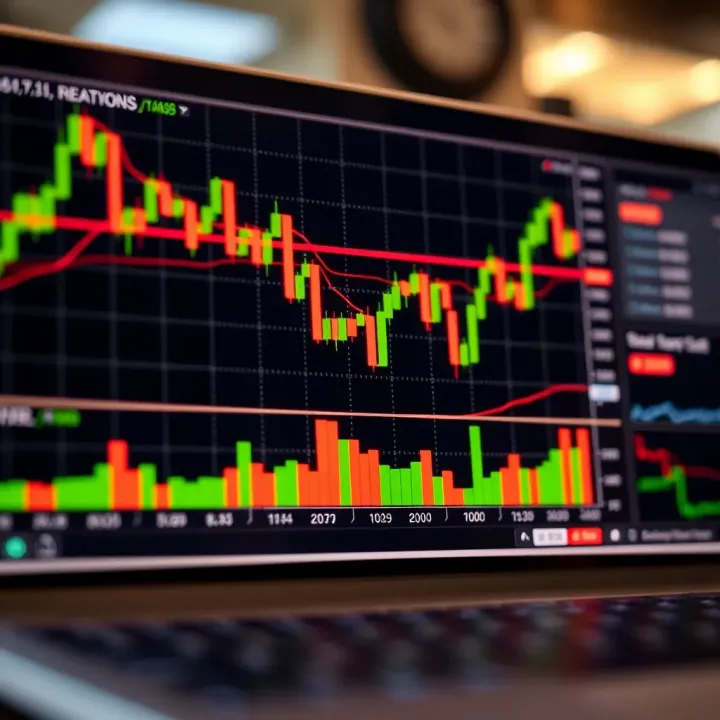
Learn forex trading basics and practical steps with this detailed guide for beginners 🇰🇪. Master key strategies, risk management, and top PDF resources to trade confidently.

📈 Learn forex trading step by step with practical tips, key strategies, and risk management. Access free PDFs for a clear start in forex trading, perfect for Kenyan traders.
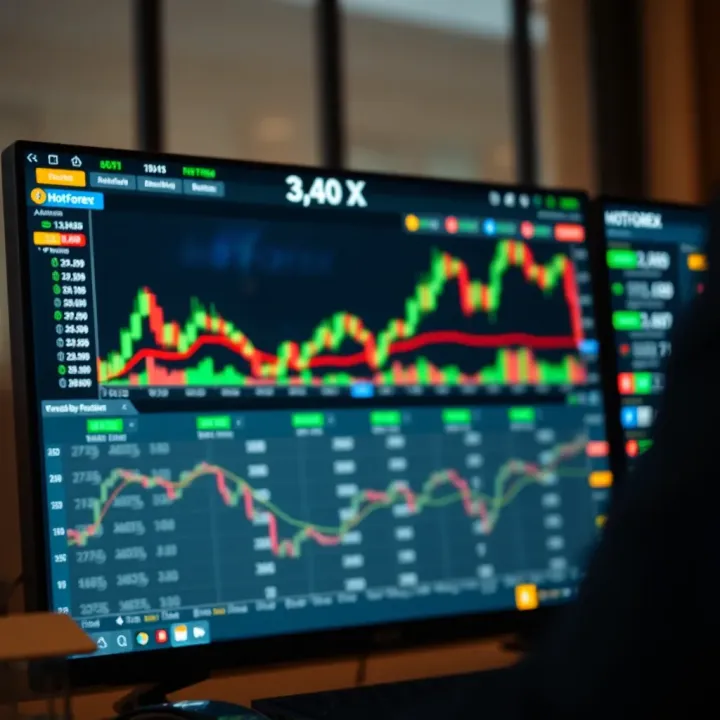
📈 HotForex Kenya offers easy account setup, diverse trading options, secure payment methods like M-Pesa, and clear local regulations for Kenyan traders keen on forex markets.
Based on 8 reviews