
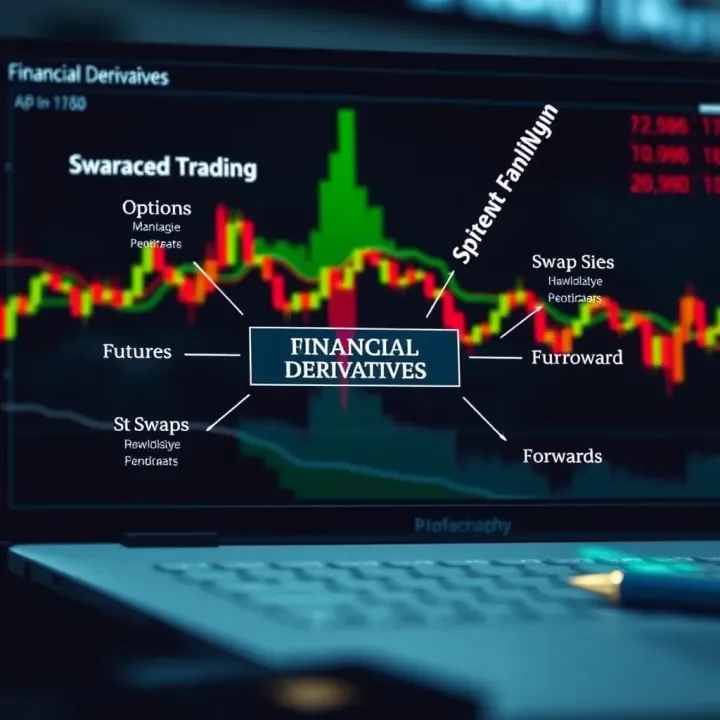
Understanding Derivative Trading in Kenya
Explore how derivative trading works 📈, key types & strategies, risks, regulations, and its impact on Kenya's financial markets for traders & institutions.
Edited By
Charlotte Greene
Robot forex trading is quickly gaining traction among Kenyan traders as a way to automate forex transactions using software. Instead of monitoring currency pairs 24/7, traders can rely on computer programs—commonly called forex robots—to execute trades based on preset criteria.
These systems use algorithms to analyse market data and place orders without human intervention. For instance, a robot might be programmed to buy euros against the US dollar whenever certain technical indicators line up. By removing emotions and human guesswork, robot trading aims to increase efficiency and consistency.
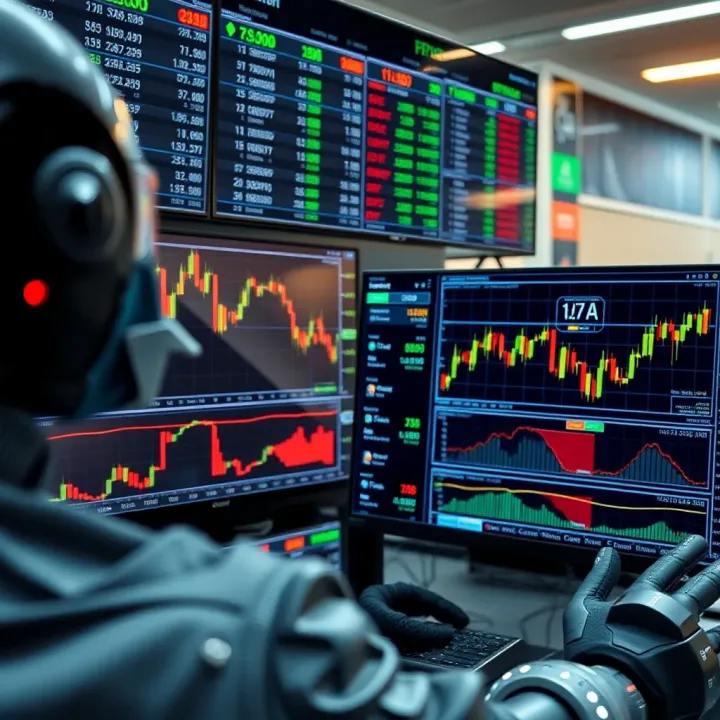
Kenyan traders looking to try robot forex trading should first understand how these programs function, their benefits, and potential pitfalls. Robots can process vast amounts of market data far quicker than a person might. This speed can capture trading chances that often vanish quickly.
Automated decision-making that reduces emotional errors
Ability to trade round the clock, including when you’re busy or asleep
Backtesting features that let you test strategies against past data
However, the approach is not foolproof. Markets can be unpredictable, and automated systems rely heavily on the quality of their programming and data. Some robots respond poorly in volatile conditions or unexpected news events.
Remember, no robot guarantees profits. They are tools meant to support your trading plan, not replace careful analysis and risk management.
For Kenyan forex traders, practical considerations include choosing reputable software compatible with popular platforms like MetaTrader, checking for local support, and understanding fees. It's also key to start with demo accounts before committing real funds.
Getting to grips with robot forex trading means balancing its promise of convenience with the risks inherent in any forex venture. This guide will unpack these elements to help you make smarter trading choices.
Understanding how robot forex trading operates is essential for Kenyan traders looking to integrate technology into their forex strategies. Automated systems take over the day-to-day decisions involved in trading, analysing market conditions, and executing orders without constant human supervision. This approach saves time and helps avoid emotional trading mistakes.
Forex robots are computer programs coded to monitor the foreign exchange market and trade currencies on your behalf. They follow predefined rules based on technical analysis, economic data, or a combination. For example, a forex robot might be set to buy the USD/KES pair when a certain moving average crosses another, signalling an uptrend.
These robots operate 24/7, meaning they can take advantage of trading opportunities even when the trader is away or the market is volatile overnight. This continuous monitoring is especially useful for busy traders in Kenya, who might not have hours to watch the markets every day.
Automated forex trading software usually includes features like customizable trading strategies, risk management tools, and real-time market scanning. For instance, many platforms allow users to set stop-loss limits or restrict trade sizes to control potential losses.
Another practical feature is backtesting — the ability to test a trading strategy using past market data to see how the robot would have performed historically. This helps traders refine their approach before risking real money.
Forex robots rely heavily on technical indicators such as Relative Strength Index (RSI), Moving Averages, and Bollinger Bands. The algorithms interpret these indicators to identify trade entry and exit points. For example, if the RSI shows the market is oversold, the robot might trigger a buy order anticipating a price rebound.
These algorithms are designed to keep track of multiple indicators at once, enabling the robot to make informed decisions faster than a human could. This combination boosts the probability of successful trades but requires a well-programmed strategy.
Historical price behaviour provides a blueprint for forex robots to detect recurring patterns. By analysing price movements over months or years, robots can anticipate likely outcomes under current conditions. This method helps in predicting support and resistance levels where prices tend to react.
For Kenyan traders, understanding that the robot leverages past market behaviour means they must verify that the historical data used is relevant to current market dynamics, as old patterns may shift with global or local economic changes.
Once the robot identifies a trade setup, it automatically places orders with the broker, following specific instructions like order type (market or pending), volume, and stop-loss or take-profit levels. The robot also manages open trades by adjusting orders if conditions change, a task difficult for traders who are not glued to their screens.
This automatic trade management is crucial during high-volatility periods, such as when Kenya’s Central Bank announces interest rate decisions or during significant global economic releases.
Robots execute trades with remarkable speed, often milliseconds after the conditions are met. This rapid response prevents missed opportunities seen in manual trading where human reaction time is slower.
The precision in executing exact trade sizes and price levels reduces slippage and errors, giving Kenyan traders an edge, especially when trading volatile currency pairs like USD/KES.
Automated forex trading offers Kenyan traders a consistent, efficient way to participate in the forex market with less emotional strain and more disciplined decision-making.
Understanding these operational aspects helps traders select and use forex robots wisely, adapting them to Kenya’s unique trading environment and market hours.
Forex robots offer practical advantages that appeal to many Kenyan traders, especially those juggling busy schedules or still building their trading experience. They automate routine tasks, reducing emotional biases and saving time. This section highlights key benefits such as consistency, time efficiency, and the ability to trade multiple currency pairs simultaneously — all crucial for informed decision-making.
Eliminating emotional decisions: One major challenge in forex trading is how emotions like fear or greed affect decisions. A trader might hesitate to close a losing position or hold on too long hoping for a turnaround. Forex robots follow predefined rules strictly, removing emotional influences. For example, during a volatile market triggered by unexpected events—say, political unrest in a region affecting the shilling—the robot will act based on strategy parameters, not panic.
Maintaining discipline in trading: Staying disciplined is tough. Humans often stray from their trading plans, chasing quick profits or reacting impulsively. Robots maintain discipline by executing trades as programmed without deviation. If a robot's strategy calls for selling when a certain technical indicator hits a threshold, it does so consistently. This steady approach helps traders avoid the common pitfall of chasing losses or overriding sensible strategies.
Hands-off approach to the market: Forex trading can demand constant attention, which is impractical for most. Robots handle the heavy lifting by monitoring markets and entering trades automatically. Kenyan traders working full-time jobs, like teachers or entrepreneurs, can rely on these systems to manage trades, freeing them from having to watch charts all day.
Ability to trade 24/7: Forex markets operate around the clock, but humans cannot. Robots do not tire — they seize trading opportunities even when you sleep. This is especially beneficial for Kenyan traders connecting to global markets where activity peaks differ in time zones, such as London or New York sessions.
Market coverage advantages: Forex robots can analyse and trade several currency pairs at once. This wide scope is challenging for manual traders who can realistically focus on only a handful of pairs. For instance, a robot could monitor USD/KES, EUR/USD, and GBP/USD simultaneously, scouting for the best trades across diverse markets.
Improved diversification: By trading multiple pairs, robots spread risk. Losing trade in one pair can be balanced by profits in another. Diversification reduces reliance on a single currency’s movement, which is useful given Kenya’s exposure to both the US dollar and regional currencies. This balanced approach helps protect your capital.
Using forex robots can boost your trading by combining discipline, time-saving, and broader market access. However, understanding these benefits helps you use robots realistically — they are tools, not foolproof guarantees.
Forex robots offer an easier way to trade, but there are risks every trader should know. Understanding these challenges helps Kenyan traders avoid potential pitfalls and protects their investments. Many people think automated systems guarantee profits, but like any tool, robots need careful oversight and realistic expectations.
Potential for system failure: Even the best forex robots can fail. Technical glitches, software bugs, or connectivity problems can cause missed trades or incorrect orders. For instance, if a trader’s internet connection is unstable in Nairobi or Mombasa, the robot might not place trades on time, leading to losses. Relying fully on the robot without human checks can expose your account to unnecessary risk.
Need for regular monitoring: Robots are automated but not set-and-forget. Markets change rapidly, and a strategy that worked last month might fail today. Kenyan traders should regularly review how the robot performs and adjust settings if needed. Checking your robot’s trades a few times daily, especially during volatile times like after economic reports or Kenya’s election cycles, helps catch problems early and avoid unwanted surprises.
Recognising unreliable products: The forex robot market has many unreliable products, often sold with big promises but poor results. Some sellers might show fake performance reports or use misleading videos. For example, a robot claiming to make consistent profits with little risk is likely too good to be true. Kenyan traders should be cautious about robots advertised on social media or unofficial websites.
Importance of due diligence: Doing thorough checks before buying a forex robot is vital. Verify live trading results on trusted platforms and read reviews from real users. Ask for a demo or trial period to test the robot yourself. Besides, check if the seller offers support, updates, and refunds. Doing your homework saves you from losing KSh thousands on scams.
Impact of volatility and unexpected events: Forex markets react sharply to things like political events, unexpected government policies, or natural disasters. A robot programmed for steady markets might make bad trades during sudden volatility. For example, during the COVID-19 outbreak or changes in Kenya’s Central Bank policies affecting the shilling, even reliable robots struggled. Traders should understand that no robot can predict or fully adapt to surprise market swings.
Limitations of algorithmic strategies: Robots follow pre-set rules and lack intuition or common sense judgment. They cannot respond creatively to unusual market trends, news, or market sentiment like a human can. In Kenyan trading, this means robots might miss opportunities or hold losing positions longer than a human would. Combining robots with manual oversight helps balance these limits.
Forex robots offer convenience but come with risks that traders must manage actively to protect their investments.
By being aware of these challenges, especially in the local context with Kenya’s specific market environment, traders can use forex robots more wisely and improve their chances of success.
Selecting the right forex robot is essential for Kenyan traders who want to navigate the foreign exchange market effectively. With many automated systems flooding the market, picking one that suits your trading style, capital, and risk appetite reduces costly mistakes. A well-chosen robot can improve your trading discipline, enhance efficiency, and offer exposure to multiple currency pairs without constant manual oversight. However, bad choices could lead to losses, wasted funds, or time spent on unreliable software.
Before committing to a forex robot, check both backtesting and live trading results. Backtesting involves running the robot’s strategy on historical data to see how it might have performed in past market conditions. While useful, this doesn't guarantee future success since market dynamics change. Hence, also review verified live trading results which show how the robot performs in real-time with actual market fluctuations.
In Kenya, where internet connectivity and platform reliability vary, live data can reveal whether the robot copes well under local trading conditions. You want data from reputable sources or independent third-party sites to avoid biased claims. For example, a robot boasting 90% success in backtests but no live history should be treated cautiously. Verify the dates, drawdown levels, and consistency of returns before making a decision.
Setting realistic expectations is equally important. No forex robot consistently wins every trade or guarantees fast riches. Understand that losses are part of trading, even with automation. Expect moderate returns that grow over time, not overnight wealth. A common pitfall is following hype around a robot that promises huge profits and ignoring underlying risks. Patience and risk management remain essential, even when relying on robots.
Popular platforms such as MetaTrader 4 (MT4) and MetaTrader 5 (MT5) dominate forex trading globally and in Kenya. Most reliable forex robots come designed for one or both of these platforms because of their strong support, user-friendly interfaces, and widespread broker acceptance. Kenyan traders find MT4 still widely used for its simplicity, while MT5 offers more advanced features, including extra timeframes and instruments.
Choosing a robot compatible with your preferred platform avoids headaches during setup and execution. For instance, if your broker operates only on MT4, a robot built for MT5 won't work. Compatibility also affects how well you can monitor or adjust your robot's settings.
Ease of installation and setup matters for Kenyan traders who may not have advanced technical skills. Robots that require complex coding adjustments or manual file transfers can prove frustrating. Look for robots with clear instructions, local language support if possible, and easy interface integration. Some vendors offer step-by-step guides or video tutorials to help you install the robot smoothly on your computer or VPS (Virtual Private Server).
Understand the pricing model before buying a forex robot. Some vendors charge a one-time fee, while others work on subscription plans or profit-sharing. For example, paying KSh 15,000 once for a robot with lifetime updates differs significantly from KSh 2,000 monthly subscriptions. Decide based on your budget and how long you intend to trade with the robot.
Be wary of hidden fees, such as charges for updates or customer support. Transparency in costs helps avoid surprises that might force you to stop using the robot or switch to a competitor.
Customer service and regular updates are vital. Kenyan traders often experience fluctuating internet speeds and shifting market conditions that can affect robot performance. A vendor who responds quickly to queries and provides timely software updates improves your chances of smooth trading.
Good support can also guide you through technical challenges, from installation glitches to optimising settings for volatile markets. Without responsive care, small issues can snowball into bigger problems, risking your capital and trust in automated trading.
Choosing the right forex robot is not just about flashy features or big promises but about matching performance, compatibility, cost, and support to your realistic trading needs in Kenya.
Using forex robots can simplify trading, but success depends on how well you manage them. Kenyan traders should follow practical tips to avoid common pitfalls and make the most of automated trading. This means not just relying on robots blindly but understanding their strengths and limitations within the local trading context.
One of the smartest steps is to begin with a demo account. This allows you to test a robot's strategies without risking real money. For instance, you might want to see how a robot handles volatile pairs like USD/KES or EUR/USD during active market hours. Demo trading lets you observe its performance and identify any quirks without financial losses. This is especially useful because some forex robots react differently under Kenyan market conditions or broker restrictions.
Besides testing the strategy, demo accounts help you learn the trading platform itself. Whether you’re using MetaTrader 4 or 5, navigating the interface, installing the robot, and setting parameters can be tricky for beginners. Practising on a demo account gives you confidence managing live trades later. Learning these technical details early saves you from common mistakes like wrong lot sizes or poor risk settings.
Balancing risk and reward is vital when using forex robots. It’s easy to expect quick profits, but the truth is, even automated systems face losses. Setting realistic goals means accepting moderate returns and occasional drawdowns. For example, aiming for a steady 5% monthly gain with controlled risks is more practical than chasing double-digit profits recklessly.
Adjusting robot settings carefully can improve results. You might reduce lot sizes or set stricter stop-loss limits to protect your capital. A robot that trades aggressively without adjustments can wipe out your account fast, especially during times of high volatility like political events or economic reports. Therefore, tweaking settings to match your risk appetite and current market environment is crucial.
Combining automated and manual trading often yields better results than relying on robots alone. You can let the robot handle routine trades while you intervene when market conditions change suddenly. For example, if there’s breaking news affecting the Kenyan shilling, manual overrides can prevent unnecessary losses.
Regular review and adaptation of your robot’s performance is another key practice. Markets evolve, and a strategy that worked last year may no longer be effective. Set aside time weekly or monthly to check trading reports, adjust parameters, or even pause the robot if it’s underperforming. This ongoing involvement helps you stay on top of your trading and ensures the robot remains a helpful tool, not a blind risk.
Practical management of forex robots is often what separates successful Kenyan traders from those who lose money. Start small, learn continuously, and always keep control.
By following these tips, Kenyan traders can maximise their chances of benefiting from forex robots while managing risks consciously.
Explore how derivative trading works 📈, key types & strategies, risks, regulations, and its impact on Kenya's financial markets for traders & institutions.
📈 Learn how copy trading helps Kenyan investors mirror expert trades, understand its pros, risks, and tips to start smart investing today.
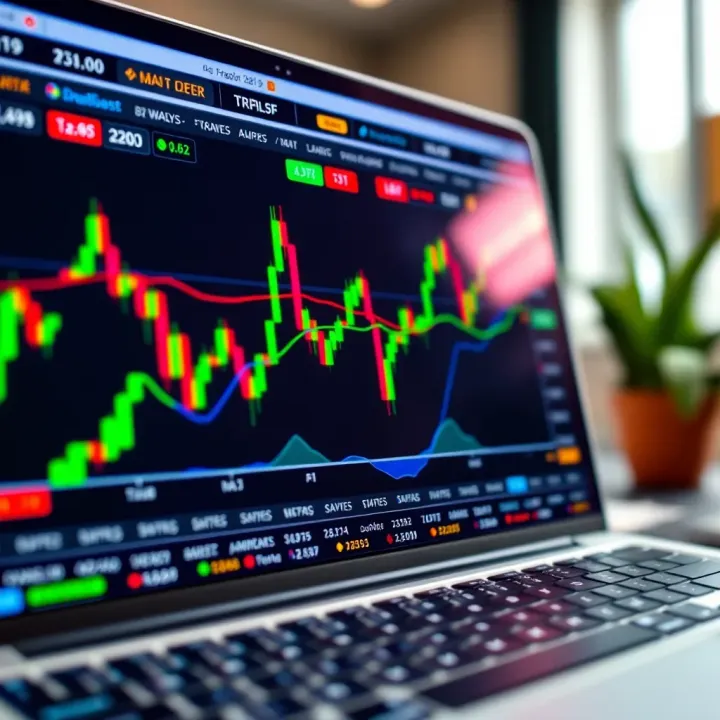
📈 Discover how to trade forex on Deriv with tips tailored for Kenyan traders! Learn platform features, effective strategies & risk management today.
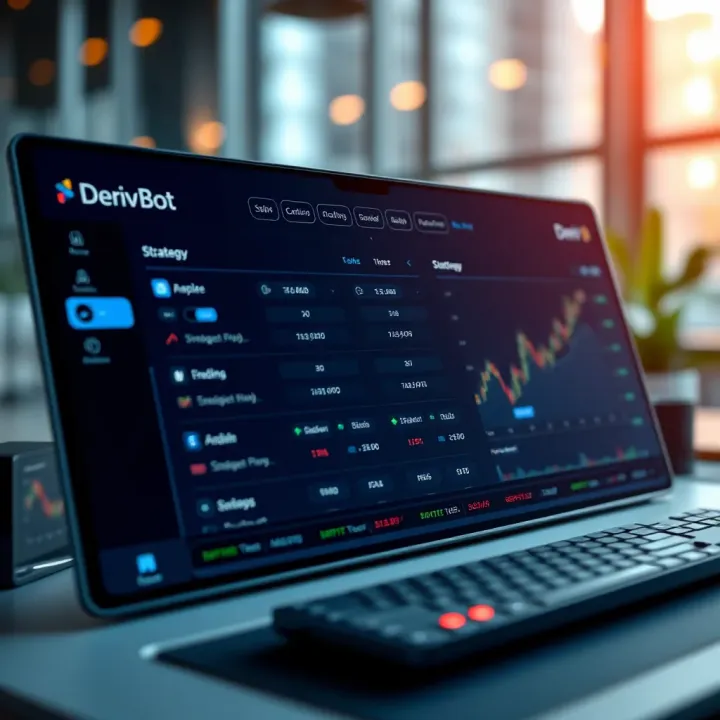
Explore Deriv Bot 🤖: features, benefits & setup tips to enhance trading strategies in Kenya. Learn how to optimize your trading with smart automation!
Based on 15 reviews