
Deriv Forex Trading Guide for Kenyan Traders
📈 Discover how to trade forex on Deriv with tips tailored for Kenyan traders! Learn platform features, effective strategies & risk management today.
Edited By
Liam Wallace
Forex trading offers a chance to buy and sell currencies with the aim of making a profit. For beginners in Kenya and beyond, this might seem complex, but understanding the basic concepts clears the fog. The forex market is the largest financial market worldwide, operating 24 hours a day, five days a week, which means you can trade almost anytime depending on your schedule.
Many new traders find PDF guides helpful because they provide structured, easy-to-follow information that you can absorb at your own pace. These guides often break down complex forex jargon into everyday language and give practical examples relevant to your trading experience.
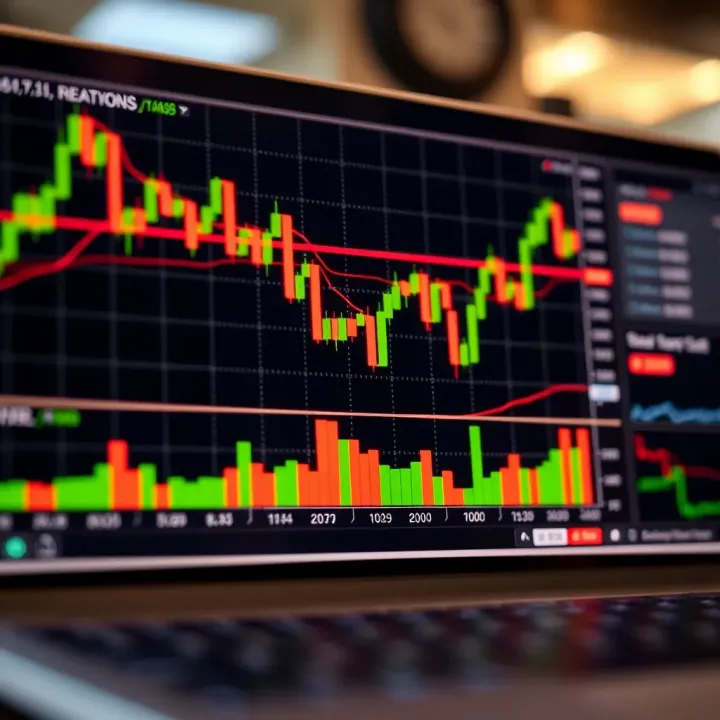
Here are key elements you need to grasp from a good forex trading PDF for beginners:
How the forex market works: Knowing how currencies are traded, what affects exchange rates, and the role of major players like central banks and commercial banks.
Common trading terms: Pips, lots, leverage, margin — these form the building blocks of forex trading.
Basic strategies: Understanding methods like trend following, support and resistance levels, and using indicators to make informed trades.
Risk management: Protecting your capital by setting stop-loss orders, managing position sizes, and avoiding over-leveraging.
Practical steps: From opening a demo trading account to placing your first live trade.
"Starting forex trading without clear guidance is like going on a matatu ride without knowing the destination. A good PDF guide acts like a reliable route map, helping you reach your goals with confidence."
A practical forex trading PDF will also feature real-world examples, such as how to interpret charts or calculate potential profits and losses in Kenyan Shillings. For instance, if the USD/KES exchange rate moves from 110 to 111, you can estimate how much your trade’s value changes depending on your lot size.
Using these resources wisely can save time and money while boosting your confidence as you join the global forex market. After all, trading is not just about luck but about informed decisions and solid techniques.
Keep in mind that while PDFs are great for learning, hands-on practice through demo accounts and continuous market observation is key to improving your skills.
Grasping the basics of the forex market is essential for anyone looking to trade currencies effectively. Knowing how currency values move, who trades them, and what influences these movements helps you make informed decisions rather than relying on guesswork. For example, a Kenyan trader must understand why the Kenyan shilling might weaken against the US dollar when interest rates in the US change or when local economic reports are released.
Forex trading means buying one currency while selling another simultaneously. This is done through currency pairs, where the value of one currency is quoted against another. It’s a global market where banks, companies, investors, and individuals speculate on currency price movements for profit or manage currency risk.
This practice allows traders to capitalise on changes in exchange rates. In Kenya, many use this as a side hustle or investment, but without understanding the market fundamentals, they risk losses.
Currencies are always traded in pairs, such as USD/KES (US dollar to Kenyan shilling). The first currency is called the base, and the second is the quote. The price indicates how much of the quote currency you need to buy one unit of the base currency. For instance, if USD/KES is 110, it means one US dollar equals 110 Kenyan shillings.
Traders speculate whether the base currency will strengthen or weaken against the quote. Understanding pairs and their dynamics helps you choose which to trade based on economic conditions, for example favouring major pairs like EUR/USD or USD/JPY or regional ones like USD/AOA (Angolan kwanza).
The forex market features various players, each with distinct roles. Central banks influence currency values through monetary policies and interventions. Commercial banks handle vast currency transactions and provide liquidity.
Then come corporations, often trading currencies for business needs, and retail traders, including individuals in Kenya, who trade mainly to profit from currency fluctuation. Knowing who’s trading helps you understand market moves—central bank actions can cause big shifts, whereas retail traders tend to follow trends.
The forex market operates 24 hours a day, five days a week, thanks to overlapping trading sessions across the globe. This around-the-clock activity means you can trade in Nairobi in the morning and still catch action from major markets like London or New York.
This cycle keeps liquidity high but also means market behaviour differs by hour. For instance, the early London session often sees high volatility, so knowing when markets are active can influence your trade timing.
Forex trading hubs include London, New York, Tokyo, and Sydney. Each centre corresponds to a regional session when banks and traders are most active. Between these centres, currency values shift based on local economic news and trading volumes.
For Kenyan traders, understanding these centres is useful because trading during the London or New York sessions generally offers more market movement and better opportunities compared to quieter forex trading times.
Economic reports, central bank announcements, and geopolitical events directly affect forex prices. For example, Kenya’s inflation report or interest rate decision by the Central Bank of Kenya (CBK) can cause fluctuations in USD/KES.
Being updated on scheduled releases like the US non-farm payrolls or European Central Bank statements helps traders anticipate volatility. Staying informed is crucial, as unexpected news can quickly change market direction, impacting your trade outcomes.
In forex trading, timing and understanding market dynamics are just as important as technical skill. Following the market’s rhythm and key players means you trade with information, not luck.
Starting forex trading requires more than just enthusiasm; it demands a clear understanding of the basics and the right setup. Knowing how to select a broker, understanding account types, and mastering trading platforms can save you time and money. For Kenyan traders, these steps are essential to navigate the forex market confidently and avoid common pitfalls.
Choosing a regulated broker is non-negotiable. Licensed brokers operate under strict rules to protect your funds and ensure fair trading conditions. In Kenya, brokers regulated by the Capital Markets Authority (CMA) offer an added layer of security. For example, trading with a CMA-regulated broker means the firm must maintain segregated client accounts, reducing the risk of fund misuse.
Beyond local regulation, international licences like those from the Financial Conduct Authority (FCA) in the UK also signify trustworthiness. Unregulated brokers may offer attractive spreads but often at the expense of safety. Keep in mind, if a broker lacks a licence, your recourse in case of disputes is limited.
Most Kenyan forex traders rely on platforms like MetaTrader 4 (MT4) or MetaTrader 5 (MT5). These offer user-friendly interfaces, real-time charts, and tools for technical analysis. For instance, MT4 allows one-click trading, which can be crucial when market prices change rapidly.
Some brokers also offer web-based platforms or mobile apps, suitable for traders who need to keep an eye on the market while on the move, maybe during your daily commute in matatus. It's best to test a demo account first to see which platform suits you best before committing real money.
Brokers usually offer various account types to meet different trader needs—ranging from micro accounts with small minimum deposits (like KS,000) to standard or VIP accounts requiring larger deposits. Micro accounts are good for beginners to practise trading with real money but less risk.
Kenyan brokers typically accept deposits via M-Pesa, bank transfers, and sometimes card payments. Quick, reliable deposit and withdrawal methods are vital, especially if you want to manage your cash flow without delays or extra charges.
MetaTrader platforms dominate the forex scene because of their robustness and availability of tools. They support automated trading through Expert Advisors (EAs), which lets traders set predefined conditions for trade entry and exit. This is handy if you cannot monitor the market 24/7 but want your strategy to operate continuously.
Besides MetaTrader, brokers may offer other platforms like cTrader or proprietary software. These come with various tools like economic calendars and social trading features where you can follow experienced traders.
Placing trades on platforms is straightforward but requires attention. You select a currency pair, decide your trade size (lot), and whether to buy (go long) or sell (go short). For example, if you expect the USD/KES to rise, you’ll buy it; if you think it will fall, you sell.
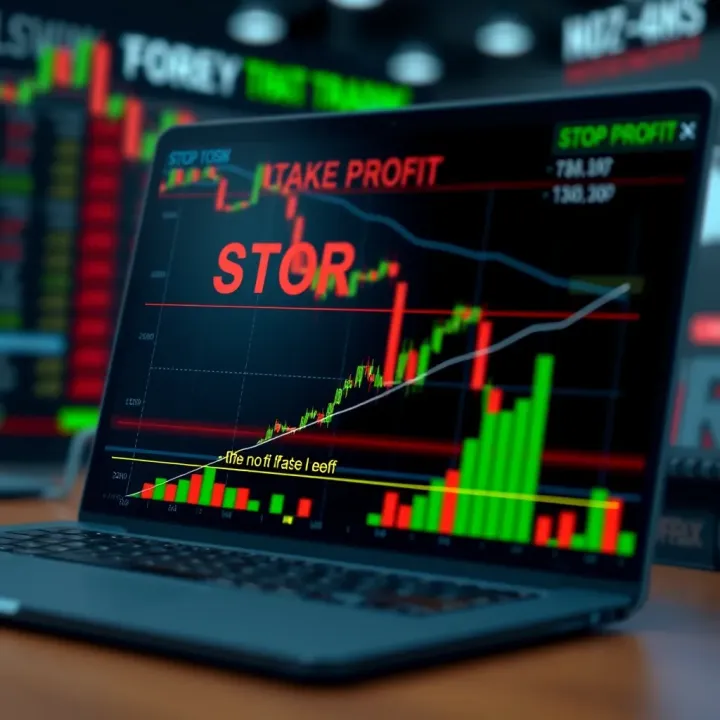
You also set stop-loss and take-profit levels to manage risk and secure profits automatically. Practising on demo accounts first helps you get familiar with these steps without risking your KSh.
Charts show currency price movements over time, helping you spot patterns and trends. Indicators like Moving Averages, Relative Strength Index (RSI), and Bollinger Bands provide extra data points to make informed decisions.
For instance, a simple moving average crossing above the price might signal a buy opportunity. Learning how to read these charts suits both short-term and long-term trading plans.
Starting forex trading is much easier when you understand brokers and tools upfront. This way, you protect your funds and trade confidently in the Kenyan market.
Understanding simple trading strategies helps beginners avoid costly mistakes in forex markets. Starting with basic strategies provides a solid foundation, letting you spot trading opportunities based on real market behaviour rather than guesswork. For example, recognising how economic indicators affect currency value or reading simple chart patterns can guide decisions about when to buy or sell.
Fundamental analysis focuses on economic data that impact currency prices. Key indicators include GDP growth, unemployment rates, and trade balances. For instance, if Kenya's GDP growth is strong, the Kenyan shilling may gain strength as investors gain confidence in the economy. Traders often monitor reports like the US non-farm payrolls because changes there ripple across many currency pairs.
Central banks influence forex through interest rates. A rise in interest rates usually attracts foreign investors seeking better returns, boosting that currency’s value. Inflation tells a similar story; high inflation often weakens a currency by reducing purchasing power. For example, if the Central Bank of Kenya raises rates to curb inflation, the shilling may strengthen against currencies with lower rates.
Political stability affects trader confidence. Elections, policy changes, or unrest can lead to sharp moves in currency values. For instance, ahead of a general election, the shilling might weaken due to uncertainty. Similarly, policy announcements like fiscal reforms or trade agreements shift market sentiment quickly, creating trading opportunities or risks.
Technical analysis helps identify price movements through chart patterns. A trend shows the general direction—uphill (bullish) or downhill (bearish). Support levels act like a floor where prices often stop falling, while resistance levels act as a ceiling. For example, if USD/KES repeatedly bounces back from a certain price, that’s a support zone useful for planning buy trades.
Patterns like double tops, head and shoulders, or flags signal potential price reversals or continuations. Spotting a double bottom pattern in EUR/USD might hint the price will rise soon, helping you enter a trade with better timing. Recognising these shapes can improve decision-making by showing where the market might go next.
Moving averages smooth out price data to reveal trends. A rising 50-day moving average, compared to the 200-day, usually signals bullish momentum. Oscillators like the Relative Strength Index (RSI) help spot if a currency is overbought or oversold, indicating when a reversal may occur. For example, if the RSI for GBP/USD hits above 70, the pair might be overbought and due for a price correction.
Mastering both fundamental and technical analysis equips you with a balanced view, helping you make well-informed forex trades instead of relying on luck. Basic strategies serve as your trading compass in the fluctuating currency markets.
Managing risk is a key part of successful forex trading. The market is volatile, and without proper risk management, traders can quickly lose their investment. This section focuses on practical steps you can take to protect your account and trade confidently.
Setting stop-loss and take-profit levels helps you control potential losses and lock in profits without spending hours watching the market. For example, if you buy the USD/KES pair at 110, you might set a stop-loss at 108 to limit your loss if the price drops, and a take-profit at 113 to automatically sell when the market hits your target. This prevents emotional decisions and keeps your losses manageable.
Position sizing according to account balance means adjusting the amount you trade based on how much money you have. If your account holds KS0,000, risking KS,000 per trade (2%) is safer than betting half your funds on one move. This way, you can survive a series of losses without wiping out your entire account.
Avoiding over-leverage is crucial since leverage multiplies both gains and losses. For example, using 100:1 leverage means a KS,000 deposit controls KS00,000 in the market. While appealing, it exposes you to huge losses if the market moves against you. New traders should start with low leverage, maybe 10:1, to learn how to manage trades without risking all their capital.
Controlling emotions during trading keeps you from making rash moves. Fear or greed can push you to close trades too early or hold losing positions hoping they’ll recover. Staying calm helps you stick to your strategy and avoid chasing losses. Taking breaks and reviewing your plan often can help manage emotions effectively.
Patience and discipline go hand in hand. Successful traders don’t rush into trades or chase every market move. They wait for the right setups based on their analysis and follow through on their plan. For instance, you might skip trading when the market is too volatile or uncertain, even if you feel tempted.
Learning from mistakes is how you grow as a trader. Keep a trading journal where you record why you entered a trade, the result, and what went well or poorly. Over time, this helps you identify patterns, weed out bad habits, and improve your decision-making.
Risk management and trading psychology aren’t just theory — they are your best tools against market unpredictability. Managing both effectively makes your forex trading more sustainable and less stressful.
By following these practical approaches to risk and emotions, you’ll reduce costly errors and build confidence to trade forex in Kenya’s dynamic market.
Forex trading PDFs offer a highly practical way for beginners to get started on the right footing. These documents distil key concepts, strategies, and tools into an easy-to-follow format that you can access anytime, even without internet. This flexibility matters a lot, especially in Kenya where internet availability or data costs may limit continuous online learning.
One of the biggest advantages of forex PDFs is you can download them once, then study anywhere without needing mobile data or WiFi. For instance, when commuting on a matatu or waiting in line, you can pull up your guide and revise essential ideas. The ability to learn offline means you’re not at the mercy of network glitches or expensive data bundles.
Good forex PDFs organise learning into logical chapters, so you start with basics before moving to advanced strategies. This step-by-step approach is important because forex trading has many layered concepts. With a well-structured guide, you avoid information overload and build your skills steadily. Think of it like following a programme from trusted local training centres or seasoned brokers who understand the Kenyan market.
Besides initial learning, a PDF stays useful as a quick reference guide. When you trade, you might forget how to use specific indicators or interpret economic news. With a PDF on your device, you can immediately check those points without searching the web. This saves time, especially during active trading hours when decisions must be fast but well-informed.
Most reputable Kenyan brokers like Pepperstone Kenya or HotForex provide free downloadable PDFs tailored for local traders. These guides clarify the broker’s platform features and general forex principles, which match their trading environment. Using broker PDFs ensures you get relevant information backed by regulated entities.
Specialised forex education websites and forums such as BabyPips or Forex Factory often host free PDFs created by experienced traders. Here, you’ll find community-reviewed materials that have stood the test of practical use. These platforms also allow interaction with other learners or experts, deepening your understanding beyond just reading.
Some Nairobi-based training centres and learning hubs offer forex PDFs as part of their course materials. These documents incorporate local examples like the impact of CBK monetary policies or NSE investor sentiment on currency pairs. Getting PDFs from such centres adds value because they relate concepts directly to Kenya’s financial landscape.
Keeping forex PDFs handy provides you a steady learning companion. They make forex education accessible, affordable, and tailored to your pace and environment. Always prefer guides from trusted sources credible in the Kenyan forex scene to get both accurate and practical knowledge.
📈 Discover how to trade forex on Deriv with tips tailored for Kenyan traders! Learn platform features, effective strategies & risk management today.

Explore how Kenyan forex traders can use automated trading bots 🤖, learn about their benefits, risks, software choices, and legal aspects in Kenya 🇰🇪.
Learn binary forex trading in Kenya 🇰🇪. Get practical tips, understand risks, spot scams, and use strategies to trade smart and secure your investments 💹.
📈 Discover how deriv trading works, its risks & benefits, platforms, strategies, and Kenyan regulations to trade smart and secure your investments wisely.
Based on 10 reviews