
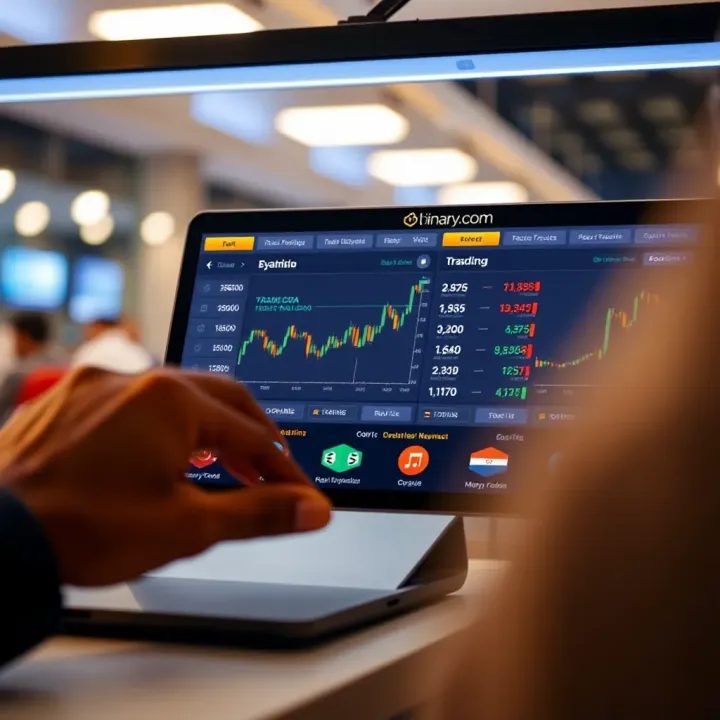
Understanding TradingView and Binary.com for Kenyan Traders
Explore how TradingView and Binary.com empower Kenyan traders 🎯 with tools for smarter analysis, real-time charts📈, and smooth online trades via M-Pesa payments! 💹
Edited By
Laura Spencer
Online forex trading lets Kenyan traders buy and sell currencies from around the world using the internet. It's a fast-moving market open 24 hours a day on weekdays, making it accessible for those juggling work, family, or other commitments. Unlike stock markets, forex trading involves pairs of currencies — for example, the US dollar against the Kenyan shilling (USD/KES) or the euro against the US dollar (EUR/USD).
Kenyan traders can start forex trading with relatively small capital, often just a few thousand shillings, thanks to leverage offered by brokers. However, leverage can magnify both profits and losses, so understanding risk management is vital.
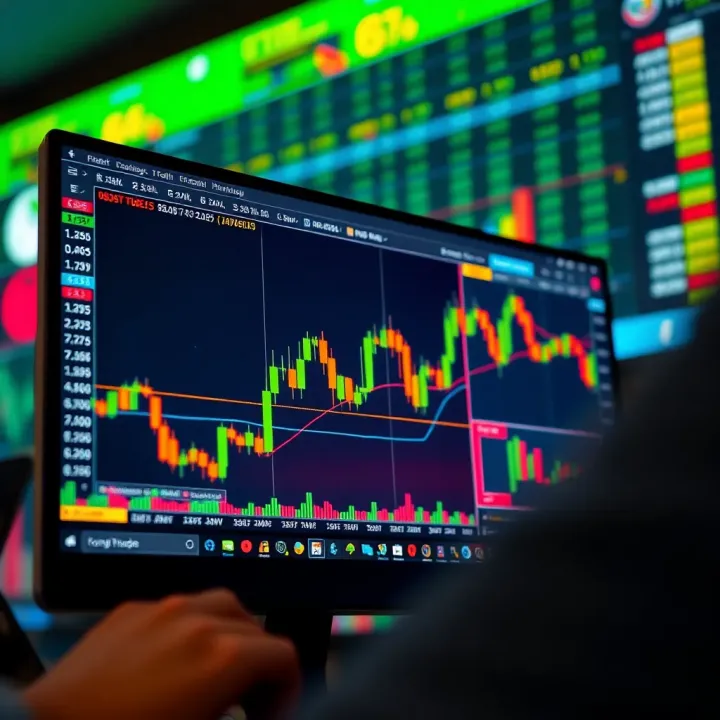
Several online platforms cater to Kenyan traders, each with its own features:
MetaTrader 4 and 5 (MT4/MT5): The most popular globally, offering advanced charting, automated trading (Expert Advisors), and a variety of technical indicators.
cTrader: Known for its intuitive interface and depth of market (DOM) tools.
Local Brokers’ Platforms: Some Kenyan brokers provide bespoke platforms integrating familiar payment methods like M-Pesa.
Many platforms accept M-Pesa deposits directly, making it easy to fund accounts without complicated bank transfers.
Regulation: The Capital Markets Authority (CMA) in Kenya oversees brokers offering forex services locally. Choose brokers registered with CMA to avoid scams.
Payment Methods: M-Pesa and bank transfers remain the most common and convenient payment options.
Market Hours: The forex market operates across global sessions — London, New York, Tokyo — so trading opportunities arise throughout the day.
Forex trading demands discipline and continuous learning. Many successful Kenyan traders rely on practice accounts to test strategies without risking real money.
Imagine a trader noticing the USD/KES rate dropping due to recent economic reports in Kenya. They could sell USD/KES expecting the shilling to strengthen, aiming to buy back at a lower rate later. This requires keeping an eye on Kenyan economic news and global events, showing how forex blends local and international factors.
By understanding these basics, Kenyan traders can navigate online forex trading with more confidence and practical insight.
Grasping the basics of forex trading is essential before diving into the online market. This understanding helps traders navigate the complexities of currency movements, manage risks, and identify opportunities that suit their trading style. Without a solid foundation, it’s easy to get overwhelmed by jargon or lose money due to uninformed decisions.
Forex trading, short for foreign exchange trading, involves buying and selling currencies in pairs to profit from their changing values. For example, a trader might buy USD/KES if they believe the US dollar will strengthen against the Kenyan shilling. The forex market is the largest financial market globally, with daily trading volumes exceeding $6 trillion.
What makes forex trading practical for Kenyan traders is its accessibility through online platforms and the ability to trade 24 hours a day on weekdays. This means you can align your trading activity with your schedule or take advantage of movements in global markets whenever they occur.
The forex market functions 24/5 across different time zones, including major centres like London, New York, Tokyo, and Sydney. It operates as an over-the-counter (OTC) market, where trading occurs directly between parties, typically through brokers or banks.
For Kenyan traders, this means the market never truly sleeps, offering flexibility in trading times. For instance, the London session overlaps with the Nairobi working hours, making it a convenient time to trade without staying up too late.
Currency pairs are the heart of forex trading, and they fall into three categories: major, minor, and exotic pairs. Major pairs involve the most traded currencies globally, like EUR/USD, USD/JPY, and GBP/USD. Minor pairs exclude the US dollar but include other strong currencies such as EUR/GBP or AUD/NZD. Exotic pairs combine a major currency with one from an emerging market or smaller economy, like USD/KES (US dollar/Kenyan shilling).
For Kenyan traders, trading major and some minor pairs generally offer better liquidity and tighter spreads, which reduce trading costs. Exotic pairs like USD/KES can be appealing too but usually have higher spreads due to lower liquidity.
Understanding key terms like pips, spreads, and leverage is vital. A pip is the smallest price movement in a currency pair, commonly 0.0001 for most pairs. The spread is the difference between the buying and selling price, which reflects a broker’s fee.
Leverage allows traders to control a larger position with a smaller amount of capital. For example, with 1:100 leverage, KS,000 can control KS00,000 worth of currency. While leverage can increase profits, it also magnifies losses, so Kenyan traders must use it carefully and understand margin requirements.
Mastering these basics gives Kenyan traders a clearer view to make informed decisions, control risks, and choose the right trading strategies suited for their goals and market conditions.
Choosing a reliable online forex trading platform is fundamental for every Kenyan trader aiming to succeed in the forex market. The right platform acts as your gateway to the market, influencing the ease of trading, speed of execution, and access to critical tools. Selecting one without proper consideration can lead to missed opportunities or even financial loss.
A clear, intuitive user interface helps traders act quickly, especially when the market moves fast. Kenyan traders often prefer platforms that don’t overwhelm with clutter but still offer straightforward navigation. For example, MetaTrader 4 (MT4) is popular because it balances simplicity with powerful features. When a platform is easy to use, you reduce the chance of mistakes in executing trades, which is crucial when timing matters.
Forex markets can be volatile, and slow order execution can cost you dearly. Platforms must process buy or sell orders instantly to take advantage of price moves. Many Kenyan traders prefer brokers with servers hosted near Nairobi or major financial centres to reduce latency. Reliability also matters; platforms should not suffer frequent breakdowns or glitches, especially during high-volatility periods like Central Bank announcements or economic releases.
A good platform provides built-in charts and tools that help traders spot trends and entry points. Indicators like Relative Strength Index (RSI), Moving Averages, or MACD are essential for technical analysis. Kenyan traders who follow market news also benefit from platforms that integrate news feeds or expert analyses directly, making it easy to combine fundamental and technical insights without switching apps.

Kenya’s growing forex trading community can access both local brokers and well-known international firms. Local brokers usually understand Kenyan market peculiarities better and might offer perks like M-Pesa integration for deposits and withdrawals. Meanwhile, international brokers often provide more currency pairs and advanced tools. Choosing between the two depends on your trading needs, but always weigh the level of customer support and regulatory backing.
Ensure your broker is licensed by the Capital Markets Authority (CMA) Kenya or other respected authorities overseas. Registered brokers meet certain standards that protect your money and ensure fair trading practices. You can check CMA’s official listings or broker websites for licence details. Avoid firms with no verifiable licences as scams remain a concern in online forex.
M-Pesa remains the most convenient method for Kenyan traders to fund their accounts or withdraw profits. Most reputable platforms enable direct M-Pesa payments, making deposits instant and affordable. Bank transfers work too but tend to be slower and sometimes attract extra charges. Before committing to a broker, verify they support seamless M-Pesa integration for hassle-free transactions.
Different brokers set varying minimum deposit amounts, often starting at KS,000 to attract retail traders. Understanding these thresholds matters because it affects your initial investment size and risk exposure. Withdrawal processes should also be transparent and quick. Some brokers might require identity verification or paperwork, so prepare for this to avoid unnecessary delays.
Choosing the right forex trading platform is more than just picking one with the flashiest interface; it's about finding a partner that fits your trading style, budget, and local payment preferences. Taking the time to research this can save you headaches and boost your chances of success in forex trading.
Knowing how to blend fundamental and technical strategies is vital for success in forex trading. Fundamental analysis helps you grasp why currency values shift based on economic realities, while technical analysis offers practical tools to pinpoint entry and exit points. Kenyan traders benefit from using both approaches to make informed decisions that match the local and international market rhythms.
Economic indicators like interest rates, inflation, and GDP growth have a direct impact on forex prices. For example, if Kenya’s Central Bank raises the base rate, the Kenyan shilling typically strengthens because higher returns attract foreign investment. Similarly, rising inflation may prompt rate adjustments, influencing demand for shillings against other currencies.
These indicators tell traders about a country’s economic health and guide expectations. Following key releases such as inflation reports or trade balances can signal potential moves in currency pairs like USD/KES or EUR/KES. Understanding these basics helps traders anticipate shifts rather than just react to price movements.
News events from both Kenya and across the world can jolt forex markets instantly. Political developments, policy changes, or even regional events like East African Community (EAC) meetings affect sentiment. For instance, a trade agreement between Kenya and Uganda may boost investor confidence in the shilling.
On the global front, US Federal Reserve announcements and European Central Bank policies are significant because the US dollar and euro are major forex pairs against the shilling. Kenyan traders should monitor trusted local news sources along with credible international financial news to stay ahead of market reactions.
Charts display price movements over time and help spot trends—whether the market is trending up, down, or sideways. Recognising patterns like head and shoulders or double bottoms guides traders on likely price directions. For example, if the USD/KES chart forms a bullish trend, buying positions might be more favourable.
Kenyan traders can use chart timeframes aligned with their trading style, from minutes for day traders to daily charts for longer-term positions. This visual approach complements fundamental insights by showing when to act.
Indicators add depth by measuring momentum, trend strength, and potential reversals. The Relative Strength Index (RSI) signals overbought or oversold conditions, helping decide if a currency pair might soon reverse. The Moving Average Convergence Divergence (MACD) detects trend changes using moving averages, while simple moving averages smooth out price data.
Using these tools together, traders get clearer signals. For instance, if RSI shows oversold and MACD indicates a positive crossover on EUR/KES, it could be a strong buy signal. Practising with these indicators on a demo account builds skill before risking real money.
Stop-loss and take-profit orders are essential for protecting capital and locking in gains. A stop-loss cuts losses if the market moves against you beyond a set level, while take-profit automatically closes a position once a target profit is reached.
For example, if you buy USD/KES at 110 and want to risk only KSh 1,000, you might set a stop-loss at 108. This limits losses if the shilling strengthens unexpectedly. Meanwhile, a take-profit at 115 locks gains if that level is hit. This discipline stops emotional decisions during volatile swings.
Leverage allows trading larger positions than your deposit, boosting potential gains but also losses. Kenyan traders need to use leverage cautiously because high leverage can quickly wipe out an account. Regulatory bodies like the Capital Markets Authority (CMA) often recommend limits, such as 1:30 or lower.
Start small and increase leverage only as experience builds. For instance, trading USD/KES with 1:10 leverage is steadier than 1:100. Combining leverage with stop-loss orders guards against big losses and supports long-term survival in the market.
Successful forex trading balances knowledge and discipline. Using fundamental and technical strategies alongside smart risk management improves your chances of consistent profits while protecting your capital.
This balanced approach will help Kenyan traders navigate the complex forex market with confidence and practical skill.
Trading forex online offers exciting opportunities but also carries significant risks that every trader must understand. For Kenyan traders, recognising these challenges helps avoid costly mistakes and develop strategies that protect their capital. This section covers the main pitfalls: market volatility, potential frauds, and emotional hurdles.
Currency values fluctuate constantly because of economic events, geopolitical developments, and market sentiment. For example, the Kenyan shilling may weaken following changes in the Central Bank of Kenya’s monetary policy or unexpected election results. Such volatility means prices on currency pairs like USD/KES can shift abruptly, sometimes within seconds.
This constant movement can create both opportunities and dangers. Sharp swings can lead to rapid profits if well-timed, but equally can wipe out gains or cause losses unexpectedly. For instance, a sudden drop in the euro due to European economic data might catch unprepared traders off guard. Understanding volatility helps you set realistic targets and appropriate stop-loss orders to limit damage.
The wide price swings mean that forex trading outcomes are often unpredictable. Markets rarely move in straight lines; instead, they follow trends sometimes interrupted by reversals. Kenyan traders should guard against overleveraging, which magnifies losses during volatile phases.
A trader who borrows too much leverage may lose more than their initial investment if the market moves against them rapidly. On the other hand, well-managed risk with smaller positions and clear exit strategies can turn volatility into an advantage. Practising patience during volatile stretches and avoiding impulsive decisions is essential to sustain profits.
The forex space attracts unscrupulous operators looking to take advantage of eager traders. Common red flags include brokers promising guaranteed returns, unusually high bonuses, or pressure tactics insisting on large deposits quickly. For Kenyan traders, dealing with brokers outside regulated frameworks increases the risk of losing funds.
Always check if the broker holds a licence from the Capital Markets Authority (CMA) of Kenya. The CMA regulates local investment and forex activities, ensuring brokers meet minimum standards of transparency and client protection. Reading verified user reviews and complaints can also reveal if a broker has a shady record or slow withdrawal processes.
Kenyan traders should confirm their broker’s registration on the official CMA website or trusted financial portals. Licensed brokers are required to segregate client funds and provide proper contracts. If a broker claims to be registered but lacks a valid licence number, it's a warning sign.
Besides regulatory checks, look for consistent positive feedback from other Kenyan users. Forums and trading communities can provide insights on platform reliability, customer support, and transaction handling. Avoid brokers who have unresolved disputes or who refuse independent audit reports.
Forex trading is mentally demanding. Market changes can stir emotions like fear, greed, or frustration. A trader who panics after a sudden loss might make rash trades trying to recover quickly, often worsening their position. Learning to manage emotions under pressure helps maintain clarity and sound judgement.
Experienced traders rely on preset rules and routines rather than gut feelings. This discipline enables them to exit losing positions early and stick to profitable strategies.
Successful trading is less about chasing quick wins and more about consistency over time. Being patient means waiting for the right market setups rather than jumping in on every price movement. Kenyan traders who develop strict habits—such as setting stop-loss levels and only risking a small percentage of their capital per trade—build resilience against losses.
Emotions must be controlled to prevent costly mistakes. Discipline and patience are the cornerstones of steady trading progress.
Growing your forex skills takes time and practice. By recognising risks clearly and preparing well, you lay a solid foundation to trade confidently in Kenya’s online forex market.
Starting forex trading can feel overwhelming, especially when you’re new. This section gives clear, practical advice focused on Kenyan traders to help lay a solid foundation. It covers how to build confidence, stay disciplined, and make informed decisions right from the first trade.
Opening a demo account lets you practise forex trading without risking your own cash. Kenyan platforms usually offer demo accounts with virtual funds, enabling you to experience real market conditions safely. This step is crucial before you commit actual money, as it helps you understand how trades work and avoid costly beginner mistakes.
Testing strategies and platform features on a demo allows you to see how your chosen broker’s system operates. You can try out indicators, place various order types, and spot execution delays or glitches. For example, if a platform doesn’t respond fast enough during market swings, you’ll notice without losing KSh. It’s a great way to build familiarity and confidence before trading live.
Setting realistic goals keeps your trading focused and manageable. You might aim to make a steady 2% profit each month rather than expecting huge returns fast. This approach reduces pressure and helps avoid impulsive decisions driven by greed or frustration.
Choosing trading times suitable for East Africa Time (EAT) matters too. Forex markets operate 24/5 but have periods with higher activity, like the London and New York sessions. Nairobi traders should plan to be active during these overlaps (around 4 pm to 8 pm EAT) when liquidity and volatility increase, providing better trading opportunities.
Tracking your trades and reviewing results is essential for improvement. Maintain a simple journal detailing your entry and exit points, reasoning, gains or losses, and emotional state during each trade. This habit helps identify what works and what doesn’t and prevents repeating errors.
Kenyan forex traders benefit from local forums and resources too. Communities on platforms like WhatsApp groups, local Facebook groups, or Kenyan financial blogs offer timely advice, updates on broker reliability, and practical insight tailored to the Kenyan market. Engaging with these helps you stay informed and connected.
Starting with a demo account, setting achievable goals, trading at optimal times, and tracking your progress form the backbone of a successful forex journey tailored for Kenyan traders.
Practise on demo first
Set realistic profit targets
Trade during peak forex sessions in EAT
Keep detailed trade records
Engage with Kenyan forex communities
Explore how TradingView and Binary.com empower Kenyan traders 🎯 with tools for smarter analysis, real-time charts📈, and smooth online trades via M-Pesa payments! 💹
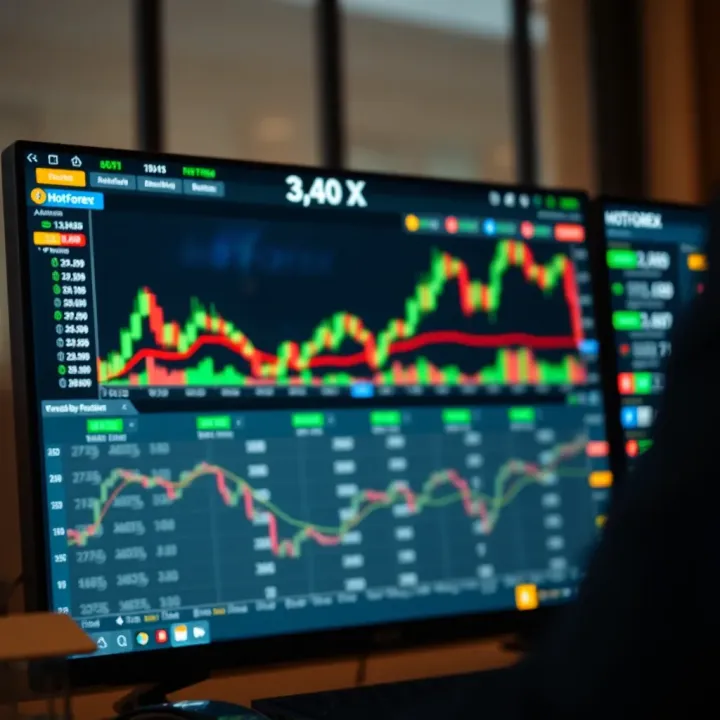
📈 HotForex Kenya offers easy account setup, diverse trading options, secure payment methods like M-Pesa, and clear local regulations for Kenyan traders keen on forex markets.
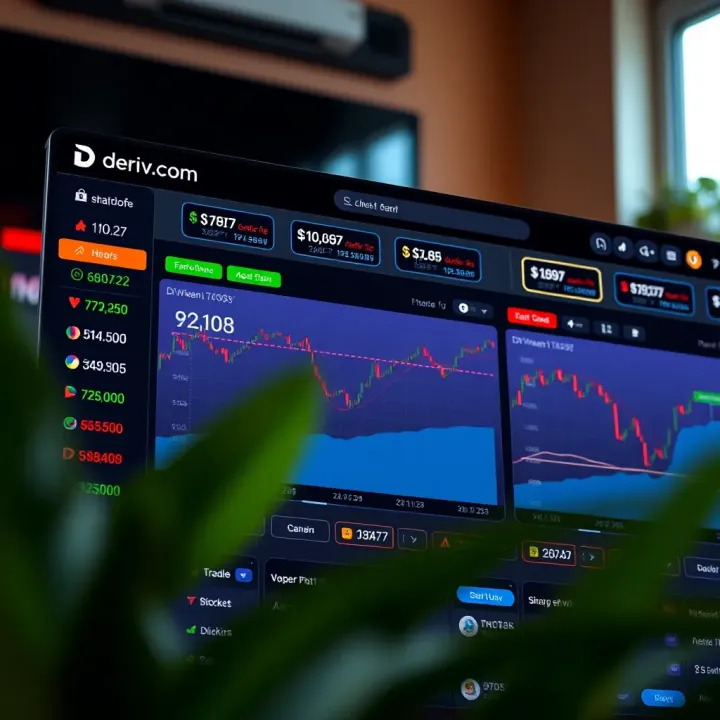
Start trading smart on Deriv.com in Kenya 🇰🇪. Learn how to register, fund with M-Pesa, trade forex, CFDs & crypto safely 🔒 while managing risks effectively 📊.

🤖 Learn how robot forex trading automates forex deals, key benefits, risks, and tips to pick the best system. Perfect for Kenyan traders wanting smarter forex moves.
Based on 9 reviews