

Binary Options Guide for Kenyan Traders
📈Explore binary options trading in Kenya with clear insights on basics, risks, strategies, regulation, and choosing trusted platforms for smarter investing.
Edited By
Isabella Clarke
Pocket Options is an online trading platform offering access to various financial assets such as currencies (forex), stocks, commodities, and cryptocurrencies. It has gained popularity among Kenyan traders looking for a straightforward platform that supports both beginners and experienced investors. This section gives you a solid start by explaining how Pocket Options operates and highlighting key points Kenyans should keep in mind.
Trading on Pocket Options involves predicting whether the price of an asset will go up or down within a set time frame. Unlike traditional stock trading where you buy the asset itself, here you place trades to benefit from short-term market moves. This makes it quite fast-paced and potentially profitable, but also risky.
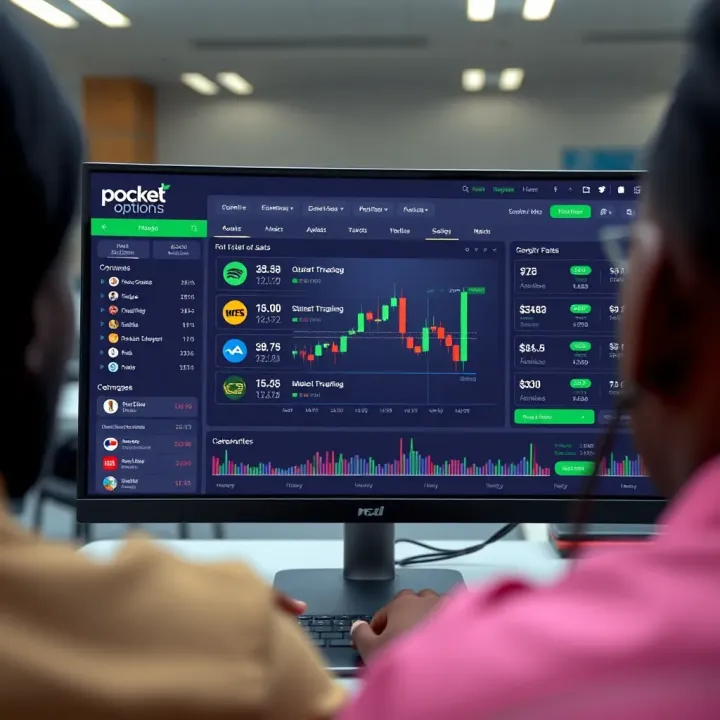
Creating an account on Pocket Options is simple and can be done using an email or social media login. The platform supports access on desktop and mobile devices, which suits Kenya’s high mobile internet usage. An initial deposit starts from as low as KSh 5,000, making it affordable for many Kenyan traders. The demo account feature lets you practise with virtual funds before trading real money, a useful tool to build confidence.
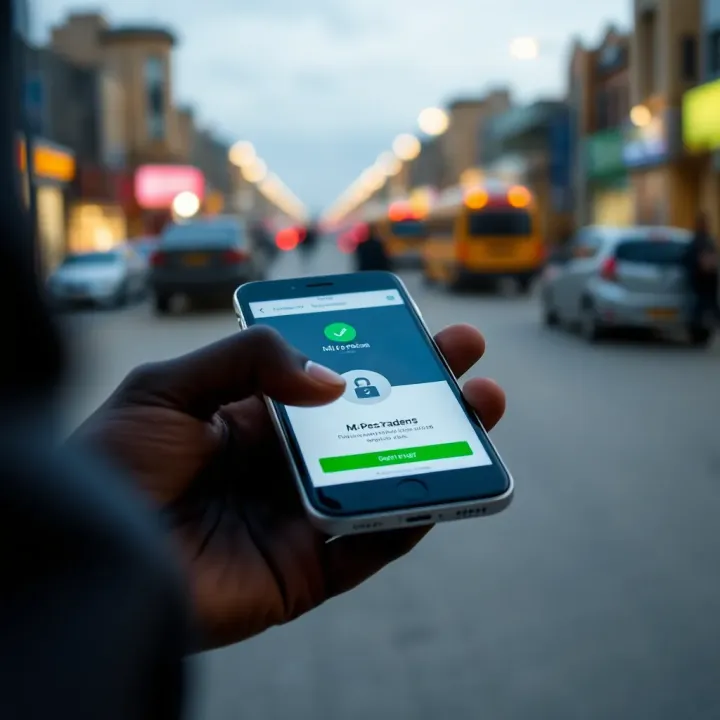
One major benefit for Kenyan users is the support for local payment methods like M-Pesa. This means you can deposit and withdraw funds quickly without relying on international bank transfers, which may be slow and expensive. Besides M-Pesa, other options like bank cards and e-wallets are available, but M-Pesa remains preferred for convenience.
Pocket Options offers several trade types, including binary options, where you predict asset movement over short periods, and classic options with different expiry times. The platform also provides features like copy trading, allowing users to follow and replicate experienced traders’ moves, which can ease the learning curve.
Traders should remember that while Pocket Options offers quick trading opportunities, the risks are real. Never trade money you cannot afford to lose and use demo accounts to familiarise yourself with the platform.
Understanding these basics will help Kenyan traders make informed decisions on whether Pocket Options fits their trading style and risk appetite. The next sections will explore practical tips, safety considerations, and strategies tailored to the local trading environment.
Pocket Options has carved a distinct spot in the world of online trading, especially for traders looking for simplicity combined with a decent range of tradable assets. For Kenyan traders, understanding what Pocket Options offers and how it fits alongside other platforms is vital for making smart choices. This platform is not just about placing trades but also about how accessible and flexible online trading can be, even for those new to the market.
Pocket Options provides access to a broad mix of financial assets. From popular forex pairs such as USD/KES to well-known cryptocurrencies like Bitcoin and Ethereum, users can diversify their trades easily. Stocks of major companies and commodities like gold and oil are also on offer. This helps you spread risk and tap into markets that are active both locally and internationally.
For example, if Kenya’s economic news hints at shilling depreciation, a trader might focus on forex pairs involving KES or commodities that move inversely. Such variety means you do not have to rely on just one market’s behaviour.
The platform caters to both beginners and seasoned traders. Basic concepts like call and put options, expiry times, and strike prices are clearly laid out. It also supports educational resources within the platform to help you understand payout structures and market trends better.
This setup allows you to learn while trading – for instance, testing out short-term trades with a clear understanding of potential returns versus risks, a key skill for any trader, especially those just starting.
Pocket Options works well both on browsers and its dedicated mobile app. This is critical for Kenyan traders who depend on mobile devices and reliable connectivity. The app’s design ensures trades can be managed on the go without missing market movements.
Besides, the mobile interface is simple and fast, making it possible to keep an eye on charts, analyse trends, and execute trades even while commuting in Nairobi’s busy matatu traffic.
Compared to other options trading platforms, Pocket Options stands out for its clean, user-friendly interface. It is uncluttered and guides you through placing trades without overwhelming with jargon. For Kenyan traders used to mobile-first apps like Safaricom’s services or Jumia, this intuitive design is a plus.
The platform also includes visual cues, such as colour-coded charts, that make spotting trading opportunities easier. This helps reduce the learning curve and prevents costly mistakes, especially for newbies.
Pocket Options offers a wide range of expiry times, from as short as 60 seconds to several hours. This flexibility allows you to choose strategies that fit your trading style—whether you want quick scalping or longer holds.
The broad mix of assets, from forex to crypto to stocks, is usually comparable or even better than some competing platforms. This is important for Kenyan traders who might want to balance trading local-related assets like the Kenyan shilling pairs and international ones.
Apart from standard trading tools, Pocket Options includes social trading features and occasional bonuses. Social trading means you can see and copy the trades of successful investors, an advantage if you prefer to learn from experts.
Bonuses are offered as deposit matches or cashback, which can boost initial capital. While these incentives are common, Pocket Options tends to make them accessible with fewer strings attached, providing practical value to Kenyan traders who want to stretch their KSh investments efficiently.
Knowing the nuts and bolts of Pocket Options equips Kenyan traders to compare it smartly against market alternatives, pick suitable assets, and make informed trading decisions that match their goals and risk comfort.
For Kenyan traders, setting up a Pocket Options account is the first practical step to accessing a diverse online trading platform. This process ensures you comply with regulations and gain access to features tailored to your trading needs. Clear understanding of registration, verification, and account types helps avoid unnecessary delays and positions you well for smart trading.
Creating an account on Pocket Options is straightforward but requires personal details such as your full name, email, and phone number. After registration, you'll need to complete the verification process, which safeguards your account and aligns with Know Your Customer (KYC) rules. Verification often involves confirming your email and submitting documents for identity proof. This step is vital for securing your funds and complying with financial regulations applicable to Kenyan traders.
Regarding documents, you'll typically provide a Kenyan national ID or passport along with a recent utility bill or bank statement as proof of address. These documents confirm your identity and residence, a common procedure in regulated trading platforms. Ensuring your documents are valid and clearly scanned speeds up account approval. This practice not only protects you but also allows Pocket Options to maintain compliance with international and Kenyan regulatory standards.
Pocket Options offers demo accounts that let you practise without risking real money. This is ideal for Kenyans new to online trading or those wanting to test strategies using virtual funds before committing. Using the demo helps familiarise with the platform's layouts and controls, making real trading much smoother.
When ready, you can switch to a real account with a minimum deposit, often starting at around KS,000 (roughly $10). Real accounts allow you to trade actual financial instruments and earn profits. Starting small helps Kenyan traders manage risks and avoid significant losses early on. The platform supports various payment options convenient for Kenya, including mobile money.
Pocket Options also has different account tiers offering added benefits such as higher payouts, faster withdrawals, or exclusive bonuses. These tiers usually depend on the deposit level or trading volume. For instance, moving from a basic to an advanced account might unlock personal account managers or daily market analysis. Choosing the right tier depends on your trading goals and financial capacity — balancing between cost and perks is key.
Starting carefully with the right account type, supported by proper verification and understanding of requirements, can make your Pocket Options trading journey smoother and safer.
Understanding the trading instruments and strategies on Pocket Options is key for Kenyan traders to make informed decisions and improve their chances in the market. The platform offers various assets to trade, each with distinct opportunities and risks. Coupled with effective strategies, traders can better navigate price movements, whether aiming for short-term gains or longer-term investments.
Pocket Options allows trading of forex pairs, which are the backbone of global financial trading. For Kenyan traders, this is especially relevant as pairs like USD/KES (US Dollar against Kenyan Shilling) often show clear trends influenced by local economic news. Forex trading is attractive because of its high liquidity and round-the-clock market hours, giving traders chances to react to market changes at various times. For example, following CBK (Central Bank of Kenya) announcements can help anticipate currency movement for the KES pairs.
Trading stocks and indices through Pocket Options offers exposure to some of the world’s biggest companies as well as broader market trends. This means you can speculate on shares like Apple or Microsoft without owning the actual stock. Indices such as the NSE 20 or S&P 500 represent the overall health of specific markets, helping you bet on general market directions. This is useful for those who prefer to track big economic shifts rather than single company news.
Commodities like gold, silver, or oil remain popular assets because their price often reflects global economic conditions or geopolitical issues. For instance, gold prices tend to rise when local or international uncertainty spikes, serving as a safe haven. Cryptocurrencies like Bitcoin provide another avenue, offering high volatility and the chance for quick returns or losses. Given Kenya’s growing interest in crypto, having this option on Pocket Options opens another layer of opportunity but requires careful attention to market trends.
This strategy focuses on quick trades where the expiry time may be as short as a few minutes or hours. It suits active traders who can closely monitor price movements. For example, Kenyan traders can use short-term trades around major local news releases, like Kenya’s GDP report or election outcomes, to capture price swings quickly. While the potential for profit is high, so is the risk, making it essential to manage stakes carefully.
Using charts and indicators to predict market movements is central to many Pocket Options traders. Simple tools like moving averages or support and resistance lines can help identify when an asset’s price is likely to rise or fall. For someone new, starting with the basics and observing simple patterns can provide an edge. For instance, spotting a resistance level on the USD/KES forex chart might suggest a good point to exit a trade.
Protecting your capital is as important as making profits. Techniques like setting stop-loss orders limit how much you can lose in a single trade. It’s also wise to avoid over-investing on one position or using too high leverage, especially in volatile markets like cryptocurrencies. A practical tip for Kenyan traders is to limit daily trading amounts to what they can afford to lose and diversify between different assets to spread risk.
Consistently applying suitable strategies and understanding the asset types available is vital. Pocket Options provides a range of choices, but success depends on how well a trader matches tools to their style and risk appetite.
When trading on live platforms like Pocket Options, safety and legality are top priorities, especially for Kenyan traders. Knowing the regulatory framework around online trading in Kenya helps users avoid pitfalls such as scams or legal troubles. It also ensures that traders interact with platforms that take security seriously.
The Kenyan government does regulate certain aspects of online trading, although the framework remains somewhat in development. The Capital Markets Authority (CMA) is the main agency overseeing trading activities, mainly focusing on regulated securities and investment firms. However, platforms that offer binary options or similar products—like Pocket Options—often operate in a grey zone since binary options are not officially regulated by CMA.
That said, Kenyan authorities warn traders to be cautious and verify if a platform is licensed either locally or by reputable international bodies. Without a valid licence, platforms may not have the proper safeguards or oversight, increasing risks of fraud or unfair practices.
Regarding compliance, trading platforms aiming to serve Kenyan users usually have to meet Know Your Customer (KYC) regulations. This means they request verified identification documents before allowing deposits or withdrawals. The goal is to prevent money laundering and other illicit transactions. For Kenyans, this means having their ID or passport ready, and sometimes proof of residence, before fully registering.
Pocket Options claims to provide solid account protection measures. These include two-factor authentication (2FA) to enhance login security, ensuring that even if someone guesses your password, extra verification is needed. This feature is crucial for Kenyan traders who rely on public or shared internet connections where passwords can be exposed.
The platform also promises data privacy by using encryption to guard personal and financial information. For example, your private details and transaction history are encoded, which reduces chances of hacking or leaks. However, users should always confirm the platform’s privacy policies and take extra care with their passwords.
When it comes to money—deposits and withdrawals—Pocket Options uses standard security protocols. This includes SSL certificates to secure transactions and ensure that payment details, like card numbers or mobile money accounts, are not exposed during transfer. For Kenyan users, this relates directly to their common payment methods such as M-Pesa and bank cards.
Withdrawals typically go through verification steps to prevent fraud, such as confirming identity and sometimes requiring a short waiting period for manual checks. This may cause slight delays but is a trade-off for security. Kenyan traders should factor this in when planning their cash flow, ensuring they comply quickly with all verification steps to avoid complications.
Always remember, no platform is risk-free, but checking legality and security features reduces the chance of losing money or personal information to scammers.
In summary, Kenyan traders using Pocket Options should keep an eye on regulatory updates from CMA and ensure they follow platform verification rules strictly. Combining this with good personal security practices will make online trading safer and more reliable.
Funding your Pocket Options account and withdrawing earnings smoothly are key steps that Kenyan traders should fully understand. These processes affect trading experience directly by influencing how quickly you can start trading and access your profits. Knowing the available payment methods, withdrawal timelines, and verification needs avoids unnecessary delays or complications.
M-Pesa remains the top mobile money service in Kenya, widely trusted for everyday transactions. While Pocket Options does not yet fully integrate M-Pesa as a direct payment gateway, many Kenyan traders use services that convert M-Pesa funds to payment options accepted by Pocket Options, such as e-wallets or linked bank cards. This indirect route is practical since it leverages the convenience and security of M-Pesa while complying with the platform’s payment protocols.
For example, you might transfer money from your M-Pesa account to a linked Equity Bank account, then use an Equity Bank debit card for Pocket Options deposits. This keeps funds flowing safely and accessibly from M-Pesa to your trading account.
Pocket Options accepts most major debit and credit cards, including Visa and Mastercard, which are common among Kenyan banks like KCB, Cooperative Bank, and NCBA. Depositing via cards is straightforward and immediate, allowing you to fund your account quickly whenever you want to trade.
Bank transfers offer another reliable option, especially for larger amounts. Although transfers may take a couple of days depending on the bank, this method can reduce transaction fees. Kenyan banks’ online platforms now make bank transfers easy to initiate even from mobile devices, so funding your trading account fits smoothly into your routine.
E-wallets such as Skrill and Neteller are popular with Kenyan traders on platforms like Pocket Options. These wallets act as an intermediary, accepting funding from bank cards or bank accounts and allowing swift deposits to trading accounts.
Using e-wallets adds an extra layer of security by limiting direct sharing of bank details with the trading platform. Plus, it gives flexibility in managing multiple currencies and transfers. For example, transferring KS5,000 to your Skrill wallet then funding Pocket Options simplifies cross-border payment logistics and supports quick trading.
Before you can withdraw profits from Pocket Options, you must complete identity verification. This protects both the trader and the platform from fraud. Typically, you’ll need to upload documents like valid Kenyan ID, proof of address, and possibly a selfie for facial recognition.
Completing this step early avoids withdrawal delays, so consider finishing verification right after account setup. It also ensures compliance with Kenyan financial regulations and the platform's policies.
Once withdrawal requests are made, processing times vary by payment method. Card and e-wallet withdrawals generally clear within 24 to 48 hours. Bank transfers can take up to 3 to 5 business days, reflecting standard banking procedures in Kenya.
Being aware of these timelines allows better planning. For instance, if you need quick access to profits, an e-wallet withdrawal might be preferable over bank transfer.
Several common issues can affect withdrawals: incomplete verification, mismatched account details, or transaction limits. For example, submitting a passport photo instead of a valid Kenyan ID can cause hold-ups.
To avoid these problems, double-check all documents for accuracy and ensure that payment accounts’ names match your Pocket Options profile. If delays occur, prompt communication with customer support—either through chat or email—is crucial to resolve issues quickly.
Always keep copies of your transaction receipts and screenshot confirmation pages; these come handy when following up on payment queries.
Funding and withdrawing on Pocket Options in Kenya may seem tricky at first, but with proper use of local payment options like M-Pesa via bank cards, plus clear compliance with verification rules, you can make these processes smooth and efficient. This lets you focus on trading rather than payments.
This section lays out practical advice to help Kenyan traders improve their chances of success with Pocket Options. Trading online involves real risks, especially with volatile assets, so understanding how to start safely, manage risks, and stay informed can make a big difference. These tips focus on balancing ambition with caution, so you’re not jumping in blind or risking beyond your means.
Starting with a demo account allows you to explore Pocket Options without risking a single shilling. This is especially useful for new traders who want to get a feel for the platform’s workings and test basic strategies. For instance, you can try trading forex pairs like USD/KES or commodities without worrying about losing money. It’s like taking a motorbike for a test ride before you buy it—this helps build confidence and reduces the chances of costly mistakes.
Demo accounts let you explore all the tools Pocket Options offers. You can practise reading charts, placing trades, and using indicators. This hands-on experience is crucial because knowing the platform’s quirks can save time and avoid frustration when you switch to real trading. For example, you might discover how to set expiry times that suit your trading style or how to navigate between different assets smoothly.
Markets like forex and cryptocurrencies can be jittery, often changing direction in minutes. Kenyan traders need to remember that quick profits usually come with bigger risks. So, don't expect every trade to win. Understanding volatility helps you prepare for ups and downs, especially influenced by events like changes in government policies or global economic news.
Setting a daily cap on how much you risk protects your capital from getting wiped out quickly. For example, you might decide never to risk more than KSh 10,000 per day on trades. This approach forces discipline and stops emotional decisions that often spike losses. It’s like saving some ugali for tomorrow instead of eating everything now.
Tools like stop-loss orders help cut losses automatically once they hit a certain point. On Pocket Options, you can apply similar risk controls to limit how much you lose on a trade. This is important because when markets swing suddenly, having these controls saves you from heavier damage. Besides stop-loss, consider take-profit orders to lock in gains when your target price is reached.
The Kenyan Shilling’s value impacts forex pairs involving KES and commodities priced in foreign currencies. For example, if the shilling weakens due to inflation fears or changes in CBK’s monetary policy, that affects how profitable currency trades are. Staying informed about shilling trends lets you make smarter calls and even capitalise on shifts.
Kenya’s economy is tied to global markets through exports, imports, and investments. Changes in oil prices, US interest rates, or China’s trade policies can ripple through to the Nairobi Securities Exchange or forex pairs. If you keep an eye on such news, you can anticipate possible market reactions. For instance, a rise in crude oil prices might push commodity prices up, affecting your trades if you deal in oil-related assets.
Staying patient, informed, and disciplined will often count more than chasing quick wins on Pocket Options. These tips help you build solid trading habits suited to Kenya’s unique economic environment while making the most of what the platform offers.
📈Explore binary options trading in Kenya with clear insights on basics, risks, strategies, regulation, and choosing trusted platforms for smarter investing.

🔐 Learn how Kenyan traders can securely access binary options platforms. Tips on login, managing accounts, and overcoming common challenges for safe trading.

Discover how Kenyan traders can use OlympTrade for easy online investing 📈. Learn to trade, pay with M-Pesa, understand legal points, and manage risks wisely.

📈 Learn how DTrader connects Kenyans to forex, indices & commodities markets. Get practical steps, safety tips, and local risk insights for smart trading decisions.
Based on 14 reviews