
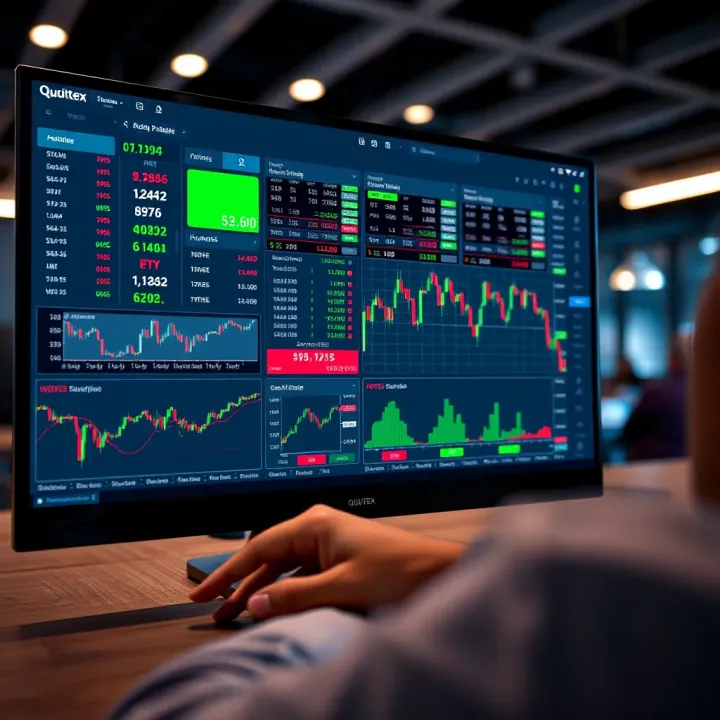
Quotex Broker Guide for Kenyan Traders
🔍 Discover how Quotex broker fits Kenyan traders with easy registration, M-Pesa deposits, wide trading options, and dependable safety measures for secure trading.
Edited By
Sophie Bennett
OlympTrade has become a popular online trading platform among Kenyan investors and traders seeking straightforward ways to grow their funds digitally. With growing interest in investment beyond traditional routes like shares or real estate, OlympTrade offers a user-friendly interface and quick access to financial markets.
Unlike complex brokerages, OlympTrade is designed for simplicity. You can start with as little as KSh 1,000, making it accessible for many Kenyans exploring digital investing. The platform supports trading in options, forex, and commodities—each with its own risk profile and reward potential.
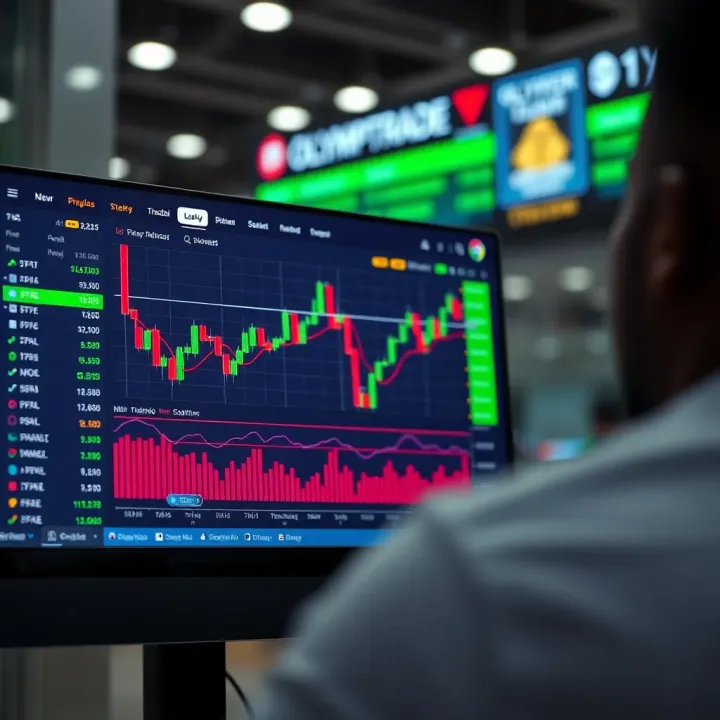
One main attraction for Kenyan users is the ease of funding accounts through M-Pesa and other local payment options. Withdrawals and deposits can be processed without having to visit a bank or use international cards, which can be cumbersome for many. This local payment integration removes barriers, making trading more convenient.
However, before jumping in, it’s important to understand the legal framework around online trading in Kenya. While the Capital Markets Authority (CMA) oversees securities trading, platforms like OlympTrade operate slightly differently. To avoid legal troubles or scams, Kenyan traders should verify whether a platform is registered with CMA or operate with recognised brokers.
Trading online carries risks. It’s wise to learn the basics of market behaviour and to start with small amounts you can afford to lose.
Starting with a demo account offered by OlympTrade helps you practise without risking your real money. This can sharpen your understanding of how trades work and aid in building strategies.
Many Kenyan traders appreciate OlympTrade’s educational tools, such as tutorials and webinars tailored for beginners. These resources demystify terms like "call" and "put" options or forex pips, giving you a clearer edge in decision-making.
To sum up, OlympTrade presents a practical, accessible entry point into online trading for Kenyans. It connects easily to local payment systems and offers a simple platform with valuable learning tools. That said, it demands caution, discipline, and proper knowledge to navigate successfully.
Next, we'll look at how to create an account and start trading with OlympTrade tailored for the Kenyan market.
Understanding the core of OlympTrade and its features is key for any Kenyan trader looking to make smart moves in online trading. This knowledge helps you navigate the platform with confidence, avoid unnecessary risks, and take full advantage of the tools available. OlympTrade’s features are designed to suit both beginners and experienced traders, which means knowing how they work is a practical step toward better trading outcomes.
Platform overview: OlympTrade is an online trading platform that lets you trade various financial assets through simple, user-friendly interfaces. It focuses mainly on options and forex trading, making it accessible for traders with different levels of experience. For example, a Kenyan trader can open an account with as little as KSh 500, giving many a chance to explore investing without committing too much capital upfront.
Types of assets available: OlympTrade offers several asset classes, including currency pairs like USD/KES, commodities such as gold and oil, indices representing major stock markets, and a range of popular stocks, including Apple and Tesla. This spread helps traders diversify their portfolios. If the Nairobi Securities Exchange (NSE) is your bread and butter, you’ll find the global indices here useful to hedge your investments or explore new markets.
User interface and tools: The platform features a clean, easy-to-understand user interface that highlights essential data without crowding the screen. Tools include real-time charts, technical indicators like moving averages and RSI (Relative Strength Index), and drawing options to mark trends. Such features empower traders to analyse market behaviour effectively and make decisions flagged by solid data rather than guesswork.
Mobile and desktop applications: OlympTrade supports both desktop and mobile apps available on Android and iOS devices. This means you can trade comfortably at home on your laptop or on the go using your mobile phone. Given Nairobi's busy lifestyle and road traffic, being able to monitor and execute trades anywhere gives Kenyan traders a major edge.
Demo account for practice: For new traders, OlympTrade offers a demo account loaded with virtual funds. This lets you familiarise yourself with trading mechanics and test strategies without risking real money. The practice account is critical in Kenya’s context because it removes initial fear and builds the confidence needed before you start investing actual cash.
Starting with a clear understanding of OlympTrade’s features puts you in control and can minimise costly mistakes, especially when trading in unfamiliar markets or with complex assets.
Understanding these features well will set a solid foundation for your trading journey on OlympTrade and help you make informed, timely decisions tailored to your financial goals.
Starting your trading journey with OlympTrade in Kenya involves a few straightforward steps, but understanding them clearly can save you time and hassle. For Kenyan traders, this section lays out the practicalities of opening an account, verifying your identity, and funding the account using local payment options like M-Pesa. These steps are crucial because they ensure you can trade smoothly without interruptions or compliance issues.
Creating an account on OlympTrade is simple and usually takes just a few minutes. You’ll need to provide basic information such as your name, email address, and phone number. For Kenyan users, it’s advisable to use an email you check regularly as OlympTrade sends important updates and trade confirmations there. Once registered, you immediately get access to a demo account which helps you practise without risking real money.
Verification documents needed include a national ID or passport and a proof of address like a utility bill or bank statement dated within the last three months. This step is not just bureaucracy; it’s about protecting you and your funds from fraud. For example, submitting your documents promptly helps avoid delays in withdrawal requests when you want to cash out your earnings. OlympTrade might also require additional documents if there is any mismatch or suspicion about the information provided, so keep your documents ready.
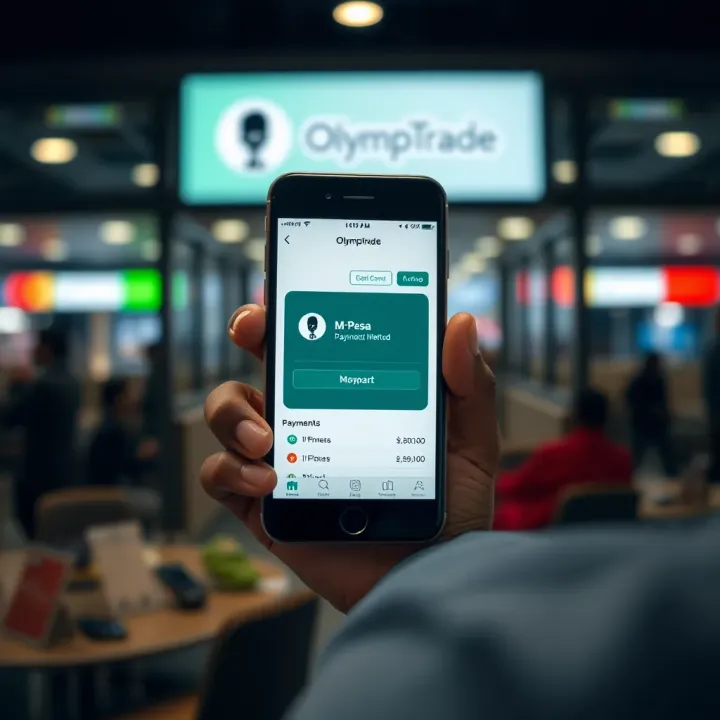
Funding options: M-Pesa, cards, and bank transfers offer versatile ways for Kenyan traders to load their accounts. M-Pesa is especially popular and reliable given its widespread use across Kenya. You can deposit money directly to your OlympTrade account through the Lipa Na M-Pesa service using the Till Number OlympTrade provides. Alternatively, debit or credit cards like those from Equity Bank or KCB are accepted, along with bank transfers for larger sums. These options cater to traders with different preferences and comfort levels, making it easy to get started with as little as KSh 1,000.
Currency handling and conversion may come into play since OlympTrade’s primary trading currency is usually US dollars, while Kenyans deposit in Kenyan Shillings. The platform automatically converts your KSh deposit at prevailing exchange rates. It’s practical to keep an eye on exchange rates, as fluctuations can affect how much local currency you need to fund your account. OlympTrade shows the converted balance clearly once the deposit clears, so you know exactly what you have to trade with.
Clear registration, verification, and deposit steps are the foundation for a smooth trading experience on OlympTrade, especially tailored for Kenyan users relying on local payment systems like M-Pesa and local currency conversion.
This section ensures you’re ready to start trading without stumbling over common onboarding issues that many new users face.
Trading on OlympTrade demands more than just placing bets on price movements; it requires practical strategies and thoughtful decision-making. For Kenyan traders, understanding core trading strategies and how to effectively use the platform can make the difference between consistent gains and avoidable losses. This section zooms in on foundational approaches and hands-on tips to help you trade confidently.
Understanding market trends is a starting point for any trader. Trends show the general direction of an asset's price over time—whether it's rising, falling, or sideways. By spotting trends early, you can enter trades with higher probability of success. For example, if maize prices in the commodity market on OlympTrade are on a steady uptrend, buying (going long) increases your chances of profit. Conversely, recognising when a trend is reversing helps you avoid losses or take quick positions in the opposite direction.
Learning to read charts and price actions is key here. Simple trendlines drawn on OlympTrade’s charts can help you spot support and resistance levels — prices where the market tends to bounce or face obstacles. Even for beginners, watching these — rather than guessing — provides a clearer guide on when to trade or pause.
Risk management basics go hand in hand with strategy. No matter how promising a trade looks, there’s always uncertainty. Managing risk means limiting how much you can lose on each trade and protecting your overall capital. This is especially relevant in volatile markets like currencies or cryptocurrencies where prices can shift rapidly.
Effective risk management on OlympTrade involves only risking a small portion of your total deposit on a single trade — many experienced traders stick to 1-2%. For instance, if you start with KSh 10,000, you might risk no more than KSh 100 or KSh 200 per trade. This helps preserve your funds over time, allowing you to handle losing streaks without wiping out your account.
Using technical indicators makes trading less about hunches and more about data. OlympTrade offers tools like Moving Averages, Relative Strength Index (RSI), and Bollinger Bands. These indicators show momentum, price volatility, and overbought or oversold conditions.
For example, RSI can help you decide if a stock or currency pair is due for a pullback if it’s overbought (above 70) or undervalued when oversold (below 30). Integrating these indicators should be done carefully. Combining one or two helps avoid information overload while giving a clearer picture of price movements.
Setting stop-loss and take-profit orders is vital for protecting gains and cutting losses automatically. A stop-loss order sets a maximum loss you’re willing to accept on a trade, while a take-profit locks in your earnings once a target price is hit.
On OlympTrade, suppose you buy coffee futures expecting a price rise from KSh 3,000 to KSh 3,200. You can set a stop-loss at KSh 2,900 to limit losses if the price drops unexpectedly and a take-profit at KSh 3,200 to secure your profit without needing to watch the market constantly. These tools allow you to trade with peace of mind, mitigating emotional decisions when prices fluctuate quickly.
Remember, discipline in using indicators and orders combined with sound strategies builds a strong foundation for successful trading on OlympTrade.
By mastering market trends, managing risk, using technical tools, and setting clear exit points, Kenyan traders can enhance their chances of steady returns. The platform’s user-friendly design makes these techniques accessible, even for those new to online trading.
Understanding the legal and regulatory landscape of OlympTrade is vital for Kenyan traders. It helps you gauge the safety of your investments and ensures that you follow local laws related to online trading.
Currently, OlympTrade is not regulated by Kenyan financial authorities like the Capital Markets Authority (CMA). This means it operates as an international broker without specific licensing or oversight in Kenya. Traders should note this because regulation affects how disputes are handled and how secure your funds are.
While OlympTrade holds licences in some other countries, Kenyan users do not have access to a local regulator’s protection. As a result, caution is necessary — you should trade only with amounts you can afford to lose and thoroughly research the platform’s terms.
Since OlympTrade lacks Kenyan regulation, you will not find recourse through local authorities if issues arise. This differs from regulated brokers who must adhere to strict transparency, capital requirements, and dispute resolution frameworks. For example, if a trader faces withdrawal problems with OlympTrade, Kenyan regulators cannot directly intervene.
That said, OlympTrade does provide its own customer support and adheres to some international standards, but these are not a substitute for local regulatory protection. So, managing your risk, verifying the validity of offers, and using secure payment methods become even more crucial.
Any profits made from trading on OlympTrade are subject to Kenyan tax laws. According to the Kenya Revenue Authority (KRA), income from online trading is taxable and should be declared as part of your total income for the year.
Traders should keep accurate records of deposits, withdrawals, and profits. This makes it easier to calculate gains and comply with tax filing requirements. For example, if you earned KS50,000 in profit from OlympTrade trading over 12 months, this income needs to be included when filing your annual returns.
When submitting your tax returns, declare your trading income under "other income" or "investment income" as specified by KRA guidelines. Professional advice from a tax consultant can help you identify allowable deductions, such as trading-related expenses.
Using KRA's iTax portal for reporting is straightforward once you have gathered your records. Accurate reporting protects you from penalties or future disputes with tax authorities.
Always treat online trading income as real earnings and report them. This keeps you on the right side of the law and helps avoid complications later.
In summary, Kenyan traders on OlympTrade should be aware that the platform is unregulated locally, requiring careful risk management. At the same time, tax compliance remains a must, with proper income declaration and record keeping essential for smooth trading experience.
Trading on OlympTrade carries potential rewards, but it also comes with risks that Kenyan traders must understand clearly. Managing risks is vital to protect your capital and avoid unnecessary losses. At the same time, being aware of common pitfalls, especially scams, can save you from financial harm and stress.
Financial markets can shift quickly, and pricing on assets available on OlympTrade is no exception. Volatility means that prices rise and fall sharply, often without clear reason. For instance, a political event in Kenya or sudden global news may cause markets to react unexpectedly. This unpredictability can mean quick gains but also sudden losses.
As a practical example, if you trade commodities like gold or oil, their prices might swing within minutes due to international developments. Traders need to stay alert and avoid assuming the market will move as predicted. Using small trade amounts when testing the waters on OlympTrade may help manage this unpredictability.
Trading does not guarantee profits; losing some or all of your invested money is a real possibility. Suppose you put KSh 5,000 on a binary option expecting a stock price to go up, but it goes down instead. You could lose the entire amount in that trade.
This risk makes it essential to use sound money management practices. Many traders advise never risking more than 2–5% of your total trading capital on one trade. Setting stop-loss orders on the platform can limit losses if the market moves against your position. Always be prepared mentally and financially to handle losses for long-term trading.
In Kenya’s growing online trading scene, scams have unfortunately become common. Red flags include promises of guaranteed returns, unsolicited calls from "account managers", and requests for upfront payments for training or software upgrades. If someone pressures you to send money quickly or to move funds to accounts outside OlympTrade, be suspicious.
Be cautious when evaluating offers. Real trading requires patience and carries no guaranteed income. If an offer sounds too good to be true, it probably is.
Using trustworthy payment options helps protect your funds. OlympTrade supports payments via M-Pesa, bank cards, and local bank transfers—methods familiar to most Kenyans. Always use the official platform interfaces for deposits and withdrawals.
Avoid sending money via informal channels or to individuals claiming to represent OlympTrade outside the official system. Scammers often exploit these loopholes. Keep your login details private and enable two-factor authentication if available. This extra security step can prevent unauthorised access to your account.
Protecting your investment starts by understanding risks and staying alert for scams. Careful, informed trading is your best defence on OlympTrade.
By following these guidelines, you build a foundation for safer trading that balances opportunity with caution—crucial for success in Kenya’s dynamic trading environment.
🔍 Discover how Quotex broker fits Kenyan traders with easy registration, M-Pesa deposits, wide trading options, and dependable safety measures for secure trading.

Discover key insights about Olymp Trade for Kenyan traders 📊. Learn about platform features, reliability, regulation, and trading benefits plus risks before using it.

📈 Learn how Kenyan traders can combine Deriv platform and TradingView charts to make smarter trades. Get setup tips, key features, and risk management advice.

📈Explore binary options trading in Kenya with clear insights on basics, risks, strategies, regulation, and choosing trusted platforms for smarter investing.
Based on 6 reviews