
Deriv and TradingView Guide for Kenyan Traders
📈 Learn how Kenyan traders can combine Deriv platform and TradingView charts to make smarter trades. Get setup tips, key features, and risk management advice.
Edited By
Sophie Reynolds
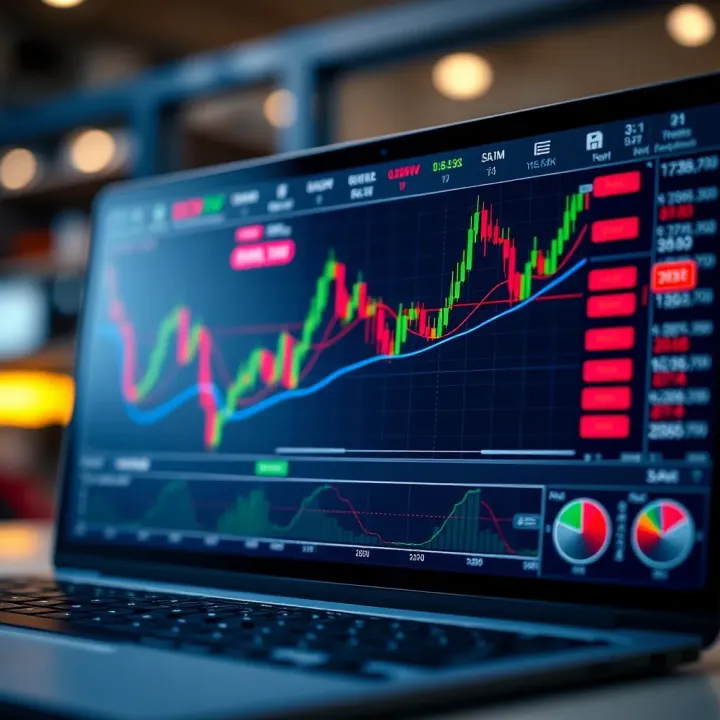
TradingView has become a go-to platform for many traders around the world, including those in Kenya. It offers comprehensive charting tools that allow you to analyse various financial markets—from stocks listed on the Nairobi Securities Exchange (NSE) to global commodities like oil and gold.
At its core, TradingView presents price data visually through charts, making it easier to spot trends and potential trade opportunities. Whether you’re tracking Safaricom shares or forex pairs USD/KES, the charts help you understand market movements.

The platform supports different chart types like candlesticks, bar charts, and line charts, each giving a unique perspective. Most Kenyan traders rely on candlestick charts because they display price action clearly with open, close, high, and low prices within a time frame. This detailed information can reveal market sentiment quickly.
Customising your charts is crucial. TradingView lets you adjust time frames—from minutes to months—to suit your trading style. Day traders might focus on 5-minute or 15-minute charts to make quick decisions, while longer-term investors prefer daily or weekly views to gauge the broader trend.
A well-set chart is like a neat shamba — it helps you see where your crops (or trades) will thrive and where they might fail.
Another key feature is the range of technical indicators you can add. Popular tools like the Relative Strength Index (RSI), Moving Averages, and Bollinger Bands help Kenyan traders identify overbought or oversold conditions and confirm trend directions. Using these indicators alongside price action can improve your buying or selling decisions.
TradingView also has tools for drawing support and resistance lines, trend lines, and Fibonacci retracements. These tools assist in pinpointing entry and exit points, crucial for managing risk and maximising profits.
In short, understanding TradingView charts is about more than just looking at price movements. It’s about knowing which tools to apply, how to customise your view, and how to interpret the data for smarter trading. For Kenyan traders juggling both local market quirks and global influences, mastering these basics is a step towards informed, confident trading.
TradingView charts are fundamental tools for anyone serious about trading, especially in Kenya where local and global markets converge. This section introduces you to TradingView's platform, explaining what it offers, its market coverage, and why it stands out in trading. With these insights, you'll see how the platform fits into the daily routines of Kenyan traders.
TradingView is a web-based charting and social networking platform for traders and investors. It offers an easy-to-use interface where traders can view real-time market data, create custom charts, apply technical indicators, and share strategies. For Kenyan traders, TradingView eliminates the need to download bulky software, as all analysis happens online, whether you are on a laptop, tablet, or mobile phone.
The platform covers a wide range of markets including the Nairobi Securities Exchange (NSE), East African markets, and global exchanges like NYSE, NASDAQ, and LSE. This extensive coverage is practical for Kenyan traders who follow both local stocks and international commodities or forex. For example, if you trade Safaricom shares on NSE but want to hedge by viewing the dollar index or Brent crude oil prices, you can do so all on TradingView.
TradingView’s interface is designed for simplicity without sacrificing functionality. It loads quickly on 3G and 4G networks common in Kenya and offers multiple languages, including English and Swahili. The clean layout helps users navigate between charts, indicators, and alerts easily. For traders often on the move, this accessibility supports quick decision-making without getting bogged down in complicated menus.
One key advantage of TradingView is real-time price updates for many instruments. Kenyan traders benefit particularly when trading NSE stocks or foreign exchange pairs, where prices can shift rapidly. Having live data reduces the lag common with other platforms and helps traders enter or exit positions promptly, especially during high volatility.
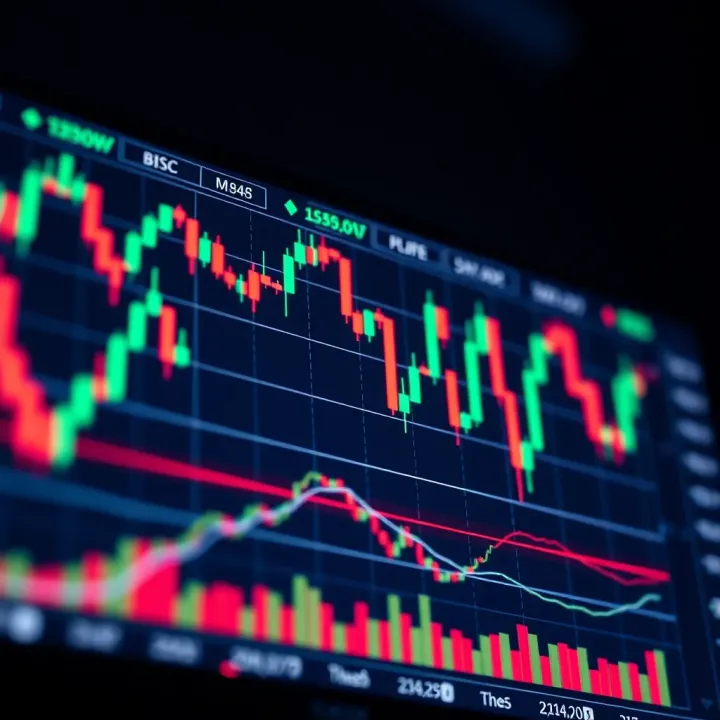
TradingView’s charts allow clear visual analysis using candlesticks, line charts, and bar charts. You can spot market trends and reversals at a glance, which is invaluable when watching multiple markets or intraday moves. For instance, a trader analysing EMA crossings on a Safaricom daily chart can adjust strategy faster than relying on numbers alone.
Another practical feature is the integration with brokerage accounts. Some brokers compatible with TradingView allow direct order placement from the charts, cutting steps in execution. While this feature may still be growing in Kenya, it helps reduce execution time and errors. Eventually, Kenyan brokers tied to TradingView will allow seamless trading, linking your analysis directly to your investments.
Using TradingView charts equips Kenyan traders with tools to respond quickly to market changes, combining local NSE data with global market views. The platform’s accessibility and features make it a cornerstone for effective trading.
TradingView charts offer various features that make market analysis easier and more effective for traders in Kenya. Understanding the types of charts and the way you use time frames can greatly improve how you read market movements and make decisions. These tools help you spot trends, identify entry and exit points, and manage risk better.
Candlestick charts are the most popular among traders because they give detailed information about price movement. Each candle shows the opening, closing, high, and low prices for the selected period, making it easy to identify market sentiment. For example, a long green candle suggests strong buying pressure, which Kenyan traders on the Nairobi Securities Exchange (NSE) might use to time their purchase of Safaricom shares.
Line charts connect closing prices over a set period with a single line. This style simplifies market trends and helps focus on overall direction without the noise of intraday volatility. Beginners or traders interested in long-term trends find line charts useful, especially when analysing steadier sectors like banking or agriculture.
Bar charts show price action similar to candlesticks but with vertical bars. Each bar displays the high and low prices with horizontal ticks marking the opening and closing points. This chart type suits traders who want precise price details without the visual complexity of candlesticks. When trading forex pairs like USD/KES, bar charts help spot minute price fluctuations.
Other chart styles used in trading include Renko, Heikin Ashi, and Point and Figure charts. Renko removes time from the equation, focusing only on price movement, which can highlight strong trends. Heikin Ashi smoothens price data, making it easier to spot trends and reversals. Although less common, these styles offer alternative views that may suit different strategies in both local and global markets.
Intraday to monthly time frames give traders flexibility in market analysis. Intraday charts, like 5-minute or 15-minute windows, help scalpers and day-traders catch quick price moves. For example, a trader in Nairobi might trade Safaricom shares based on 15-minute charts during market hours. On the other hand, daily, weekly, or monthly charts suit investors focused on longer-term growth, ignoring day-to-day noise.
Selecting the right time frame for your strategy is essential. Short-term traders prefer smaller intervals to react swiftly, while long-term investors use broader frames to identify overall trends and avoid false signals. A Kenyan trader combining NSE data with global cues might use daily charts for trend direction and 1-hour charts to fine-tune entry points during volatile sessions.
Remember, the choice of chart type and time frame should match your trading style and the market you’re analysing. This balance helps manage risk and optimises decision-making.
The key to success lies in practising with these features until you understand which combination works best for your trading goals.
Mastering chart customisation helps traders focus on what matters and make faster, better decisions. TradingView lets you tweak chart appearance and behaviour, which can make analysing fast-moving markets like the Nairobi Securities Exchange (NSE) easier. When charts match your style and preferences, you’re less likely to miss crucial signals or choke under information overload.
Colour schemes and themes allow you to pick chart looks that suit your eyes and trading hours. For example, many prefer a dark theme for night trading to reduce eye strain, especially during late market monitoring after work hours. Others might choose brighter colours for daylight sessions when natural light is ample. Customising candle colours or volume bars to contrasting hues can also help spot price movements quicker in lively markets like NSE’s, where speed matters.
Adjusting scales and axes tweaks how price and time data are displayed, which is handy for detailed analysis. You might switch between logarithmic and linear scales to better reflect percentage changes, especially helpful in volatile stocks like Safaricom or Equity Bank where prices can swing sharply. Also, resizing axes keeps the chart uncluttered by focusing on relevant data ranges. For instance, zooming in on last month’s price action improves spotting short-term trends amid noise.
Saving your chart layouts is crucial so you don’t waste time rebuilding your workspace every day. Once tailored—say with your favourite colour theme, specific indicators, or chart scale—you simply save the setup and load it on any device. This comes in handy for Kenyan traders switching between office desktops and mobile phones while keeping consistent visual context.
Setting price alerts is a handy feature where you pinpoint a price level and receive instant notifications when the market hits it. For example, if you track KCB shares and want a nudge when it breaks above KSh 42, alerts keep you posted without nonstop screen-watching. This can save time and focus, freeing you for other tasks or even bridging internet downtime during busy matatu rides.
TradingView provides flexible notification options on mobile and desktop. Alerts can come via app pop-ups, emails, or even SMS, letting you stay updated whether at home or in a Nairobi traffic jam. The notification type suits different lifestyles and urgency levels; a desktop alert might work at your workplace, while mobile notifications keep you connected when outside.
Using alerts for risk management helps protect investments. You can set alerts for stop-loss levels or sudden volatility to act fast if markets turn against you. For instance, if an NSE stock dips below a threshold, immediate alerts allow quick exits before losses deepen. This proactive approach helps Kenyan traders guard their portfolios without glued screens.
Customisation in TradingView charts isn’t just about aesthetics; it’s about building an efficient workflow that adapts to your trading style, daily schedule, and local market conditions. Making your charts and alerts work for you pays off in sharper decisions and better outcomes.
Technical indicators and drawing tools are essential parts of chart analysis on TradingView. They help traders spot potential market movements, confirm trends, and make better entry or exit decisions. For Kenyan traders dealing with both the Nairobi Securities Exchange (NSE) and global markets, these tools offer a structured way to interpret price action beyond what the raw charts show.
Indicators like moving averages smooth out price data to reveal trend directions, while oscillators such as RSI gauge the strength or weakness of price swings. Drawing tools enable you to mark support and resistance levels or identify chart patterns, enabling a deeper understanding of how market forces interact.
Moving averages are one of the simplest yet most powerful tools for trend analysis. They calculate the average price over a set period, which helps smoothen out daily fluctuations. Common types include the simple moving average (SMA) and exponential moving average (EMA). For example, a 50-day SMA lets you see the medium-term trend. When the price crosses above this average, it might signal a bullish move. Kenyan traders often pair moving averages with other indicators to confirm signals, especially during volatile periods in NSE stocks.
The Relative Strength Index (RSI) is an oscillator that measures the speed and change of price movements, ranging from 0 to 100. Readings above 70 suggest an asset might be overbought and due for a pullback, while below 30 signals oversold conditions and a possible bounce. RSI suits markets like the NSE where short-term fluctuations can be sharp. For instance, if an NSE stock hits an RSI of 80, it might warn traders to watch closely for reversing price action.
MACD (Moving Average Convergence Divergence) and Bollinger Bands work together to reveal momentum and volatility. MACD compares two EMAs, helping spot trend shifts through crossovers and histogram changes. Bollinger Bands plot standard deviations around a moving average, indicating if prices move outside normal ranges. For example, if a stock price on NSE moves beyond the upper Bollinger Band, it’s possibly overextended, signalling a reversal or consolidation ahead. Using these indicators in tandem helps Kenyan traders balance timing and risk.
Trend lines and support/resistance levels are basic yet vital drawing tools to identify market direction and key price zones. A trend line connects rising lows in an uptrend or falling highs in a downtrend, giving a clear visual of momentum. Support levels are price points where demand typically halts a fall, while resistance levels cap upward moves. For instance, if Safaricom shares repeatedly bounce at KSh 30, that price acts as support. Recognising these helps you set stop-loss orders or target prices.
Fibonacci retracements use horizontal lines at key percentages (23.6%, 38.2%, 50%, 61.8%) to predict possible reversal points after a strong price move. Traders on the NSE may use Fibonacci levels after a sharp rise in stock price to find where a pullback might end before the uptrend resumes. It is particularly useful in markets influenced by international factors, where reversals sometimes happen around these natural ratios.
Using drawing tools for pattern recognition involves marking chart formations like head and shoulders, triangles, or double tops/bottoms. These patterns hint at potential trend continuations or reversals. Kenyan traders can improve decision-making by combining these visual clues with indicator signals. For example, spotting a bullish triangle pattern far improves your chance of catching an upswing in a volatile NSE counter.
Combining technical indicators with precise drawing tools provides a fuller picture of market behaviour, crucial for Kenya’s mixed local and global trading environment. Being able to interpret these charts carefully will help you avoid impulsive decisions and trade with more confidence.
TradingView's value for Kenyan traders lies in its ability to blend global market insights with local data, allowing users to make clearer, timely decisions. With Nairobi Securities Exchange (NSE) listings available alongside major international stocks and commodities, traders get a comprehensive view without switching platforms.
Nairobi Securities Exchange coverage ensures that traders see real-time price movements of blue-chip and mid-tier NSE stocks. This access is crucial for those keen on sectors like banking, telecommunication or agriculture, which have unique market rhythms compared to global counterparts. For instance, tracking Safaricom shares throughout the day helps investors spot trends influenced by local economic or political events.
Linking TradingView with Kenyan brokerage accounts streamlines execution. Many Kenyan brokerages allow API or trading terminal integration with TradingView, reducing the hassle of toggling between analysing charts and placing trades. A trader might analyse NCBA Bank’s price action on TradingView, then execute order directly via their brokerage platform, saving time and reducing errors.
Using TradingView alongside local apps like M-Pesa enhances practical trading workflows. Since M-Pesa dominates payments and transfers in Kenya, traders often fund their brokerage or receive dividends through it. M-Pesa notifications can alert traders when funds are available, complementing the alerts set on TradingView for price movement or volume surges—both working together to keep the trader responsive.
Adapting strategies to local market behaviour is key. The NSE can show bursts of activity linked to local events such as government budget releases, political rallies or agricultural harvest reports. Traders should adjust their approach by combining technical signals with an eye on local news to avoid being caught off guard.
Combining global and local market trends lets traders anticipate moves better. For example, a rise in oil prices internationally may affect Kenya’s petrol stocks or transportation companies on the NSE. Keeping tabs on global commodities through TradingView charts, alongside NSE equities, provides a fuller picture.
Managing risks in volatile markets needs practical safeguards. Kenyan markets can be jumpy during election cycles or unexpected diplomatic tensions. Setting stop-loss orders and using TradingView’s alert system to monitor sudden price swings helps protect capital. Practically, this might mean placing alerts slightly above or below crucial support levels and withdrawing funds promptly when signals suggest downturns.
For Kenyan traders, blending local knowledge with global analysis tools on TradingView is the winning strategy. This approach helps navigate the unique challenges and opportunities present in Kenya’s evolving market space.
By integrating TradingView with other local financial tools and keeping strategies flexible to local conditions, Kenyan traders can improve their chances of profitable decisions. Whether dealing with Safaricom, Equity Bank, or global assets, TradingView charts offer a reliable platform tailored to Kenyan trading realities.
📈 Learn how Kenyan traders can combine Deriv platform and TradingView charts to make smarter trades. Get setup tips, key features, and risk management advice.
🔍 Discover how Quotex broker fits Kenyan traders with easy registration, M-Pesa deposits, wide trading options, and dependable safety measures for secure trading.
Discover key insights about Olymp Trade for Kenyan traders 📊. Learn about platform features, reliability, regulation, and trading benefits plus risks before using it.
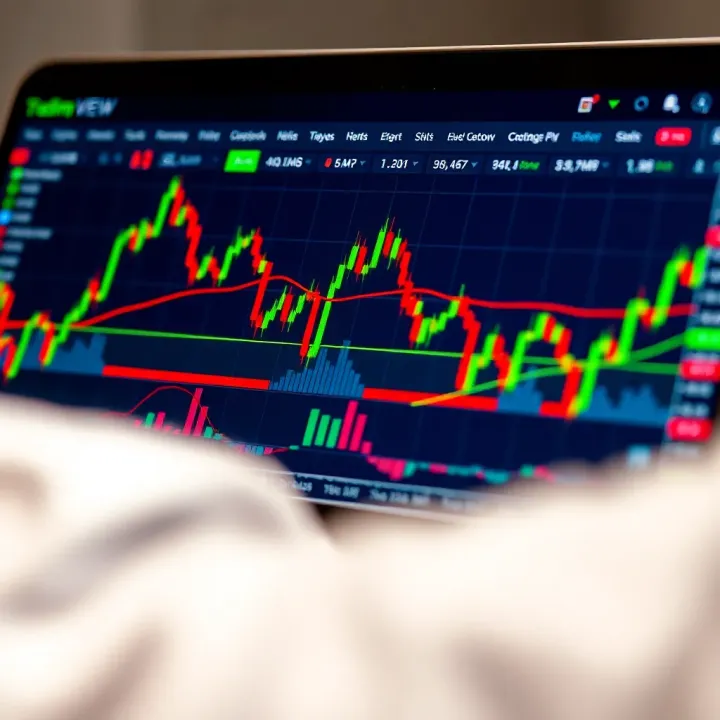
📈 Discover how Kenyan traders can set up TradingView and integrate it with Deriv for sharper chart analysis, better technical tools, and improved trading results locally.
Based on 12 reviews