
How Trading Bots Work in Modern Markets
🤖 Learn how trading bots operate, their types, benefits, and risks in Kenya's markets. Get practical tips to trade smarter and safely with automation tools.
Edited By
Liam Edwards
Trading robots have become a common tool in financial markets worldwide, including among Kenyan traders. Simply put, they are software programs that automatically buy or sell assets according to specific instructions set by traders. These instructions come from algorithms — step-by-step rules based on technical indicators, price patterns, or other market data.
By taking the human emotion out of trading, these automated systems can execute trades quickly and consistently. For example, a robot might be programmed to buy shares on the Nairobi Securities Exchange (NSE) whenever the 50-day moving average crosses above the 200-day moving average, a popular technical signal. Once triggered, the robot places the order immediately without waiting for manual input.

Automated trading can significantly reduce the time traders spend glued to screens and can improve reaction time, which is crucial in fast-moving markets.
There are various kinds of trading robots, from simple ones that follow basic moving average crossovers to complex systems incorporating artificial intelligence and machine learning. They can trade forex, stocks, commodities, or even cryptocurrencies through platforms like MetaTrader or proprietary brokerage software.
That said, automated trading is not foolproof. The effectiveness depends heavily on the algorithm’s quality and the market conditions. For instance, a robot designed for trending markets may perform poorly during sideways or volatile periods. Kenyan traders must also keep in mind transaction costs, internet connectivity reliability, and local regulations managed by the Capital Markets Authority (CMA).
Key benefits of trading robots include:
Speed: Execute trades faster than manual orders.
Consistency: Follow strategies without emotional bias.
Backtesting: Ability to test strategies on past market data before going live.
However, users should be careful about:
Algorithm errors or bugs leading to unexpected losses.
Over-optimising strategies for past data (curve-fitting).
The need for constant monitoring to adjust strategies with market changes.
Understanding how these robots work helps traders integrate technology effectively and avoid costly mistakes. Kenyan investors interested in automated trading should consider their trading goals, risk tolerance, and access to reliable platforms before diving in.
Understanding how trading robots function in financial markets helps traders and investors grasp their practical utility and limits. These automated systems turn carefully designed strategies into trades without constant human oversight, making them especially useful in fast-moving markets like forex or Nairobi Securities Exchange equity trading. Knowing the principles behind their operation allows you to select and use the right tools wisely and avoid common pitfalls.
Trading robots start with programming specific strategies into software. This means translating a trader's rules—such as entering when a moving average crosses another—into precise computer commands. For instance, if your strategy targets buying USDKES when certain economic indicators align, the robot will monitor these conditions continuously and execute trades instantly once triggered.
The advantage is consistency; robots don’t forget or get tired, unlike humans who might hesitate or act emotionally. This programming also enables backtesting—running historical data through strategies to see how they'd have performed. Such tests help refine approaches before risking real money.
At the heart of trading robots lie algorithms—step-by-step procedures calculating when to buy or sell based on indicators like RSI (Relative Strength Index) or Bollinger Bands. These indicators measure market conditions such as momentum or volatility, offering signals that the algorithm reacts to.
For example, a trend-following robot might use a simple moving average crossover algorithm to detect when a stock or currency is gaining momentum. These calculations happen within milliseconds, capturing fleeting opportunities that a manual trader might miss.
Once the programmed conditions meet, trading robots execute orders automatically—no human clicking required. This feature is vital in volatile markets where delay means lost profits or bigger losses. For example, during Nairobi Securities Exchange opening hours, a trading robot can react immediately to price gaps or breaking news events, placing trades faster than any human could.
Automatic execution also means trades can happen 24/7, a huge advantage for markets like forex that never sleep. Kenyan traders benefit by accessing global markets regardless of local time.
Forex, or foreign exchange, remains the primary playground for automated trading. Robots trade pairs such as USDKES, EURUSD, or GBPUSD, spotting trends and price patterns that inform buying or selling decisions. The 24-hour nature of forex suits automated systems well, which can respond to events like Central Bank of Kenya policy shifts or geopolitical developments promptly.
This dynamic allows Kenyan traders to take positions at any time and potentially profit from currency fluctuations with defined risk.
Automated trading extends to stocks listed on exchanges including NSE. Here, robots might scan equities like Safaricom or KCB Group for buying or selling signals based on technical analysis. Since stock markets have fixed trading hours and regulations, robots must be configured to operate only when markets are open.
They can also manage a portfolio by diversifying trades across sectors or adjusting positions when share prices react to earnings reports or macroeconomic data.
Trading robots also participate in commodities like coffee, tea, and gold, which Kenya produces or trades in. Indices such as NSE 20 or FTSE 100 can be traded through robots using price trends and volatility indicators.
These instruments offer alternatives for traders seeking exposure beyond currencies and stocks. For example, a robot might detect a spike in gold prices due to global inflation worries and place timely buy orders, helping traders capture profit opportunities without manually tracking complex global trends.
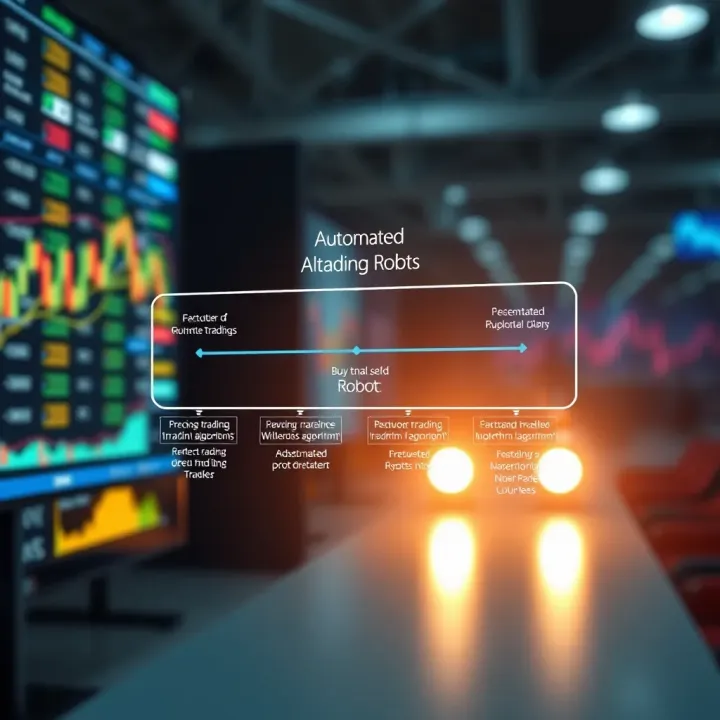
Effective trading robots mix programmed strategies, fast algorithms, and automatic execution to operate across various markets, providing Kenyan traders with powerful tools when used wisely and cautiously.
Trading robots have changed how many people, including Kenyans and global traders, engage with financial markets. These automated systems execute trades based on algorithms, promising speed and efficiency. Understanding their pros and cons is key before relying heavily on them for your investments.
Trading robots operate non-stop, monitoring markets 24 hours a day without breaks. This is especially handy in markets like forex, which run round the clock. For Kenyan traders, this means no missed opportunities even during odd hours when manual trading would be difficult, such as late at night or early morning.
Because robots react instantly to price changes based on preset rules, they can enter or exit trades faster than a human ever could. For example, if a currency pair hits your target price at 2 am Nairobi time, the robot will act immediately, locking in profits or cutting losses without delay.
One major issue traders face is emotional bias—fear, greed, or impatience can cause rash decisions. Trading robots stick strictly to their programmed rules, removing emotions from the equation. This consistency often leads to more disciplined trading and prevents panic selling or holding onto losing positions too long.
In practice, a Kenyan trader might avoid the temptation to keep ‘hoping’ a losing trade will recover, thanks to a robot that closes positions automatically once conditions are met. This helps protect capital.
Before risking real money, these systems allow traders to backtest strategies using historical data. Backtesting shows how a robot would have performed in past market conditions, highlighting strengths and weaknesses.
For instance, a trader interested in trading Nairobi Securities Exchange (NSE) stocks can test their algorithm against previous NSE market data to check its viability. It’s like rehearsing the play before the actual game, increasing confidence and reducing chances of costly mistakes.
Even the best robots depend on reliable internet and platform stability. If your connection drops or the trading platform crashes, trades might not execute as planned. In Kenya, where power outages or unstable internet happen occasionally, this risk is real.
A loss of connection during a critical moment can lead to missed exits or entries, resulting in unexpected losses or missed profits.
Sometimes, traders over-optimise their strategies to perform perfectly on historical data, a mistake known as "curve fitting." Such strategies tend to fail in real trading because they are too narrowly tweaked to past events.
Poorly designed algorithms might also ignore important market conditions, leading to poor performance. It’s important to strike a balance and not rely blindly on past results without continuous evaluation.
Trading robots follow fixed rules and can’t react well to sudden, unprecedented events—like political upheaval in Kenya or surprise economic announcements—that drastically change markets.
For example, during Kenya’s 2022 general elections, markets experienced unusual volatility. A robot fixed to normal conditions might either shut out prematurely or hold onto losing trades because its rules don’t cover such black swan events.
While trading robots bring advantages like speed and discipline, they aren’t foolproof. Traders must understand their limitations, especially in markets as dynamic as those in Kenya and beyond.
Balancing the benefits with mindful management of risks will help you avoid surprises and make automated trading work to your advantage.
Understanding the different types of trading robots is key when deciding which automated system suits your trading style and goals. Not every robot works well across all markets or strategies, so picking the right one involves knowing their strengths, limitations, and how they align with your financial objectives.
Trend-following bots focus on tracking market direction to ride profitable waves. They look for clear price trends—like a steady rise or fall in currency pairs or stocks—and open trades following this movement. For example, a trend-following bot might buy EUR/USD when the euro shows consistent strength over several hours. These robots are practical for markets with clear momentum but can struggle during sideways price action or sudden reversals.
Arbitrage bots exploit small price differences for the same asset across different markets or platforms. Imagine the Nairobi Securities Exchange (NSE) listing a stock slightly below its price on another East African exchange; an arbitrage bot would quickly buy low and sell high to lock in risk-free profit. This requires lightning-fast execution and reliable connectivity but can be beneficial in less efficient Kenyan or regional markets where price gaps occasionally appear.
Scalping robots make numerous trades within short periods, aiming to profit from tiny price movements. Typically used in the forex market, these bots might open and close positions within minutes or seconds, relying on tight spreads and low latency. For Kenyan traders, scalping robots can fit mobile internet setups if brokers provide fast execution. However, they demand strict discipline and often higher transaction costs, which traders must factor in.
Considering reliability and track record is fundamental. A robot with a history of consistent performance across market conditions should count higher than one promising quick, unrealistic gains. Kenyan traders can review verified results, ideally with live account proof rather than just backtesting. Reliability also encompasses software stability; frequent crashes or failed trades can erode profits quickly.
Compatibility with brokers and platforms matters since not all robots work with every trading platform. MetaTrader 4 and 5 are popular among Kenyan traders for automated strategies, and choosing a robot compatible with your broker and platform ensures smooth operation. Plus, some brokers might have restrictions on automated trading or limit certain types of robots, so confirming this beforehand prevents surprises.
Cost versus potential return is another consideration. While some trading robots come free or cost a one-time fee, others charge monthly subscriptions or take a percentage of profits. Kenyan traders should weigh these costs against realistic profit expectations and avoid robots with high fees but poor performance. Sometimes, investing in a moderately priced, well-tested robot pays off better than chasing the cheapest option.
Selecting the right trading robot involves more than technology; it requires careful research, realistic expectations, and alignment with your trading goals and market conditions. Reliable, compatible, and cost-effective robots tend to offer better chances for steady returns.
The use of trading robots in Kenya is growing, but navigating the regulatory environment is key to protecting your investments. The Capital Markets Authority (CMA) oversees many aspects of automated trading, ensuring that the market remains fair and secure for all participants. This regulatory framework shields traders from fraudulent practices and lays down the ground rules for ethical trading.
The CMA acts as the watchdog for Kenya’s capital markets, including automated trading systems. It sets licensing requirements for brokers and trading software providers to safeguard investors. For instance, any platform offering automated trading must comply with CMA’s guidelines on transparency and financial reporting. This oversight is practical because it helps reduce scams and unfair advantages, creating a level playing field.
Automated trading must also follow Kenya’s broader financial laws, such as anti-money laundering (AML) rules and investor protection laws. Licensed operators are required to conduct proper customer due diligence and report suspicious transactions. This ensures that trading robots aren’t exploited for illegal financial activities, which can be a real risk if you pick an unregulated system. Kenyan traders benefit by knowing their funds and data are handled according to these laws.
Using unregulated trading robots carries significant risks, including loss of funds, data theft, or exposure to faulty trading programmes. There have been cases where unscrupulous providers promised high returns only to vanish with investors’ money. Without regulatory oversight, there is little recourse for traders in Kenya, so being cautious about the source of your trading robot is essential.
Always verify if your broker and robot provider are CMA-licensed to avoid falling prey to scams that can wipe out your savings.
Kenyan traders should stick to well-known and CMA-approved software providers. Established platforms like MetaTrader offer automated trading tools with transparent history and reliable customer support. Avoid unknown providers promising guaranteed quick profits without clear track records. Checking user reviews, company registration, and regulatory status offers real protection when investing your shillings.
Before risking real cash, try demo accounts that simulate live market conditions without financial risk. This lets you get familiar with how the robot works, test different strategies, and assess performance. Many brokers in Kenya provide free demo accounts linked to their automated tools; this is a no-brainer step to avoid costly mistakes early on.
Even with automated robots, managing risk remains crucial. Set clear stop-loss levels and daily trade limits within your software to prevent large unexpected losses. Diversify your investment rather than putting everything into one robot or strategy. Kenyan traders often combine robots with manual oversight to intervene quickly when market conditions change unexpectedly.
In summary, understanding Kenya’s regulatory environment and practising safe use of trading robots protects you from major risks and improves your chances of steady returns. Taking these measured steps will help you trade smarter in the automated space.
Entering the world of trading robots in Kenya offers an opportunity to automate financial market trades, saving time and reducing emotional decision-making. However, success depends on understanding how to set up accounts, access suitable platforms, and monitor robot performance regularly. This section gives practical steps tailored to Kenyan traders keen on automated systems.
Selecting brokers that support automated trading is the first step. Not all brokers allow the use of trading robots, so it's important to choose one licensed by the Capital Markets Authority (CMA) with a good reputation. Brokers such as Exness, HotForex, and FXTM operate in Kenya and permit automated trading through platforms like MetaTrader. Picking a broker with reliable execution and access to the right instruments helps avoid issues like delayed order processing or slippage.
Once you select a broker, the next step is linking with trading platforms like MetaTrader. MetaTrader 4 and MetaTrader 5 (MT4/MT5) are popular because they offer user-friendly interfaces that support custom expert advisors (trading robots). These platforms allow you to upload your robot and test it in a demo account before moving to live trading. For example, a trader in Nairobi could start by creating a demo MT4 account with FXTM to experiment with robot settings and understand trade execution.
Payment options are also crucial. Thankfully, Kenyan traders enjoy local payment methods including M-Pesa integration with many brokers. Instead of relying on international wire transfers or credit cards, traders can fund their accounts quickly and safely using M-Pesa or Airtel Money. This ease of deposit and withdrawal enhances user experience and reduces barriers for those starting with smaller capital.
Successful use of trading robots involves regularly reviewing trading results. Automation does not mean 'set and forget'. Checking trade history and performance metrics daily helps identify if the robot meets expectations or if adjustments are needed. For instance, a trader may notice that a certain strategy struggles during high-volatility periods, signalling the need to fine-tune parameters.
Adjusting parameters based on market conditions is essential because financial markets constantly shift. A robot programmed with settings that worked months ago might underperform now. Adjustments could involve changing stop-loss levels or trade frequency. Kenyan traders should track global events affecting forex pairs like the USD/KES or commodities to adapt their robots accordingly.
Knowing when to intervene manually is just as important. Automated systems respond to programmed rules but can't account for sudden shocks such as political unrest or unexpected central bank announcements in Kenya or abroad. In such cases, pausing the robot or manually closing trades prevents avoidable losses.
Automation simplifies trading but demands active supervision. Kenyan traders should combine robot power with human judgment for best results.
By following these steps and practices, Kenyan traders can enter the automated trading space more confidently, balancing convenience with control over their investments.
🤖 Learn how trading bots operate, their types, benefits, and risks in Kenya's markets. Get practical tips to trade smarter and safely with automation tools.
📈 Understand volatility indices, how they influence market moves, and their role in trading. Learn risks and what they mean for Kenyan investors today.
📉 Understand the VIX – the market’s barometer of risk and investor mood. Learn how this index guides trading decisions here and across global markets.
📈 Understand global trading sessions, their effects on market moves, liquidity, and strategies. Learn how Kenyan traders can timing trades for better results in worldwide markets.
Based on 13 reviews