
Top Trading Bots for Kenyan Traders: A Practical Guide
Explore top trading bots for Kenyan traders 📈. Learn how they work, key features, security tips 🔒, legal insights ⚖️, and smart choices for automation.
Edited By
Edward Price
Trading sessions define the hours when markets around the world are open for business, shaping the everyday rhythm of buying and selling across currencies, stocks, and commodities. For anyone involved in global trading, understanding these sessions isn't just curiosity—it’s essential to navigate price swings and liquidity effectively.
There are three main trading sessions that dominate the global scene: the Asian, European, and North American sessions. Each comes with its own market behaviour, driven by key financial centres and local economic activities. For example, the Tokyo session runs roughly from 12 am to 9 am East Africa Time (EAT), the London session from 10 am to 7 pm EAT, and the New York session kicks in between 3 pm and midnight EAT.
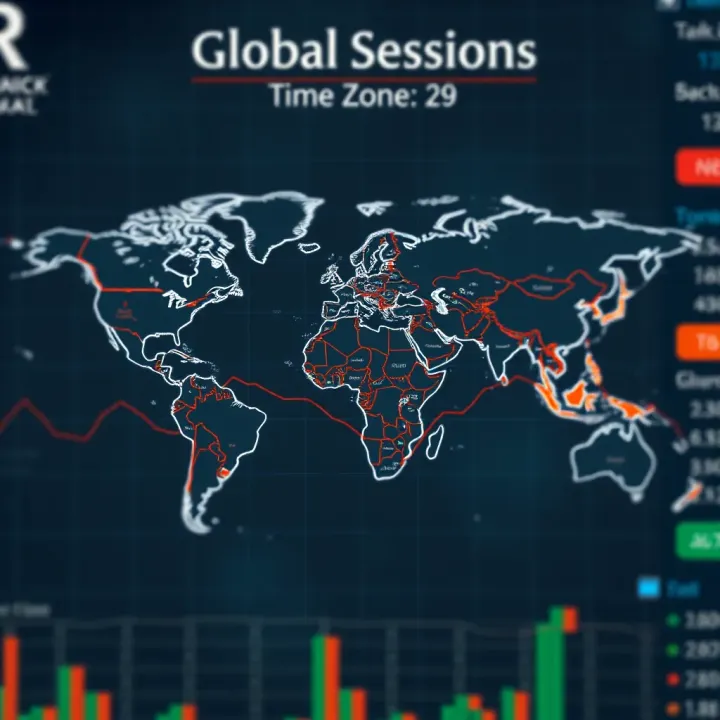
These sessions overlap at certain hours, bringing in higher trading volumes. The London-New York overlap, for instance, sees the most liquidity and market movement, often presenting the best opportunities for traders due to narrower spreads and better price execution.
For Kenyan traders, timing your trades to coincide with these periods of high activity can mean better prices and lower costs — a practical edge in markets that never sleep.
Market volatility also shifts with each session. The Asian session is generally calmer, ideal for cautious traders or those focusing on currencies like the Japanese yen or Australian dollar. In contrast, the European and American sessions feature more aggressive moves, influenced by economic data releases and corporate news from London and New York.
To make the most of these patterns, Kenyan traders should:
Monitor session start and end times relative to Kenyan time
Track which sessions affect their preferred markets
Adjust strategies to account for varying volatility and liquidity levels
Understanding these periods helps not only in timing entry and exit points but also in managing risk smartly—knowing when to expect sharp moves or quieter phases.
In the chapters ahead, we will explore each session’s unique traits and highlight how you can use this knowledge alongside Kenya-specific market conditions to trade smarter in global markets.
Understanding global trading sessions is essential for anyone involved in financial markets. These sessions mark the specific times when stock exchanges and trading platforms across the world are open, influencing market dynamics such as liquidity, volatility, and price trends. For Kenyan traders in particular, knowing these sessions helps schedule trades better and avoid missing prime opportunities when markets are most active.
Trading sessions refer to designated hours during which financial markets operate. Since the world operates in different time zones, major financial centres like Tokyo, London, and New York have their own trading hours. For example, the Tokyo Stock Exchange runs approximately from 2 am to 10 am East Africa Time (EAT), while the London Stock Exchange opens from 10 am to 6 pm EAT. Recognising these sessions helps traders know when and where activity will surge, aiding in making timely decisions.
Trading sessions influence market behaviour because the number of active market participants changes with the session. More market players create higher liquidity, narrower bid-ask spreads, and more price movement. For instance, during the overlap of the London and New York sessions, there is usually a spike in trading volume and volatility, offering both greater opportunities and risks. This affects how quickly prices respond to news and economic events.
On a global scale, trading sessions synchronise activity across regions and balance demand and supply of assets. This coordination allows markets to function smoothly despite time zone differences. Their role extends to affecting commodities, currencies, and equities worldwide; for example, oil prices can move significantly during the New York session as US market reports are released. Thus, trading sessions are central to market timing and strategy.
Time zones dictate when markets open and close, creating distinct trading sessions. In the Kenyan context, the Asian session runs mostly overnight, the European session during late morning to afternoon, and the North American session during late afternoon to late evening EAT. Adjusting for daylight savings, especially in Europe and North America, is also important. Kenyan traders must therefore track these changes to avoid missing critical trading windows.
The significance of overlap periods––times when two sessions run simultaneously––cannot be overstated. For example, between 3 pm and 6 pm EAT, both London and New York markets are open, causing heightened liquidity and price movements. These overlaps often represent the most active times for trading forex and global equities. Outside overlaps, sessions can be quieter, requiring more patience or alternative strategies.
Liquidity and volatility are directly affected by session timings. During peak hours, traders experience tight spreads and greater ease entering or exiting positions. In contrast, during off-hours or single sessions, reduced liquidity may increase spreads and price gaps. For instance, the Asian session tends to show lower volatility for many currency pairs compared to the European session. Knowing this pattern helps Kenyan traders manage risk and set realistic targets.
Accurate timing aligned with global trading sessions can improve your chances of successful trades by matching market conditions with your strategy.
In summary, recognising how global trading sessions operate and vary is a practical skill. Whether you trade forex, stocks, or commodities, understanding session times helps you plan entries, manage risks, and anticipate market behaviour. For Kenyan traders, this knowledge connects local trading with worldwide market rhythms, enhancing overall performance.
Global financial markets operate within specific trading sessions tied to regional business hours. Knowing these sessions helps traders time their moves, understand volatility shifts, and position themselves for better liquidity. The main trading sessions—the Asian, European, and North American—each come with unique market traits shaped by local economic factors and investor behaviours.
The Asian trading session covers key markets like Tokyo, Hong Kong, and Singapore. Tokyo’s market kicks off the session earliest, followed by Hong Kong and then Singapore, reflecting the staggered openings across the region. These markets collectively set the tone for Asia-Pacific trading activity and influence investor sentiment. Kenyan traders, aiming to trade currencies like the Japanese yen or commodities linked to Asia, closely watch this session.
Market behaviour during the Asian session is generally quieter compared to others, showing moderate volatility. Price moves tend to be gradual, except during major news releases, providing scalpers and swing traders with opportunities for steadier trades. Because Asian markets handle substantial commodity exports such as oil and gold, this session heavily impacts prices of these products.
Asian sessions influence currency pairs involving the Japanese yen (JPY), Australian dollar (AUD), and Singapore dollar (SGD). For example, fluctuations in Tokyo’s equity market often ripple into USD/JPY currency pairs. Commodities like oil, heavily traded in Singapore, also respond to trading activities in these markets. This session’s behaviours give Kenyan traders clues on potential market direction ahead of European and American sessions.
Major exchanges in London, Frankfurt, and Paris mark the European trading session. London, being the world's largest foreign exchange centre, dominates volume and liquidity. Frankfurt and Paris add depth through equity and bond markets. Trading hours here are critical since they overlap with the Asian close and precede the North American open, creating active periods.
Market volumes rise sharply during this session, with increased volatility reflecting Europe’s economic releases and political events. Trends set during the European session often guide the overall market direction for the day. Kenyan traders find this session crucial for trading currency pairs like GBP/USD and EUR/USD, as price moves here can signal broader market trends.
For Kenyan traders, the European session aligns conveniently with East Africa Time (EAT), running roughly from 10 am to 6 pm. This overlap means traders can actively participate during their workday without major time inconveniences. Additionally, the session's diverse instruments, from equities to forex to commodities, offer multiple trading opportunities.
The New York Stock Exchange (NYSE) and NASDAQ are the main platforms during the North American trading session. This session begins as the European markets wind down but still overlaps for a few hours. The US market’s size and influence mean it often drives global price trends.
Volatility typically spikes during the North American session, especially when combined with European hours. Trading volumes surge as institutional investors, hedge funds, and retail traders react to US economic data, corporate earnings, and geopolitical news. This period suits traders looking for brisk price action and quick market responses.
The overlap with the European session from 3 pm to 6 pm EAT creates a window of intense activity. This is when liquidity is at its peak, spreads narrow, and price movements tend to be sharp. Kenyan traders eye this overlap for potential quick trades but must manage risks due to high volatility. Understanding these patterns enhances timing decisions and risk control.
The key to successful trading lies in aligning your strategy with the right session characteristics. Each trading session offers unique rhythms—recognising when and where to trade improves your chances of success.
Asian session: steadier moves and commodities focus
European session: higher volume, mid-day trends
North American session: peak volatility, opportunity spikes
Understanding these features helps traders in Kenya position themselves advantageously across global markets.
Understanding overlapping trading sessions helps traders and investors identify periods when the market is most active. These overlaps occur when two major markets are open at the same time, often leading to greater trading volume, tighter spreads, and increased volatility. For Kenyan traders, recognising these periods can mean better entry and exit points, improved liquidity, and more opportunities to trade.
The London-New York overlap is one of the most significant periods in the trading day. This happens between 3 pm and 6 pm East Africa Time (EAT) when both the London and New York markets operate simultaneously. Because London is a global financial hub and New York leads in equity trading, this overlap attracts many participants, pushing up trading volumes.
The practical importance of this overlap lies in its ability to create a bustling trading atmosphere, often producing sharper price movements. For example, during this timeframe, forex pairs like EUR/USD and GBP/USD tend to show tighter spreads and more predictable trends. Kenyan traders should therefore pay close attention, as liquidity spikes here facilitate smoother trade execution and can reduce trading costs.
Higher liquidity during overlaps means there are more buyers and sellers in the market. This abundance of participants usually leads to tighter bid-ask spreads—the difference between the buying and selling price. Tighter spreads cut down transaction costs, an advantage for traders aiming to enter and exit quickly.
For instance, a forex scalper in Nairobi might find the London-New York overlap ideal because the spreads on major currency pairs like USD/JPY or USD/CHF narrow significantly. This helps in making small but frequent profits without being eroded by high trading fees.
Active trading thrives during overlap sessions. Aside from London-New York, other overlaps exist—for example, between the Asian and European sessions—but these two markets present the most intense activity. Traders looking for opportunities to capitalise on sudden price movements or news releases should schedule trades around these periods.
Adopting a trading routine that aligns with these overlaps can improve efficiency. For Kenyan traders, this means adjusting work hours to catch the 3 pm to 6 pm EAT window or choosing platforms that allow automated trades during these spikes.
Overlaps gather many market participants simultaneously, increasing demand and supply pressure. This can intensify price swings, particularly around economic news announcements or unexpected geopolitical events.
Take the US Non-Farm Payrolls report release, which often occurs during the London-New York overlap. Traders globally react swiftly, causing sharp movements in currency pairs linked to the US dollar. Kenyan traders aware of this timing can position themselves better or pause trading to avoid sudden losses.
While volatility offers profit opportunities, it also carries risks. Sudden price movements can cause stop-loss triggers or slippage, where trades execute at worse prices than expected. This can quickly erode profits, especially for less experienced traders.
In high volatility, spreads may widen unexpectedly outside regular overlaps, and rapid swings might go against a trader’s position. Without a clear risk management strategy, a few bad trades during these moments could cause significant losses.
Managing risk during overlaps involves using stop-loss orders and controlling trade sizes to limit potential damage. Diversifying trades and avoiding overleveraging also help withstand erratic price swings.
More seasoned Kenyan traders might use economic calendars to anticipate announcements and avoid or reduce exposure during news spikes. Leveraging technology tools like order alerts and setting trading limits ensures better control over open positions during volatile times.
Overlapping trading sessions open up both opportunities and challenges. Proper timing, risk management, and awareness make the difference between gains and losses, especially in Kenya’s growing trading community.
In summary, overlaps concentrate market activity, boost liquidity, and sharpen price actions. Kenyan traders who understand and take advantage of these periods stand to enhance their strategies and improve overall trading outcomes.
Understanding global trading sessions is especially useful for Kenyan traders who operate in East Africa Time (EAT), which is three hours ahead of Coordinated Universal Time (UTC+3). Matching your trading activity with these sessions can improve your chances of success by capitalising on liquidity and volatility when markets are active.
Converting global trading hours to EAT is the first step for Kenyan traders. For example, the London session typically runs from 8 am to 4 pm GMT. In Kenya, this corresponds to 11 am to 7 pm EAT. Meanwhile, the New York session opens at 8 am EST (1 pm EAT) and closes at 5 pm EST (10 pm EAT). Knowing these conversions helps you avoid missing key trading opportunities or entering the market during quiet periods.
Scheduling trades effectively means pinpointing when the market shows strong liquidity and responsiveness. Active trading during overlaps, such as the London-New York hours (1 pm to 4 pm EAT), offers tighter spreads and better price discovery, making it attractive for day traders. Outside these times, markets may be quieter with wider spreads, which suits different trading strategies.
Technology tools make tracking sessions easier. Apps and platforms like MetaTrader, TradingView, and even Safaricom’s M-Pesa portal often provide market hours notifications and alerts. These help you stay updated without manually calculating time zones, especially when daylight saving time changes affect European and American sessions.
Scalpers and day traders thrive when markets are liquid and volatile. For them, the London and New York sessions, or better still their overlapping period, offer increased trade volume and quick price movements within short periods. This environment provides more frequent opportunities to enter and exit trades efficiently.
Swing traders who hold positions for days or weeks benefit from low-volatility hours, usually during Asian trading times or non-overlapping periods. Price movements here tend to be steadier and less erratic, allowing for strategic position building without being rattled by sudden spikes.
Long-term investors should also watch sessions for trend confirmations but are less concerned with precise timing. However, knowing when major sessions open can help in planning portfolio rebalancing or placing large trades when liquidity is sufficient to reduce market impact.
Trading during session overlaps increases market volatility, which can lead to sharp price swings—both opportunities and risks for traders. Kenyan traders must be alert during these periods and ready to adjust positions quickly.
Using stop-loss orders is essential, especially in volatile sessions. This tool automatically limits potential losses without needing constant screen attention, which is helpful if you are also managing other responsibilities.
Keeping track of global economic events, such as Central Bank announcements or inflation data, is crucial since they often coincide with open trading hours and can trigger sudden market moves. Economic calendars and news feeds tailored to Kenyan traders provide timely alerts so you can anticipate and prepare for these events.
Aligning your trading strategy with global sessions and managing risks accordingly can boost your chances of consistent profits and protect your capital from sudden market shocks.
By making these considerations, Kenyan traders position themselves not just to participate, but to thrive in global markets with confidence and practical tools.
Traders need reliable tools and resources to keep track of trading sessions efficiently. These tools help monitor the opening and closing of markets worldwide, ensuring timely decisions. For Kenyan traders, this means adapting to international time zones and tracking overlaps that can affect liquidity and volatility.
Most modern trading platforms come with features that display global market hours clearly. For instance, platforms like MetaTrader 4 and MetaTrader 5 show current session times for different exchanges, helping traders know exactly when a market opens or closes. This real-time tracking avoids guesswork and allows for strategic planning, especially when volatility is expected.
Notifications are another helpful aspect. Many apps send alerts when sessions start or end, giving you a heads-up before market activity changes. This means you don’t have to keep checking your phone or computer; instead, you get automatic reminders to prepare your trades or manage open positions. For the busy Kenyan trader balancing daily hustles, this convenience adds real value.
Integration with local payment and broker systems is vital for smooth trading operations. Platforms that accept popular Kenyan payment methods such as M-Pesa or allow swift fund transfers through local brokers ensure no delays when entering or exiting trades. This connection minimises downtime and aligns payment schedules with market operating hours, crucial in fast-moving markets.
Reliable websites provide accurate global market timings, often converting them to local times like East Africa Time (EAT). Resources like Investing.com or the economic calendar within the IG platform show all session openings across major financial centres. These help Kenyan traders pinpoint the best times to trade and anticipate session overlaps.
Economic news related to different trading sessions influences market moves heavily. For example, announcements from the U.S. Federal Reserve during the New York session can sway currency pairs and stock prices. Staying updated on these news releases through websites like Bloomberg or Reuters helps traders avoid surprises and make informed decisions aligned with the trading session’s specific economic events.
To stay updated effectively, traders should combine alerts from economic calendars with real-time news feeds. Setting up email or mobile notifications on key economic events, paired with regular checks on trusted websites, reduces the risk of missing critical information. Consistency in this routine supports better timing and risk management.
Monitoring trading sessions isn’t just about knowing market hours; it involves using technology and information smartly to stay ahead in fast-moving markets.
By using well-equipped trading platforms, integrating local payment options, and following reliable economic calendars and news sources, Kenyan traders can take advantage of global market rhythms with confidence and precision.
Explore top trading bots for Kenyan traders 📈. Learn how they work, key features, security tips 🔒, legal insights ⚖️, and smart choices for automation.
Discover how to pick the best trading platform in Kenya! Compare fees, ease of use, customer support, and local regulations to trade confidently. 📈🇰🇪
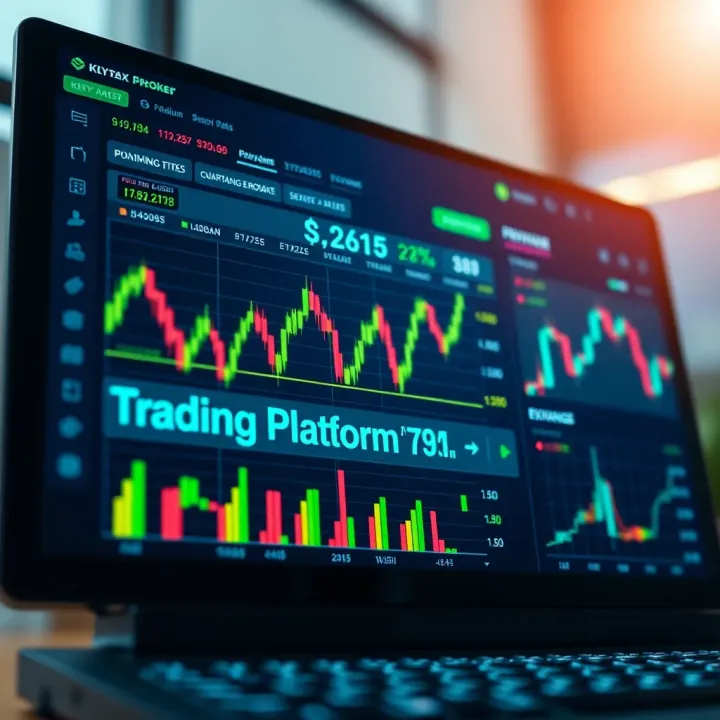
📈 Discover how to pick the best trading platform in Kenya! Compare fees, features, and security to trade stocks, forex, and more with ease and confidence.
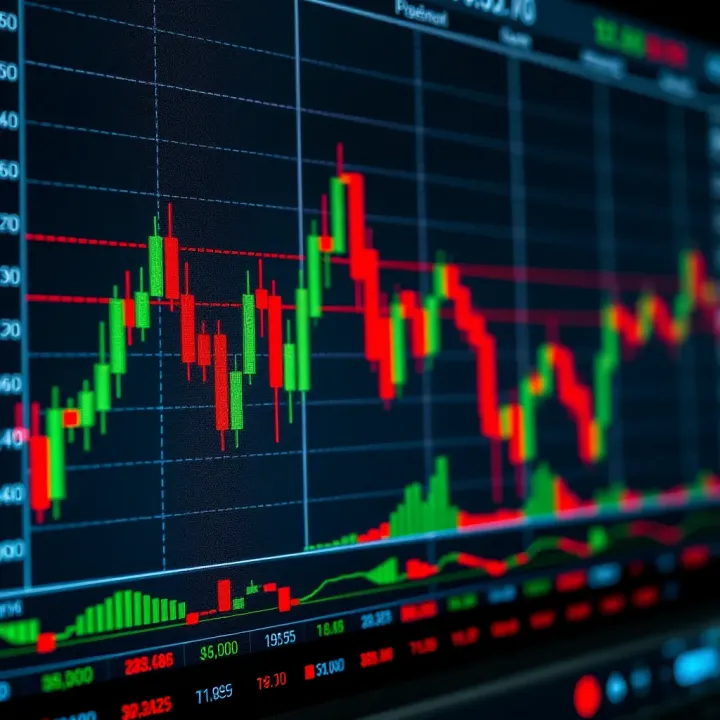
📊 Learn to read and analyze different candlestick types in trading charts. Understand market trends and sharpen your trading strategies in Kenya and beyond.
Based on 10 reviews