
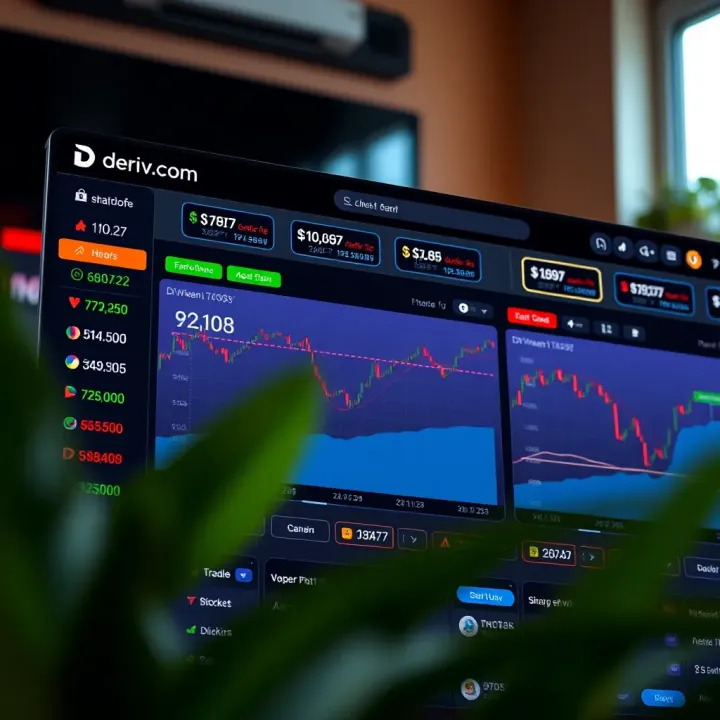
How to Use Deriv.com for Online Trading in Kenya
Start trading smart on Deriv.com in Kenya 🇰🇪. Learn how to register, fund with M-Pesa, trade forex, CFDs & crypto safely 🔒 while managing risks effectively 📊.
Edited By
George Palmer
Trading apps have made it possible for many Kenyans to access financial markets directly from their phones. By using these apps, you can buy and sell shares, forex, and other assets without visiting a broker's office or waiting for business hours.
These platforms bring the capital markets closer to everyday investors, whether you're based in Nairobi, Mombasa, or Kisumu. With M-Pesa and mobile internet coverage widespread, trading apps offer a convenient way to participate in stocks and forex markets anytime and anywhere.

However, not all trading apps are the same. Choosing an app that fits your trading style and needs is essential if you want to avoid unnecessary risks and enjoy a smooth user experience. Some apps may have lower fees but weak customer support, while others might offer research tools but limit your trading options.
Tip: Before downloading, check if the app is licensed by the Capital Markets Authority (CMA) of Kenya. Regulated apps are usually safer and comply with local rules.
When selecting a trading app, consider:
User interface: The app should be easy to navigate on your smartphone. A cluttered or slow app can lead to costly mistakes, especially during volatile markets.
Market access: Verify which markets the app supports. Some offer NSE shares only, others include forex or international stocks.
Fees and commissions: Look beyond just the trading charges; also consider deposit/withdrawal costs and inactivity fees.
Customer support: Good support can save your day, especially if you encounter technical problems or need assistance with transactions.
Popular apps in Kenya include Safaricom’s Jambo App, EFG Hermes Kenya, and other platforms offering direct integration with mobile money services like M-Pesa, enabling easy fund transfers.
Starting with a demo account, if available, can help you familiarise yourself with the trading mechanisms without risking real money. Once you feel confident, start small, track your trades, and steadily improve your strategy.
Ultimately, knowing what each trading app offers and matching that to your needs is key to a successful trading experience in Kenya’s emerging digital financial space.
Grasping what trading apps are and how they function is essential for anyone looking to participate actively in Kenya’s growing investment scene. These apps are more than just digital platforms; they act as gateways, offering direct and convenient access to financial markets.
Definition and basic functions: Trading apps are mobile or desktop applications that let users buy and sell financial assets directly from their devices. Unlike traditional methods where one would have to visit a broker or trading floor, these apps provide fast order placements and real-time price quotes. For example, a young investor in Nairobi can follow the Nairobi Securities Exchange (NSE) shares right from their phone and execute trades without leaving home.
Types of assets available for trading: These platforms typically provide access to a variety of financial products such as stocks, bonds, forex (foreign exchange), commodities, and even cryptocurrency. In Kenya, most apps focus on stocks listed on the NSE, government bonds, and currency pairs like USD/KES. Some also offer access to regional and global markets, expanding opportunities beyond local options.
Difference between trading apps and traditional brokers: Traditional brokers usually require phone or in-person interactions and involve more paperwork. Trading apps, on the other hand, automate much of the process and reduce costs by cutting out middlemen. This means lower fees and quicker execution, making trading more accessible especially for small investors who might not afford traditional brokerage accounts.
Increased market access for individual investors: Before trading apps, investing in the stock market was limited to those who knew brokers or could spend time in offices handling paperwork. Now, anyone with a smartphone can open an investment account in minutes. This has broadened participation, allowing farmers, boda boda riders, and small business owners to grow savings through stocks or forex.
Convenience and mobile trading trends: Mobile phones are nearly ubiquitous in Kenya. Trading apps take advantage of this by offering easy-to-navigate interfaces and instant updates. Investors can check prices during their matatu commute or after a day’s work at the kiosk. The ability to trade anytime and anywhere means investing fits better with everyday life.
Example of mobile money integration like M-Pesa: A standout feature that distinguishes Kenyan trading apps is their link to M-Pesa. This integration simplifies how users fund their accounts or withdraw profits. For instance, depositing KSh 5,000 from your M-Pesa wallet into a trading app takes moments without needing bank intervention. It removes common barriers and speeds up transactions, encouraging more people to take part in the market.
Understanding how these apps operate and their benefits helps investors make smarter choices about where and how to trade, giving them control over their financial futures with tools suited for today’s mobile-driven world.
Selecting a trading app tailored to your specific needs is key to a successful investing experience. Each app offers different features and access, so making the right choice helps you trade comfortably and securely with minimal friction. By focusing on what matters most to you—whether it’s low fees, ease of use, or market access—you avoid unnecessary headaches and optimise your chances of benefiting from Kenya’s growing financial markets.
Kenyan investors should prioritise apps regulated by the Capital Markets Authority (CMA) of Kenya. Such regulation ensures the app follows local rules designed to protect investors, including proper handling of client funds and transparency in operations. For example, platforms linked to registered stockbrokers reporting to CMA offer a higher level of trust compared to unregulated foreign apps.
Using a regulated app also means you can expect formal complaint procedures if issues arise. Some international apps may offer great features but lack local oversight, potentially causing delays or difficulties in resolving disputes. Before registering, confirm the app displays its regulatory licence or registration with CMA or other reputable bodies.
Trading costs impact your overall returns, so understanding the fee model is crucial. Some apps charge a flat commission per trade, others take a percentage of the transaction value, while some may have hidden fees like inactivity charges or withdrawal costs. For instance, a local NSE broker app might charge 0.1% per trade plus a fixed fee, whereas international platforms may have different rates.
Kenyan traders should consider apps that integrate with M-Pesa or local banks without extra charges on deposits or withdrawals. Avoid platforms where fees pile up unnoticed—these can eat into profits, especially if you’re trading frequently or with smaller amounts. Checking user reviews often reveals if hidden costs exist.
The layout and navigation of the app determine how quickly you adapt to trading. Beginners benefit from clean, simple interfaces with clear buttons and jargon-free prompts. For example, Safaricom-backed apps like Jambo offer straightforward designs focused on everyday Kenyans.
Seasoned traders may prefer apps with advanced charting tools and quick order placements but still want intuitive workflows. Poorly designed apps can lead to mistakes such as buying wrong assets or missing timely order execution. Also, consider if the app works smoothly on your device and data connectivity – lightweight apps perform better on average Kenyan networks.

Not all trading apps offer the same market exposure. Some focus solely on NSE stocks, while others include forex, commodities, or even cryptocurrencies. Decide what class of assets interest you most.
For example, if you want to trade Kenyan company shares, a local broker app linked to NSE is ideal. However, if you wish to diversify into regional or global markets like US equities or forex pairs, international platforms become relevant. Keep in mind, diverse asset access must come with proper safeguards and clear market data to avoid unnecessary risks.
Safaricom’s entry into trading apps merges familiar mobile money services with investment products. Their apps often simplify funding through M-Pesa, making deposits and withdrawals quick and accessible. This ease of use lowers barriers for Kenyans new to trading and fosters broader participation.
Moreover, Safaricom’s trusted brand reassures users concerned about security and compliance. For instance, the integration of their payment system and user authentication offers a seamless experience unavailable on many standalone apps.
Apps from licensed Kenyan stockbrokers provide direct access to Nairobi Securities Exchange shares. These platforms usually offer better market insights tailored to local investors, including corporate announcements and NSE updates.
Using a local broker’s app also means clients can attend annual general meetings (AGMs) or receive shareholder communications more easily. Some apps add personalised advisory services or integration with other Kenyan financial products like NHIF or pension funds, supporting a more comprehensive financial plan.
Many Kenyans access global markets through trusted international trading apps like IG, Plus500, or eToro. These platforms offer a wider variety of instruments—including forex, CFDs, and international stocks—enabling portfolio diversification beyond Kenyan borders.
However, these apps may not fully comply with Kenyan regulations or support local payment methods, leading to delays or higher transaction costs. Traders should weigh the broader market access against convenience and regulatory safety. Those confident with foreign platforms often rely on them for exposure not available locally.
Picking the right trading app aligns your investment goals with practical considerations like security, fees, and market access. Taking the time to compare options ensures you trade efficiently and safely in Kenya’s evolving financial markets.
When selecting a trading app, especially in the Kenyan market, knowing which features matter can save you both time and money. Essential features protect your investments, provide useful information for decision-making, and ensure smooth trading experiences. It’s not just about flashy design or catchy adverts; the right tools, security measures, and support determine if your trading journey will be successful or frustrating.
Two-factor authentication (2FA) adds a second layer of defence beyond your password. For many Kenyans, who often use common passwords or share devices, 2FA can mean the difference between secure trading and a hacked account. A typical 2FA might involve receiving a code on your phone or using an app like Google Authenticator. This means even if someone steals your password, they cannot access your account without this extra step.
Data encryption protects the information you send and receive through the app. When you trade, your personal details and transaction data must be shielded from prying eyes. Encryption scrambles your data, making it unreadable to anyone who doesn’t have the right keys. For example, Safaricom’s Jambo platform uses strong encryption to secure all transactions, ensuring that your personal info and money are safe.
Fraud detection systems monitor suspicious activities such as unusual login locations or sudden big trades. These systems alert you or temporarily freeze transactions if something looks off. It’s an active way to prevent scams or theft, very useful in environments where cybercrime is rising. When choosing an app, check if they have this feature, as it helps catch fraud early before you lose funds.
Real-time price updates keep you informed of the latest market movements. Kenya’s NSE can fluctuate quickly, and delays in information cost money. Apps offering live price feeds help you react fast—whether buying shares in Safaricom or trading currencies. Without this, you risk making decisions based on outdated prices.
Charting and technical indicators show price trends and patterns over time, helping traders predict where prices might go next. Features like moving averages, relative strength index (RSI), and volume charts turn raw data into insights. A trader using these tools can spot opportunities or warning signs earlier, improving chances of profit.
News feeds and expert insights provide context to price changes. Local Kenyan news, company announcements, or regional economic updates influence markets. Having news integrated into the app means you stay updated without toggling between multiple sources. For example, if a company listed on NSE announces a dividend, a timely feed helps you decide whether to buy or sell.
Availability of local language support matters because not all users are fluent in English. Some regions in Kenya prefer Kiswahili or other local languages. Apps that offer multilingual support ensure nobody gets stuck due to language barriers, improving user confidence.
Tutorials and guides tailored to Kenyan markets help new traders learn the ropes with relevant examples. Generic global tutorials might miss local regulations or trading customs. Kenyan-specific content teaches you how to use M-Pesa for funding, understand NSE trading times, or read company fundamentals within the local context.
Access to live chat or helpdesk offers real-time assistance when urgent problems arise. Whether it’s confusing trade execution or account issues, quick support saves stress, especially when markets are open. Some apps provide chat bots, but having knowledgeable human agents available during Kenyan business hours adds real value.
Choosing a trading app with strong security, handy analysis tools, and good support isn’t just nice to have—it’s the backbone of safer and smarter trading in Kenya’s fast-moving markets.
In summary, focus on apps that protect your account with 2FA and encryption, keep you informed with real-time data and expert insights, and support you with localised guidance and quick help. That way, you’re better equipped to navigate the NSE and other venues without surprises.
Starting to trade using mobile apps puts the power of the market right in your pocket. This approach fits well with Kenya’s growing mobile-first culture, letting you trade anytime without the need for physical brokers or desktop setups. It’s essential to get the basics down before jumping into the markets, including how to set up your account, fund it, and execute your first trades with confidence.
To start trading, you must register with your chosen trading app by providing identification details as required by Kenya’s regulatory authorities. The Know Your Customer (KYC) process ensures the app verifies your identity and prevents fraud and money laundering. Typically, you’ll submit a copy of your national ID or passport along with proof of residence, such as a recent utility bill or bank statement.
Adhering to KYC rules isn’t just a formality; it safeguards your trading account and guarantees compliance with Kenyan law. For example, platforms linked to the Capital Markets Authority (CMA) strictly require these documents to reduce risks related to identity theft.
Mobile money like M-Pesa has made funding trading accounts straightforward. Most Kenyan trading apps allow you to connect your M-Pesa or bank account directly for deposits and withdrawals. M-Pesa funding is particularly fast and convenient, often completing transactions within seconds without the need for physical bank visits.
If you prefer bank transfers, linking your Equitel, KCB, or Co-operative Bank account can offer larger funding limits and direct bank-to-platform transfers. Always double-check the platform’s accepted funding methods to avoid delays. Having multiple funding options ensures you can maintain liquidity and react quickly to market changes.
After registration and linking your payment methods, your account undergoes verification to confirm the submitted information. This process can take from a few minutes to a couple of days depending on the platform and documentation quality. Verified accounts often gain higher withdrawal limits and access to advanced trading features.
Verification steps may include selfie verification or live video calls to confirm the account holder’s identity. Completing these steps promptly prevents interruptions when you want to trade actively, especially in volatile markets where timing matters.
Once your account is ready, you need to decide which assets suit your trading goals. Popular options in Kenya include NSE shares like Safaricom and Equity Bank, forex pairs such as USD/KES, and commodities like gold or oil futures. Your choice depends on your risk appetite, market knowledge, and trading style.
For instance, starting with blue-chip shares on the NSE may offer stability for beginners, while forex trading requires a better grasp of global macro factors. Most apps provide asset descriptions and market data to help you make informed decisions.
When placing a trade, you’ll encounter order types. A market order buys or sells immediately at the best available price. It’s useful when you want to enter or exit quickly but may expose you to price fluctuations.
Limit orders specify a price at which you’re willing to trade, triggering only if the market reaches that price or better. This method puts you in control of your entry and exit points but requires patience as the order might not execute instantly. For example, if you set a limit buy at KSh 30 for a stock currently trading at KSh 32, the order will fill only if the price drops to KSh 30.
Once trades are live, keeping an eye on open positions is crucial. Most trading apps offer real-time updates on price movements, profit or loss, and margin requirements. This monitoring lets you react fast—closing trades to lock in gains or cut losses.
Some apps also let you set alerts for price targets or stop-loss levels to automate part of this process. Regularly reviewing your portfolio helps you stay aligned with your strategy and avoid surprises, especially during volatile sessions common in Kenya’s forex and stock markets.
Starting to trade isn’t just about hitting the buy button. It involves clear steps that protect your funds and improve your chances of success. Mastering account setup and understanding how to navigate orders and positions will build a solid foundation for your trading journey.
Trading through mobile apps offers great convenience, but it also comes with risks that every trader should understand and manage. Knowing these risks and learning how to make informed decisions helps protect your investments and increases the chances of success. In Kenya’s dynamic markets, being cautious is not optional but necessary.
Market volatility refers to how quickly and unpredictably asset prices can change. For example, with KenGen shares or forex pairs like USD/KES, sudden shifts caused by government policy changes or global events can swing prices sharply. Such volatility means your portfolio might gain or drop value very fast, so understanding and anticipating these swings is vital.
Technical glitches and connectivity issues often disrupt trading on mobile apps. If your internet drops mid-trade while using Safaricom’s Jambo platform, you might miss a critical trade window or suffer losses because orders fail to execute. In many parts of Kenya, unstable network coverage can worsen this, so being prepared for such disruptions or having backup connectivity can save you.
Cybersecurity threats pose serious dangers as well. Fraudsters could try to access your trading account using phishing scams via email or fake messages impersonating legitimate brokers. Since you link payments through M-Pesa or bank accounts to these apps, any breach could lead to financial losses or data theft. Always stay alert and verify the authenticity of communications.
Setting stop-loss orders helps contain losses by automatically selling an asset when it hits a set price. This tool is handy in Kenya’s markets where prices can fluctuate due to local factors like election cycles or harvest seasons. Using stop-loss orders ensures you don’t lose more than you planned when prices go against you.
Regularly updating your trading app ensures that you benefit from the latest security patches and improved functionality. App developers for platforms like NCBA’s MCX app continuously fix bugs and enhance features, so delaying updates might expose your account to vulnerabilities or poorer performance.
Using secure internet connections significantly reduces risks during trading. Public Wi-Fi or unsecured networks can expose your data to hackers. It’s better to trade over M-Pesa’s encrypted network or trusted private Wi-Fi at home. This way, any sensitive information exchanged between your device and the app stays safe.
Keeping up to date with Kenyan financial news sources like Business Daily and The Standard’s business section provides timely insights on market trends and policy changes. Such information helps you assess risks and spot opportunities peculiar to local stocks or bonds.
Nairobi Securities Exchange (NSE) regularly publishes updates and announcements, including quarterly reports and trading halts. Tracking these helps you understand how listed companies perform and any regulatory changes that could affect your trades.
Community forums and expert blogs, such as those hosted by local brokerage firms or financial analysts, offer practical advice and shared experiences from other Kenyan traders. Participating in these discussions sharpens your perspective and helps identify reliable trading strategies.
Managing risks and making informed choices aren’t luxuries but necessities in Kenyan trading. Use tools wisely, stay updated on local developments, and protect your digital accounts to trade with confidence.
Start trading smart on Deriv.com in Kenya 🇰🇪. Learn how to register, fund with M-Pesa, trade forex, CFDs & crypto safely 🔒 while managing risks effectively 📊.
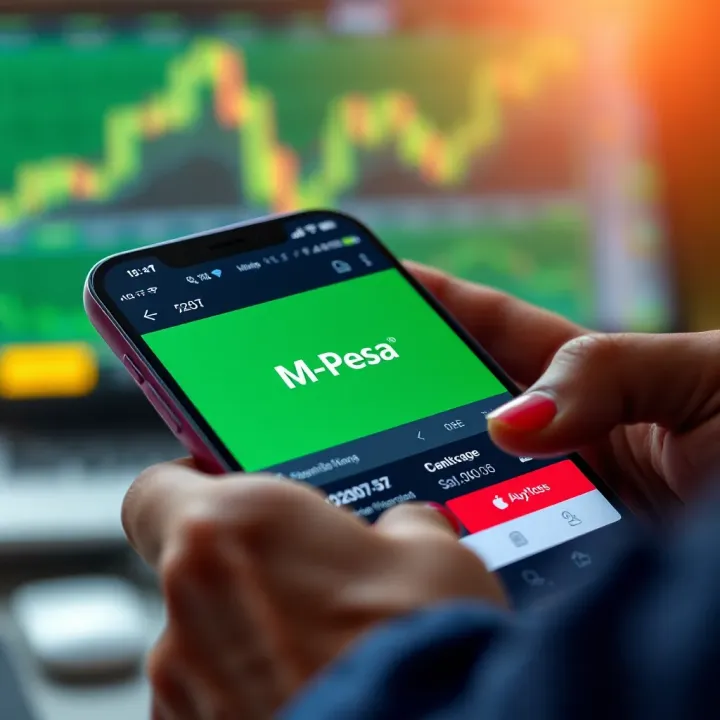
📱Explore Kenya's top trading apps with M-Pesa payment options, user-friendly features & regulatory insights. Start trading smartly today with local platforms👨💻📊

📈 Discover how to trade stocks, forex, and crypto using M-Pesa on popular Kenyan apps. Learn to link accounts, stay safe, and invest wisely from your mobile.

📊 Discover how Kenyan traders can master TradingView for binary trading. Learn chart setups, market analysis, key indicators, and smart decision tips for success.
Based on 12 reviews