

Binary Trading Apps Guide for Kenyan Traders
Explore how binary trading apps work 📱, their risks ⚠️ & benefits 💹, plus tips for Kenyan traders 🇰🇪 to choose the best app safely.
Edited By
Edward Price
Kenya's trading scene has evolved rapidly, with mobile and web trading apps becoming the go-to tools for many investors. These apps allow Kenyans to trade stocks, forex, cryptocurrencies, and other assets conveniently, often right from their smartphones. Given the rising interest in investment opportunities, understanding how these platforms work and what features they offer is vital.
Trading apps in Kenya often integrate local payment methods, like M-Pesa, making fund transfers and withdrawals quick and seamless. This integration removes many traditional barriers, such as long banking queues or delays, which used to slow down trading activities. Whether you're a beginner just starting with small amounts or an experienced trader managing a diverse portfolio, the choice of app impacts your overall experience significantly.
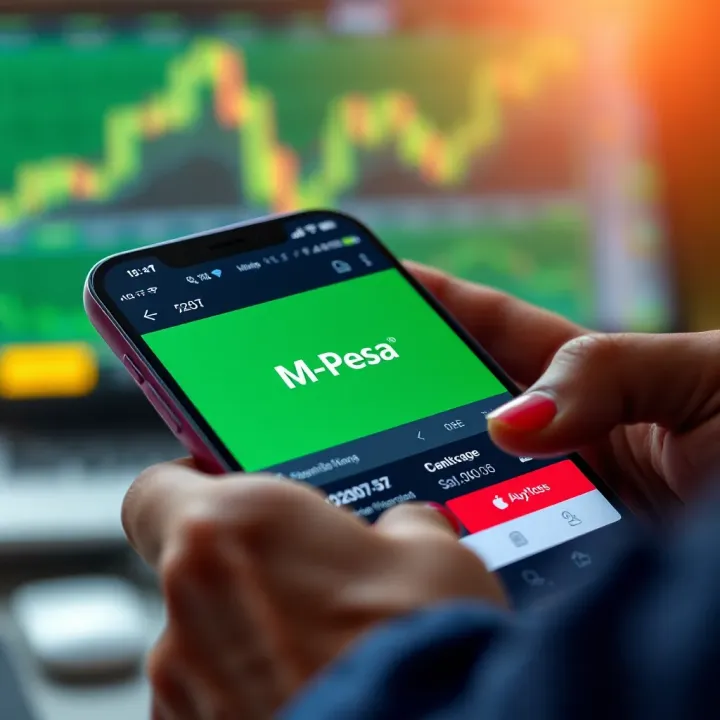
The Capital Markets Authority (CMA) regulates most stock trading platforms, ensuring investor protection and compliance with Kenyan laws. So, when selecting a trading app, check whether it's CMA-licensed to avoid scams and safeguard your investments. Some platforms also provide access to East African Community (EAC) equities and regional fund options, which broadens trading opportunities beyond the Nairobi Securities Exchange.
Besides regulation and payment options, key features to look out for include:
User interface: Intuitive design reduces errors and speeds up trading, especially for those new to digital markets.
Charting and analysis tools: Essential for making informed decisions; look for apps offering real-time data and technical indicators.
Customer support: Quick, knowledgeable assistance can be a lifesaver, particularly during volatile market periods.
Educational resources: Tutorials or webinars that help you improve trading skills add extra value.
Choosing a trading app fitted to your needs and offering local conveniences such as M-Pesa payments will save you time and reduce risks.
In this article, we'll explore top trading apps popular in Kenya, comparing their usability, features, and how well they tap into local payment systems. You’ll also get tips on initiating your trading journey while keeping compliance and security in check. Kenya's trading app landscape is vibrant; knowing its ins and outs helps you trade smarter and with confidence.
Trading apps have become a vital part of modern investing in Kenya, making it easier for both newcomers and experienced investors to access various financial markets from their mobile devices. Understanding these apps helps investors make informed decisions about which platforms suit them best, based on factors such as usability, security, and market access. Given how M-Pesa and mobile internet have changed financial behaviours in Kenya, trading apps fit naturally into this digital shift.
Trading apps are software applications designed to allow users to buy and sell financial instruments like stocks, bonds, forex, or cryptocurrencies directly from their smartphones or tablets. Unlike traditional brokerage services that require phone calls or physical presence, these apps offer real-time market data, charting tools, and instant transaction capabilities. For example, apps like EABL Securities or Zuku Trade allow Kenyans to trade on the Nairobi Securities Exchange (NSE) easily, all while integrating local payment methods like M-Pesa for quick deposits and withdrawals.
Trading apps typically include features such as market alerts, portfolio tracking, and educational resources. This makes them accessible not only to seasoned traders but also to everyday Kenyans wanting to dip their toes into investment without needing a full brokerage desk.
Before trading apps, investing in Kenyan securities involved significant paperwork, delays, and sometimes visits to brokerage offices in Nairobi’s central business district. Today, the process is mostly digital and can be completed from rural villages to busy Nairobi estates. This convenience has boosted participation among young people and middle-class investors who may lack time or resources to engage through traditional channels.
Furthermore, trading apps with M-Pesa support have lowered barriers by simplifying funding and withdrawal. Investors no longer need to visit banks or ATMs; instead, they can fund accounts instantly and safely. The apps also encourage transparency with live price updates and instant execution, reducing risks of price slippage common in face-to-face trades.
The rise of mobile trading apps has effectively democratised access to investment opportunities in Kenya, drawing a wider and more diverse pool of investors into the financial markets.
In summary, understanding the nature of trading apps and their influence helps investors navigate the growing digital investment environment with confidence. This knowledge is essential for harnessing the full potential of investment platforms tailored for Kenyan users.
Selecting the right trading app is more than just picking the flashiest or most popular platform. For Kenyan investors, understanding key features can significantly impact trading success, security, and convenience. These features help you gauge whether an app suits your trading habits, risk appetite and offers access to your markets of interest.
A smooth, intuitive user interface is vital. Apps cluttered with confusing menus or technical jargon can slow you down, especially when timing trades matters. Look for platforms with clear dashboards and easy navigation that allow you to quickly find charts, place orders, or monitor your portfolio. For example, the NSE mobile app provides simple layouts tailored to local investors, while others like eToro mix social elements with trading but keep interfaces beginner-friendly. Mobile responsiveness is another key, as many Kenyans trade on smartphones during commutes or breaks.

Trading apps handle sensitive data and money, so robust security is non-negotiable. The app should have multi-factor authentication (MFA), data encryption, and regular security audits. Compliance with Kenya's Capital Markets Authority (CMA) regulations adds a layer of trust, showing the platform follows local rules designed to protect investors. Beware of apps that do not clearly specify their regulatory status or omit security details from their websites.
Depending on your trading goals, consider whether the app offers access to the Nairobi Securities Exchange (NSE) alongside international stocks, forex, or cryptocurrencies. Platforms like the Nairobi Stock Exchange’s app primarily focus on local equities, whereas others like Plus500 or IG Markets provide broader markets including CFDs and forex pairs. Having a mix gives you flexibility but also adds complexity and potentially higher fees.
In Kenya, M-Pesa remains king. Trading apps that seamlessly integrate with M-Pesa make depositing and withdrawing funds straightforward and instant. This beats relying solely on bank transfers, which can be slower and less convenient. Apart from M-Pesa, check if the app supports other payment methods like bank cards or mobile wallets. Also, watch out for any hidden charges on deposits or withdrawals, as some platforms add transaction fees that can eat into your profits.
Choosing a trading app with these features aligned to your needs ensures a safer, faster, and more comfortable trading experience. Always test the app on a demo or small scale before fully committing.
Whether you are just starting your investment journey or already active in the markets, focusing on these essentials will save you headaches and help you trade smarter in Kenya’s growing digital finance scene.
Kenyan investors now enjoy a range of trading apps designed to meet their needs, whether focused on the local Nairobi Securities Exchange (NSE), foreign exchange markets, or digital assets like cryptocurrencies. Choosing a popular app with proven reliability, ease of use, and strong customer support can make all the difference for an investor aiming to stay competitive. Popular apps often support local payment methods like M-Pesa, helping streamline deposits and withdrawals.
For investors keen on Kenyan stocks and bonds, apps dedicated to NSE trading deliver accurate market data and facilitate direct access to local securities. Platforms such as Stanbic IBTC Stockbrokers' app and Dyer & Blair's trading portal cater to local traders by offering real-time NSE quotes, order placement, and portfolio tracking. These apps often link with Central Depository and Settlement Corporation (CDSC) systems for seamless settlement. Their focus on NSE means investors benefit from tools aligned with Kenya’s regulatory environment and customs, including dividend notifications and corporate action updates.
Some Kenyan investors prefer diverse portfolios beyond NSE securities. Apps like HotForex and Binance provide access to forex trading, Contracts for Difference (CFDs), and crypto markets. HotForex allows users to trade popular currency pairs such as USD/KES, while Binance offers cryptocurrency trading with support for Kenyan shillings via P2P (peer-to-peer) channels. These platforms offer leverage options, tighter spreads, and around-the-clock trading, though they require investors to understand higher risk levels. Availability of thorough educational resources within the platforms can help users build necessary expertise.
In Kenya, mobile money dominates payment methods, so trading apps that integrate M-Pesa stand out for convenience and faster transactions. Apps like Access Kenya and Eagle Africa Securities allow users to fund their investment accounts directly through M-Pesa, streamlining deposits without complicated bank transfers. This connection lowers entry barriers for informal or small-scale investors who mostly operate through mobile money wallets. These apps also enable notifications and trade execution via mobile, addressing the typical Kenyan investor's desire to trade on-the-go while commuting in a matatu or during short breaks.
Picking a popular trading app with local relevance can save you headaches, offer faster access to funds, and provide features tailored to Kenya’s investment ecosystem.
By exploring options across these categories, investors can find apps that match their investment style, risk appetite, and preferred markets, ensuring a more productive trading experience suited to Kenyan realities.
The regulatory framework for trading apps in Kenya plays a vital role in maintaining trust and transparency in the market. Since these apps deal directly with investors' money and sensitive data, clear rules help protect users from fraud, malpractice, and financial loss. Understanding this framework allows investors to choose platforms that comply with local laws and safeguard their investments.
The Capital Markets Authority (CMA) is the main watchdog overseeing trading apps operating in Kenya. It sets the standards for licensing, operations, and disclosure requirements. For instance, any app offering trading services on the Nairobi Securities Exchange (NSE) must register with and receive approval from CMA. This ensures the platform has the right systems and controls to handle transactions properly.
CMA also regularly audits registered trading platforms to ensure compliance with financial regulations and protects market integrity. Without CMA oversight, investors would run a higher risk of dealing with untrustworthy or unregulated platforms, which can result in scams or loss of funds.
Kenyan regulations include specific policies designed to keep investors safe. One example is the requirement for client funds to be held in segregated trust accounts separate from those of the trading platform. This means even if the company runs into financial trouble, an investor's money should remain intact.
Additionally, CMA mandates transparent communication of risks associated with trading, especially for volatile products like CFDs or forex. Trading apps must deliver clear information on charges, potential losses, and margin requirements. This helps investors make informed decisions and avoid surprises.
Trading platforms must meet several compliance criteria to legally operate in Kenya. These include:
Obtaining appropriate licences from CMA
Implementing robust security measures to protect user data
Providing regular financial reports and audit results to CMA
Ensuring fair and transparent pricing
Facilitating easy and secure deposit and withdrawal processes, often integrating local payment options like M-Pesa
Non-compliance may lead to penalties, licence suspension, or closure. For example, if a platform does not follow proper Know Your Customer (KYC) practices, it risks contributing to money laundering and faces severe punishments.
Choosing a trading app verified by CMA significantly reduces risks and offers legal recourse if issues arise. It ensures you are dealing with a reliable partner committed to safeguarding your investment.
In summary, Kenya's regulatory framework, led by CMA, brings structure and safety to the growing trading app market. Investors should confirm a platform’s compliance to trade with confidence and ease, ensuring their trading experience is secure and transparent.
Using trading apps in Kenya can be rewarding, but efficiency matters a lot to stay ahead in the game. This means knowing how to start right, manage your risks properly, use mobile tools to the fullest, and get a clear picture of the fees involved. Getting these elements right will save you money and time, and help you make smarter decisions.
The first step is setting up your account correctly. Most Kenyan trading apps require you to provide a valid Kenya Revenue Authority (KRA) PIN, a national ID or passport, and sometimes proof of residence. Verification processes may vary, but expect to upload scanned documents or photos. For instance, on apps like NairoTrade and EGM Securities, completing verification can take between a few hours to two business days. This setup ensures your account follows the Capital Markets Authority (CMA) rules and protects your investments.
Trading carries risks, especially with volatile assets like forex or cryptocurrencies. Most apps let you set stop-loss orders, which automatically sell a security when it hits a specific price, limiting your losses. For example, if you buy Safaricom shares at KSh 30 but don’t want to lose more than KSh 3 per share, a stop-loss at KSh 27 protects you from bigger declines. You should also decide your daily loss limits and stick to them to avoid emotional decisions during market swings.
Kenyan traders benefit greatly from apps that provide real-time price alerts, push notifications on market movements, and one-tap trade execution. Apps integrated with M-Pesa, such as Usiku and M-Easy Stock, allow instant funding and withdrawals, making the experience smooth. Using these features means you can react quickly to news or price changes, which is essential during fast market hours or when investing in assets like NSE equities or bitcoin.
Every trading platform has fees — including commissions, withdrawal charges, and currency conversion costs. Some might charge a fixed KSh 100 per trade, while others take a percentage, say 0.1% of the trade value. For local stocks on NSE, check that fees aren’t eating your profits. Also, apps using M-Pesa may have minimal transfer fees but watch out for Fuliza overdraft use when funding your account. Read the fee schedules carefully and compare platforms before committing.
Efficient use of trading apps hinges on familiarising yourself with their setup, risk tools, mobile advantages, and fee structures. This groundwork increases your chances of success and reduces unwanted surprises.
By mastering these practical tips, Kenyan investors can trade with more confidence and keep up with market changes while managing costs and risks effectively.
Explore how binary trading apps work 📱, their risks ⚠️ & benefits 💹, plus tips for Kenyan traders 🇰🇪 to choose the best app safely.

Discover the best trading apps in Kenya 📱 Compare fees, features, security, and markets to find the ideal fit for your investing goals and budget.

📈 Discover how deriv trading works, its risks & benefits, platforms, strategies, and Kenyan regulations to trade smart and secure your investments wisely.

💹 Explore crypto trading in Kenya with this practical guide covering platforms, market tips, risks, and regulations to trade responsibly and smartly.
Based on 7 reviews