
How to Use TradingView for Binary Options
📊 Discover how TradingView aids binary options traders with clear charts, smart tools, and practical strategies to improve your market analysis and trading success in Kenya.
Edited By
Liam Foster
TradingView is a widely known platform for charting and market analysis, increasingly favoured by binary options traders. Its strength lies in the clear visuals, comprehensive tools, and diverse technical indicators that help traders decide when to enter or exit trades.
For traders in Kenya, mastering TradingView means accessing reliable setups to predict price movements across assets like forex pairs, stocks, commodities, and cryptocurrencies. These are popular underlying assets for binary options, where decisions must be quick and well-informed.
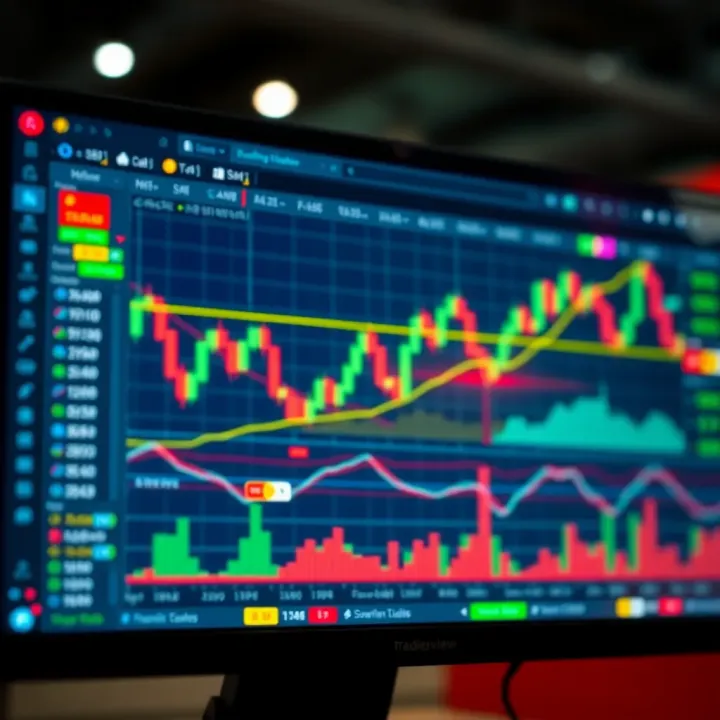
TradingView’s user-friendly interface shows live charts updated in real time. This is key for binary options, where timing is short and precise. Traders can apply indicators such as Moving Averages, RSI (Relative Strength Index), and Bollinger Bands to spot trends, overbought or oversold conditions, and potential price breakouts.
Using TradingView for binary options trading allows you to visualise market behaviour clearly, making it easier to anticipate short-term price moves that matter in binary decisions.
Besides chart analysis, TradingView supports custom alerts. For example, a trader could set an alert for when the USD/KES forex pair breaks a crucial resistance level. Once triggered, this prompts a timely binary trade decision without having to stare at the screen all day.
An important feature for Kenyan traders is the platform’s compatibility with many binary brokers. You can link TradingView charts to a broker’s trading interface and execute trades quickly. This integration avoids switching between multiple apps and reduces the risk of delayed actions.
To sum up, understanding TradingView’s key functions—live chart updates, technical indicators, alerts, and broker integration—is essential. This knowledge boosts your ability to identify high-probability binary option trades efficiently in Kenya’s dynamic markets.
Next sections will breakdown the specific tools inside TradingView important for binary options and how best to apply them for local market conditions.
Understanding TradingView alongside binary options trading is essential for anyone seeking to make informed decisions in fast-moving markets. TradingView offers advanced charting tools that reveal price movements clearly, which helps binary traders anticipate short-term market shifts. This is especially valuable for Kenyan traders who deal with limited resources and time constraints but want to trade confidently.
Binary options are straightforward financial instruments where you predict whether an asset's price will rise or fall within a set time. Pairing this with TradingView’s visual tools means you have a practical way to time your trades and manage risks effectively.
TradingView is a web-based charting platform widely used by traders worldwide, including many in Kenya, for its versatility and ease of access. It consolidates data from multiple markets such as stocks, forex, commodities, and cryptocurrencies into one interface. This makes it easier to watch and analyse assets across different markets without swapping between platforms.
Its cloud-based setup means you can log in from anywhere, whether you’re at a duka with your mobile or seated at a desktop computer. This accessibility fits well with the busy lifestyles of many Kenyan traders.
Popular features used by traders include its vast collection of chart types—like candlestick, line, and bar charts—and the ability to add numerous technical indicators. You’ll find tools like moving averages and Relative Strength Index (RSI) that help spot trends, momentum, and potential reversal points.
Besides charting, TradingView offers social features such as public ideas, chat rooms, and the ability to follow experienced traders. These foster community learning, which can be crucial when navigating unfamiliar markets.
Binary options trading focuses on betting whether a given asset will increase or decrease in value by a certain expiry time, which may range from minutes to hours. If your prediction is correct at expiry, you receive a fixed payout; if not, you lose your stake.
Kenyan traders often prefer binary options for their simplicity and short time frames, which can fit around other commitments.
Common assets traded via binary options include forex pairs such as USD/KES, major stocks listed on the NSE, commodities like gold and oil, and cryptocurrencies such as Bitcoin. Trading these assets on platforms linked to TradingView enables quick, educated decisions backed by real-time charts.
Advanced charting on TradingView offers a clear edge for binary options traders. You can analyse price action in detail and spot setups that suggest a price move within your expiry window. For example, spotting a bullish engulfing pattern on a 5-minute chart might guide you to place a call option that expires in ten minutes.
Moreover, TradingView provides access to a rich selection of technical indicators and alert systems. This means you can set alerts for specific price levels or indicator conditions—like when RSI dips below 30—which helps you time your trades without constantly watching the screen.
Using these features, Kenyan traders can elevate their binary trading from guesswork to a more disciplined approach based on real data and confirmed signals.
Using TradingView with binary options trading changes the game by offering clarity and timely data, especially important for markets that can be unpredictable and fast-moving. For Kenyan traders, this combination offers a chance to trade smarter, not harder.
Understanding how to navigate TradingView effectively is key for making informed binary options trades. The platform offers detailed charts, technical indicators, and real-time data which binary traders need to analyse quick price movements, especially when working with short expiry times. Mastering these tools improves your chances of spotting profitable opportunities and avoiding rush decisions.
Traders who take time to set up their charts properly and apply relevant indicators typically get clearer signals. This section covers how to optimise your TradingView experience specifically for binary options, focusing on chart setup, using technical indicators, and reading chart patterns to time your trades better.

Binary options are all about timing, so it’s essential to pick the right chart timeframe aligned with your trade expiry. For example, if your binary option expires in 5 minutes, using a 1-minute or 5-minute candlestick chart is more helpful than hourly charts because it gives more precise, real-time pricing action. On the other hand, for longer expiry times like 30 minutes or 1 hour, you might use 15-minute or 30-minute charts to balance detail with bigger trends.
Adjusting the timeframe ensures you don’t miss critical market movements and can identify entry points according to your chosen expiry period. Kenyan traders trading on short bursts during market openings or near economic releases often find this tactic very useful.
TradingView covers many markets – stocks, forex, commodities, cryptocurrencies – so picking assets that suit binary options is vital. Popular choices include forex pairs like EUR/USD or USD/KES, commodities such as gold, and major indices like the NSE 20.
Keep in mind that some assets behave more predictably during Kenyan daytime trading hours and fit binary trading well. For instance, forex pairs active during the London or New York sessions tend to show volatility that creates tradable price moves. Selecting assets you understand and that fit your trading times makes chart reading much more effective.
Indicators like Moving Averages (MAs), Relative Strength Index (RSI), and Bollinger Bands are commonly used for binary options. MAs help spot trends, RSI shows when an asset is overbought or oversold, and Bollinger Bands can signal price volatility and potential reversal points.
For example, if RSI exceeds 70, it can be a sign to place a 'Put' binary option, expecting a fall soon. Similarly, when price touches the upper Bollinger Band after a strong move, it might signal a reversal – useful for timing binary entries with short expiry.
TradingView lets you tweak indicator settings, such as length or smoothing methods, to suit your strategy better. For instance, for fast binary trades, you might shorten the RSI period from the default 14 to 7 to get quicker signals. Adjusting Moving Average types from simple to exponential also adds sensitivity to recent prices.
Besides, layering indicators can filter false signals; pairing RSI with a Moving Average crossover might confirm a stronger trade signal. These customisations help Kenyan traders match tools to local market rhythms and expiry preferences.
Patterns like Doji candles, Engulfing candles, and Head-and-Shoulders shapes are useful for spotting potential price reversals or breakouts. For instance, a Doji signals market indecision and often precedes a sharp move, which binary traders can take advantage of with short expiry calls or puts.
These patterns don’t guarantee outcomes but raise the odds when combined with indicators. Learning to recognise them sharpens your ability to predict market turns quickly.
Confirmation is vital; never rely on a pattern or indicator alone. Look for a combination—for example, an Engulfing pattern appearing right after RSI hits an overbought level confirms a likely reversal.
Also, use TradingView’s volume data where possible. Increasing volume with a breakout pattern adds strength to the move. This approach reduces false entries and improves binary option timing, especially on volatile Kenyan markets where sudden price moves can fool unprepared traders.
Consistent use of chart timeframes matching your expiry, combined with customised indicators and pattern confirmation, can significantly raise your binary trading success on TradingView.
In sum, navigating TradingView efficiently for binary options means carefully setting charts, applying indicators smartly, and reading patterns with confirmation. Master these, and your analysis gains precision needed for profitable binary trades.
Integrating TradingView with binary options brokers enhances trading efficiency and decision-making. This connection allows traders to use advanced charting tools and technical analysis on TradingView, then execute trades directly without switching platforms. For binary options traders, this means faster response times and better use of insights generated from charts and indicators.
Some brokers popular among Kenyan traders, such as Pocket Option and Deriv, offer direct or indirect integration with TradingView. This means their platforms either support connecting TradingView charts or allow trades to be placed based on signals created there. Such brokers often provide APIs or widgets that enable TradeView users to link their accounts. This integration is especially useful for those trading on short expiry times, where timing matters greatly.
Having access to brokers that sync with TradingView reduces errors caused by manual trade copying and helps traders to stick more closely to their analysed entry points. When Kenyan traders can see their signals and place trades in one streamlined workflow, they avoid the hassle of toggling between tabs and reduce chances of missing key trade setups.
Linking TradingView with brokers simplifies the trading process by merging analysis and execution. Instead of noting down signals and switching to the broker's platform, traders can act on alerts and setups instantly. For busy traders juggling multiple assets, this saves seconds that can determine profit or loss.
Integration also allows traders to customise alerts and receive notifications based on TradingView’s indicators, then execute trades timely on their preferred broker. Having all critical steps—from charting, signal generation to order placement—in a single line of sight improves focus and decision accuracy. For example, a trader spotting a bullish engulfing pattern on a currency pair chart can quickly confirm it and place a call option without delay.
When placing trades from TradingView analysis, traders face the choice between manual entry and automated signals. Manual trade placement involves analysing charts, deciding entry and exit points, then executing the trade with the broker’s platform. While this gives full control, it demands constant attention and quick action.
Automated signals, on the other hand, use scripts or bots linked to TradingView's alerts to place trades automatically. This reduces emotional bias and timing errors but requires reliable technology and carries risks if strategies are not well tested. Kenyan traders starting out might prefer manual trading to get a feel for setups before exploring automation.
TradingView’s alert system lets traders set conditions like indicator crossovers or price breaches to get notified immediately. These alerts can be customised for sound, email, or mobile notifications, ensuring no critical entry signal goes unnoticed.
In binary options trading, where timeframes may be as short as 1 or 5 minutes, receiving alerts at the right moment is vital. Alerts help Kenyan traders manage multiple assets without constant screen-watching. For instance, an alert on the RSI dropping below 30 could trigger a potential buy trade on an asset, allowing quick action to capitalise on oversold conditions.
Effective use of TradingView alerts combined with broker integration gives traders a practical edge in binary options, helping them catch opportunities and manage risk better in volatile markets.
Trading binary options using TradingView can be rewarding, but Kenyan traders face unique challenges that require tailored tips. Managing limited capital and choosing the right brokers are top of the list. Plus, knowing where to get reliable learning resources and tapping into supportive trading communities can make a real difference. These tips help safeguard your investments and boost your trading skills everyday.
Position sizing on limited capital requires careful thought. Many Kenyan traders start with modest amounts, sometimes below KSh 10,000. In such cases, dividing capital into small, equal parts avoids risking too much on any single trade. For example, risking just 2-5% per trade helps preserve your funds and keeps you in the game longer. This discipline reduces the impact of losing streaks, which happen often in binary options.
Setting stop-loss and profit targets is essential even in binary options where expiry time limits exposure. Although some brokers don’t offer traditional stops, you can still set mental limits on losses and gains based on your analysis. Using TradingView’s alert system, you might close trades early or avoid trading when conditions aren’t favourable. Setting clear profit targets like 20-30% gain keeps your goals realistic, while disciplined stops avoid emotional decisions that can drain your account.
Payment solutions like M-Pesa in trading have made deposits and withdrawals much easier for Kenyan traders. Many trusted brokers now accept M-Pesa or KCB M-Pesa payments, offering seamless fund transfers without the need for bank cards. This removes a common barrier, especially for those outside Nairobi who rely on mobile money. Also, M-Pesa’s ubiquity means faster transaction times and lower fees.
Choosing brokers accessible to Kenyan traders means looking beyond just good platforms. Confirm the broker accepts deposits via local methods, offers customer support in English (and ideally Swahili), and is regulated by recognised bodies like the Capital Markets Authority (CMA). Names like ExpertOption, IQ Option, and Olymp Trade often appear in Kenyan trading circles due to their accessible payment options and local support.
Useful Kenyan and international trading groups provide first-hand insights and peer support. In Kenya, platforms such as WhatsApp and Telegram groups dedicated to binary options or TradingView users help traders share real-time signals, tips, and troubleshoot issues. International groups on Reddit or Facebook also add a wider perspective and more varied strategies.
Accessing tutorials tailored to binary options can speed up your learning curve. TradingView itself offers free tutorials and webinars that cover chart analysis customised for options traders. Kenyan content creators on YouTube and specialised blogs often explain how to adapt common technical tools to the binary options context, connecting theory with practice on local brokers.
Being part of a community and continuously learning increases your chances of success. As Kenyan traders, balancing technical tools like TradingView with practical local considerations creates a solid foundation for smarter binary options trading.
Binary options trading on platforms like TradingView comes with its share of hurdles. Understanding common challenges and the ways to handle them is vital for maintaining steady profits and avoiding costly mistakes. For Kenyan traders, who often rely on mobile and limited capital, managing risks linked to market volatility and dodging dubious brokers is especially important.
Market volatility can quickly turn a well-planned binary option trade into a loss. Price swings happen unpredictably due to news, economic data, or geopolitical events. One practical way to handle this is by using shorter expiry times alongside clear technical indicators on TradingView. For instance, pairing the Relative Strength Index (RSI) with moving averages can help confirm when prices might reverse direction, reducing exposure to sudden spikes.
Besides chart tools, setting strict capital limits per trade helps your portfolio withstand losses when volatility spikes. If you bet KSh 500 per trade in a highly volatile market, it's better than risking KSh 2,000 and wiping out your account early.
Use multiple indicators rather than relying on one to reduce false positives caused by market noise.
False signals on TradingView can mislead you into entering trades swayed by short-term price fluctuations rather than real trends. This often happens with popular indicators like MACD or Bollinger Bands showing conflicting signals. To avoid this, Kenyan traders should learn to confirm signals through cross-verifying different timeframes or combining oscillators with volume analysis. For example, a buy signal confirmed on both 5-minute and 15-minute charts is usually more reliable.
Also, avoid chasing trades based on emotions when prices jump unpredictably. Use alerts efficiently to monitor significant price levels without staring at charts constantly.
Binary options often attract fraudulent brokers exploiting inexperienced traders. Warning signs include promises of guaranteed high returns in short periods, pressure to deposit quickly, or unsolicited calls and messages urging immediate trade action. Kenyan traders should be cautious of brokers lacking transparent terms or those without local payment options like M-Pesa, as this complicates withdrawals and accountability.
Verifying broker licences is essential. Accepted regulatory bodies like the Capital Markets Authority (CMA) in Kenya or financial regulators in Europe and the US offer clear lists of licensed firms. Before opening an account, check the broker's registration and reputation on review sites or forums. A trustworthy broker will provide clear contact details, transparent trading conditions, and fair execution.
Taking these precautions not only protects your investment but builds confidence in your trading activities. Don't rush to open accounts; spend time researching and test brokers through demo accounts.
Knowing how to manage volatility and spotting suspect brokers can save you from common pitfalls in binary options trading. TradingView gives the technical tools, but your vigilance and disciplined approach do the rest.
📊 Discover how TradingView aids binary options traders with clear charts, smart tools, and practical strategies to improve your market analysis and trading success in Kenya.

💹 Learn how to integrate TradingView charts and tools into binary options platforms for accurate analysis, compliance, and improved user experience in Kenya's trading scene.

📊 Learn to use TradingView charts for smarter binary trading in Kenya. Explore indicators, strategies, and risk tips for confident market moves! 💹

📊 Discover how Kenyan traders can master TradingView for binary trading. Learn chart setups, market analysis, key indicators, and smart decision tips for success.
Based on 11 reviews