
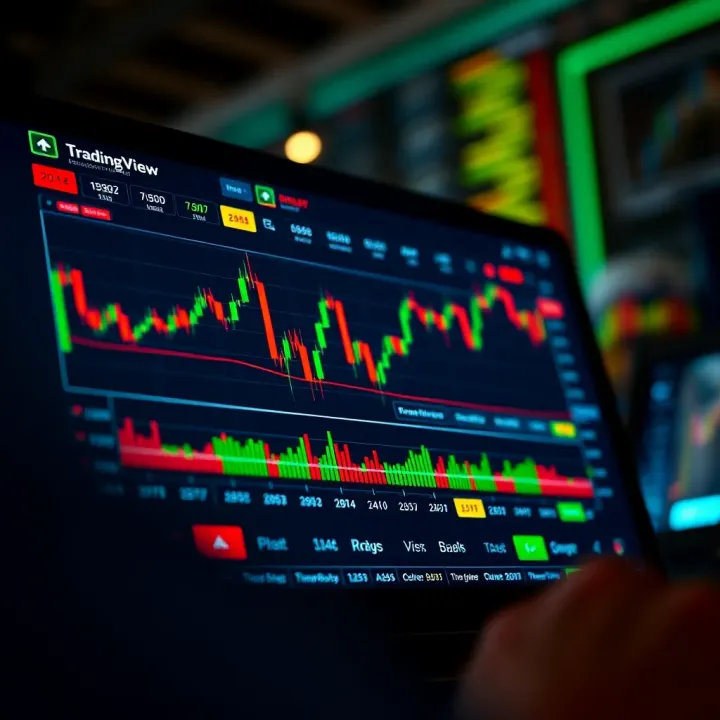
How to Use TradingView for Binary Options
📊 Discover how TradingView aids binary options traders with clear charts, smart tools, and practical strategies to improve your market analysis and trading success in Kenya.
Edited By
George Palmer
TradingView has become a tool of choice for many traders in Kenya wanting detailed charting and reliable technical analysis. For those involved in binary options trading, integrating TradingView can sharpen decision-making by bringing clarity to price movements and enhancing trade timing.
Binary options trading demands quick but accurate interpretation of market data. TradingView's flexible charts and wide range of indicators offer this in a neat package. However, simply embedding TradingView widgets is not enough. Platforms must customise these tools to align with binary options expiry times, strike prices, and payout rules.

A practical example is allowing traders to see candlestick or bar charts aligned exactly with the binary expiry period—say, one minute or five minutes—so they can spot entry points ahead of expiry. Including volatility-based indicators like Bollinger Bands or RSI supports better prediction of price swings, which is key in binary trading.
Precision timing and dependable visualisation from TradingView reduce guesswork, improving both trader confidence and platform credibility.
Integrating TradingView also involves compliance with Kenyan regulations. Platforms should ensure all pricing data is real-time and sourced reliably to avoid misleading traders. Plus, features like user-friendly tools for adjusting chart type or timeframe empower users without overwhelming them, especially those newer to trading binary options.
This introduction prepares the ground for detail on the technical setup and optimisation strategies that binary options platforms must adopt to benefit fully from TradingView’s capabilities in the Kenyan trading context.
TradingView has become a go-to platform for many traders, especially in the binary options space. Understanding its capabilities helps traders and brokers make informed decisions, sharpening analysis and improving trade outcomes. This platform isn’t just about pretty charts; it offers practical tools that help spot opportunities swiftly and act on them with confidence.
TradingView excels in providing clear, interactive charts. Its charts display price movements in different forms, such as line, bar, and especially candlestick charts, which are popular among binary traders. These charts offer a snapshot of market behaviour over time, helping traders identify patterns like reversals or breakouts. For example, a trader in Nairobi spotting a bullish engulfing pattern on a forex pair can time their binary options trades better using TradingView’s charts.
TradingView comes equipped with hundreds of technical indicators, from moving averages to momentum oscillators like RSI (Relative Strength Index). These indicators help traders measure market strength or volatility, essential in binary options where timing is tight. Suppose you are watching the USD/KES pair; RSI can indicate overbought or oversold conditions, helping decide whether to place a CALL or PUT option.
TradingView offers a community aspect where traders share ideas and chart analyses publicly. This social feature can benefit beginners seeking real-world insights or veteran traders exchanging strategies. Importantly, the platform allows you to follow other traders’ analyses or create your posts, enriching your understanding beyond individual charts.
Binary options require taking quick decisions based on current market conditions. TradingView provides real-time data that updates instantly, reducing delays that could cost a trade. This immediacy is crucial for markets like equities or currency pairs that move rapidly during active hours. For instance, a trader checking oil prices can rely on TradingView streams instead of waiting for delayed quotes from other sources.
The ability to customise charts—applying specific indicators, setting timeframes, or adding annotations—makes TradingView a practical tool for binary traders. A Nairobi-based trader might prefer shorter timeframes like 5 or 15 minutes for quicker signals on options expiry times. Customisation means the charts reflect one’s trading style, enabling faster reading of market signals.
TradingView covers a wide spectrum of markets: stocks, forex, commodities, and cryptocurrencies worldwide. This breadth allows Kenyan traders to explore diverse assets beyond local markets. For example, a trader interested in the NSE 20 Share Index or Brent crude oil can monitor both on the same platform without switching between multiple sources.
Using TradingView in binary options trading is about combining sharp visuals, real-time info, and community wisdom. These features give traders confidence and increase chances of making better-timed trades.
Understanding these core aspects of TradingView helps traders and platform developers integrate the tool effectively, boosting performance and user satisfaction in the Kenyan binary options market.
Integrating TradingView into a binary options trading platform means choosing features that not only enhance analysis but also improve trading decisions swiftly. Traders rely heavily on clear charts and timely signals, so it pays off to focus on elements that offer reliability and ease of use. Below, we explore essential chart types, indicators, and tools that provide practical benefits for binary options trading.
Candlestick charts are core to most traders’ toolkit. They display price movement within a specific time frame using candles that show the open, close, high, and low prices. This clear visual helps traders spot immediate market sentiment—whether buyers or sellers have control during the given interval. For binary options, where timing is tight, recognising patterns such as engulfing or doji candles can guide quick decisions on up or down trades.
Moving averages smooth out price fluctuations by averaging closing prices over a set period. Common types like the simple moving average (SMA) or exponential moving average (EMA) help traders identify trends and potential reversals over time. For binary options, overlaying short-term and long-term moving averages on charts can reveal crossover points signalling bullish or bearish momentum—critical for timing the expiry of trades.
Relative Strength Index (RSI) measures the speed and change of price movements to indicate overbought or oversold levels. An RSI reading above 70 generally signals an overbought market, while below 30 suggests oversold conditions. This is valuable in binary options to avoid entering trades when the market may be due for a correction, helping traders reduce risky bets.
Bollinger Bands consist of a moving average and two bands set at standard deviations above and below it, showing volatility ranges. When the bands tighten, it signals low volatility and potential upcoming breakout; when prices touch the bands, it can indicate reversals. In binary trading, monitoring Bollinger Bands helps spot moments just before price volatility increases, offering chances for well-timed trades.
Drawing and annotation tools allow traders to mark key support and resistance levels, trend lines, or chart patterns directly on the charts. This helps in visualising trade setups and sharing ideas when collaborating or discussing strategies. For example, a trader might draw a trend line to see if price respects it before placing a call or put option.
Alert system is crucial for not missing trading opportunities. Alerts can be set for price levels, indicator thresholds, or specific chart events. This means a trader no longer sits glued to the screen but rather gets notified immediately when a trade setup signals. In a fast-moving market like binary options, timely alerts can make the difference between a winning or losing trade.
Custom scripts and Pine Script integration enable advanced users to build tailored indicators or automated strategies using TradingView’s scripting language. This flexibility means a broker or platform can offer unique trading signals or customised analysis tools beyond default options. For instance, a binary trading platform might create a script that highlights entry and exit points based on a combination of RSI and moving average crossovers.
Leveraging these key features creates a trading environment that's not only rich in information but also responsive to the fast-paced nature of binary options. Choosing the right mix of charts, indicators, and tools will help traders in Kenya and beyond make accurate, timely decisions.
By focusing on these practical features when integrating TradingView, binary options platforms can offer users a competitive edge with real-time data, clarity, and interaction that supports confident trading.
Integrating TradingView into binary options platforms is no small matter; it requires attention to technical details that directly impact user experience and trading accuracy. This guide breaks down the essential steps, enabling brokers and developers in Kenya to deliver seamless charting tools that align with local market demands. By following these steps, platforms can offer sharper analytics and faster response times, crucial for binary options where decisions must be swift.
Obtaining API access or widget code is the first critical step. Traders expect real-time, reliable data streams, and TradingView offers this through its API or embeddable widgets. To get started, you need to apply for API access on TradingView's developer portal. This access grants the ability to load charts with live price data tailored to your platform's needs. For instance, a binary options site in Nairobi integrating the widget can tap into KSh-denominated assets traded globally. The widget code is delivered in JavaScript and HTML snippets, which can be adjusted based on your platform’s framework.
Next is customising widget settings. Customisation includes chart type, time intervals, visual themes, and the technical indicators that suit binary options trading specifically—like candlestick charts and RSI. Tailoring the widget allows you to mirror the local market environment and user preferences, such as setting default asset views or timeframes commonly used by Kenyan traders. For example, since many Kenyan traders prefer short-term trades, defaulting to 5-minute intervals can improve usability and decision speed.
Embedding on your platform involves placing the widget within your trading interface so users enjoy smooth navigation and instant access. This is done by inserting the customised widget code into your platform’s front end. Ensuring the widget responds well to various devices—from desktop PCs to smartphones—is key, especially in Kenya where mobile usage is high. Platforms should also conduct tests to prevent conflicts with existing scripts or payment gateways like M-Pesa integration.
Synchronising real-time data feeds means linking TradingView’s live market data to your platform’s backend systems. This ensures that price movements and chart updates are reflected instantly for traders. Practical syncing involves using websocket connections or REST APIs that handle continuous data streams without lag. Kenyan platforms must be mindful of network speeds; efficient data handling prevents delays that could cost users trades.
The next consideration is linking chart signals to trade execution. When users spot an indicator crossing or candlestick pattern on TradingView suggesting a trade, the platform should allow them to act promptly. This integration bridges the gap between chart analysis and order execution. Automated scripts or event listeners catch signals from the TradingView widget and trigger trade entries on the backend. For example, if a moving average crossover signals a potential buy, the system flags this for the trader to confirm or executes instantly depending on the platform’s design.
Finally, handling authentication and user preferences is vital for security and comfort. Platforms must integrate secure login systems that allow users to save their TradingView settings—charts, indicators, and alerts—so each trader’s experience is personalised. User accounts should securely store these preferences, preventing data leaks while offering seamless access across devices. Given Kenya’s strong push for data privacy, employing encryption and adhering to regulations from the Communications Authority and CMA is necessary.
Successful TradingView implementation combines technical precision with user-friendly design. This ensures Kenyan traders get reliable insights and swift trade options in a secure environment.
Optimising user experience and performance is key for any binary options platform using TradingView. Traders demand fast, reliable charts that work smoothly on all devices, especially in Kenya where mobile internet speeds can vary. A sluggish platform or confusing interface can discourage users and affect their decision-making, leading to lost opportunities.
Adapting chart sizes and controls to fit both mobile and desktop screens is essential. On a desktop, traders appreciate detailed charts with multiple indicators visible side-by-side. However, on mobile devices, space is limited, so charts must scale dynamically without losing clarity. Controls like zoom, scroll, and indicator toggles need to be large enough for touch but unobtrusive. For example, on a smartphone with a 6-inch screen, buttons should stay within easy thumb reach, avoiding overlap with vital chart information.
Testing across devices common in Kenya is vital to catch quirks caused by different operating systems and screen resolutions. Android phones such as Samsung Galaxy and Tecno, alongside iPhones, dominate the market alongside tablets and varying desktop monitors. Conducting tests on real devices and simulators can help spot performance bottlenecks or UI breaks. This ensures that a trader in Nairobi using an Android phone and another in Kisumu on an iPad get equally smooth and reliable experiences.
Optimising data loading means sending only the necessary chart data to the user’s device promptly. This can involve limiting the number of candlesticks initially loaded or providing options to increase data depth gradually based on user needs. A Kenyan trader relying on mobile internet via Safaricom might struggle with heavy data downloads, so efficient loading can make the difference between catching a trade signal on time or missing out.
Using efficient data caching strategies helps reduce repeated server requests and speed up chart rendering. For instance, caching recent data locally means when a user revisits the chart, it loads instantly without hammering the server again. This is particularly useful for those trading during volatile sessions, ensuring they see up-to-date yet fast-loading charts even with intermittent connectivity.
Tooltips and help sections serve as quick guides to demystify TradingView features. When a trader hovers over an unfamiliar icon or indicator, a small tooltip explaining its function can prevent confusion. This accessibility is especially useful for newer binary options traders who might find technical jargon overwhelming. Well-placed help options reduce support requests and empower users to explore the platform confidently.
Educational resources on binary trading add real value beyond the charts. Providing videos, FAQs, or articles on how to interpret indicators, manage risk, or understand common binary options strategies helps build trust and loyalty. Kenyan traders, whether novice or experienced, benefit from contextual training that respects the local market conditions such as volatility during election periods or the timing of Nairobi Securities Exchange sessions.
Clear design, quick speed, and user-friendly support aren’t just add-ons; they shape how successfully traders can use TradingView tools to make quick, informed binary trading decisions.
Optimising user experience and performance in this way creates a platform that is both accessible and powerful, enhancing trader confidence and driving more active engagement.
When implementing TradingView into binary options platforms, understanding the regulatory and security landscape is essential. Kenyan traders and platform operators must navigate legal obligations and safeguard user data to build trust and avoid penalties. Proper compliance ensures your platform runs smoothly within Kenyan frameworks, while strong security measures protect clients and your business from fraud and cyber threats.
Registration and licensing requirements: In Kenya, any entity offering binary options trading services must register with the Capital Markets Authority (CMA). This licensing process involves submitting detailed business plans, demonstrating financial soundness, and agreeing to transparent operational practices. For example, a platform must prove its capacity to manage client funds responsibly and provide fair trading conditions. Without this licence, your platform risks shutdown or legal action, which damages reputation and client confidence.
Compliance with Capital Markets Authority (CMA) guidelines: CMA guidelines go beyond licensing to cover ongoing obligations such as regular reporting, risk management frameworks, and fair marketing of binary options products. Adhering to these helps prevent malpractices like misleading promotions or insider trading. Kenyan platforms must maintain open communication lines with CMA, ensuring swift response to regulatory updates or audits. This not only guarantees legal compliance but also reassures investors of your platform's integrity.
Data encryption practices: Protecting sensitive user information starts with strong encryption both in transit and at rest. Trading platforms should implement end-to-end encryption standards like TLS (Transport Layer Security) to secure data exchanged between users and servers. For instance, when a trader inputs their M-Pesa details or bank account information, these must be encrypted to block interceptions. This practice reduces the risk of data breaches that could expose private financial details or personal identities.
Secure login and transaction verification: Robust authentication mechanisms help prevent unauthorised access. Multi-factor authentication (MFA) combining passwords with one-time pins sent to mobile phones or biometric checks (fingerprint, face recognition) significantly cuts down fraud chances. Alongside this, every transaction, whether buying or selling a binary option, needs confirmation steps to verify the user’s intent. This ensures that fraudulent trades or withdrawals are minimised, protecting both the user and the platform.
Platforms prioritising clear regulatory compliance and strong user data security not only meet legal demands but build lasting trust with Kenyan traders.
In summary, integrating TradingView into binary options platforms without fully addressing regulatory and security requirements risks operational failure. Kenyan regulations through CMA set a firm foundation, while data protection and secure transaction practices shield clients from fraud and cyber threats. Getting these right pays off in smoother operations and more confident investors.
📊 Discover how TradingView aids binary options traders with clear charts, smart tools, and practical strategies to improve your market analysis and trading success in Kenya.

📊 Learn to use TradingView charts for smarter binary trading in Kenya. Explore indicators, strategies, and risk tips for confident market moves! 💹

📊 Discover how Kenyan traders can master TradingView for binary trading. Learn chart setups, market analysis, key indicators, and smart decision tips for success.
Explore practical tips on using Deriv & TradingView for smarter trading in Kenya 🇰🇪. Learn to combine tools, analyze markets, and manage risks effectively.
Based on 14 reviews