
Understanding DB Traders and Their Market Role
Explore how DB traders shape markets, manage risks, and use tech💹. Learn about their impact, regulations, & careers in Kenya's financial scene📈.
Edited By
Liam Wallace
Surge traders operate in markets that shift fast, capitalising on sudden price moves. They aim to buy low and sell quickly for a small profit, often repeating this cycle multiple times a day. In Kenya, where stock market activity at the Nairobi Securities Exchange (NSE) can see spikes around corporate results or macroeconomic news, surge trading fits the profile of short-term, high-frequency trading.
Unlike traditional long-term investors, surge traders depend heavily on real-time information and lightning-fast decision-making. They use advanced tools such as electronic trading platforms and live data feeds to catch opportunities that last just moments. For example, during times of economic announcements or overnight market shifts in the US, local traders may see rapid movement in stocks like Safaricom or Equity Bank and act swiftly.
Monitor volatile stocks with fluctuating prices throughout the trading session.
Use technical indicators like moving averages or relative strength index (RSI) to time entries and exits.
Execute multiple trades daily, looking to capture small profits several times rather than banking on one big win.
Surge traders often combine strategies such as scalping—quick trades aiming for tiny gains—and momentum trading, where they ride price waves triggered by news or market sentiment.
Successful surge trading requires discipline, experience, and a good pulse on market conditions. Missing a beat can quickly turn profits to losses.
Fast Reaction: Ability to process data quickly and make trading calls in seconds.
Risk Management: Knowing when to stop losses and protect capital is vital when markets swing unpredictably.
Technology: Access to reliable, real-time data platforms like the NSE Online Trading System and charting tools.
Kenyan traders often use mobile apps tied to their brokerage accounts combined with M-Pesa integration for quick settlements and better liquidity management.
Understanding this niche strategy helps traders align expectations, preparing for the stress and equipment needed. While the upside can be rewarding, the risks also rise due to speed and market uncertainty.
Understanding what defines a surge trader is key to grasping how they operate in fast-moving markets. Surge traders exploit rapid price shifts within very short periods—often seconds to minutes—capitalising on brief opportunities that more conventional traders might miss. This style suits traders who thrive under pressure and can make quick decisions based on real-time market behaviour.
Surge traders centre their attention on brief price actions rather than long-term trends. For example, during the opening minutes of the NSE trading day, they may identify a quick upward momentum in a stock like Safaricom, aiming to buy and sell within minutes before the price retraces. This approach differs from waiting days or weeks for movements, as success depends on reacting fast and accurately to tiny market fluctuations.
Unlike traditional traders who might place a few well-considered trades daily, surge traders engage frequently, sometimes executing dozens or hundreds of trades in a single session. Their strategy involves small profits from multiple trades, not large gains from one or two. A Kenyan trader might execute 50 short trades within three hours, each capturing a small part of price movements in agricultural commodity futures, taking advantage of local weather updates affecting prices.
Price volatility—the degree to which an asset’s price fluctuates—is the playground for surge traders. They look for assets like currencies (USD/KES), or blue-chip stocks that show frequent ups and downs during market hours. For instance, after a major government announcement, such as tax changes affecting the manufacturing sector, surge traders seize short bursts of volatility to enter and exit positions rapidly, aiming to lock in profits before prices stabilise.
Swing traders usually hold positions for days to weeks, focusing on capturing bigger price swings, while day traders might hold for several hours within a single day. Surge traders compress their timeframes significantly, sometimes holding trades for just a few minutes or even seconds. An equity day trader might hold Safaricom shares from market open until noon, but a surge trader would buy and sell multiple times between 9:30 am and 10:00 am, reacting to micro-movements unheard of in swing or day trading.
Surge trading fits best in fast, liquid markets where prices change quickly and there is sufficient volume to enter and exit positions without delay. In slow markets, this style struggles due to poor liquidity and wider spreads, which eat into profits. For Kenyan traders, engaging during active hours on the NSE or in the Forex market during peak international sessions offers the rapid price dynamics needed for surge trading to work well. This style demands constant monitoring and can be intense, but it fills a niche where speed and precision pay off.
Surge trading is not about waiting for the big move but grabbing quick profits from swift price changes, requiring speed, discipline, and a sharp eye.
By understanding these defining features, traders can determine if surge trading aligns with their skills and risk appetite, especially in volatile environments common in Kenya’s financial markets.
Surge trading thrives on specific market conditions where rapid price changes and sufficient liquidity provide opportunities for quick profits. Knowing when and where to trade is key to success, especially since surge traders depend on sharp movements and fast execution. By identifying the right conditions, traders reduce uncertainty and increase their chances of capitalising on short-term volatility.
Market news and events can send prices swinging in a flash, creating the volatility surge traders need. For instance, corporate earnings reports or central bank announcements often result in sudden price jumps. When these events break out, assets tend to react sharply, offering openings for surge trades. However, not every news event leads to useful moves—traders must assess the potential impact before diving in.
Liquid markets ensure surge trades can enter and exit quickly without major price slippages. High liquidity means there are many buyers and sellers, keeping spreads tight and execution fast. Popular markets like the Nairobi Securities Exchange (NSE) blue-chip stocks or the forex pair USD/KES often exhibit this liquidity, making them suitable choices. Without liquidity, surge traders risk getting stuck in a position or paying costly spreads, which quickly eats into profits.
Surge traders frequently target assets known for their daily swings and consistent liquidity. In Kenya, this includes stocks like Safaricom, Equity Bank, and KCB Group, widely traded on the NSE. These stocks respond swiftly to business news, regulatory developments, or sector trends, providing multiple trade opportunities in a single session. Additionally, forex pairs such as USD/KES and EUR/USD attract surge traders due to their 24-hour market and constant price movements.
Commodities like gold and crude oil can also be favourable when global market events cause sharp price changes. However, traders should pay attention to trading hours and global news sources since these markets are influenced more by international factors.
Choosing the right time for surge trading improves chances of catching meaningful moves. Typically, the first two hours after the market opens are the most active. For example, the NSE sees increased volumes from 9:30 am to 11:30 am as investors react to overnight news and adjust positions. This period offers ample volatility and liquidity, which surge traders seek.
Late afternoon sessions can also offer opportunities, especially just before market close, when traders adjust their positions for overnight risk. However, between midday and early afternoon, markets tend to slow down, resulting in less price movement and fewer surge trade chances.
Market hours define when surge traders should be alert and active. Since surge trading requires quick responsiveness, being tuned to peak hours can save time and capital. For instance, Kenyan traders focusing on forex might align trading with London and New York market overlaps when volume and volatility peak.
On the other hand, surge traders must be cautious during thin liquidity periods, like public holidays or after-hours trading, where spreads widen, and slippage risk jumps. Strategies might need adjustment or complete pause during such times to avoid unnecessary losses.
Success in surge trading is tied closely to choosing the right market conditions — volatile, liquid, and active periods deliver the momentum essential for fast trades. Understanding when and where these conditions exist gives you an edge over less-prepared traders.
Surge trading thrives on quick decisions and rapid execution. To succeed, traders apply strategies designed for fast market moves, capitalising on short bursts of volatility. These strategies aren't just theoretical; they’re practical tools for navigating Kenya’s dynamic markets where news or shifts in forex rates can spark sudden price moves.
Riding quick price surges involves identifying when an asset’s price is gaining strong upward or downward momentum and jumping in to follow the trend. For example, when Safaricom shares spike after a positive earnings report, a momentum trader might enter a position early to benefit from the continuing price rise before others catch on. This approach depends on spotting these surges quickly and trusting the market’s energy to carry the price further.
Using technical indicators like RSI and MACD helps traders confirm momentum strength and timing. The Relative Strength Index (RSI) signals when an asset is overbought or oversold, guiding when to enter or exit. Meanwhile, the Moving Average Convergence Divergence (MACD) helps spot changes in momentum by showing the relationship between two moving averages. Suppose the MACD crosses above its signal line in a volatile forex pair like USD/KES; this may indicate a buying opportunity aligned with a surge trader’s goals.
Taking small profits multiple times suits surge traders who prefer not to wait for large gains but instead collect steady, quick wins. In liquid markets such as NSE stocks or popular forex pairs, scalping allows traders to profit from small price differences frequently, limiting exposure. For instance, scalping KCB shares might involve capturing minor gains during intense market activity before prices settle down.
Fast execution and tight stop-losses are crucial to scalping. Because positions are held briefly, milliseconds count when entering and exiting trades. Tight stop-loss orders reduce potential losses if the market moves against the trade, making it easier to safeguard capital. In practical terms, a scalper trading Safaricom shares may set stop-losses just a few cents away from the entry price to prevent substantial drawdowns during sudden spikes or drops.
Entering on price breaches of key levels means acting swiftly when an asset breaks through resistance or support points. These levels often represent psychological barriers where many traders have set buy or sell orders. For example, when KenGen shares break past a previous high, a breakout trader jumps in hoping the momentum will sustain.
Confirming breakouts with volume analysis adds reliability. High trading volume during a breakout suggests genuine strength behind the move, reducing the risk of a false breakout. In Kenya’s NSE, watching for volume spikes alongside price increases helps traders decide if a breakout is real or just a quick test by market participants.
Successful surge trading combines fast reactions with solid signals, balancing risk and reward in fast-moving markets. Understanding these strategies equips you to act confidently when market conditions shift rapidly.
Surge trading demands tools and skills that keep pace with rapid market movements. Without the right platform and mindset, traders risk delays and poor decisions, which can mean losing out on profits or increasing losses. Kenyan traders engaging in fast trades must prioritise speed, reliability, and solid risk management to navigate volatile markets efficiently.
Speed and reliability are key when selecting trading platforms for surge trading. In this style, every second counts; even a fraction of a second delay can see an opportunity vanish. For example, a surge trader using a platform with slow update speeds might miss the brief window when a stock’s price shoots up following breaking news. Platforms like MetaTrader 5, Interactive Brokers, or local options integrated with reliable internet providers ensure rapid order execution and minimal downtime.
Also, dependable platforms reduce the chance of technical glitches or connectivity failures that could disrupt active positions. This reliability is not just technical but also includes customer support, ensuring help is available quickly if needed. In Kenya, where internet stability can vary, surge traders might use backup connections like mobile data alongside fibre to maintain uninterrupted access.
Useful charting and real-time data features are equally vital. Surge traders rely heavily on instant price changes and technical charts to identify entry and exit points quickly. Platforms offering multi-timeframe charts, volume indicators, and alert systems help keep traders ahead. For instance, features like candlestick patterns, moving averages, or RSI alerts give instant signals to act on price momentum.
Real-time streaming data reduces lag between market activity and what the trader sees, helping avoid decisions based on outdated information. High-quality charting tools also assist in spotting subtle trend shifts that can signal a surge trade opportunity — essential for markets like NSE-listed equities or forex pairs widely traded in Kenya.
Quick decision-making under pressure is a core skill for surge traders. Markets can change unpredictably within seconds, so hesitating or second-guessing trades often leads to missed chances or bigger losses. Strong analytical ability helps traders interpret signals swiftly — for example, instantly recognising a breakout in Safaricom stock after an earnings announcement and entering trades before the price reacts fully.
Alongside analysis, emotional control is crucial. Rapid trades mean the adrenaline runs high, and impulsivity can creep in. Surge traders must develop the discipline to stick to their strategy and avoid chasing losses or overtrading, even amid fast-moving markets.
Maintaining discipline and risk control is about more than managing losses; it's about making sure that rapid actions do not lead to reckless choices. Setting pre-determined stop-loss limits and adhering to them protects capital from sudden reversals common in volatile trading.
Position sizing is another part of this skill set. Surge traders often allocate smaller portions of their capital per trade to spread risk and avoid devastating setbacks. In practice, a trader might limit any single trade to 1-2% of their total funds, so a bad trade won't wipe out a significant chunk of their portfolio.
Tools and skills form the backbone of surge trading success—fast platforms, sharp analysis, and emotional discipline keep traders in control amid fast markets. Without these, profits can slip away as quickly as they appear.
Surge trading moves fast, and traders face risks that can quickly eat into profits if left unchecked. Understanding these risks is vital for anyone keen to succeed in volatile markets. Proper management can reduce losses and keep emotions steady during rapid trades.
Surge traders deal with many trades within short periods, which means transaction costs add up fast. Brokerage fees, taxes, and spreads can significantly cut into earnings, especially when profits per trade are small. For example, a surge trader in Nairobi using a local brokerage paying 0.1% per trade might lose a chunk of gains if they execute hundreds of trades a day.
Slippage is another challenge. This happens when an order executes at a different price than expected due to rapid market moves or low liquidity. In Kenya’s NSE, for instance, a surge trader might try to buy shares of a fast-moving stock but ends up paying slightly more than intended, reducing the margin for profit. Both costs and slippage can turn what looked like a winning trade into a loss.
The speed and frequency of decision-making create enormous pressure. Surge traders must watch prices closely and act quickly — sometimes within seconds. This pace can trigger stress, impulsive choices, and burnout. Imagine sitting in front of screens monitoring Safaricom and Equity Bank stocks all day, making split-second buy or sell calls. Such tension impacts judgement and discipline, risking rash moves that go against the strategy.
Emotional strain also affects focus, leading to mistakes like placing wrong orders or ignoring risk limits. Without mental resilience and sound routines, traders might chase losses or ignore warning signs, which only worsens financial damage.
Stop-loss orders are essential tools. They automatically close a trade when losses hit a set limit, protecting capital from deep dips. A surge trader might set a stop-loss at 1% below the purchase price, so if the market suddenly reverses, losses are capped. This discipline keeps small losses manageable and prevents a bad trade from wiping out weeks of profits.
Stop-losses also take emotion out of exit decisions. Instead of holding onto losing positions hoping they’ll recover, the trade closes quickly, allowing the trader to move on and spot new opportunities.
Knowing how much capital to risk on each trade is vital. Surge traders often deal with small price moves, so effective position sizing balances potential returns with acceptable risk. For example, risking 2% of total capital per trade means careful calculation of trade size based on stop-loss distance and volatility.
Besides limiting losses, proper capital allocation avoids overexposure to any single trade or asset. Kenyan surge traders may divide funds across several volatile stocks or forex pairs to spread risk. This approach also helps maintain psychological calm, because trading with manageable amounts reduces pressure and allows more objective decision-making.
Practising strong risk management is the cornerstone of surge trading success. Without it, even skilled traders can suffer heavy losses in volatile fast-paced markets.
By tackling transaction costs, managing emotions, and applying solid stop-loss and capital control methods, surge traders can improve their chances of profit while navigating the risks inherent in fast-moving markets.
Explore how DB traders shape markets, manage risks, and use tech💹. Learn about their impact, regulations, & careers in Kenya's financial scene📈.
Explore Kenya's top forex traders 🌍, their proven strategies 📈, challenges faced 🚧, and expert tips 🧠 to boost your trading skills locally.
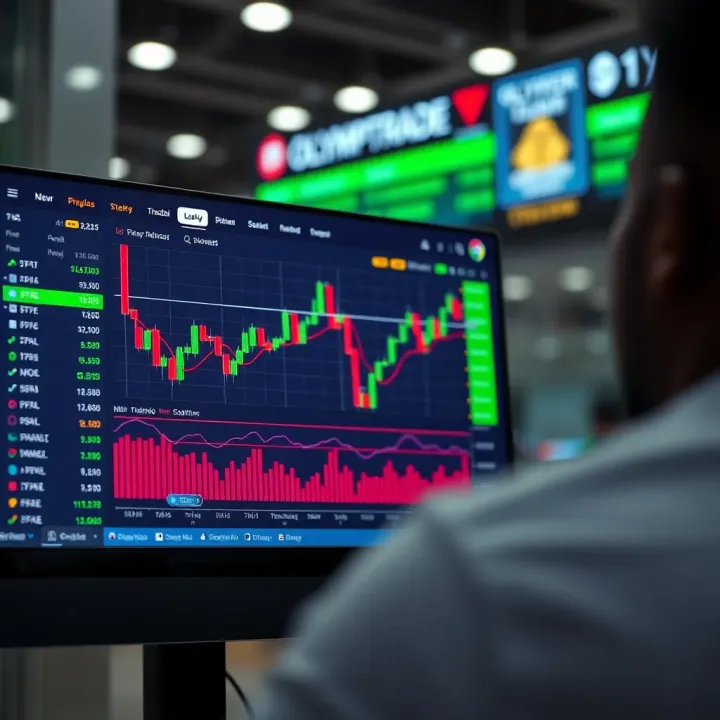
Discover how Kenyan traders can use OlympTrade for easy online investing 📈. Learn to trade, pay with M-Pesa, understand legal points, and manage risks wisely.
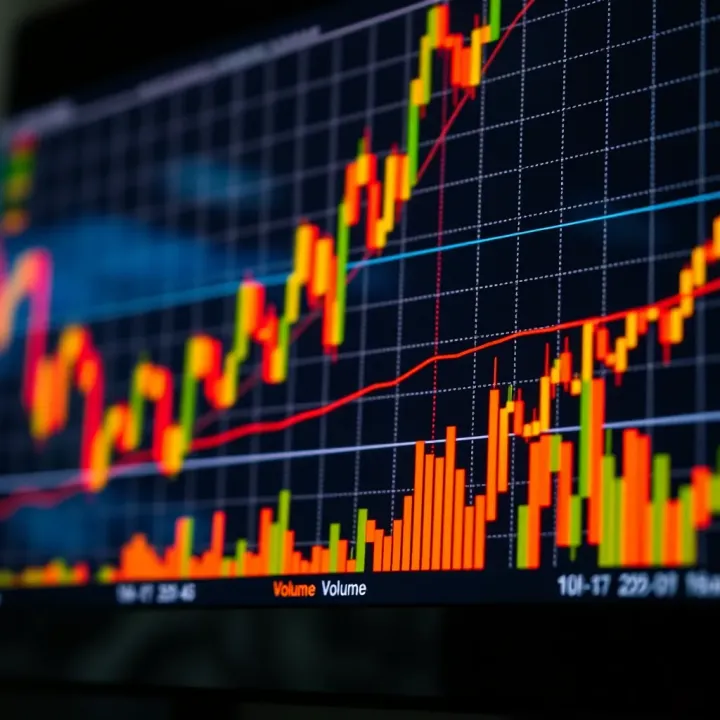
📈 Upgrade your trading with strategies fit for Kenyan investors. Master technical and fundamental analysis, risk management, and local market insights for better returns.
Based on 10 reviews