

Copy Trading Explained for Kenyan Investors
📈 Discover copy trading essentials for Kenyan investors—how it works, top platforms, benefits, risks, and smart tips to trade like the pros.
Edited By
Charlotte Davies
Investing in Kenya's financial markets requires more than just luck or following trends blindly. To improve your chances of success, it helps to adopt thoughtful trading strategies adapted to local and global contexts. This article lays out practical tactics Kenyan investors can use to navigate the NSE, regional exchanges, and international markets with greater confidence.
Understanding the types of markets you trade in is a good starting point. For instance, the Nairobi Securities Exchange (NSE) is quite reactive to macroeconomic events such as CBK interest rate changes or political developments related to the election cycle. Outside Kenya, investors at the Nairobi stock exchange often look at markets in Uganda and Tanzania to diversify risk and tap into emerging sectors.

Adopting technical analysis is popular among traders here. This involves studying price charts and patterns to predict future moves. For example, spotting a "head and shoulders" pattern on Safaricom shares may signal a trend reversal, guiding when to buy or sell. Complementing this, fundamental analysis focuses on company performance indicators such as earnings reports, debt levels, and dividend history. Studying Equity Bank’s quarterly earnings can reveal its resilience during economic shifts.
Risk management is another pillar for Kenyan investors. Given market volatility, it’s wise to apply stop-loss orders on M-Pesa payments and trading platforms to limit potential losses. Setting aside a fixed percentage of your portfolio for higher-risk assets like foreign equities versus safer government bonds can balance your overall risk.
Successful trading in Kenya blends local market knowledge with disciplined strategy and continuous learning.
Technology also plays an increasing role in trading. Mobile apps from brokers like Genghis Capital or African Alliance provide up-to-date market data and allow quick order placements, making it easier to act when opportunities arise. Using tools like Excel spreadsheets or Google Sheets to track your trades and analyse performance helps refine your personalised plan.
To sum up, the best trading strategies combine:
Knowing market conditions
Using both technical and fundamental analysis effectively
Managing risks with clear rules
Leveraging technology for information and execution
Next sections will dive deeper into each of these areas, helping you build a practical approach tailored to your investment goals and the Kenyan market realities.
Grasping the different types of trading strategies helps Kenyan investors tailor their approach based on personal goals and market conditions. Each technique offers unique insights and tools useful in making well-informed decisions, which can improve profitability and minimise unnecessary risks. Knowing when and how to apply these strategies is just as important as the choices of markets or instruments.
Chart patterns form the backbone of technical analysis. Kenyan investors often spot familiar shapes like head and shoulders, triangles, or flags on the Nairobi Securities Exchange (NSE) price charts. These shapes hint at potential market movements—whether the price might break upwards or downwards. For example, spotting an ascending triangle on a Safaricom share chart might suggest a bullish breakout, prompting timely buying.
Trends allow traders to follow the momentum, which simplifies decisions in busy markets. Technicians use tools like trendlines to confirm whether a price is moving up, down, or sideways. This awareness helps avoid buying when the market is about to dip or selling when there's still room to gain.
Indicators like the Relative Strength Index (RSI) or Moving Averages smooth out price data to reveal underlying momentum and potential reversal points. For instance, an RSI above 70 generally signals overbought conditions — a cue for cautious Kenyan traders considering exiting positions. Conversely, an RSI below 30 may signal oversold situations, possibly a good entry point.
Oscillators complement indicators by providing more immediate signals. The Moving Average Convergence Divergence (MACD) oscillator tracks momentum shifts and helps traders decide when to enter or exit trades, especially useful during periods of volatility in the NSE or regional forex markets.
Volume reflects the number of shares or contracts traded during a given period. It's key to confirming the strength of trends or breakouts. A price rise in Safaricom shares accompanied by high volume suggests genuine investor interest, reducing chances of false moves. Otherwise, price shifts without matching volume often warn of weak signals that may soon reverse.
Understanding volume patterns is especially useful in Kenya’s smaller-cap stocks, where liquidity can be low, and price changes more easily manipulated or erratic.
Fundamental analysis involves digging into companies' financial statements. Kenyan investors look at earnings reports, balance sheets, and cash flow to determine a company’s health. For example, when considering investing in KCB Bank, strong profit margins and consistent dividend payments can indicate stability and growth potential.
This approach suits investors focused on long-term value rather than quick trades. It helps avoid being swayed by short-term market noise or hype.
Macroeconomic factors such as Kenya’s inflation rate, interest rates set by the Central Bank of Kenya (CBK), or foreign exchange dynamics directly affect market performance. A rise in interest rates may cool off borrowing and dampen stock prices, while infrastructure projects could boost related sectors.
Traders monitoring macro indicators adjust their positions accordingly. For instance, knowing that a new government policy favours renewable energy can guide investments toward relevant stocks or funds in the NSE.
Following trends within specific industries helps investors capitalise on broader movements. Kenya’s growing tech sector, for example, has attracted attention with increasing digital adoption. An investor noticing rising mobile money usage might favour companies in fintech or telecoms.
Sector rotations also influence strategy. When agriculture shows signs of weakening due to drought, cautious investors might reduce exposure and shift capital to more resilient sectors like manufacturing or banking.
While technical analysis offers short-term timing, fundamental analysis guides on long-term worth. Kenyan investors balancing both might wait for a company’s strong quarterly report before entering, then use technical charts to find the best entry price.
This combined approach helps avoid impulsive trades driven solely by price fluctuations or blind faith in fundamentals without timing.
Markets don’t stay the same. Sometimes liquidity is thin and volatility high, especially during political events or economic shocks. In such times, traders might rely more on technical cues for quick exits.
During steadier periods, fundamentals regain importance, allowing for position building on solid company prospects. Flexibility in switching between these approaches based on current conditions improves trading outcomes.
Success in trading often comes from understanding how to use different strategies together, not sticking rigidly to just one. Kenyan investors who adapt benefit most in quickly changing markets.
Risk management remains one of the most vital aspects for any trader, especially in volatile markets like Kenya's. Without managing risks properly, even experienced traders can suffer significant losses that outweigh their gains. Implementing effective risk management strategies helps safeguard your capital and improve the odds of consistent profits.

Stop-loss orders act as an automatic exit point on losing trades to prevent deep capital erosion. For instance, if you buy shares of Safaricom at KSh 40 and set a stop-loss at KSh 38, the trade will close when the price hits KSh 38, limiting your loss to KSh 2 per share. This discipline is crucial in markets prone to sudden swings, such as during political unrest or economic shocks in Kenya. Stop-losses help traders avoid the temptation to hold onto a losing position hoping for a rebound, thus preserving funds for better opportunities.
Take-profit orders lock in gains by automatically selling when a stock or asset reaches a designated price target. For example, if you buy a Nairobi Securities Exchange (NSE) stock at KSh 100, setting a take-profit at KSh 110 ensures profits are secured once the price rises by 10%. This method prevents greed from clouding judgment and protects against rapid reversals common in emerging markets. Setting realistic targets based on past price movements or technical levels allows for systematic profit-taking, which contributes to long-term success.
Position sizing involves adjusting how much capital you assign to each trade to balance risk and reward. A common practice is risking only 1-2% of your total trading capital on a single trade. So, if your portfolio is KSh 1 million, you might risk KSh 10,000 to 20,000 on one trade. This approach prevents a single bad trade from wiping out large chunks of your capital, essential in Kenya's often unpredictable market conditions.
Diversification reduces the impact of poor performance in one investment by spreading funds across varied assets. A Kenyan investor might split capital between NSE blue-chip stocks, local government bonds, and agricultural commodities like tea or coffee futures. This mix helps balance risks since these asset classes don’t always move together. When one sector slows, others may perform well, cushioning potential losses. For example, if the stock market dips due to political uncertainty, agricultural exports might still bring profits due to global demand.
The emotions of greed and fear often drive impulsive decisions that hurt trading outcomes. Greed can push you to chase quick profits or increase trade sizes recklessly, while fear might cause premature exits or hesitation. Recognising these feelings helps maintain a calm, objective stance. Kenyan traders dealing with volatile forex markets or sudden corporate announcements must learn to stay steady, avoiding knee-jerk reactions.
Emotional control is as important as analytical skills in trading – without it, even the best strategies can fail.
Having a clear trading plan with entry, exit, and risk management rules is essential. Equally important is sticking to that plan no matter how the market fluctuates. This discipline prevents decisions based on short-term noise or peer pressure. For example, if your plan says to exit at a 5% loss, resist the urge to wait for a rebound. Kenyan markets, affected by local and global events alike, reward those who adhere to their strategies rather than act on whims.
Good risk management not only saves your capital but also builds confidence for consistent trading performance over time. Kenyan traders who master these practices are better positioned to navigate market challenges and seize opportunities wisely.
Selecting the right markets and instruments is a key step for Kenyan investors looking to optimise their trading outcomes. Different markets carry unique risks, liquidity levels, and opportunities, so understanding these nuances helps you tailor your approach to suit your goals and risk appetite. For example, investing in the Nairobi Securities Exchange (NSE) versus engaging in Forex trading requires different skill sets and strategies. Knowing where to put your effort can save time and protect your capital.
The NSE is Kenya’s primary stock market, listing companies from various sectors including banking, telecommunications, and manufacturing. Investing in NSE-listed firms allows you to tap into Kenya’s growing economy and benefit from dividend payments and potential capital gains. For instance, shares in Safaricom Limited or Equity Bank are popular among local investors due to their steady performance and market dominance.
Investing here often means dealing with local currency risks and economic factors specific to Kenya, such as fluctuations in interest rates or policy changes by the Central Bank of Kenya (CBK). Therefore, it’s important to keep an eye on Kenyan macroeconomic updates alongside company fundamentals.
Blue-chip stocks are shares of well-established companies with a history of stable earnings and regular dividends. They tend to be less volatile and a safer option for investors wanting to preserve capital while earning steady returns. For example, companies like KCB Group or East African Breweries Limited fit this category on the NSE.
On the other hand, small-cap shares represent smaller companies with growth potential but higher risk and price swings. Investing in such firms may offer larger returns but requires a careful assessment of their business viability and market conditions. Many Kenyan traders include a mix of blue chips and small caps to balance risk and return.
Forex trading involving the Kenyan shilling (KES) focuses mostly on pairs like KES/USD or KES/EUR. Given Kenya’s reliance on exports, remittances, and tourism, currency movements can be quite sensitive to global economic changes or local policies. Active traders watch these pairs to speculate or hedge against currency risk.
Because the Forex market operates 24/7 with high liquidity, it offers quick entry and exit opportunities, unlike the NSE which closes during specific hours. However, since KES is less liquid compared to major currencies like the US dollar or euro, spreads can be wider, affecting profitability.
Forex trading carries higher leverage compared to equities, meaning you can control large positions with relatively small capital. While this magnifies gains, it also increases the potential for big losses, especially if the market moves against your position rapidly.
On the opportunity side, Forex markets react swiftly to economic data releases, geopolitical events, and Central Bank actions, enabling quick profit-taking from short-term trends. Nonetheless, caution is needed, such as setting strict stop-loss orders and limiting size to avoid being wiped out by sudden swings.
Kenya’s economy heavily depends on agriculture, making commodities like tea, coffee, and maize key tradable assets for investors willing to explore beyond stocks. Trading agricultural futures or spot prices can provide diversification and hedge against inflation.
Energy products like petrol and natural gas also attract investor interest, especially given periodic price volatility influenced by global oil markets and regional supply disruptions. Local traders may access these markets through commodity brokers or ETFs that track commodity prices.
Exchange-Traded Funds (ETFs) bundle various assets such as stocks, bonds, or commodities, allowing investors to gain broad exposure without buying individual shares. For Kenyan investors, ETFs listed locally or on international markets can offer access to sectors or geographies otherwise hard to reach.
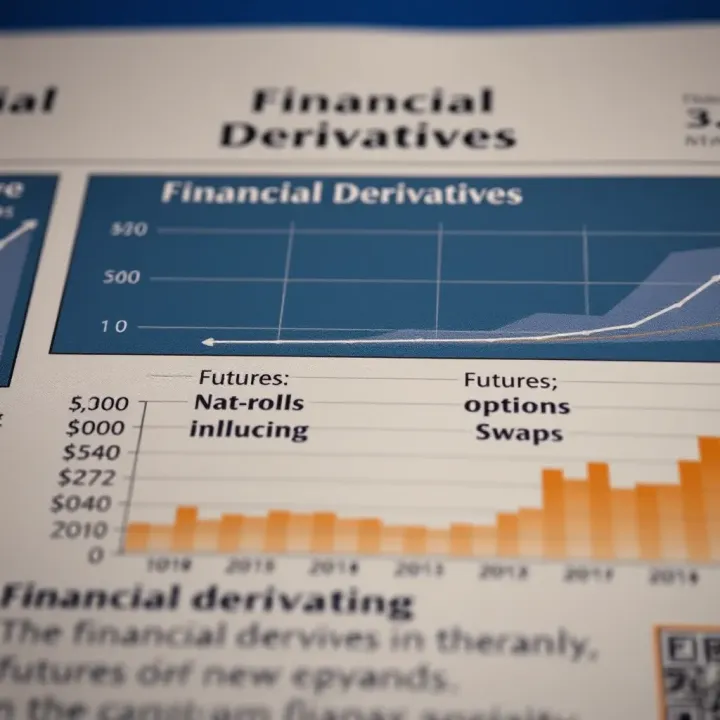
Derivatives including options and futures provide tools to hedge risk or speculate, but they require more experience due to complexity and higher volatility. Proper education and testing on demo accounts before committing real money is advisable.
Choosing the appropriate markets and instruments is about matching the trading style and risk you are comfortable with, while making the most of Kenya’s unique economic landscape and accessible global opportunities.
In Kenya’s rapidly evolving financial sector, using modern technology is no longer a luxury but a necessity for traders aiming to stay ahead. Trading platforms, analytical software, and mobile money integration have transformed how investors engage with markets, making access quicker and decision-making sharper. These tools help investors respond swiftly to market changes and streamline their operations, especially for those balancing trading activities with busy schedules.
Kenyan traders have access to a mix of local and international trading platforms. Local platforms like NSE Webtrader cater specifically to the Nairobi Securities Exchange (NSE), offering features like real-time pricing for NSE-listed shares and easy integration with Kenyan brokerages. International platforms such as MetaTrader and Interactive Brokers provide broader access to global markets including forex and commodities, offering more advanced charting tools, diverse asset classes, and lower latency.
Choosing the right platform depends on your trading focus and experience. For example, a beginner investor trading NSE shares might prefer a local platform with simpler navigation and customer support in local context. Contrastingly, an experienced forex or commodity trader might value the advanced charting capabilities and vast market access through international platforms.
Mobile trading apps are revolutionising how Kenyans engage with markets. Platforms such as Safaricom’s M-Akiba, as well as mobile apps from brokers like KCB Capital and Faida Investment Bank, enable investors to buy and sell stocks or bonds directly from their smartphones. These apps are designed for quick access and convenience, recognising the widespread use of mobile phones over desktops.
Mobile trading is especially valuable for investors outside Nairobi or those constantly on the move, enabling them to monitor price movements and execute trades anytime. However, users should ensure their mobile network is stable to avoid order execution delays, which can affect trade outcomes.
Effective trading relies heavily on interpreting market trends, and specialised software makes this task clearer. Tools like TradingView and MetaTrader include charting capabilities that help Kenyan traders visually identify price patterns, support and resistance levels, and market momentum. These insights are key to making informed buy or sell decisions.
By incorporating local market data, such software helps tailor analysis specifically for Kenyan equities or forex pairs like the Kenyan Shilling against the USD. This local focus can give traders an edge in predicting moves influenced by domestic economic reports or political events.
Automated features in trading software minimise the need for constant screen-watching, a big plus for busy investors. Setting alerts for price thresholds or technical indicators means you get notified when conditions match your trading strategy. For instance, an alert could notify you when Safaricom shares hit a target price, allowing swift action.
Some platforms also support automated trade execution through pre-set instructions, so trades occur immediately once criteria are met. This reduces emotional decision-making and helps lock in profits or limit losses effectively.
M-Pesa is central to Kenya’s digital finance ecosystem, and its integration into trading platforms streamlines funding and withdrawals. Many brokers now allow investors to fund their trading accounts directly from M-Pesa, removing the long waits and bureaucratic hurdles usually involved in depositing funds via banks.
This convenience broadens access for retail investors who may not have traditional banking accounts but rely heavily on mobile money for transactions. It also speeds up the process, allowing for timely capital deployment when sudden market opportunities arise.
Using mobile money for funding and withdrawals simplifies trading by cutting down processing times and reducing costs. Kenyan investors appreciate fast access to their funds, particularly when needing to withdraw profits or reinvest quickly.
However, traders should verify transaction limits and any associated fees on their chosen platform. Clear, transparent processes build trust and prevent delays. For example, a local broker might process withdrawal requests within 24 hours, while international platforms could take longer depending on payment methods used.
Leveraging technology tailored to the Kenyan market, from mobile apps to M-Pesa payments, empowers traders to act faster and manage their investments with greater control. Using these tools wisely enhances both efficiency and potential returns.
Creating a personal trading plan is vital for Kenyan investors who want consistency in their results. Such a plan clearly outlines what you want to achieve, how much risk you’re willing to take, and the steps to take while trading. Without this, decision-making may become random or emotionally driven, often leading to losses. A solid plan acts like a road map, guiding you through volatile market conditions and helping you stay disciplined.
Start by setting clear profit targets based on realistic expectations. For example, if you invest in shares listed on the Nairobi Securities Exchange (NSE), decide whether you aim for a quick 5-10% gain over a few weeks or a long-term 20-30% growth over a year. Having a timeframe attached to your goals helps focus your trading approach, whether you are day trading or holding shares for months.
Be honest about how much loss you can accept without feeling stressed. If you cannot afford to lose KSh 50,000 on a trade, your position size and stop-loss levels must reflect that. Risk tolerance varies among individuals depending on financial situation and mindset. For instance, someone with a stable salary from Nairobi might handle moderate risks, while a small-scale business owner in Kisumu may prefer cautious strategies with lower exposure.
Backtesting lets you see how your strategy would have performed using past price data. Many platforms offer access to historical NSE stock prices or forex data involving the Kenyan shilling. By simulating trades, you can pinpoint weaknesses and improve your plan before risking actual money. For example, if a moving average crossover strategy repeatedly failed during high volatility periods, you can adjust your entry rules accordingly.
Demo accounts give you hands-on experience with virtual money, allowing you to place trades without financial risk. Kenyan traders can try demos on popular platforms like FXPesa or Nairobi-based broker apps. This builds confidence and helps familiarise you with order placement, stop-loss settings, and how to react to live market shifts without fear. Transitioning to real trading becomes smoother and less daunting.
Keep a detailed record of every trade, noting entry price, exit price, profit or loss, and reasons behind the trade. These metrics allow you to analyse patterns—such as which trades bring the highest returns or where mistakes occur. For instance, if most losses come from trades during Kenya’s election months, you might limit activity during those periods.
Regular review of your trades helps improve decision-making and builds discipline over time.
Markets in Kenya and globally can shift rapidly due to economic events or regulations. A flexible trading plan adjusts to these changes. If inflation rises sharply, you might pivot from growth stocks to commodities like tea or coffee futures. Being rigid can lead to missed opportunities or losses, so continuous learning and adjustment are key to staying profitable.
By carefully building, testing, and refining your personal trading plan, you increase your chances of success in Kenya’s dynamic markets. This disciplined approach brings clarity, controls risk, and helps turn informed strategies into consistent profits.
📈 Discover copy trading essentials for Kenyan investors—how it works, top platforms, benefits, risks, and smart tips to trade like the pros.

🤖 Discover how AI trading bots operate in Kenya's financial markets, their benefits, risks, and tips to help investors make smarter decisions.

📈 Discover practical derivative trading strategies tailored for Kenya. Learn key concepts, risk management, and access helpful PDF guides to boost your trading skills.
📊 Explore derivatives in finance—types, uses, risks, and key contracts explained. A practical guide for investors and businesses in Kenya.
Based on 10 reviews