

Solana Price Prediction: What to Expect Ahead
📈 Wonder how Solana's fast transactions and growing ecosystem shape its price? Get insights, trends & risks for Kenyan investors in this detailed Solana price outlook.
Edited By
Oliver Hastings
Pi Coin has been making waves, especially among Kenyan crypto enthusiasts looking beyond traditional assets. While it is tempting to chase quick gains, understanding what drives Pi Coin's price and the factors shaping its future is essential for any serious investor or trader.
Unlike mainstream cryptocurrencies like Bitcoin or Ethereum, Pi Coin is still in its early development stages and aims to be more accessible through mobile mining. This approach has earned it attention but also raised questions about its long-term value.

To predict Pi Coin prices, one must weigh several elements:
User adoption and network growth: The more people mining and transacting with Pi Coin, the stronger the network effect, which can boost its valuation.
Regulatory environment: Kenya’s evolving stance on cryptocurrencies impacts investors’ confidence. Any restrictive measures could dampen market activity.
Technological developments: Updates on Pi’s blockchain security, transaction speed, and real-world applications influence market sentiment.
Trading volume and liquidity: Limited availability on major exchanges can lead to price volatility or stagnant growth.
For Kenyan investors, watching how Pi Coin integrates with local platforms like M-Pesa or eCitizen could be a significant driver for its value.
While several experts predict cautious optimism, it's crucial to remember that predicting crypto prices is notoriously tricky. High volatility and lack of historical data mean potential gains come with heightened risk.
Investors should approach Pi Coin with a clear strategy, ideally diversifying their crypto portfolio and setting realistic expectations. By following market trends closely and understanding the underlying factors, traders can make more informed decisions in Kenya's booming crypto space.
Understanding Pi Coin and its current standing in the digital currency market is essential for investors looking to make informed decisions. Pi Coin, developed by a team led by Stanford graduates, aims to offer a user-friendly cryptocurrency accessible to everyday people rather than technical experts or established traders. This focus positions Pi Coin differently than Bitcoin or Ethereum, which require substantial computing power or investment to mine.
Pi Coin is a relatively new cryptocurrency designed to be mined on mobile devices without draining the battery or data. Unlike traditional cryptocurrencies that rely on energy-intensive proof-of-work systems, Pi uses a consensus algorithm called the Stellar Consensus Protocol. This method allows users to validate transactions with minimal resources, making participation possible even in areas with limited internet access or older phones.
Users earn Pi Coins mainly by verifying their identity and engaging with the app daily, which builds a web of trust within the network. This approach encourages community growth and avoids the high entry barriers common in crypto mining. However, it is worth noting that Pi Coin is still in its development phase and is not yet widely available for trading like more established cryptocurrencies.
As of now, Pi Coin is not actively traded on major global exchanges such as Binance, Coinbase, or NSE. Its availability is limited, making direct market price tracking difficult and often speculative. The project recently completed its test phase and is preparing for the mainnet launch, where transactions can occur independently of the central server.
Some smaller, third-party platforms have started listing Pi Coin, but these carry risks including liquidity problems and price manipulation, which Kenyan investors should be cautious about. Since Pi Coin aims to grow its user base primarily through mobile mining and community-building, mainstream trading platforms might only adopt it once the network matures and regulatory clarity improves.
For Kenyan investors, the key takeaway is to observe Pi Coin’s market development closely but approach trading cautiously, considering the coin’s early-stage nature and its limited exchange accessibility.
In the context of this article, knowing Pi Coin’s design, its unique mining system, and current market position helps clarify why price predictions remain uncertain. It also highlights the importance of monitoring technological developments and regulatory updates that could influence its future valuation.
Understanding the factors that shape Pi Coin's price is key for anyone considering investment or trading in this digital currency. Several elements come into play, driving the fluctuations and trends seen in its market value. These factors aren't isolated; rather, they interact dynamically, meaning shifts in one area often ripple into others.
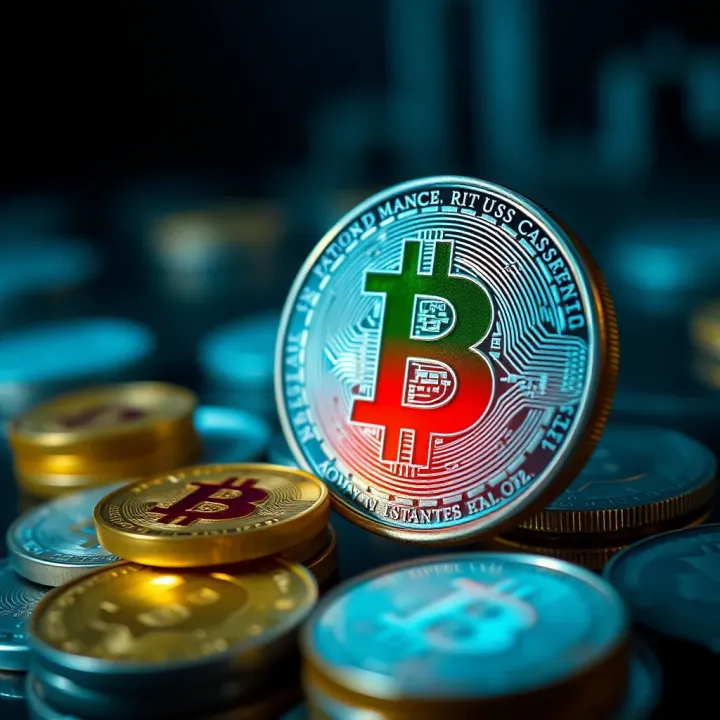
The backbone of any cryptocurrency is its technology and network. Pi Coin’s price heavily depends on how its blockchain infrastructure evolves over time. For instance, if the Pi network upgrades to improve transaction speed or security, it can boost user confidence and attract more participants. A clear example is when Ethereum transitioned from proof-of-work to proof-of-stake, which supported its price rise due to better scalability and energy efficiency. Similarly, Pi Coin’s development progress will influence its perceived reliability and usability.
Moreover, active development reduces the chances that the network becomes obsolete. A sluggish or poorly maintained platform can lead to investor scepticism and price drops. Kenyan traders should watch for announcements about new features, partnerships, or tech milestones to anticipate market moves.
Market demand is a straightforward yet powerful force affecting Pi Coin’s price. When more people want to buy Pi Coin, the price tends to rise. This demand often ties closely with investor sentiment — how traders and the wider public feel about the coin.
Imagine a Kenyan investor hearing about a surge in Pi Coin users globally or local adoption in payment platforms like M-Pesa; this could spark increased buying interest. Conversely, if there's negative news — such as reports of scams or technical issues — confidence drops and sells increase. The crypto space is well known for sharp sentiment swings that can cause price volatility within hours.
Regulations are a major influence on any cryptocurrency’s market behaviour, and Pi Coin is no exception. Kenya has a mixed track record in regulating digital currencies, with authorities cautiously observing their impact. Clear, positive regulation can encourage investments by providing legal certainty, whereas abrupt crackdowns or ambiguous policies often scare investors off.
For example, when the Central Bank of Kenya and CMA offer guidelines on virtual currencies or digital assets, investors gain more confidence. On the other hand, sudden bans or restrictions on cryptocurrency exchanges could cause sharp price drops. Traders should also note cross-border regulatory shifts, as international rules affect Pi Coin’s global liquidity and acceptance.
Keeping an eye on technology updates, market mood, and regulatory news can save you from unexpected losses or help you spot opportunities early. These factors combined play a practical role in shaping the price destiny of Pi Coin.
In summary, savvy investors and traders will do well to monitor these three areas closely. They offer signals beyond charts, connecting real-world progress and policy to the coin’s market valuation. This understanding can guide more informed decisions in the fast-moving Kenyan and global cryptocurrency markets.
Accurate price predictions for Pi Coin are essential for traders and investors who want to make informed decisions in a volatile market. Reliable forecasts help cut through the noise and give grounded expectations based on current data, technology progress, and market sentiment. For example, when Kenyan investors rely on predictions from established crypto analysts, they can spot opportunities or potential risks early, rather than following rumours or unverified sources.
In the short term, Pi Coin’s price may experience fluctuations driven by developments in its network and initial trading activity on various platforms. Given Pi Coin is still relatively new and not widely listed on major exchanges, its price often reacts to news about its mainnet launch, partnerships, or technical updates. For instance, if a new update improves transaction speed or security, this could boost investor confidence and cause a short-lived price spike.
Market sentiment also plays a big role; in Kenya, where awareness around cryptocurrencies is growing fast, a positive buzz on social media or endorsements by key influencers could trigger increased buying within weeks. However, short-term price swings can be unpredictable. Traders should watch for volume changes on platforms that support Pi Coin and keep an eye on M-Pesa transaction options, as these ease of use influence local demand sharply.
Looking further ahead, medium and long-term price forecasts take into account broader factors such as adoption rates, network growth, and regulatory changes. Reliable analysts usually project that if Pi Coin succeeds in building a robust community and secures listings on larger exchanges like Binance or Coinbase, its price could gradually increase as liquidity improves.
From a Kenyan perspective, the coin’s potential hinges on integration with local digital payment systems and acceptance among mobile users. For example, should Pi Coin be mass adopted for everyday transactions through M-Pesa or county government digital payments, this would support steady price growth.
That said, predictions also consider risks like increased competition from established cryptocurrencies or possible regulatory hurdles that could slow adoption. Investors focusing on medium to long-term trends should monitor innovations in blockchain technology and policy developments in Kenya and East Africa.
Trustworthy price predictions provide a map, but the crypto terrain remains uneven. Continuous evaluation and cautious optimism remain the best approach for any Pi Coin investor.
By comparing forecasts from crypto research firms and credible market analysts while paying attention to tangible indicators in Kenya’s crypto ecosystem, investors can sharpen their strategies and better time their entry or exit points.
Investing in Pi Coin comes with certain risks that Kenyan investors must understand before diving in. Cryptocurrency markets, including Pi Coin, are known for their unpredictability and rapid price swings. Being aware of these risks helps investors make informed decisions and prepares them to handle potential losses.
Cryptocurrency prices like Pi Coin often move erratically due to factors such as global market sentiment, news events, or changes in technology. For instance, a single tweet or news about regulatory changes in a big market can send prices tumbling or soaring within hours. Kenyan investors should expect such wild swings and avoid putting all their savings into one coin. Keeping investment sums manageable and setting clear limits can help cushion against sharp value drops.
The crypto space in Kenya has seen scams targeting unsuspecting investors. Fake coin offerings, phishing messages, and cloned wallets are common traps. When dealing with Pi Coin or any digital currency, confirm you are using official apps or websites and avoid sharing your private keys or passwords. Consider enabling two-factor authentication (2FA) on your accounts. Remember, once your crypto is stolen, recovery is almost impossible. Trusted exchanges and verified wallets provide added layers of security.
M-Pesa is widely used in Kenya for mobile payments, but when it comes to transferring funds to buy Pi Coin, investors need to be cautious. Always transact through reputable platforms that clearly indicate they support M-Pesa deposits. Some third-party sellers may ask for M-Pesa payments but disappear without delivering coins, a common scam tactic. Also, check the platform’s terms on transaction fees, limits, and settlement times to avoid unexpected costs or delays. Besides M-Pesa, some exchanges accept bank transfers or card payments—choose the option that offers the best balance of convenience and safety.
Kenyan investors should treat Pi Coin investments like any other asset: personal diligence and risk management go a long way in protecting one’s funds in volatile and sometimes unregulated markets.
By understanding these key risk areas — volatility, security, and payment platforms — Kenyans can better navigate the Pi Coin landscape and make smarter investment choices.
Investing in Pi Coin requires a cautious and informed approach given the volatility of cryptocurrencies and the emerging status of Pi Coin itself. Kenyan investors need to understand the practical steps to protect their capital while positioning themselves for potential gains. This section highlights key strategies to navigate the market wisely.
Thorough research is the backbone of any good investment decision. For Pi Coin, following the latest developments can be tricky since it is still evolving technically and in terms of adoption. Investors should monitor updates from Pi Network’s official channels and credible crypto news sources. For instance, understanding changes in the network’s milestones, such as increasing active users or partnerships, often signal potential upside.
Also, keep an eye on regulatory news in Kenya and the East African region. The Kenya Communications Authority (KCA) and Capital Markets Authority (CMA) occasionally release advisories on cryptocurrencies that can impact market sentiment. Following local crypto forums and trusted analysts will help you avoid misinformation and scams. Remember, news around digital currencies spreads fast; being quick to verify information prevents costly mistakes.
Putting all your hard-earned KSh into Pi Coin alone would be risky. Diversification is a smart way to spread your risk. Instead of holding just one digital token, consider a mix that includes established coins like Bitcoin or Ether, alongside emerging ones like Pi Coin. This balance can cushion your portfolio during volatile times.
In Kenya, many investors have started combining M-Pesa transactions with crypto exchanges to build diversified holdings. For example, buying small amounts of Bitcoin on Binance Kenya and Pi Coin simultaneously allows exposure to different market dynamics. Spreading investments across varied assets also means your losses in one token may be offset by gains in another.
Many investors dive into cryptocurrencies expecting quick wealth. The truth is, Pi Coin’s price will fluctuate and may take time to gain significant market value. Set achievable goals based on research and your financial situation. For example, aiming to double your investment over two years is more sensible than expecting a 10-fold increase in months.
Plan your exit strategy in advance. Decide at what price or under what conditions you will sell some or all of your holdings. This might include profit-taking when the coin passes a certain value or cutting losses if the market turns unfavourable. Avoid emotional decisions; instead, use tools like stop-loss orders or price alerts.
Investing wisely in Pi Coin means combining up-to-date knowledge, balanced portfolio choices, and clear plans for entry and exit. This practical approach helps Kenyan investors navigate the unique challenges of crypto markets while maximising opportunities.
By focusing on research, diversification, and realistic expectations, you will approach Pi Coin investment with a steady hand. This reduces unnecessary risk and increases your chances of benefiting from the emerging digital currency wave.
📈 Wonder how Solana's fast transactions and growing ecosystem shape its price? Get insights, trends & risks for Kenyan investors in this detailed Solana price outlook.

📈 Discover Ethereum's price trend, expert views, and market signals shaping its future. Get informed insights for savvy investment decisions in Kenya.

Explore Binance Coin (BNB) price trends 📉, market factors, expert insights, and analysis to guide your investment choices in Kenya's crypto space. 📊

📊 Get a detailed WLD token price prediction with expert views, market trends, risks, and factors shaping WLD's future. Stay informed for smarter investment decisions.
Based on 7 reviews