

Cardano Price Prediction for 2024 and Beyond
📈 Explore Cardano price trends for 2024 and beyond. Dive into market shifts, tech updates, and expert insights shaping ADA's future in Kenya and worldwide.
Edited By
Isabella Green
The WLD token has steadily gained attention in Kenya's growing cryptocurrency market. Understanding its future price trends matters not only to casual investors but also to traders and financial professionals looking to make informed decisions. This section sets the stage by outlining key points that influence WLD’s value, helping readers grasp the essentials before delving deeper.

WLD’s price depends on several market factors including liquidity, trading volume, and overall demand. For example, if the number of active wallets holding WLD tokens rises in Nairobi and Mombasa, this typically signals growing trust and interest, which could push prices up. On the flip side, sudden sell-offs or regulatory pressures can cause sharp declines.
The token’s value is heavily influenced by its application beyond speculation. WLD’s integration into platforms such as local payment systems or community marketplaces can boost its practical usefulness. This in turn tends to stabilise and raise its demand, much like how M-Pesa transformed mobile payments in Kenya.
Since cryptocurrencies trade globally, WLD doesn’t operate in isolation. International regulatory updates, shifts in Bitcoin’s price, or changes on major exchanges like Binance have ripple effects. Given Kenya’s connection to the international crypto scene, such movements impact local trading sentiment and price volatility.
Price predictions should not rely solely on past data but consider broader economic and social factors affecting cryptocurrencies in Kenya and beyond.
Volatility remains a major risk. WLD can be affected by sudden market shifts or news like a change in policy from the Capital Markets Authority (CMA) or interventions by the Central Bank of Kenya (CBK). Investors need to weigh these risks alongside potential returns.
Keep an eye on trading volumes and liquidity across Kenyan-based exchanges and global platforms.
Follow regulatory developments at both county and national levels.
Assess WLD’s partnerships and adoption in Kenyan fintech as indicators of long-term viability.
This overview provides a foundation for understanding the complex factors influencing WLD’s price. Subsequent sections will explore detailed predictions, expert analyses, and strategic advice tailored for Kenya’s financial environment.
Understanding the WLD token and its position in the market forms the foundation for any meaningful price prediction. This section outlines its background, features, and current standing, providing the context investors need to gauge potential value changes. Without grasping the token’s purpose and how it behaves in the market, predictions risk being little more than guesswork.
The WLD token was created primarily as a governance token within the Worldcoin project, aiming to foster a global, decentralized identity network. Its purpose extends beyond mere trading—it empowers holders with voting rights on project decisions and access to specific services within the ecosystem. This governance function can influence demand because active community participation generally drives token utility.
Moreover, WLD seeks to address problems of digital identity and privacy, which situates it uniquely compared to other utility tokens. Its design encourages widespread adoption by blending blockchain transparency with user privacy, a balance that speaks directly to growing concerns in digital identity management.
In terms of features, WLD operates on the Ethereum blockchain and supports staking, allowing holders to earn rewards by locking up tokens. This staking mechanism incentivizes long-term holding, which can reduce circulating supply and potentially boost price stability. Besides governance and staking, WLD tokens are usable for transaction fees within the ecosystem, linking them to practical applications rather than purely speculative trading.
These elements make the WLD token attractive for investors who value both utility and governance power. For example, participants who stake WLD may be tempted to hold rather than sell, helping reduce volatility in the marketplace.
Recent trends show WLD's price moving within a somewhat volatile range, influenced by broader cryptocurrency market swings and specific updates from the Worldcoin project. Investor interest tends to spike around major network announcements or partnerships, reflecting the token's sensitivity to fundamental news.
For instance, during the early months of 2024, a series of development milestones triggered modest price rallies, though these gains were often followed by profit-taking episodes. This pattern highlights how WLD price movements closely mirror project progress and investor sentiment.
Looking at market capitalization and liquidity, WLD boasts a moderate market cap relative to other emerging tokens, signalling reasonable investor confidence but also indicating room for growth. Liquidity levels are sufficient to allow for trading on major exchanges, though volumes can fluctuate, affecting price stability.
Higher liquidity means traders can enter or exit positions without causing drastic price changes, an important factor for professional investors. For example, on platforms like Binance and Coinbase, WLD shows consistent daily volumes, making it accessible for Kenyan investors using M-Pesa-linked brokerage accounts.
The WLD token’s market position, backed by its governance use and active staking features, provides a solid base for analysing future price direction. Investors should monitor project developments alongside liquidity conditions to make informed decisions.
Together, these introductory insights build a clearer picture of where WLD stands in today’s crypto market and why these factors matter when considering price forecasts.
Understanding the key factors that drive WLD token's price is essential for making informed investment decisions. These factors interact to shape market behaviour and provide insights into potential future trends of the token. By breaking down these elements, traders and investors can better anticipate price movements and adjust their strategies accordingly.
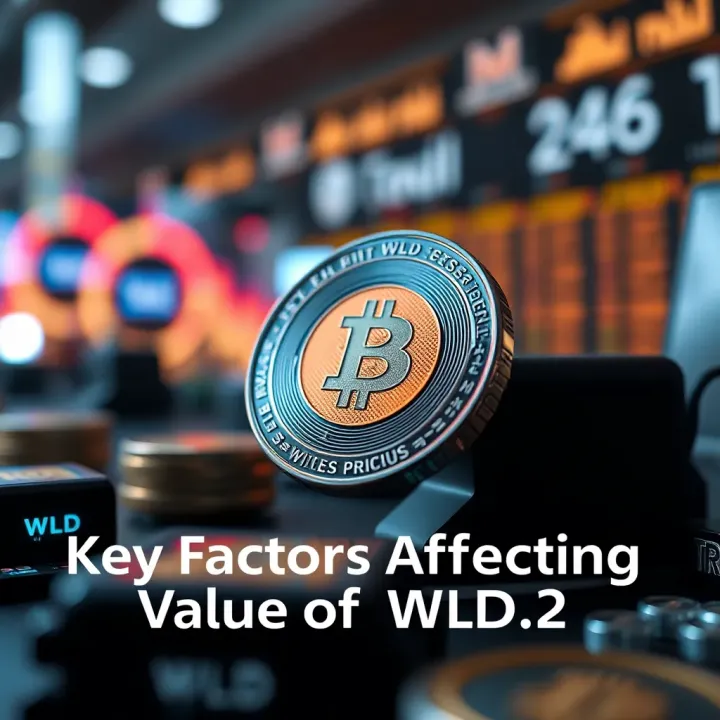
Support and resistance levels are fundamental concepts in technical analysis that help traders identify price points where WLD might halt its downward or upward movement. Support levels act like a floor where buying interest could prevent further price drops, while resistance levels serve as a ceiling where selling pressure might cap price rises. For example, if WLD recently bounced back after touching KSh 150, that price could be considered a support level. Recognising these areas assists investors in setting entry or exit points, reducing guesswork and improving timing.
Volume and momentum trends complement support and resistance by revealing the strength behind price movements. Volume shows how many tokens are being traded during a specific time, signalling the level of interest among market participants. A surge in volume when WLD breaks past resistance is typically a positive sign that the trend could continue. Momentum indicators like the Relative Strength Index (RSI) help determine whether WLD is overbought or oversold. For instance, an RSI above 70 may hint that WLD’s price is stretched and a correction might follow, while below 30 suggests a potential buying opportunity.
Development updates and partnerships significantly impact WLD's valuation since they reflect real progress and utility expansion. When the team behind WLD announces collaboration with a well-known DeFi platform or upgrades its smart contract features to improve security, confidence among investors rises. This leads to increased demand and often a price uptick. For instance, if WLD integrates with Safaricom’s M-Pesa for in-app payments, it could open doors for mass adoption in Kenya’s digital economy.
Adoption and community growth are equally critical for sustaining the token’s market value. A growing user base signals that WLD is gaining traction, which fuels demand. Active communities also create a watchdog effect, discouraging manipulation and fostering transparency. In Kenya, this could mean more developers building applications on WLD or local startups accepting it as payment, extending the token’s practical value beyond speculative trading.
The overall cryptocurrency market trends tend to influence WLD's price heavily. When major tokens like Bitcoin and Ethereum rally, it often pulls altcoins, including WLD, upwards due to increased market optimism and liquidity. Conversely, during bearish phases, riskier assets like WLD typically suffer more. An example is the global crypto sell-off in mid-2022 that dragged down most tokens regardless of their fundamentals, showing how macro trends shape individual coin behaviour.
Regulatory environment impact also plays a decisive role, especially in Kenya and globally. Clear policies or crackdowns can influence investor confidence dramatically. For example, if the Capital Markets Authority (CMA) introduces supportive regulations for cryptocurrencies, it can boost WLD's legitimacy and attract institutional money. On the other hand, restrictions or bans, similar to what some countries have implemented, could restrict trading and adoption, pressuring the price.
Keeping a close eye on these factors gives you a fuller picture beyond price charts alone. Combining technical signals with fundamental and external considerations improves how you appraise WLD's price prospects.
Understanding expert price predictions is key when considering investment in the WLD token. Experts combine various models and data, including technical signals and market behaviour, to provide forecasts. Their insights help investors get a clearer picture of potential price movements, smoothing out the noise from daily market fluctuations.
Expert opinions are also practical for comparing diverse viewpoints. Some analysts focus on short-term trends driven by market momentum, while others look at long-term potential based on project fundamentals and adoption rates. Considering both perspectives gives investors a balanced outlook and helps avoid making decisions based on hype or overly pessimistic views.
Short-term predictions reveal how WLD might behave over days or weeks, often relying on chart patterns, volume shifts, and recent news. For example, if the token breaks through a key resistance level with strong volume, analysts might expect a price rally in the next few weeks. This outlook is vital for traders who want to capitalise on quick gains or avoid sudden dips by timing their entries and exits carefully.
In March 2024, some analysts observed a consolidation phase around KSh 150, suggesting a potential breakout depending on market sentiment. Keeping an eye on such movements helps investors react swiftly, particularly in a volatile Kenyan market where quick decisions can protect capital.
Long-term forecasts stretch over months or years and consider factors like partnerships, ecosystem growth, and regulatory changes. Analysts might look at WLD’s adoption beyond crypto enthusiasts—if businesses start integrating it for payments or DeFi services, the token’s value could rise steadily.
For instance, an analyst might project WLD reaching KSh 500 in two years based on expected platform upgrades and growing community usage in East Africa. This view helps investors focus on value-building rather than short-lived price swings, promoting patience and strategic holding.
Analysing investor mood through surveys, forums, or trading volumes provides clues about the general feeling around WLD. When sentiment is overwhelmingly positive, prices often trend up as buyers flood in. But excessive optimism sometimes signals an overheated market, warning of potential corrections.
For example, a sudden spike in buying interest without matching news might be a sign of speculation. Kenyan investors who monitor sentiment alongside fundamentals stand a better chance of spotting bubbles before they burst.
Social media platforms like Twitter, Telegram, and local crypto groups offer real-time insights into what the community thinks about WLD. Trending topics or increased chatter about upcoming features can influence price by bringing fresh attention and new buyers.
If a popular crypto influencer in Kenya discusses WLD’s latest partnership, it could spark interest that drives prices up. Conversely, negative talk about security issues might dampen demand quickly. Staying alert to these trends helps investors anticipate shifts not yet visible on price charts.
Combining expert analysis with community sentiment creates a fuller picture. While data looks at numbers, sentiment looks at people—both shape how WLD moves in the market.
In sum, evaluating expert predictions along with social sentiment offers traders and investors practical tools. It encourages informed decisions built around real market dynamics rather than guesswork or hype.
Understanding the potential risks that can impact the price of WLD token is vital for anyone serious about investing or trading this asset. These risks directly affect price stability and long-term value, making it essential to weigh them carefully alongside positive trends. By recognising these challenges, traders and investors can make more informed decisions and avoid unexpected losses.
WLD, like many cryptocurrency tokens, experiences significant price fluctuations. This volatility often results from speculative trading, where prices surge or plunge rapidly without clear fundamental reasons. For instance, a sudden buzz on social media or a large holder selling tokens can cause sharp swings in WLD’s price.
A notable risk here is the pump-and-dump scheme. This occurs when a group artificially inflates the token price by buying in large volumes and promoting hype, only to sell off their holdings at a profit once the price peaks. Ordinary investors who buy at inflated prices often face heavy losses when the price crashes. Kenyan traders should be cautious and watch for unusual trading volumes or price spikes that lack clear news or developments.
WLD relies on smart contracts to automate transactions and maintain trustless interactions. However, smart contracts are software code and can have bugs or security loopholes. If exploited, these vulnerabilities can lead to losses or stolen tokens, severely damaging investor confidence and WLD’s market value. Cases like the DAO hack in 2016 show how a single flaw can trigger massive financial damage.
Continuous audits and updates by the WLD development team can reduce such risks, but investors must be aware that no system is foolproof. Kenyan investors should follow project updates closely to detect any reported issues or patches.
Regulatory changes remain a key wildcard affecting WLD’s price. In Kenya, the Central Bank and other authorities have varied stances on cryptocurrencies — ranging from cautious acceptance to warnings against them. New laws could impose trading restrictions, taxation, or outright bans that would impact liquidity and adoption.
Globally, stricter regulations are emerging in major markets like the US and European Union. These can affect the entire crypto space, creating sell-offs or limiting exchanges where WLD is available. For investors in Kenya, staying abreast of evolving rules and preparing for possible disruptions in access or transfers is crucial. This helps avoid sudden market shocks linked to regulatory announcements.
Risks such as market volatility, technical flaws, and legal uncertainties should be a regular part of your investment considerations with WLD token. Proactive awareness helps manage downside and strengthens your trading strategy.
By keeping these challenges in mind, traders and investors can position themselves better against sudden setbacks while taking advantage of WLD's growth prospects.
Price predictions can be a powerful tool for anyone investing in WLD token, but they need to be used carefully. These forecasts give you a glimpse of possible future moves based on data and trends, helping you make informed calls rather than jumping in blindly. In particular, understanding how to blend these predictions with your own research and realistic strategies can improve your chances of success.
Technical analysis uses historical price charts, volume, and momentum indicators to spot patterns that hint at where WLD prices might head next. For instance, spotting a strong support level around KSh 200 could indicate a good buying opportunity if prices dip. However, relying solely on charts can be risky without understanding the bigger picture.
That’s where fundamental analysis comes in. This means looking at real-world factors like WLD’s latest partnerships, developer updates, and adoption rate. Say WLD recently joined a promising blockchain consortium or launched a new feature; these events often boost investor confidence and can trigger price gains beyond what technical signals show. Combining both methods gives you a clearer view—not just the how but also the why behind price movements.
No single prediction should be your only guide. Different analysts, platforms, and community opinions often vary widely. It’s smart to check a range of forecasts—from respected cryptocurrency analysts, market data platforms, and WLD user forums—to spot common themes or outliers.
For example, if three respected sources forecast WLD hitting KSh 500 in the next six months, that consensus might carry more weight than one lone prediction suggesting KSh 1,000. Also, staying updated on social media and official newsrooms helps catch sudden developments that impact forecasts. This cross-checking reduces reliance on biased or outdated data and improves your decision-making.
Investing in tokens like WLD means navigating high volatility—prices can swing widely within short periods. Risk management is about protecting your capital from big losses while aiming for gains. Setting a clear budget that you can afford to lose, using stop-loss orders to exit trades at predefined prices, and diversifying investments beyond just WLD are practical ways to manage risk.
For instance, instead of putting all your KSh 50,000 into WLD, consider allocating part to safer assets or different cryptocurrencies. This shields you from shocks if WLD prices drop suddenly due to unexpected news or market-wide sell-offs.
Knowing when to buy and when to sell is key. Price predictions can help plan entry and exit points but shouldn’t replace your judgment and ongoing market monitoring. If the short-term analysis suggests a price surge over the next two weeks, you might choose to buy now and set a target to sell when that price hits.
At the same time, be ready to adapt. If WLD faces sudden regulatory hurdles or the broader market turns bearish, sticking strictly to initial predictions might cost you. Plan exit points not just based on optimism but also on stop-loss limits, taking profits regularly, or cutting losses early.
Using price predictions in your investment actions means balancing optimism with caution. Combine data, stay alert, and plan well to navigate WLD’s market wisely.
📈 Explore Cardano price trends for 2024 and beyond. Dive into market shifts, tech updates, and expert insights shaping ADA's future in Kenya and worldwide.
Explore Binance Coin (BNB) price trends 📉, market factors, expert insights, and analysis to guide your investment choices in Kenya's crypto space. 📊

📈 Explore Bitcoin price in USD with trends, key factors, and insights. Learn risks and get practical tips to navigate Bitcoin’s market movements and futures.
Explore key factors affecting Bitcoin price predictions, from market trends to regulations and tech updates, helping Kenyan investors stay informed 📊💡
Based on 8 reviews