

WLD Price Prediction: Trends for WLD Token Value
📊 Get a detailed WLD token price prediction with expert views, market trends, risks, and factors shaping WLD's future. Stay informed for smarter investment decisions.
Edited By
Sophie Langley
Solana (SOL) has made waves in the cryptocurrency world, mainly because of its fast transaction speeds and a growing ecosystem of decentralised applications (dApps). As cryptocurrencies become more mainstream in Kenya, understanding where Solana's price might head next is key for traders and investors eyeing good opportunities.
Solana’s blockchain is known for processing thousands of transactions per second with low fees, setting it apart from older networks like Ethereum, which often get clogged during busy times. This speed has attracted projects ranging from DeFi platforms to NFT marketplaces, boosting its user base and utility. Yet, price predictions require more than just tech appeal—they need a close look at market trends, investment flows, and potential challenges.
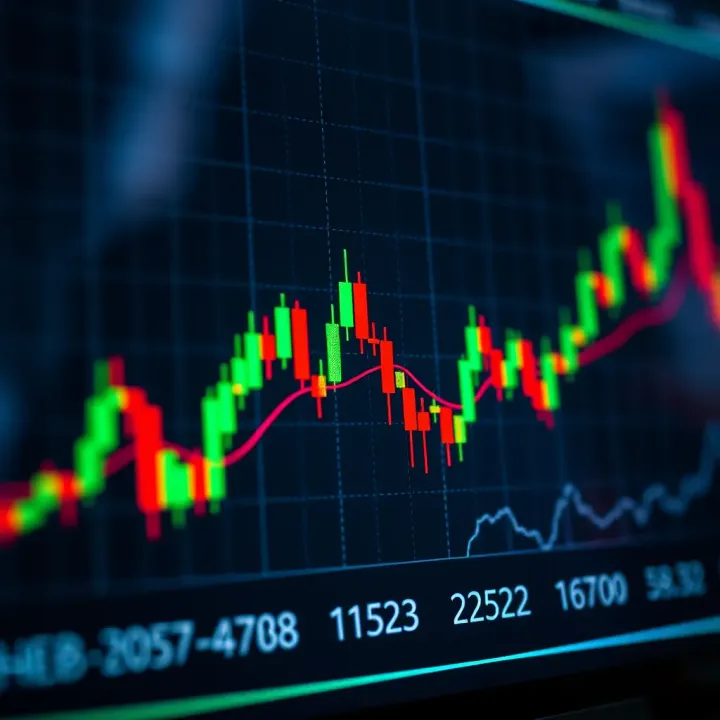
Keep in mind: cryptocurrency markets, including Solana, often swing more wildly than traditional assets. Staying informed means watching real-time data alongside expert analyses.
Network upgrades and partnerships: New features or partnerships with established companies can trigger positive price movements.
Market sentiment: Investor confidence, global crypto trends, and regulatory news in Kenya and beyond impact demand for SOL.
Competition: Other smart contract platforms like Binance Smart Chain or Cardano compete for users and developers.
Adoption rate: Growth in active wallets and transaction volume typically signals healthy ecosystem expansion.
Regulatory environment: The Kenyan government has shown interest in regulating digital currencies. Any new policies could affect liquidity.
Payment integrations: Platforms like Safaricom integrating Solana-based tokens or wallets can boost mass adoption.
Global market shifts: Solana’s price often correlates with Bitcoin and overall market movements.
Understanding Solana’s future price path calls for monitoring these factors closely while balancing optimism with caution. Practical Kenyan investors can use tools like local crypto exchanges and M-Pesa-enabled platforms to engage safely.
The next sections will unpack recent price trends, expert predictions, and risks in detail to help you make informed decisions about Solana trading or investing.
Getting a solid grasp of Solana and where it stands in the crypto market is key for anyone tracking its price or considering an investment. Understanding Solana’s technology, its unique features, and current market performance helps investors and analysts piece together how it might behave in the future. This insight isn’t just theoretical; it informs practical decisions such as when to buy, hold, or sell.
Solana is a blockchain platform designed to support decentralised applications and cryptocurrencies with a focus on speed and low transaction costs. Unlike older blockchains that struggle with slow transaction times, Solana handles thousands of transactions per second using a novel consensus mechanism called Proof of History (PoH). This method orders events cryptographically, allowing the network to process large volumes of data efficiently without sacrificing security.
The practical benefit of Solana’s technology lies in its ability to attract developers and users who need quick, affordable transaction processing. For instance, decentralised finance (DeFi) apps and NFT marketplaces prefer Solana over networks with high fees or delays, making it a competitive choice in the crowded crypto space.
Solana distinguishes itself by blending high throughput with low overhead. Its architecture supports over 65,000 transactions per second with transaction fees often as low as a fraction of a Kenyan shilling. Unlike Ethereum, which still battles congestion and rising gas fees, Solana offers a seamless user experience for financial services and gaming applications. This positions Solana as a practical alternative for both developers and investors seeking scalability without the usual cost barriers.
Recently, Solana’s price has shown notable fluctuations, reflecting broader crypto market trends and its own ecosystem developments. After reaching an all-time high in late 2021, the price experienced corrections but has remained more resilient than many altcoins. Such price behaviour signals continued interest from traders and investors, even amid challenging market conditions.
Market capitalisation is a key indicator of Solana’s size and influence. Currently, Solana ranks among the top cryptocurrencies, reflecting strong investment volumes and liquidity. Daily trading volumes on platforms like Binance and Luno indicate active participation, which often bodes well for short-term price stability and potential growth opportunities.
Comparing Solana with rivals like Ethereum and Binance Smart Chain (BSC) highlights its competitive strengths and challenges. Ethereum remains dominant due to its broader developer base and DeFi ecosystem, but its higher fees and slower speeds can drive users towards Solana. On the other hand, Binance Smart Chain offers similar speed but is more centralised, which might deter some users prioritising decentralisation. Solana balances these aspects, making it attractive for applications needing both speed and decentralisation.
Understanding Solana’s market position helps investors gauge how external factors—like Ethereum’s upgrades or Binance’s policies—might affect Solana’s future price movements.
By looking at these dimensions—technology, unique features, and market dynamics—you get a clearer picture of Solana’s potential and risks. This clarity is vital for making well-informed investment choices in the evolving crypto landscape.
Solana's price movements hinge on a blend of technical upgrades, ecosystem expansion, and wider cryptocurrency market trends. Understanding these elements is key for investors and traders seeking a clear picture of what influences Solana’s value. Each factor plays a distinct role, shaping not only demand but also investor confidence.
Solana’s claim to fame is its high throughput and low transaction fees. These features directly affect user experience and adoption. When the network handles thousands of transactions per second with fees as low as a fraction of a Kenyan shilling, it appeals to developers and users alike. For example, platforms hosting token swaps or NFT marketplaces prefer Solana for its cost-effectiveness compared to more congested networks like Ethereum.

Scalability also means Solana can accommodate new projects without slowing down, maintaining smooth operations even during peaks. If network congestion rises or fees spike, it can deter users, negatively affecting the token’s demand and price.
Solana continually works on protocol improvements intended to boost security, speed, and reliability. Upcoming updates like optimising consensus mechanisms or enhancing validator efficiency can reinforce trust in the network. When Solana’s development team announces scheduled upgrades, it often signals long-term commitment, which can positively affect price sentiment.
For instance, a past upgrade reducing validator costs helped attract more participants, spreading decentralisation and supporting network health. Timely upgrades also reduce risks of outages, which historically have dented Solana’s reputation and value.
The growth of decentralized finance (DeFi) applications on Solana is a key driver for its price. As more projects launch lending platforms, liquidity pools, and staking pools on Solana, user activity increases, pushing up demand for SOL tokens.
Take the example of platforms like Serum and Raydium, which have established vibrant communities and heavy trading volumes. These DeFi projects create real-world use cases, moving Solana beyond speculative trading and into everyday finance.
Strategic partnerships with established firms or integration with wallets, exchanges, and payment systems stimulate demand for Solana. When Solana partners with well-known players in or outside the crypto space, it often indicates confidence in the platform’s future.
For example, collaborations with major crypto exchanges like Binance improve accessibility, while partnerships with blockchain projects on interoperability enhance Solana’s ecosystem reach. Locally, easier on-ramps via Kenyan platforms also help broaden investor base.
Solana, like most altcoins, tends to follow the broader market sentiment led by Bitcoin and Ethereum. When Bitcoin rallies, risk appetite grows, often lifting Solana prices too. Conversely, sharp declines in Bitcoin or Ethereum can drag SOL down due to general market fear.
This correlation means investors must watch major cryptocurrency movements closely; a surge or slump in BTC or ETH is likely to ripple through Solana’s price.
Regulation impacts investor confidence and adoption speed. Global moves by regulators towards clearer crypto rules can either reassure or spook investors. For example, proposed bans or restrictions usually hit prices hard.
Within Kenya, while the government has been cautious on crypto, the Central Bank of Kenya (CBK) has issued warnings but stopped short of banning outright ownership. Updates from regulatory bodies on how crypto fits into the financial system will affect Kenyan investors’ willingness to take positions in Solana.
Successful investment strategies in Solana depend on staying informed about technical upgrades, ecosystem growth, and larger market and regulatory trends. These factors shape demand, liquidity, and ultimately price.
By keeping an eye on these drivers, traders and investors can better anticipate potential upswings or corrections in Solana’s value, tailoring their decisions accordingly.
Analysing expert predictions and price forecasts provides valuable insight for those keen to understand where Solana’s price might head next. For investors, traders, and finance professionals, these forecasts help shape expectations and guide decisions. While no prediction is foolproof, they do offer a snapshot of market sentiment and potential price triggers.
Experts usually set price targets for Solana over the next few months based on current market conditions, technical indicators, and upcoming developments. These targets can help traders pinpoint entry and exit moments in a fast-moving market. For instance, if Solana recently showed strong support around KSh 2,000, a short-term target might be around KSh 2,500 if market momentum builds.
However, short-term forecasts are sensitive to volatility. Uncertainties like sudden changes in Bitcoin’s price or a network delay on Solana can swing prices unexpectedly. Therefore, while these targets offer useful guidance, investors need to stay alert to market shifts and adjust their strategies accordingly.
Potential catalysts influencing short-term price action include technological upgrades that enhance transaction speeds or reduce fees—both of which Solana focuses on. On the other hand, regulatory announcements in key markets such as the US or Kenya may weigh on investor confidence. Unexpected technical glitches or network outages also pose challenges, potentially causing short-term dips.
Looking beyond the immediate horizon, long-term forecasts for Solana over one to five years tend to factor in broader adoption trends and ecosystem development. Some analysts foresee Solana becoming a key platform for decentralised finance (DeFi) and non-fungible tokens (NFTs), boosting its value sustainably.
In practical terms, this means if Solana continues to attract developers and expands partnerships, its price could appreciate steadily. Conversely, if competing platforms improve faster or if local regulations tighten, growth might slow. Speculative interest and market cycles also impact long-term outlooks.
Experts map out scenarios based on adoption rates and market phases. A fast adoption rate combined with bullish market cycles might see Solana reaching new highs above KSh 10,000 in a few years. Alternatively, slower adoption or regulatory clamps could keep prices stagnant or lower. Kenyan investors should watch Solana’s network usage growth and regulatory signals closely as these will be critical indicators for future value.
Understanding price predictions is about weighing probabilities, not certainties. It’s wise to combine expert views with one’s own research and risk appetite before making investment moves.
In summary, both short-term and long-term Solana price forecasts provide useful frameworks. Short-term outlooks focus on market catalysts and price targets to guide tactical trades, while long-term forecasts highlight fundamentals that affect sustained growth. Keeping tabs on these predictions alongside real-time market changes can empower better decisions in the dynamic crypto space.
Investing in Solana, like any other cryptocurrency, involves particular risks that every trader or investor should be aware of. These risks do not only affect potential returns but also influence how you manage your portfolio and the timing of your investments. Understanding these factors helps you prepare better and make informed decisions, especially in a sector as unpredictable as crypto.
Solana’s market price is known for sharp fluctuations, often driven by broader economic events, technological updates, or shifts in investor sentiment. For example, during the recent global crypto sell-off, Solana’s price dropped by over 50% within a few weeks. Such swings can lead to significant gains but just as quickly cause losses. This volatility means liquidity – how easily you can buy or sell Solana without affecting the price – can be inconsistent. In thinner trading volumes, especially on local exchanges in Kenya, it might be tough to convert your holdings to cash instantly, which can trap investors in unfavourable positions.
Practically, this means you should only invest what you can afford to lose and consider using limit orders to control buy or sell prices. Monitoring market depth on platforms like Binance or Luno, which support Solana trading, can also give you an idea of liquidity conditions before making a move.
Kenya’s stance on cryptocurrencies is cautious but evolving. Currently, the Central Bank of Kenya (CBK) has not banned crypto trading but does not regulate it directly either. This lack of clear rules means investors face uncertainty, especially around taxes and consumer protections. For instance, without specific guidelines, reporting profits from Solana trading on your annual tax returns may be ambiguous, potentially leading to future compliance risks. Moreover, local banks sometimes restrict transactions linked to crypto platforms, complicating deposits and withdrawals.
"Kenyan investors should stay updated on communication from CBK and the Capital Markets Authority (CMA) about any shifts in crypto regulation to avoid surprises."
On the global front, regulatory frameworks are tightening in key markets like the US and the EU. These regions are implementing stricter KYC (Know Your Customer) and anti-money laundering rules, which affect the availability and terms of global exchanges handling Solana. Large clampdowns on crypto activities can cause price drops or affect trading access worldwide, indirectly impacting Kenyan investors who rely on these platforms for liquidity and price discovery.
Kenyan investors should also watch developments from global bodies like FATF (Financial Action Task Force), as their guidelines often shape local policy changes. Fundamentally, keeping an eye on these trends helps you anticipate market shocks triggered by regulatory news and adjust your investment strategy accordingly.
For Kenyan investors interested in Solana (SOL), having practical guidance on buying, storing, and managing the asset is key to making informed decisions and protecting their investments. The crypto market is known for its volatility, and local factors like access to reliable exchanges and understanding regulatory requirements make tailored advice especially useful. This section focuses on how to buy and store Solana safely, plus strategies for managing risk and setting achievable goals.
When buying Solana, Kenyan investors can use popular international platforms such as Binance and Luno, which offer reliable access to SOL alongside other cryptocurrencies. These platforms support M-Pesa payments through various channels, making funding accounts easier without relying on bank transfers alone. Also, some local exchanges may list SOL, but investors should check their reputation and trading volumes before committing.
Once the purchase is complete, storing Solana securely becomes the priority. Most investors use digital wallets to keep their SOL tokens safe. Hardware wallets like Ledger Nano or Trezor offer the highest security since they keep private keys offline, away from potential hackers. For those starting out, software wallets such as Phantom or Trust Wallet offer convenience and user-friendly interfaces but require careful management of passwords and backup phrases.
Best practice for digital wallets includes regularly updating wallet software to patch any vulnerabilities and never sharing private keys or seed phrases with anyone. Storing backup phrases offline, perhaps in a safe or lockbox, prevents accidental loss of access. Avoid keeping large amounts of SOL on exchange wallets since they are more vulnerable to hacks.
Diversification is vital for Kenyan investors aiming to reduce risk when investing in Solana. Instead of putting all capital into SOL alone, spreading investments across different assets like Bitcoin, Ethereum, or even local equities can balance potential losses. This approach helps cushion portfolios against sudden price swings common in cryptocurrencies.
Setting realistic expectations is another important point. The crypto market can be unpredictable, making it unwise to expect overnight gains. Kenyan investors should define clear goals, such as holding Solana for medium or long-term growth, and decide on an investment amount they are comfortable risking without affecting daily life. Using stop-loss orders where possible can also limit downside losses.
Wise management and security measures not only protect your Solana investment but also help you stay focused and avoid emotional decisions in a fast-changing market.
With the right platforms, secure storage, and smart risk management, Kenyan investors can approach Solana with more confidence and readiness for its price ups and downs.
📊 Get a detailed WLD token price prediction with expert views, market trends, risks, and factors shaping WLD's future. Stay informed for smarter investment decisions.

📈 Explore Cardano price trends for 2024 and beyond. Dive into market shifts, tech updates, and expert insights shaping ADA's future in Kenya and worldwide.
📈 Discover Ethereum's price trend, expert views, and market signals shaping its future. Get informed insights for savvy investment decisions in Kenya.
Explore Binance Coin (BNB) price trends 📉, market factors, expert insights, and analysis to guide your investment choices in Kenya's crypto space. 📊
Based on 10 reviews