

Trading Online Forex: Guide for Kenyan Traders
📈 Learn how Kenyan traders can start online forex trading safely with tips on platforms, strategies, regulation, and M-Pesa payments. Trade smart, earn well!
Edited By
Amelia Scott
Getting started with online trading in Kenya can feel like stepping into a busy matatu stage during rush hour—overwhelming at first but manageable once you know the routes. Online trading means buying and selling financial assets like shares, forex, or commodities through the internet, usually on trading platforms or apps.
Understanding the local market is key. Kenya’s stock market, the Nairobi Securities Exchange (NSE), offers a range of companies, but many beginners also explore forex and cryptocurrency due to 24/7 access and smaller capital requirements. While NSE trading happens during set hours, forex markets never close, making flexibility important.

Choosing the right platform matters. Popular ones like Plus500, IQ Option, or local brokers with CMA (Capital Markets Authority) approval offer features such as easy M-Pesa integration for deposits and withdrawals. You want a platform that’s trustworthy, user-friendly, and responsive on mobile — given many Kenyans trade on phones.
For beginners, simple strategies work best. For example, starting with "buy and hold" on shares listed at NSE can be a practical way to gain experience without the stress of rapid trades. Alternatively, forex trading on major pairs like USD/KES requires careful study of charts and news. Managing risks is crucial: never trade with money you can’t afford to lose, and always set stop-loss orders to minimise losses.
Familiarise yourself with both local regulations and market quirks. Kenya’s financial scene is evolving, but small investors should be wary of scams promising quick riches.
Here’s a quick checklist for starters:
Set up a KRA PIN and register on iTax for tax compliance
Choose a CMA-regulated broker with good reviews
Use demo accounts to practise before investing real money
Follow Kenyan market news and NSE updates to make informed decisions
With steady learning and clear goals, online trading can move from guesswork to a disciplined, potentially profitable activity suited to Kenyan investors' realities and goals.
Knowing what online trading involves is key before you even think of placing your first trade. It helps you understand the tools and risks at play, so you don't blindly follow tips or fall into traps. For many Kenyan investors starting out, grasping these basics means gaining control over your investments and avoiding costly mistakes.
Online trading means buying and selling financial assets through the internet using specialised platforms. These markets operate almost round the clock, allowing you to trade from Nairobi, Mombasa, or Kisumu without visiting a physical stock exchange. For example, you can buy shares listed on the Nairobi Securities Exchange (NSE) or trade currencies on a forex platform, all via a laptop or smartphone.
At its core, online trading allows investors to buy or sell securities and assets through digital platforms provided by brokers or financial services. You pick the asset, choose how much to buy or sell, and place the order over the internet. The platform then matches your trade with a counterparty, often instantly.
Unlike traditional trading, which involved going through brokers by calling or visiting their offices, online trading gives you direct access to markets. This lowers costs and speeds up transactions. For example, if you spot that the price of shares in Safaricom is dropping, you can act quickly to buy shares before prices recover—or sell if you expect further decline.
Stocks represent ownership in companies listed on exchanges like the NSE or cross-listed abroad. Kenyan investors trade shares to benefit from price appreciation and dividends. For starters, investing in large, stable companies like KCB Group or Equity Bank provides steady growth and dividend income. Trading stocks online allows you to watch price changes in real time and respond faster than before.
The forex market is where you trade one currency against another, such as the Kenyan shilling (KES) versus the US dollar (USD). This market is highly liquid and operates 24 hours, which suits active traders who want to exploit currency fluctuations. For Kenyan traders, forex provides opportunities especially when global events affect currency values. For instance, a change in CBK’s policies or US interest rate decisions can make USD/KES move suddenly, offering chances to profit.
This market involves trading goods like gold, silver, oil, and agricultural products. Precious metals such as gold are popular among Kenyans as a hedge against inflation or forex volatility. Online trading platforms offer contracts that mirror commodity prices without physically owning the goods. For example, if you expect gold prices to rise due to uncertain economic conditions, you can buy gold contracts online and sell later for a profit.
Digital assets like Bitcoin and Ethereum have gained interest among Kenyan investors looking beyond traditional markets. Cryptocurrencies operate on decentralised networks and are highly volatile. Online trading platforms now allow buying and selling these coins quickly. This arena suits risk-tolerant traders who want to capitalise on sharp price swings but requires understanding risks related to regulation and security.
Before diving into any market, it’s wise to understand each asset's behaviour, market hours, and risk profile specific to Kenyan economic conditions and your financial goals.
Having a clear picture of these basics sets the stage for choosing the right platforms and strategies, letting you trade smarter, not harder.
Picking the right online trading platform can make a huge difference in your trading experience and success. The platform you choose acts as your gateway to the markets, so it must meet your needs in terms of usability, security, and the options it offers. Considering the variety of platforms out there, from local brokers to international ones, it’s essential to focus on features that suit your trading style, budget, and technical skills.
A clean and intuitive user interface helps you navigate the platform effortlessly, especially if you're new to online trading. A complicated platform can slow your reactions or cause mistakes during fast market movements. For example, platforms like Saxo Bank and IG offer well-structured dashboards that Kenyan traders find simple to use, even on smaller phone screens. Easy access to charts and trade execution buttons without too many clicks is essential.
Security is non-negotiable when handling money and personal data online. Ensure the platform is licensed by recognised bodies like the Capital Markets Authority (CMA) in Kenya or international regulators such as the Financial Conduct Authority (FCA). Licensed platforms implement strong encryption and protect against fraud. For instance, many reputable brokers use two-factor authentication (2FA) which requires a code from your phone each time you log in, adding an extra layer of safety.
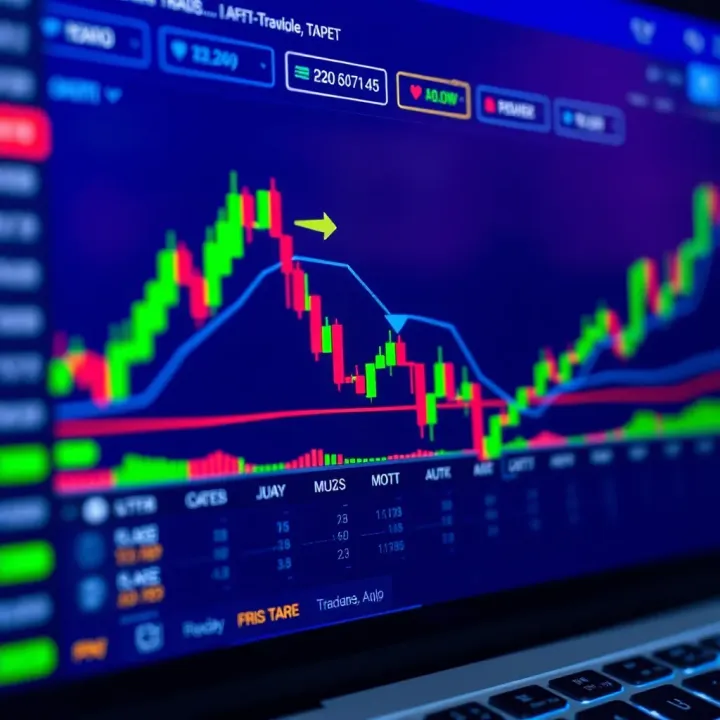
Good platforms come equipped with technical analysis tools, real-time market news, and educational materials to support your trading decisions. Tools like moving averages, RSI indicators, and economic calendars help you spot trends and plan trades better. For example, ThinkMarkets offers inbuilt charting tools and research that cater to beginner and mid-level traders, making it easier to learn while trading.
Convenience in funding your account and withdrawing profits matters a lot. Look for platforms that support popular Kenyan payment methods like M-Pesa, bank transfers, and card payments. This helps avoid delays and unnecessary fees. A platform that allows quick withdrawals without complex paperwork adds to a smooth experience. For example, brokers such as Olymp Trade Kenya offer M-Pesa integration which is a big plus for many local traders.
Kenyan brokers such as Apex Africa and Nairobi Securities Exchange (NSE) licensed entities now offer online trading platforms tailored for local investors. These platforms often provide access to local stocks and bonds alongside regional markets. Using a local broker can make regulatory protections more straightforward and customer service more accessible.
Several global platforms like IG Markets, Saxo Bank, and eToro accept Kenyan clients and provide access to a wide range of assets beyond the Kenyan market. They usually have better technology, a variety of tools, and wider educational resources. However, check that they accept Kenyan payment methods and comply with local rules. Choosing an international platform may offer more opportunities but requires careful selection to ensure trustworthiness and suitability.
Remember, the right platform aligns with your trading goals, offers strong security, and fits your lifestyle – whether you trade from a laptop or a smartphone on the go.
Opening an account and funding it properly are the first crucial steps in online trading. Without completing these basics, no matter how much you know about trading, you won’t be able to participate. This section guides you through what’s involved in getting your account ready, specifically for Kenyan investors, so you can avoid common pitfalls and start trading smoothly.
Starting with registration, you’ll need to provide some personal details, including your full name, email, phone number, and usually your national ID or passport number. Kenyan platforms or international brokers require identity verification to comply with Anti-Money Laundering (AML) laws and the Capital Markets Authority (CMA) regulations.
The verification process typically involves uploading documents such as your National ID, a recent utility bill or bank statement to confirm your physical address, and sometimes a selfie for biometric confirmation. This process might seem tedious, but it is necessary for security and legal reasons. Typically, the whole verification can take between 24 to 72 hours depending on the platform’s response time.
Failing to verify your account can lead to delayed withdrawals or suspension, so be sure to complete this step fully before you plan to trade.
In Kenya, M-Pesa remains the most popular and convenient way to fund your trading account. Many brokers and platforms have integrated M-Pesa into their payment systems, allowing direct deposits using your mobile money account. This makes the process fast and accessible, especially for traders without bank accounts. For example, if you use an international platform like IG or Plus500, you can deposit funds by paying directly from your M-Pesa account without visiting a bank or using a card.
Moreover, M-Pesa deposits often reflect instantly on your trading platform, letting you start trading immediately. The only thing to watch for are transaction fees charged by Safaricom, which tend to be minimal but add up if you deposit frequently.
If you prefer, bank transfers provide a secure deposit option, especially useful for large amounts. Major Kenyan banks like Equity Bank, KCB, and Co-operative Bank allow you to send funds directly to the broker’s escrow or operational account. Although bank transfers may take one to three business days to clear, they come with a low risk of fraud.
This method appeals more to investors with higher capital since banks often impose minimum transfer limits and fees. Also, ensure you provide clear references (such as your trading account number) when making payments to avoid delays.
Most international platforms accept payments via Visa or Mastercard issued by Kenyan banks. This option is handy for traders who want quick deposits without cashing out M-Pesa or using bank wires. For example, you can fund your account instantly using your Equity Bank debit card on platforms like AvaTrade.
However, one must watch out for possible foreign transaction fees levied by your bank and be cautious about card security. Always use platforms that employ encryption and secure protocols to protect your card details. These payments usually show up immediately in your trading account, making it excellent for traders who want fast access to funds.
Funding your trading account using these methods keeps the process streamlined and familiar to Kenyan users. Choose what fits you best, but always prioritise security and speed, especially in volatile markets where timing matters.
For someone new to online trading, having a clear strategy can make a big difference. Strategies help you organise your trades and reduce guesswork, which is especially important when markets move fast. Without a plan, it’s easy to get overwhelmed and make hasty decisions that can hurt your wallet. This section breaks down two foundational approaches—technical analysis and fundamental analysis—and covers how to time trades properly, including setting stop loss and take profit points to manage risk.
Technical analysis focuses on reading price charts and patterns to predict future movements. It uses tools like moving averages, candlesticks, and volume indicators to decide when to enter or exit trades. For example, if the price of Safaricom shares has formed a support level around KSh 25 and keeps bouncing back, a trader might decide it’s a good time to buy.
Fundamental analysis, on the other hand, looks at economic data, company performance, and market news to gauge an asset’s real value. Say Kenya’s Central Bank reduces interest rates; this might make borrowing cheaper and boost sectors like real estate, which traders can factor in before buying stocks in that sector. Combining both methods can give a more balanced view.
Setting stop losses and take profits helps you limit losses and lock in gains without having to watch the market every second. A stop loss is a predetermined price where your trade will automatically close to prevent further losses. For instance, if you buy stocks at KSh 100, setting a stop loss at KSh 95 means your position closes if the price falls that low, capping your loss.
Take profit works in the opposite way. If you aim to sell once your stock hits KSh 110, you set a take profit order so the system automatically closes your position and secures your profit at that level. These tools help maintain discipline and protect your capital from sudden market swings.
Trading on emotions like fear and greed often leads to poor decisions, such as holding losing stocks hoping they bounce back or selling too early in panic. One way to avoid this is by planning your trades in advance, including entry and exit points, and sticking to those rules even when market noise is loud.
Experienced traders often say: "trade the plan, not the emotions." That means trust your strategy instead of reacting to every market headline or sudden price movement. Over time, this approach helps build a consistent trading habit and prevents impulsive losses.
Staying patient and disciplined with trading strategies protects your investment and builds your confidence to trade smarter, not harder.
By understanding these basic strategies, Kenyan investors can make more informed decisions, better manage risk, and gradually grow their trading skills and portfolio.
Managing risks is essential for any trader, especially beginners navigating online markets in Kenya. Without sound risk control, it's easy to lose more than you planned, which can quickly derail your trading journey. Being cautious does not mean missing opportunities but rather protecting your capital to stay in the game longer.
Risk management is about controlling how much money you expose on each trade and making sure no single loss can wipe out your account. For example, if you start with KSh 50,000, you might decide to risk only 1% or KSh 500 on any one trade. This way, even a few bad trades won’t cause heavy damage. Setting stop-loss orders to automatically close positions when losses reach a set point helps enforce discipline. It also prevents emotional decision-making, which is a common cause of heavy losses among new traders.
Putting all your eggs in one basket often leads to disaster. Diversification means spreading your capital across different assets — such as stocks, forex pairs, and commodities. This reduces risk because when one market moves against you, others might be stable or profitable. Position sizing complements diversification by defining how large each trade should be. For instance, you could allocate KSh 10,000 to forex trades and KSh 5,000 to stocks. This tailored approach not only helps balance your risk but also adapts to how volatile different markets are.
Many beginners fall into traps like overtrading or chasing losses. For example, after a loss, an investor might impulsively enter several trades to recover quickly. This usually leads to more losses. Another pitfall is ignoring stop-losses and holding onto losing positions hoping they will bounce back; this typically worsens losses. Watch out for brokers promising guaranteed profits or asking for huge upfront deposits—these are often scams. Always confirm the broker’s licence with the Capital Markets Authority (CMA) to avoid falling victim.
Successful trading is less about making big wins every time and more about protecting your capital through smart risk management.
By focusing on managing risk with clear rules and avoiding emotional reactions, new Kenyan traders can improve their chances of steady growth and avoid common costly mistakes.
Regulation plays a key role in making sure online trading in Kenya stays fair and secure. Without proper oversight, investors risk falling prey to fraud or unethical practices that can wipe out their savings. Understanding how rules and safeguards work locally helps traders make safer choices and avoid scams that often lurk online. This knowledge is especially important for beginners who might easily be swayed by unrealistic promises of quick profits.
Kenya’s market environment requires investors to be vigilant about who they trade with and how transactions are conducted. Knowing the legal framework and regulatory bodies gives traders peace of mind and tools to hold brokers accountable if things go wrong.
The Capital Markets Authority (CMA) is the main government agency regulating Kenya's capital markets including online trading platforms. CMA’s mandate includes licensing brokers and ensuring they comply with rules that protect investors’ interests. For example, CMA requires brokers to keep client funds separate from their business accounts, which helps avoid misuse or embezzlement.
CMA also monitors trading activities to detect market manipulation and unfair practices. They provide guidelines that promote transparency and reliable information flow so traders can make informed decisions. If a broker is licensed by CMA, it generally means they have met minimum standards of professionalism, security, and legal compliance.
Having CMA oversight is beneficial because it helps maintain stability in the financial sector, giving Kenyan investors a safer environment to grow their money.
Online trading scams often promise huge returns with little or no risk. If a platform guarantees profits daily or pressures you to invest quickly, take caution. Many fraudulent operators use flashy advertising and fake testimonials to lure in traders. Unusual requests such as direct deposits to personal accounts instead of official company accounts are also warning signs.
Scammers may offer bonuses that sound too good to be true or ask for extra funds to unlock ‘special features’. These tactics aim to separate you from your money before you realise what’s going on. Always remember that legitimate trading involves risk, and no responsible broker will promise guaranteed profits.
Before depositing any money, verify the broker’s credentials through official channels. Check if they are registered with the Capital Markets Authority and have a valid licence. CMA regularly updates a public list of licensed brokers and authorised intermediaries.
You can also look for reviews from real users and ask for recommendations from trusted sources in the Kenyan trading community. Brokers with good reputations are more likely to provide reliable service and transparency in transactions.
Ensuring your broker is credible reduces the risk of falling victim to scams and increases the chances of smooth, legally compliant trading. Always prioritize safety over convenience to protect your investments.
Staying informed about regulation and knowing how to spot scams is your first defence against online trading risks in Kenya. Taking these steps helps you trade securely and focus on building your portfolio confidently.
📈 Learn how Kenyan traders can start online forex trading safely with tips on platforms, strategies, regulation, and M-Pesa payments. Trade smart, earn well!

Explore how TradingView and Binary.com empower Kenyan traders 🎯 with tools for smarter analysis, real-time charts📈, and smooth online trades via M-Pesa payments! 💹
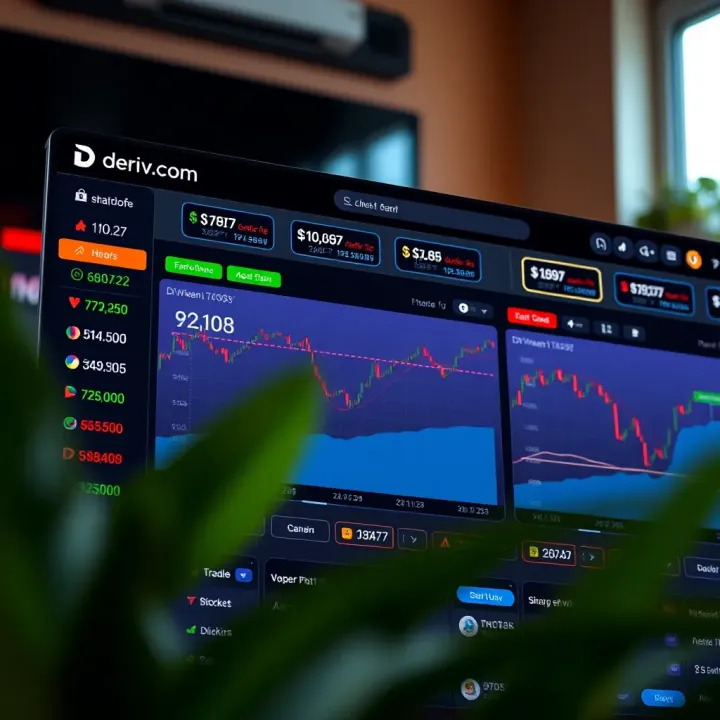
Start trading smart on Deriv.com in Kenya 🇰🇪. Learn how to register, fund with M-Pesa, trade forex, CFDs & crypto safely 🔒 while managing risks effectively 📊.

📊 Learn forex trading basics in Kenya, from understanding currency pairs to using platforms and managing risks. Get practical tips and avoid common mistakes. Start strong today!
Based on 7 reviews