

Trading Options: A Practical Guide for Kenyan Investors
📈 Learn how to trade options confidently in Kenya. This practical guide covers types, strategies, risks, and rewards with local market examples to boost your investment skills.
Edited By
Sophie Reynolds
The forex market, also called the foreign exchange market, is where currencies from different countries are bought and sold. It operates 24 hours a day, five days a week, making it the largest and most liquid financial market globally. For a Kenyan investor, understanding how this market works is key to making smart trading decisions that can boost wealth.
In forex trading, currencies are paired, such as USD/KES (US Dollar to Kenyan Shilling). Traders speculate whether one currency will strengthen or weaken against the other. For example, if you believe the US Dollar will rise against the Kenyan Shilling, you might buy USD/KES, hoping to sell it later at a higher rate.
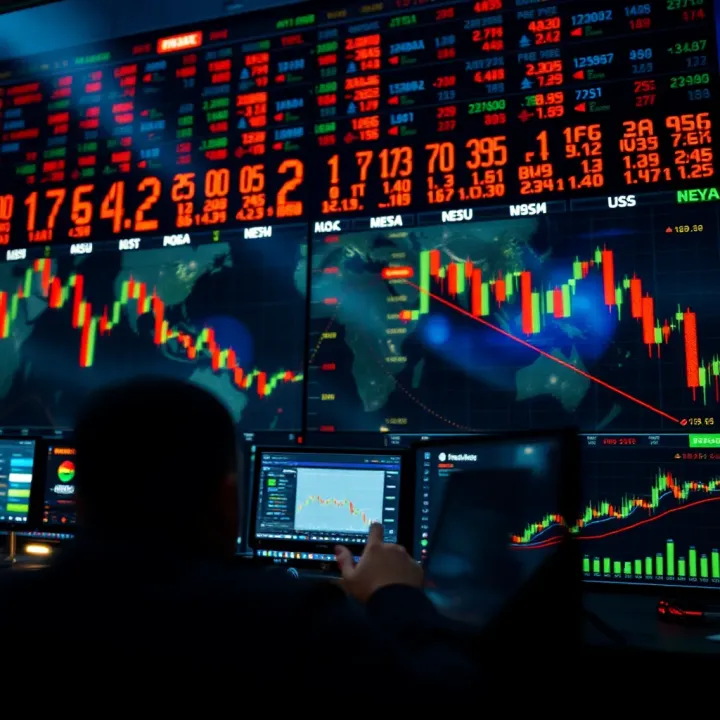
Forex trading is not gambling; it demands careful analysis, timing, and awareness of global events that affect currency value.
The market involves various participants, including:
Banks and financial institutions: They dominate trading volumes and provide liquidity.
Central banks: They intervene to stabilise or adjust their currencies.
Hedge funds and corporations: Companies use forex to manage international business risks.
Retail traders: Individuals accessing the market through brokers and platforms.
Kenyan traders typically engage in forex through online brokers offering platforms equipped with charts and analysis tools. Common approaches include:
Spot trading: Direct currency exchange at current rates.
Margin trading: Using borrowed funds to increase exposure, which can amplify profits and losses.
Automated trading: Using software or bots to execute trades based on preset strategies.
Understanding these methods helps manage risks effectively.
Forex involves several risks such as market volatility, leverage risks, and geopolitical events affecting currencies. Kenyan investors must consider regulatory factors. The Capital Markets Authority (CMA) regulates forex brokers to protect investors, so trading through licensed platforms is essential.
Technology also plays a role; mobile apps like MetaTrader or local broker apps enable easy trading and real-time monitoring even on the go.
Mastering forex starts with grasping these basics and continuously learning the market trends specific to your currency pairs and economic factors. This knowledge can help Kenyan investors navigate the forex market confidently and cautiously.
Understanding the basics of the forex (foreign exchange) market is vital for anyone keen on trading currencies, especially for Kenyan investors looking to tap into global financial flows. The forex market operates 24 hours a day, providing continuous opportunities for profit or loss. It's not just about swapping one currency for another; it’s about understanding how economic events, geopolitical tensions, and market sentiment shape currency values.
Starting with the fundamentals helps traders make informed decisions rather than gambling blindly. For instance, a Kenyan trader knowing how the US dollar (USD) affects local exports and imports can better predict currency movements involving the shilling (KES). This knowledge reduces reliance on speculation and increases chances of consistent returns.
Definition and scope of currency trading: At its core, the forex market is where currencies are bought and sold against one another. This market is massive—trillions of dollars change hands daily, making it the largest financial market globally. For Kenyans, forex trading means participating in a global exchange arena where the value of the Kenyan shilling fluctuates against currencies like the US dollar, euro, or Japanese yen.
This trading is more than just a barter of notes; it reflects the health of economies, interest rates, trade balances, and political stability. For example, when Kenya experiences a good tea export season, the shilling might strengthen against other currencies due to increased foreign exchange inflows.
How the forex market operates globally: Unlike stock markets that have fixed locations and operating hours, the forex market is entirely over-the-counter (OTC) and runs non-stop from Monday morning in Wellington, New Zealand, through to Friday evening in New York, USA. This round-the-clock operation occurs as financial centres open and close worldwide.
Thanks to advances in technology, Kenyan investors can access forex trading platforms from the comfort of their homes or on their mobiles, connecting seamlessly to these global markets. This accessibility allows traders to respond quickly to events anywhere—from a change in US Federal Reserve interest rates to political shifts in Europe—impacting currency values instantly.
Popular pairs traded including USD, EUR, JPY: In forex, currencies are traded in pairs. The most liquid and popular pairs involve the US dollar—like USD/EUR (US dollar versus euro), USD/JPY (US dollar versus Japanese yen), and GBP/USD (British pound versus US dollar). These pairs attract the most attention because their economies are significant players in global trade and finance.
For Kenyan traders, USD-based pairs are often more relevant. Many imports, exports, and loans are denominated in US dollars, so movements in these pairs affect prices and profitability directly. For instance, if the shilling weakens against the US dollar, imported goods and loan repayments become more expensive.
Impact of currency strength on trade: When a currency strengthens, it buys more foreign currency, making imports cheaper but exports less competitive. Conversely, a weaker currency may boost exports by making local goods cheaper for foreign buyers but make imports more costly.
Consider the Kenyan exporter shipping cut flowers abroad. If the euro strengthens against the shilling, the exporter earns more shillings per euro received, improving profits. On the other hand, if the shilling strengthens, the exporter earns less local currency, which can squeeze margins.
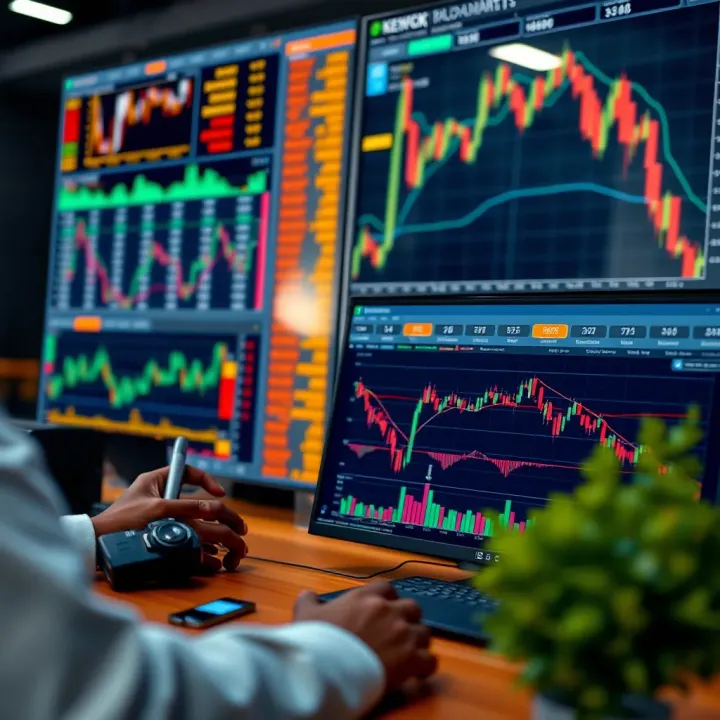
Understanding currency strength and major pairs helps traders and businesses manage exchange risks and spot better trading opportunities. This is especially critical in Kenya, where forex fluctuations can impact everything from fuel prices to school fees.
By grasping these basics, Kenyan investors are better prepared to navigate the forex world confidently and make choices that suit their financial goals and risk appetite.
Understanding how forex trading works is vital for any investor seeking to navigate the currency market effectively. Forex trading is not just about buying and selling currencies; it involves different markets and tools that can suit various investment objectives and risk tolerances. Grasping the mechanics of spot trading and derivatives, as well as the concepts of leverage and margin, helps Kenyan investors make informed decisions and manage their exposure wisely.
The spot market is the simplest form of forex trading where currencies are bought and sold for immediate settlement, usually within two business days. For example, a Kenyan trader purchasing US dollars with Kenyan shillings on the spot market expects the transaction to settle quickly at the current exchange rate. This market is highly liquid and reflects real-time price changes driven by supply and demand.
Spot trading suits investors who prefer straightforward exchanges without dealing with contracts that extend into the future. It’s particularly useful for businesses needing to convert currencies promptly for imports or exports, or individuals remitting money abroad using M-Pesa or bank services. Spot markets provide transparency, with prices updated continuously during trading hours.
Beyond the spot market, forex trading also involves derivatives like forwards, futures, and options. These contracts allow traders to buy or sell currencies at a predetermined price on a future date. Forwards are often customised agreements between two parties, common in corporate hedging. For instance, a Kenyan exporter anticipating payment in euros months later might lock in a forward contract to protect against exchange rate swings.
Futures are standardised contracts traded on exchanges, offering more liquidity and less counterparty risk compared to forwards. Options give the holder the right, but not the obligation, to trade at a set price before expiry, useful for managing risk while retaining flexibility. These derivatives enable sophisticated risk management but require deeper market understanding, making them more suitable for seasoned traders and institutions.
Leverage lets traders control a large currency position with a relatively small amount of capital. For example, with 1:100 leverage, putting down KSh 10,000 might allow you to trade KSh 1,000,000 worth of currency. This magnifies potential profits, which attracts many Kenyan investors eager to grow their portfolios faster than standard forex trading.
However, leverage works both ways; it increases exposure to market fluctuations. While it can boost returns on winning trades, it can also cause rapid losses if the market moves unfavourably. Understanding your leverage ratio and managing your trades accordingly is crucial to avoid wiping out your investment quickly.
Margin is the amount of money a trader must deposit to open and maintain a leveraged position. While margin allows access to larger trades with less upfront capital, it also means that small market moves can lead to significant gains or losses. For example, a Kenyan retail trader using high margin can face a margin call if the market moves against them, requiring additional funds to keep the position open.
The benefit of margin trading is the ability to diversify and increase trade sizes beyond what is possible with cash alone. Nonetheless, Kenyan traders must exercise caution by using stop-loss orders and reasonable leverage levels to protect their capital. Proper risk management and understanding how margin works are essential to sustain long-term trading success.
Leverage and derivatives tools can enhance your forex trading potential but require good knowledge and discipline to avoid costly mistakes.
By recognising how these trading mechanisms operate, Kenyan investors can better align their strategies with their goals and risk appetite, increasing their chances of success in the forex market.
In forex trading, understanding who drives the market helps investors make better decisions. The market's liquidity and price movements depend heavily on a few key players: banks, financial institutions, brokers, and retail traders. Their roles differ but collectively shape the daily trading environment.
Major banks dominate the forex market by providing liquidity and setting prices. These financial giants trade currencies in huge volumes, often millions or billions of dollars daily. For instance, banks like Standard Chartered, Barclays, or Citi Bank operate large forex desks, influencing exchange rates through their buying and selling activity. Their trades help maintain market liquidity, making it easier for smaller players to buy or sell currencies without causing big price shifts.
In Kenya, brokers act as a bridge between retail traders and the larger forex market. Licensed brokers provide access to global currency markets via online platforms. For example, brokers like EGM Securities or HotForex Kenya offer Kenyan investors the ability to trade forex with relatively small capital through margin accounts. Brokers carry the responsibility of offering fair spreads, executing trades promptly, and maintaining transparent pricing. Choosing a broker regulated by the Capital Markets Authority (CMA) ensures protection against fraud and unethical practices. Without brokers, individual Kenyans would find it very difficult to enter the forex market directly.
The rise of online trading platforms has brought retail traders to the forefront. Individuals from Nairobi, Mombasa, and beyond can now trade forex from their phones or laptops. Retail traders use platforms like MetaTrader 4 or MetaTrader 5, which provide real-time charts, analysis tools, and market news. This has levelled the playing field to some degree, enabling people to participate alongside professional traders.
Technology has also made forex trading more accessible despite challenges like internet connectivity. Mobile data networks in Kenya have improved, and affordable smartphones allow many to dip into forex trading with ease. Tools such as mobile apps integrate payment options like M-Pesa for easy fund deposits and withdrawals. However, traders must still be cautious to use reliable platforms and maintain sound strategies.
Banks and brokers form the backbone of forex liquidity and accessibility, while retail traders bring fresh interest and diversity to the market, especially in Kenya's growing digital economy.
Together, these players create a dynamic forex ecosystem where volume, technology, and regulation intersect. For Kenyan investors, understanding their roles can provide an edge in navigating forex trading wisely.
Trading in the forex market carries inherent risks that every Kenyan investor must understand before committing funds. Unlike more familiar equity markets, forex can change direction quickly, influenced by various unpredictable factors. Knowing these risks helps you develop strategies to protect your money and make better trading decisions.
Global economic factors affecting currency prices play a big role in forex movements. For example, interest rate changes by the U.S. Federal Reserve or the European Central Bank can shift currency values almost instantly. When rates rise in one country, investors might move money there seeking better returns, boosting that currency’s demand. Kenyan traders need to track these changes, especially since currencies like the USD and EUR have major influence on the CHF/USD or GBP/USD pairs.
Commodity prices also shape currencies, particularly for Kenya's trading partners. For instance, a sudden drop in oil prices can weaken oil-exporting countries' currencies, creating ripple effects elsewhere. This interconnectedness means a change anywhere can stir volatility everywhere – so being alert helps you anticipate when to enter or exit trades.
Political events and their impact on forex cannot be overstated. Elections, policy shifts, or geopolitical tensions cause sudden uncertainty, pushing traders to react swiftly. Take Kenya's own general elections: prices often fluctuate in the weeks before and after, reflecting both caution and speculation. Similarly, international incidents such as Brexit negotiations or trade disputes between the U.S. and China have repeatedly caused sharp swings across currency pairs.
Understanding how and why political events move markets is vital. You might see currency tumbling after announcement of an unexpected government reshuffle or major economic policy change. This means being well-informed about political calendars and having contingency plans is essential to avoid losses.
One trap many new forex traders fall into is overleveraging and insufficient research. Leverage means borrowing funds to increase your trading position, but it can backfire quickly. For instance, using leverage of 100:1 means a KSh 1,000 deposit controls KSh 100,000 in currency. While this might seem like quick profit potential, even small price drops wipe out your deposit.
Moreover, some traders jump into the market without fully understanding the currencies or global events affecting rates—this is insufficient research. Blind reliance on tips or quick trends has resulted in losses for many. Diligence helps you spot genuine opportunities and avoid come-and-go hype.
Ignoring risk management strategies becomes costly over time. Risk management means setting limits on how much capital you expose per trade or using stop-loss orders that automatically close losing positions. Without these safeguards, emotions like fear and greed lead to poor decisions, chasing losses or risking too much on one trade.
Successful Kenyan traders often stress the importance of discipline — trading plans should include clear risk controls and stick to them, no matter what. By respecting these principles, you protect your capital from sudden shocks and build trading resilience.
Remember: Forex trading success is not about chasing huge wins but about steady, cautious growth. Managing your risks is as important as choosing the right trades.
By recognising these risks and common pitfalls, Kenyan investors can approach forex trading more safely and confidently, improving their chances of long-term profit.
Navigating the forex market effectively requires more than just understanding currency pairs. Kenyan traders face unique challenges, including local regulations, tech infrastructure, and market access. This section focuses on practical tips tailored for Kenyan investors, helping to avoid common pitfalls and maximise opportunities.
Kenyan forex traders should prioritise brokers regulated by recognised bodies like the Capital Markets Authority (CMA). The CMA ensures brokers comply with legal standards, promoting transparency and protecting investors from fraudulent schemes. Besides CMA, some brokers may also hold licences from international authorities such as the Financial Conduct Authority (FCA) or the Cyprus Securities and Exchange Commission (CySEC), adding layers of trust.
Verifying broker credentials helps you avoid scams and ensures your funds are safer. Check if the broker is registered with the CMA or listed on its official site. Confirm their licence validity and look for reviews or feedback from fellow traders. A trustworthy broker will provide clear terms, execute trades promptly, and have robust customer service. For example, some Kenyan traders favour brokers like HotForex and XM for their compliance and responsive support.
Popular platforms like MetaTrader 4 (MT4) and MetaTrader 5 (MT5) dominate Kenyan forex trading. These apps support chart analysis, automated trading, and custom indicators, making them ideal for both beginners and experienced traders. Mobile apps ensure you can trade from Nairobi or even remote areas without missing market moves.
However, stable internet access is essential. Kenya’s expanding mobile network coverage and fibre optic infrastructure mean many traders can connect reliably via Safaricom or Airtel. Still, power outages or spotty connections may disrupt trades. Some Kenyans use M-Pesa to fund accounts easily, but patience is needed when infrastructure hiccups occur. Traders should test their setups during off-market hours to ensure smooth operation.
Setting clear, achievable goals is vital. Rather than expecting quick riches, decide how much capital you can risk and set daily or weekly loss limits. For instance, limiting losses to 2% of your account per trade helps preserve your funds. This kind of discipline lessens emotional decisions and keeps you focused.
Forex markets shift quickly, so continuous learning is a must. Kenyan traders benefit from following developments in global economics and taking online courses from platforms like Coursera or Udemy. Joining local trading communities or forums also helps exchange knowledge and adapt strategies. Mistakes are part of the process, but staying updated ensures you bounce back quicker and smarter.
Trading forex in Kenya demands more than luck — it calls for careful planning, trustworthy partners, and reliable technology. By setting clear limits and choosing regulated brokers, you protect your investments and stand a better chance of steady growth.
📈 Learn how to trade options confidently in Kenya. This practical guide covers types, strategies, risks, and rewards with local market examples to boost your investment skills.
📈 Learn how to use trading signals effectively in Kenya's markets. Get tips on tools, platforms, and spotting reliable signals to boost your trading success.
📈 Explore how Kenyan investors can choose the best trading platforms, understand security, regulations, and link them with M-Pesa for smooth local and global trades.
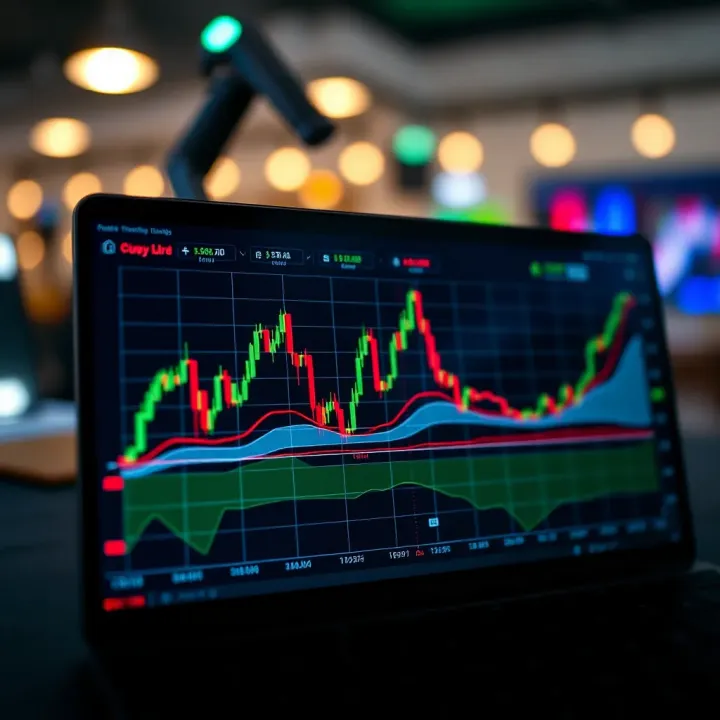
📈 Discover copy trading essentials for Kenyan investors—how it works, top platforms, benefits, risks, and smart tips to trade like the pros.
Based on 14 reviews