

Copy Trading Explained for Kenyan Investors
📈 Discover copy trading essentials for Kenyan investors—how it works, top platforms, benefits, risks, and smart tips to trade like the pros.
Edited By
Oliver Hayes
Trading signals are alerts or indications that help investors make decisions about buying or selling assets in financial markets. In Kenya, where the trading scene is becoming increasingly active, understanding these signals is key to improving your investment outcomes.
These signals typically come from technical analysis, fundamental analysis, or a combination of both. They show trends, price changes, or other market factors that suggest whether it's a good time to enter or exit a trade. For instance, a signal might indicate that Safaricom shares are likely to rise based on recent price movements or news.

Most traders in Kenya rely on popular platforms such as MetaTrader, Investing.com, or local brokerages that provide live trading signals. These platforms use algorithms or experts’ insights to generate signals. However, it's important to know that not all signals carry the same weight—some are more reliable than others.
Reliable trading signals often come from platforms with transparent performance records and use a blend of technical indicators like Moving Averages, Relative Strength Index (RSI), and Volume Analysis.
Understanding how these signals work can help you avoid common pitfalls like reacting too quickly to false alarms or relying solely on automated alerts without doing your own research.
Here are practical points to help you recognise useful trading signals in Kenyan markets:
Look for consistency: Good signals tend to repeat similar patterns across multiple indicators.
Check the source: Trust signals from established platforms or licensed brokers.
Consider market context: Kenya’s economic events, such as CBK interest rate decisions or company earnings reports, affect signal reliability.
By grasping what trading signals represent and how to evaluate them, Kenyan investors can make more informed choices and reduce risks. This foundation sets the stage for deeper exploration into different types of signals, available tools, and practical tips to boost your trading success locally.
Trading signals are alerts or indications suggesting the right time to buy or sell an asset. For Kenyan investors, understanding these signals can be a practical way to make timely decisions without having to monitor the markets constantly. They point to potential opportunities based on technical patterns, price movements, or fundamental events.
For example, if a trader spots a signal that an NSE-listed stock is about to rise, acting on it could mean catching a profitable price move before many others do. That said, not every signal guarantees success. It’s important to interpret them carefully within Kenya’s market context.
Trading signals are essentially prompts generated either by software or experienced traders that advise when to enter or exit a trade. They are based on analysing market data, such as price trends or news events. For instance, if a moving average crossover occurs, this might signal an upcoming price increase.
These signals help investors avoid guesswork and reduce emotional trading, which is common in volatile markets like forex or equities in Kenya. They simplify decision-making by offering clear trading cues.
Signals highlight price levels or market conditions that suggest a higher chance of profit. A practical example is when a currency pair like USD/KES shows oversold conditions on the Relative Strength Index (RSI). This may be an opportunity to buy before the price reverses.
By signalling moments of likely market movement, investors can act swiftly to maximize gains or limit losses. The key is recognising that signals identify probabilities, not certainties.
Manual signals rely on traders' experience and analysis, often combining chart patterns and market news. For instance, a seasoned Kenyan equity analyst might signal a good buy after studying quarterly results and local economic trends.
Automated signals, on the other hand, come from algorithms scanning vast data points in real-time. Apps like MetaTrader or local brokerage platforms may offer these alerts. They can react faster but sometimes lack the nuance a human perspective provides.
Technical analysis focuses on price charts and indicators like moving averages or volume to generate signals. This approach suits markets with good historical data, such as NSE stocks.
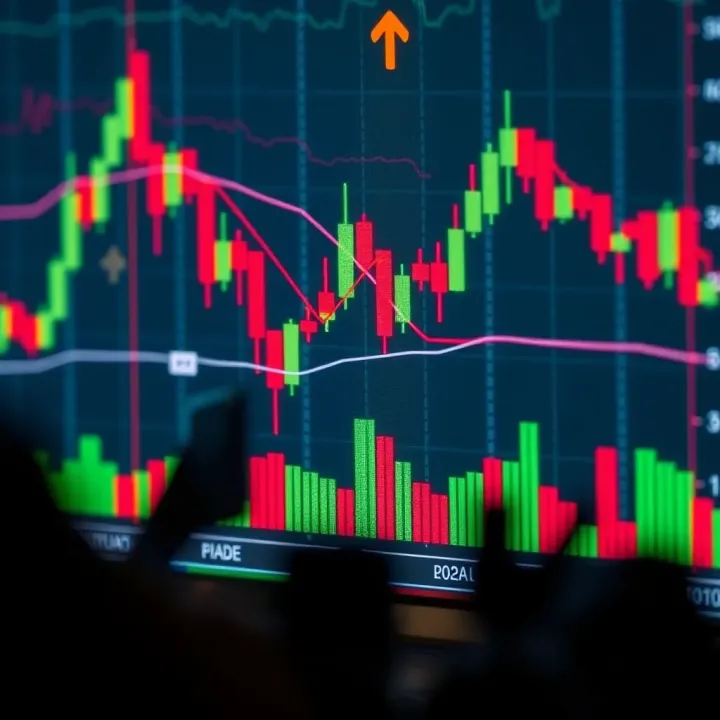
Fundamental analysis looks at economic indicators, company earnings, and interest rate decisions to signal when the market might move. For example, a Central Bank of Kenya announcement on the base rate can trigger signals to buy or sell Kenyan shilling pairs.
Both methods complement each other, giving traders a rounded view when making decisions.
Remember, trading signals are tools to guide your strategy, not guarantees. Always combine them with your own research and risk management.
Manual signals come with experienced insights but can be slower.
Automated signals react instantly but may miss contextual subtleties.
Use a blend of technical and fundamental signals to balance timing and market understanding.
Trading signals come in various forms, but they generally split into two broad categories: technical and fundamental signals. Understanding these types helps traders know when to enter or exit trades based on different market factors. Kenyan traders can combine them to improve decision-making, whether trading equities listed on the Nairobi Securities Exchange (NSE) or forex through local brokers.
Moving averages and crossovers are among the most widely used technical indicators. A moving average smoothens price data over a set period, such as 20 or 50 days, giving a clearer picture of the trend by filtering out short-term fluctuations. When a short-term average crosses above a long-term average (a "golden cross"), it often signals a buying opportunity. Conversely, a downward crossover ("death cross") may indicate a sell signal. For instance, a trader watching Safaricom Ltd shares might use a 50-day and 200-day moving average crossover to spot when the stock could be gaining momentum.
The relative strength index (RSI) measures the speed and change of price movements on a scale from 0 to 100. Typically, an RSI above 70 suggests a security is overbought and may experience a price drop soon, while an RSI below 30 implies oversold conditions and potential for a price rise. Kenyan investors can use RSI on NSE stocks like Equity Bank Ltd to assess if the stock's recent rally is due for a pullback, helping avoid buying at a peak.
Support and resistance levels mark price points where assets tend to stop falling or rising. Support is a price level where buying interest is strong enough to prevent the price from dropping further, while resistance is where selling pressure stops a price increase. These levels are practical for setting entry and exit points. For example, if a trader notes that KCB Group's shares struggle to rise above KSh 40 (resistance), they might wait for a clear breakout before buying or sell if the price fails to break this level.
Economic reports and news impact play a big role in shaping market sentiment. Key data such as GDP growth, inflation rates, and unemployment figures from the Kenya National Bureau of Statistics can trigger sharp movements in stocks and forex. For example, a better-than-expected GDP figure might boost investor confidence, lifting NSE shares, while rising inflation could raise concerns about interest rate hikes.
Corporate earnings announcements give insights into a company’s profitability and future prospects. Investors closely watch quarterly and annual reports from firms like Safaricom or Bamburi Cement. Strong earnings generally lead to positive price movements, whereas missed targets can push prices down. Kenyan traders often react swiftly to these updates, adjusting positions accordingly.
Interest rates and central bank policies are fundamental drivers of market direction. The Central Bank of Kenya (CBK) influences liquidity and borrowing costs through its base rate decisions. When CBK lowers rates, it often encourages borrowing and spending, which can boost stock prices. Conversely, rate hikes intend to curb inflation but may slow economic growth, causing the markets to retreat. Understanding these policies helps traders anticipate broad market trends.
Combining technical and fundamental signals creates a fuller picture for Kenyan investors, guiding more informed trades in both local and global markets.
Trading signals serve as valuable guides for Kenyan investors to spot opportunities in the fast-moving markets. Knowing where and how to access reliable signals can mean the difference between timely profit and missed chances. In Kenya, the intersection of growing digital access and mobile money has made it easier for traders to receive and act on signals efficiently.
Brokerage platforms in Kenya increasingly offer trading signals integrated within their services. For example, brokers like NCBA Securities and Olympia Capital provide clients with periodic updates and alerts based on technical and fundamental analysis specific to the Nairobi Securities Exchange (NSE). These signals highlight potential buy or sell points using tools such as moving averages or recent corporate announcements. A trader using their online platform can receive notifications via email or directly on the broker’s dashboard, allowing for quick decision-making.
Mobile apps and social trading platforms have become a popular route especially for younger or part-time traders. Apps like Chaka and Sokowatch provide easy access to signals and social trading features where users can copy trades of more experienced investors. In addition, international platforms like eToro allow Kenyan traders to connect with a global trading community. Such platforms foster real-time sharing of ideas and signals, making market entry more approachable.
The role of mobile money, particularly M-Pesa, combined with widespread mobile internet has been a real boost for trading in Kenya. Instant transfers enable prompt execution of trades following a signal without delays related to traditional bank payments. Traders in Nairobi and beyond can fund their brokerage accounts or withdraw profits on the go. This integration is crucial given the volatility of markets where timing can significantly impact returns.
Interpreting signals within the local market context is essential. Kenyan markets sometimes behave differently from global counterparts due to factors like political events, seasonal agriculture cycles, or currency fluctuations. For instance, a signal triggered by a technical indicator may require validation against upcoming government budget announcements or KRA tax policy changes. Considering these local factors helps avoid false alarms.
It’s wise to combine signals with your own research rather than relying blindly. Even if a mobile app highlights a bullish trend in a stock like Safaricom, verifying the company’s latest earnings report or news updates can reinforce confidence. This layered approach enhances your chances of success and builds your trading skills.
Risk management remains key when following any trading signal. Kenyan traders should set clear stop-loss orders to limit potential losses if the market moves against a signal. Diversifying trades and not placing all investment on one signal also protects against sudden market swings. Remember, signals guide rather than guarantee outcomes, so keeping a cautious mindset helps preserve capital.
Reliable trading signals are tools, not crystal balls. The smart trader uses them wisely, factoring in local knowledge, personal research, and clear risk limits to make the best decisions possible.
For any trader in Kenya, evaluating the reliability of trading signals is not just about winning a trade, but protecting capital and sharpening one’s trading edge. Misleading signals can easily wipe out gains or even the trading account if trust is placed blindly. Careful assessment helps sift useful advice from noise, especially given the many sources that claim to offer the perfect signal. This section shows how to identify risks and verify signals effectively.
Many fake or substandard signal providers exploit inexperienced traders by promising high returns with little evidence. These scams often include inflated past performance claims or use vague language to attract clients. For example, a service might guarantee a "100% success rate" without any verifiable track record. In Kenya, where mobile money and digital payments are common, some fraudsters push subscriptions or one-time fees through M-Pesa, then vanish without delivering real signals. This leaves traders frustrated and often out of substantial amounts of money.
Automated signals generated by software or algorithms can be helpful but also risky if used without understanding their limits. Market conditions shift quickly; a robot that worked during stable market trends may fail when volatility surges, like during unexpected political events or central bank announcements in Kenya. Relying on automated signals exclusively can stop traders from learning market dynamics and adapting strategies. For instance, an automated system may issue buy signals in a sudden market downturn, causing heavy losses if the trader follows without question.
Backtesting involves running a trading signal or system against historical market data to see how it would have performed. For Kenyan investors, this helps confirm whether a signal method has proven results across different market cycles. Using credible platforms that provide such historical data—like NSE records—can identify if signals are consistent or just lucky guesses. A solid track record over months or years suggests more reliability than fresh or unverifiable claims.
The trading community in Kenya and beyond often shares experiences with signal providers on forums, WhatsApp groups, or social media. Hearing from actual users gives insight into how dependable a signal service is in practice. If many traders report that signals led to predictable profits or that support was helpful, the service is likelier to be reliable. Conversely, recurrent complaints about poor accuracy or delayed signals serve as warning signs.
A reputable signal provider usually maintains transparency in methodology and performance. Kenyan traders should look for providers who openly explain how their signals are generated and are willing to provide sample reports or free trials. Established firms with a history on major platforms or brokerage partners tend to be more trustworthy than unknown entities. Also, beware providers who pressure traders into quick decisions or recurring payments without clear benefits.
Always remember, no signal is foolproof. Evaluating trustworthiness and testing performance before investing real cash guards you against costly mistakes and builds stronger trading skills.
By following these checks, Kenyan investors can confidently use trading signals to support better-informed and safer trading decisions.
Improving your trading strategy using signals is essential if you want to turn market insights into consistent profits. Trading signals can act as a roadmap, but how you fit them into a well-thought-out plan determines your success. For Kenyan investors, this means not just blindly following signals but blending them with your knowledge of the local market, personal risk tolerance, and trading goals.
Setting clear entry and exit points is fundamental for controlling risk and locking in gains. Before committing to a trade, decide at what price you will enter and where you plan to exit, whether to take profits or cut losses. For example, if you spot a buy signal from a moving average crossover on Safaricom shares, you should also set stop-loss orders just below a critical support level. This pre-determination stops emotional decisions during sudden market swings, especially in Kenya’s often volatile equities market.
Combining multiple signals for confirmation helps improve reliability. Relying on a single indicator can lead to false alarms. Instead, you might wait for a momentum indicator like the Relative Strength Index (RSI) to confirm an upward crossover or bullish candlestick pattern on the NSE before buying. This layered approach weeds out noise and enhances the chance that a signal reflects a genuine opportunity, reducing chasing losses or premature exits.
Keeping up-to-date with market changes is a must. Markets evolve with new policies, economic data, or unexpected events like election results or CBK interest rate decisions. Kenyan investors should regularly follow local financial news, NSE market trends, and global economic shifts impacting East Africa. This awareness helps in interpreting signals correctly rather than following blind alerts that don’t consider changing local conditions.
Adjusting strategies based on signal effectiveness involves tracking how well your chosen signals have performed over weeks or months. If a particular technical indicator consistently leads to losses in volatile markets, it may need tweaking or replacement. For instance, during rainy seasons, agricultural stocks may behave differently, requiring you to adjust signal thresholds or incorporate fundamental data like weather reports. Always review your trading outcomes and stay flexible instead of sticking rigidly to outdated strategies.
Remember, integrating and adapting trading signals into your practice prevents costly mistakes. It’s about mixing signal data with practical experience and context—this approach fits well with the uncertainties Kenyan traders often face.
Improving your strategy by embedding signals thoughtfully ensures you remain in control, not an accidental passenger in market fluctuations. This practical method helps foster smarter, more confident trading decisions rooted in both data and local realities.
📈 Discover copy trading essentials for Kenyan investors—how it works, top platforms, benefits, risks, and smart tips to trade like the pros.
🤖 Discover how AI trading bots operate in Kenya's financial markets, their benefits, risks, and tips to help investors make smarter decisions.

Explore bot trading in Kenya 🤖 – learn how automated systems work, their benefits, risks, and tips to boost your trading success 📈💡
📊 Explore binary trading basics, strategies, risks, regulations, and top platforms in Kenya. Get practical tips to invest wisely and avoid common pitfalls.
Based on 9 reviews