

GBPJPY Forecast: Key Trends for Kenyan Traders
📊 Discover key trends shaping GBPJPY with insight on economic data, Bank of England and BOJ policies, geopolitical impacts, and technical cues for smarter Forex trading in Kenya.
Edited By
James Archer
The EUR/USD currency pair remains one of the most traded pairs globally, reflecting the economic relationship between the Eurozone and the United States. For traders in Kenya and beyond, understanding today's forecast means keeping an eye on a mix of technical signals and fundamental developments that influence this exchange rate.
Key drivers for the EUR/USD today include recent US Federal Reserve announcements, Eurozone inflation reports, and political events in both regions. For example, if the Federal Reserve signals a pause in interest rate hikes, the US dollar might weaken, pushing EUR/USD higher. Conversely, stronger-than-expected Eurozone GDP growth could boost the euro's appeal.
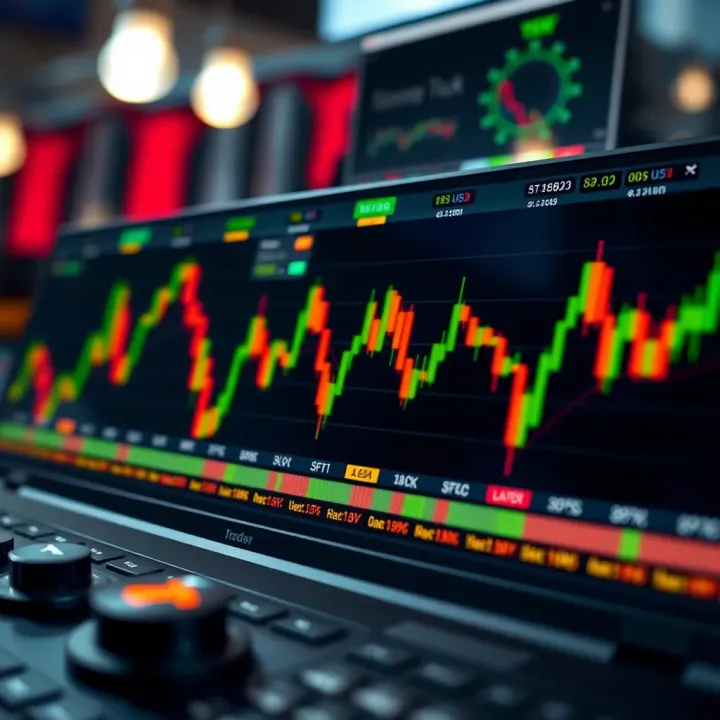
Technical analysis shows a range-bound movement with support near 1.0800 and resistance around 1.0950. Traders should watch these levels closely; a breakout could indicate a new trend forming. The Relative Strength Index (RSI) suggests the pair is neither overbought nor oversold, hinting at possible sideways movement.
Successful trading depends not only on spotting price patterns but also considering news events that can trigger sudden volatility. Staying updated with economic calendars helps anticipate such moves.
Set clear entry and exit points based on support and resistance to manage risk.
Use stop-loss orders to protect your capital from sudden market swings.
Monitor correlated markets like commodities and US Treasury yields, which affect the dollar’s strength.
Take advantage of M-Pesa and local banking platforms to fund your forex accounts conveniently and securely.
With the global economic environment remaining somewhat uncertain, traders must keep a balanced view. Today’s EUR/USD forecast supports cautious trading, focusing on risk management and timely reactions to economic data. This approach suits the demanding pace of forex markets and aligns with the realities faced by Kenyan forex enthusiasts and professionals alike.
Understanding what drives the EUR/USD exchange rate is essential for traders aiming to navigate the forex market confidently. Various economic indicators and geopolitical events shape the currency pair’s movement daily. By focusing on these factors, traders can better anticipate price shifts and strategise accordingly.
The European Central Bank (ECB) plays a major role in affecting the euro’s value. Decisions on interest rates, quantitative easing, or changes in monetary policy directly influence investor sentiment. For instance, a recent ECB rate hike typically strengthens the euro, as higher rates attract capital inflows for better returns. Traders watching for ECB press conferences or policy statements gain early insight into the euro’s possible direction.
On the other side, the US Federal Reserve (Fed) sets policies that impact the US dollar. Moves like adjusting the federal funds rate or changes to asset purchases can cause quick swings in USD value. For example, stronger-than-expected US employment data often support a stronger dollar by increasing expectations of tighter Fed policies. Kenyan traders closely monitor releases such as the non-farm payroll report or Fed minutes since these can spur volatility in EUR/USD.
Inflation figures, employment statistics, and GDP growth numbers are key fundamentals shaping the pair’s trend. High inflation in the eurozone or the US may lead central banks to tighten policies, affecting currency strength. A slowing GDP growth rate in Europe, combined with robust US data, usually hints at dollar appreciation against the euro. For example, if Eurozone inflation drops below expectations while US inflation remains steady, it could weigh down the EUR/USD pair.

Trade relations between the US and European Union influence currency demand due to effects on cross-border investments and commerce. Escalating tariffs or disputes can lower market confidence, causing safe-haven flows into the dollar. A fresh round of US tariffs on EU goods, for instance, might lead to a dip in the euro’s value as trade uncertainties mount. Kenya traders should watch news on US-EU trade talks as these have direct effects on the EUR/USD rate.
Wider political risks, including elections, sanctions, or conflicts, impact investor appetite for risk. Times of uncertainty often boost demand for the dollar as a safe asset, pressuring the euro. For example, the unfolding political tensions in Eastern Europe or Brexit implications tend to create volatility in the EUR/USD forex market. Understanding these dynamics helps traders adjust positions to protect capital.
Finally, broad market sentiment and risk appetite steer currency movements. When investors feel confident about global growth, they tend to seek higher-yield assets, sometimes weakening the dollar. Conversely, during periods of risk aversion—say, during a sharp stock market sell-off—money flows into the dollar, boosting its value. Kenyan traders operating in a market dominated by volatility should monitor global equity indices and commodities for clues on risk sentiment influencing EUR/USD.
Keeping an eye on economic releases, policy decisions, and global political developments allows traders to respond quickly to EUR/USD movements, gaining an edge in the fast-changing forex market.
Technical analysis is essential for traders to understand the EUR/USD pair's likely movements throughout the trading day. Rather than relying solely on economic news or sentiment, this approach looks at historical price data, chart patterns, and key indicators to gauge where the market might head next. It gives a practical edge, especially in a fast-paced market where decisions must be made quickly and with clear signals.
Recent price action and significant chart points provide a snapshot of where buyers and sellers have previously stepped in. For example, if EUR/USD has repeatedly bounced back after hitting 1.0900, that price acts as a support level. Knowing this helps traders place their buy orders near support or sell orders near resistance, avoiding unnecessary risk. Today, traders will focus on how price recently behaved around the 1.1000 psychological level and the 200-day moving average, which often serves as a natural boundary.
Potential breakout or reversal zones indicate where the market could change direction or intensify its movement. If the EUR/USD pair breaks above resistance at 1.1050, it might signal a new buying spree with momentum behind it. On the flip side, if it fails to hold support at 1.0900, it may reverse sharply, pushing the pair lower. Traders watch these levels carefully to set entry points or tighten stops. Breakouts often come with higher volume, making volume analysis crucial alongside price action.
Moving averages and trend lines simplify price trends by smoothing out fluctuations. The widely used 50-day and 200-day moving averages help identify whether the market is generally bullish or bearish. For instance, if the 50-day crosses above the 200-day (a golden cross), it often signals a longer-term upward trend. Trend lines drawn on charts show where price repeatedly finds support or resistance, shaping the directional bias for traders.
Relative Strength Index (RSI) and momentum provide insight into whether EUR/USD is overbought or oversold. An RSI above 70 suggests the pair might be stretched on the upside and due for a correction, while below 30 indicates overselling and possible rebound. Traders use RSI to avoid jumping into trades at extreme points, reducing the risk of riding a sudden reversal.
Volume and volatility analysis sheds light on market participation and price movement strength. Higher volume during an up-move confirms buying interest, strengthening bullish cases. Meanwhile, spikes in volatility suggest larger price swings, requiring careful risk management. For example, a sudden increase in volatility during US economic data releases might prompt traders to widen stops or reduce position sizes to accommodate the rapid moves.
Monitoring these technical factors provides traders with practical signals that complement fundamental analysis, helping them decide not just where the EUR/USD might go but also how to manage trades effectively in today’s market conditions.
Kenya's local market happenings can have a surprising influence on the EUR/USD exchange rate, especially for traders operating within the region. While EUR/USD primarily depends on economic actions from Europe and the United States, Kenyan economic data and capital movements also play roles that can tip the balance in short-term forex shifts. Understanding these local nuances helps Kenyan traders anticipate market moves and adapt strategies accordingly.
Kenya’s balance of payments and import-export data provide key clues about the demand for foreign currencies, including euros and US dollars. When Kenya faces a wider trade deficit — meaning imports surpass exports — there tends to be increased demand for foreign currencies to pay for goods, which can put pressure on the shilling against these currencies. For instance, if Kenya significantly ups its imports from the Eurozone or US, it could indirectly signal a weaker shilling, influencing EUR/USD traders to expect some volatility.
Furthermore, timely balance of payments figures indicate capital inflows and outflows. Large capital inflows, such as increased foreign investment or higher remittances, typically strengthen the shilling, potentially reducing the need for Kenyan investors to seek euros or dollars abroad. Traders keeping an eye on these figures can better predict shifts in currency flows impacting EUR/USD.
Kenya’s foreign exchange reserves act as a buffer against currency shocks and signal economic stability. When reserves dip sharply, it can worry investors and prompt speculation about the shilling’s future, which influences trading activity on EUR/USD through increased demand for hard currencies like the US dollar and euro.
Capital flows, both inward and outward, also shape currency trading dynamics. For example, if Kenyan firms or government entities borrow heavily in US dollars, this can increase demand for the greenback in the forex market. Conversely, foreign direct investment (FDI) inflows can boost confidence and affect short-term trading behaviour in the EUR/USD pair. Traders who monitor CBK (Central Bank of Kenya) reports on reserves and capital movements can time their positions more effectively.
Payment methods and fund transfers matter a lot in practical trading. M-Pesa remains the most popular mobile money platform in Kenya, and many local forex brokers allow deposits and withdrawals using M-Pesa to ease fund movements. This direct access speeds up trade execution and fund management, especially for individual traders outside Nairobi. However, delays or limits on daily transactions may affect liquidity and trading size, so traders must account for these when planning entries and exits.
On the broker side, regulatory requirements are critical. Kenyan traders should choose brokers licensed by the Capital Markets Authority (CMA) to avoid fraud and ensure compliance with tax laws and reporting standards such as those enforced through the Kenya Revenue Authority (KRA). Brokers approved locally often integrate with domestic payment systems like M-Pesa, making fund transfers smoother and safer. Transparent fee structures, customer support in Swahili or English, and local office presence are additional factors that benefit Kenyan traders.
Understanding these local market dynamics—economic data, capital flows, payment options, and regulatory frameworks—provides Kenyan traders with a more rounded picture of factors influencing EUR/USD. This knowledge aids in shaping better trading decisions adjusted to both global trends and homegrown realities.
This section ties together the key points from earlier analyses to offer a snapshot of what traders can expect from the EUR/USD pair today. It acts as a quick guide, helping you make sense of technical signals, economic data, and market sentiment to shape effective trading decisions. Practical recommendations focus on managing risks while identifying potential windows for profit based on current conditions.
Short-term directional bias hinges on prevailing market momentum and recent price patterns. For instance, if the EUR/USD pair has been consolidating just above the 1.0850 level with signs of bullish momentum on the 1-hour chart, traders might lean towards expecting an upward move in the next few hours. This bias helps set the tone for whether to watch for buying opportunities or prepare for potential dips.
Potential volatility triggers include scheduled economic releases such as US non-farm payrolls or European inflation data. These reports can sharply move prices, especially when results differ from forecasts. Traders need to keep an eye on such events as unexpected outcomes can lead to sudden swings. For example, a surprise hike in US inflation could strengthen the dollar and push EUR/USD down quickly.
Entry and exit points depend heavily on technical levels identified earlier. Suppose the pair tests a key support at 1.0820 and shows bullish reversal signs like a hammer candlestick, it can be a good entry level with a clearly defined stop loss below the support. Conversely, exit points might be set where previous resistance has held, such as near 1.0900, locking in gains before possible pullbacks.
Stop-loss and take-profit tips are vital for protecting capital and capturing profits in volatile markets. A well-placed stop loss might be a few pips below a recent swing low to avoid premature exits while keeping risks limited. Take-profit targets should balance realistic price moves—such as recent highs or Fibonacci retracement levels—rather than aiming for unrealistic gains. This discipline prevents overtrading or giving back profits.
Managing exposure in volatile markets is about controlling position size and diversifying where possible. In times of sharp news releases or geopolitical uncertainties, reducing the number of open trades limits potential losses. Also, using smaller lots or trading only during less volatile hours can help manage stress. Many Kenyan traders, especially those working with local brokers and M-Pesa transactions, find this approach helps avoid unexpected margin calls and keeps their funds safer.
Staying disciplined and adapting to unfolding market events can make the difference between a successful trade and a costly mistake, especially in a dynamic pair like EUR/USD. Make sure you understand the risks, set clear rules, and don’t let emotions drive your decisions.
This summary provides Kenyan traders and professionals a practical framework to navigate today’s EUR/USD market with confidence and clear rules for risk awareness.
📊 Discover key trends shaping GBPJPY with insight on economic data, Bank of England and BOJ policies, geopolitical impacts, and technical cues for smarter Forex trading in Kenya.
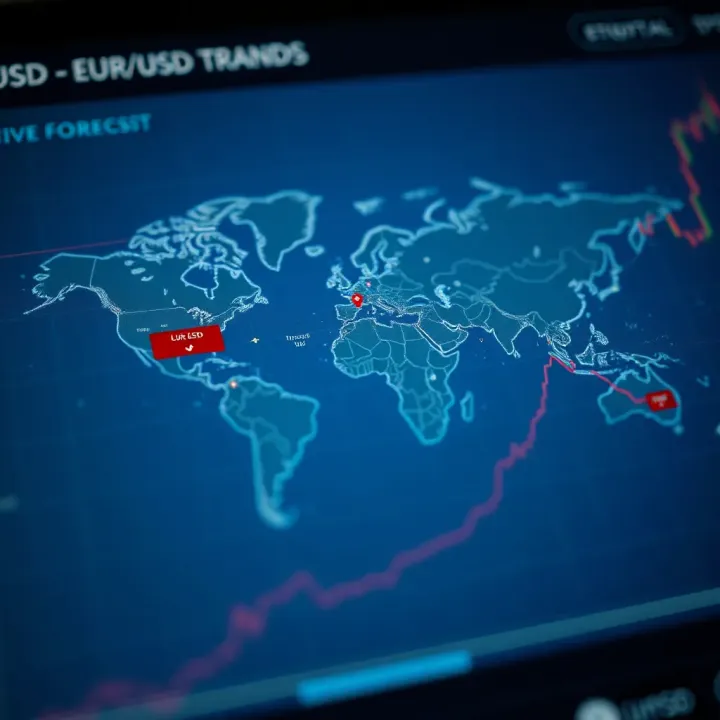
📊 Track EUR/USD trends with insights on ECB & Fed policies, geopolitics, and market sentiment for Kenyan investors and businesses doing cross-border deals. 🌍💼

📈 Today’s XAU/USD forecast digs into gold price moves, reviewing market trends, economic cues, and global events shaping demand. Perfect insight for Kenyan investors.
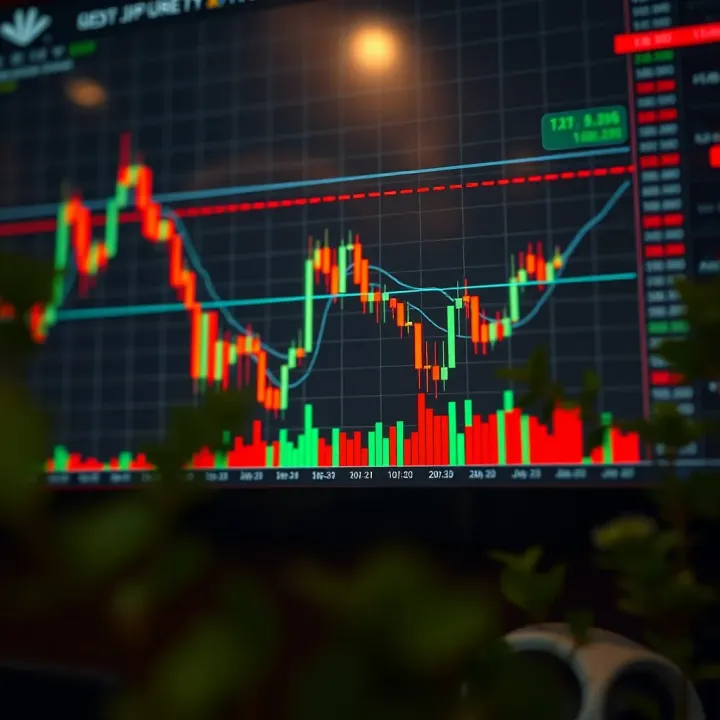
📈 Get the latest USDJPY forecast for today with insights on economic data, geopolitical events & technical trends shaping the currency for Kenyan traders. 🌍
Based on 12 reviews