

Bitcoin Price USD: Trends and Factors Explained
📈 Explore Bitcoin price in USD with trends, key factors, and insights. Learn risks and get practical tips to navigate Bitcoin’s market movements and futures.
Edited By
Oliver Hayes
Gold remains a key asset for traders and investors, especially in uncertain economic times. Today, the focus is on the XAU/USD pair, which tracks the price of one troy ounce of gold in US dollars. This pair often reacts quickly to global economic developments, making it a must-watch for anyone involved in commodities trading or portfolio management.
Currently, gold prices are influenced by several factors including US dollar strength, inflation rates, and geopolitical tensions around the world. For example, when the US dollar weakens, gold usually gains appeal because it becomes cheaper for holders of other currencies, including the Kenyan shilling. Conversely, a stronger dollar tends to weigh down gold's price.

Economic indicators like US inflation data, interest rate decisions from the Federal Reserve, and employment figures often drive short-term gold price fluctuations. Kenyan investors watching the XAU/USD should pay close attention to the outcomes of these releases, as they can trigger rapid market moves.
Technical analysis also provides insight into today’s forecast. Levels of support and resistance around psychological price points—such as $1,900 or $2,000 per ounce—often determine whether gold breaks higher or faces pullbacks. Traders frequently use moving averages and the Relative Strength Index (RSI) to time entries and exits based on current momentum.
Volatility tends to pick up around key global events, so keeping an eye on headlines is just as critical as reading charts and data.
US Dollar Movement: A weaker US dollar usually lifts gold prices globally.
Inflation Expectations: High inflation boosts gold's appeal as a hedge.
Federal Reserve Policy: Rate hikes can push gold down due to higher yields on fixed-income assets.
Geopolitical Risks: Conflicts, trade tensions, or sanctions often drive safe-haven buying.
Understanding these drivers helps Kenyan traders and investors make informed decisions. For instance, during past periods of elevated inflation, many here have turned to gold as a store of value, either through physical bars and coins or via exchange-traded funds (ETFs) listed on regional exchanges.
In summary, today’s XAU/USD forecast depends largely on evolving economic data and global news flow. Watching key price levels combined with fundamental insights will enable you to anticipate likely gold price moves effectively.
Understanding the current market overview for XAU/USD is vital for anyone tracking or trading gold against the US dollar. This overview offers a snapshot of recent price actions, key support and resistance levels, and overall market sentiment that shape trading decisions. Being aware of these factors helps traders and investors position themselves wisely, especially when markets show swings that can impact returns.
Gold price fluctuations in the past week give a clear indication of the momentum gold has maintained. Over the last few days, gold prices have shown modest gains, bouncing from lows around $1,980 to peak near $2,020 per ounce. This movement reflects increased demand amid uncertainty in global markets, particularly influenced by mixed US economic data and geopolitical tensions in Eastern Europe.
Daily trading range for XAU/USD highlights the typical volatility to expect within a single trading day. For example, in recent sessions, the daily range hovered between $15 and $20. Traders use these ranges to plan entry and exit points, assessing whether the current volatility suits their risk tolerance. If the range widens unexpectedly, it can signal heightened market activity or upcoming news that might push prices either way.
Market sentiment and investor positioning provide insight into whether traders are bullish or bearish on gold. Currently, sentiment leans towards cautious optimism. Data from futures markets show increased long positions, signalling that more investors expect gold to rise. Yet, some short-term profit-taking keeps volatility alive. Knowing this helps traders understand if the trend is likely to continue or face resistance.
Identifying major price floors is crucial. These support levels act as safety nets where buying interest tends to increase, preventing prices from falling further. For instance, the $1,985 mark has repeatedly supported gold in recent weeks, making it a key floor for price bounces. Recognising this floor assists traders to set stop-loss orders just below it to limit losses if prices slip.
Resistance points likely to affect price serve as barriers preventing gold from moving higher temporarily. The $2,020 level is currently a significant resistance point. If this is broken decisively, it may open room for gains towards $2,050. However, failure to break such resistance often leads to pullbacks, which savvy traders exploit for short-term profits.
Role of these levels in short-term trading cannot be overstated. Support and resistance guide decision-making on when to enter or exit trades. For day-traders or those with positions lasting a few days, these zones help define risk parameters and potential reward. Quick reactions around these points often determine profitability in volatile markets.
Knowing recent price movements alongside support and resistance levels equips traders with the practical tools to respond swiftly to market changes in XAU/USD today.
With this understanding, you can better navigate gold’s price swings, setting strategies that reflect current market realities rather than guesswork.
Economic factors shape gold prices daily, particularly for XAU/USD traders. Understanding these helps you gauge where prices might head and decide your positions wisely. Today, the focus is on US economic indicators, monetary policies, and global events that influence gold demand and valuations.
Recent US inflation and employment figures have a direct say in gold prices. When inflation rises, gold usually gains appeal as a hedge. For instance, if the US inflation rate comes in higher than expected, investors tend to turn to gold, pushing prices up. Likewise, strong employment data can strengthen the US dollar, often weighing down gold prices since gold is priced in dollars.
Federal Reserve monetary policy and gold also affect XAU/USD. When the Fed signals interest rate hikes, gold tends to retreat because higher rates increase the opportunity cost of holding non-yielding assets like gold. On the other hand, dovish stances from the Fed—such as holding rates steady or cutting them—can boost gold demand. For Kenyan investors, pay close attention to Fed announcements; they’re pivotal moments that can trigger sudden gold price shifts.
US dollar strength and its effect on XAU/USD go hand in hand. As the dollar strengthens against other currencies, gold usually becomes costlier for buyers using other money, reducing demand and pushing prices down. Conversely, a weaker dollar tends to lift gold prices. Traders tracking XAU/USD should monitor dollar indices daily, as dollar moves often set the tone for gold’s momentum.
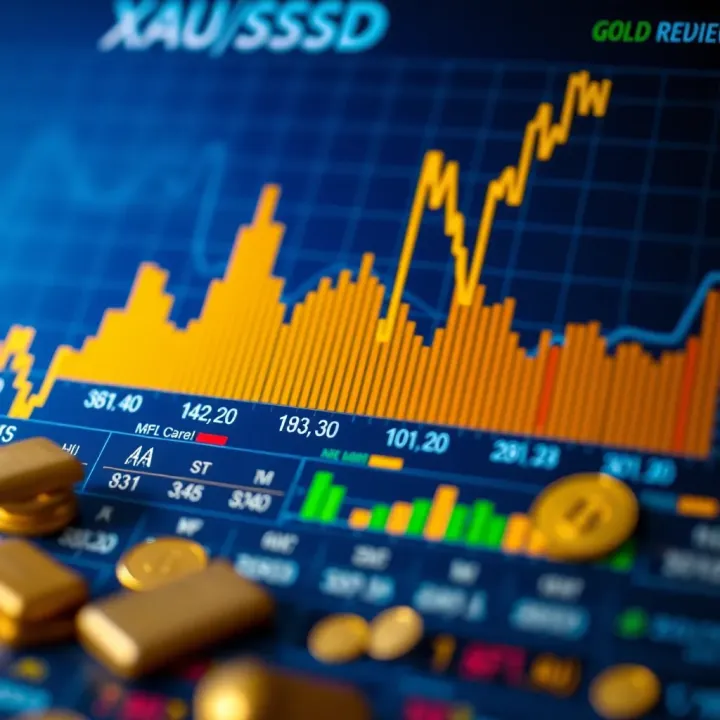
Influence of conflict and uncertainty on gold demand cannot be overstated. When geopolitical tensions flare—be it conflicts in major regions or diplomatic strains—gold’s safe-haven status shines. For example, during the recent escalation in Eastern Europe, gold prices gained as investors sought refuge amid uncertainty. For traders, spotting rising tensions can be an early signal to increase exposure to gold.
Trade dynamics and their impact on currency pairs also affect gold. Trade disputes or tariffs can weaken a country’s currency, making gold more attractive as a store of value. For example, prolonged US-China trade tensions have at times weakened the dollar and sparked rallies in gold prices. Currency pairs linked to commodities, including XAU/USD, respond swiftly to such changes, impacting short-term trading opportunities.
Safe-haven appeal during market volatility drives many investors towards gold. During stock market swings or unexpected economic shocks, gold often performs well, offering portfolio protection. Kenyan investors especially watching NSE equities can consider gold as a balancing asset during volatile spells. Monitoring volatility indexes alongside gold helps time trades better and manage risk more effectively.
Knowing how economic data, monetary policy, and global tensions influence gold prices sets you up for smarter trading choices. Stay alert to these factors to spot price shifts early and optimise your XAU/USD positions.
Technical analysis plays a key role in forecasting XAU/USD prices today by helping traders and investors make informed decisions based on price patterns and market behaviour. Rather than relying solely on fundamental data, technical analysis offers concrete tools to spot trends, momentum, and potential reversals quickly—crucial in fast-moving markets like gold. This section breaks down essential methods such as moving averages, trend lines, and key indicators that shape price direction.
Moving averages smooth out price fluctuations to reveal underlying trends. Short-term averages—like the 10-day or 20-day—react faster to recent price changes, useful for spotting quick shifts in momentum. On the other hand, long-term averages such as the 50-day or 200-day help identify broader trends and key support or resistance zones. For example, when the 20-day moving average crosses above the 50-day, it may signal a bullish shift confirming upward momentum for gold prices.
Monitoring how moving averages interact helps traders recognise when momentum is gaining or fading. If short-term averages start diverging significantly from longer ones, it often means a strong trend is building. Conversely, converging averages might signal consolidation or a weakening trend. In today’s gold market, spotting these changes early can help avoid entering at the wrong time or missing out on a profitable move.
Drawing trend lines along recent highs or lows offers a visual guide on price direction and potential turning points. Trend lines act as support in an uptrend where prices tend to bounce, and as resistance in a downtrend. A break below an established trend line could hint at a reversal or deeper correction. For instance, if XAU/USD falls below a rising trend line that’s supported it for weeks, traders might shift to selling positions or tighten risk controls.
RSI measures the speed and change of price movements to indicate whether gold is overbought or oversold. An RSI above 70 suggests prices might be stretched and due for a pullback, while readings below 30 suggest potential undervaluation and a possible bounce. For example, if today's RSI climbs to 75 following a strong rally, some traders may cautiously prepare for a short-term correction.
The Moving Average Convergence Divergence (MACD) indicator identifies shifts in trend strength and direction by comparing two moving averages. A bullish signal occurs when the MACD line crosses above the signal line, signalling rising momentum. Conversely, a bearish crossover may warn of weakening momentum. In the context of gold, a MACD crossover aligning with price breaking a resistance level could confirm a robust upward push.
Volume underpins the reliability of price moves. Rising prices on increasing volume show strong market interest and tend to confirm trends. If gold prices rise but volume falls, the move might lack conviction and risk reversal. Kenyan traders watching volume alongside price action can better assess the sustainability of rallies or declines, especially during times of global economic uncertainty.
By combining these technical tools, traders and investors gain a clearer picture of gold’s market dynamics today, enabling more precise and confident decision-making.
Practical advice is essential for traders and investors dealing with XAU/USD, especially given gold's reputation for being both a safe haven and a volatile commodity. This section focuses on actionable strategies to manage risks, identify trading opportunities, and make informed decisions based on market forecasts. Whether you're a short-term trader or a long-term investor, understanding these elements can protect your capital and improve your chances of gains.
Setting stop-loss and take-profit levels helps contain losses and secure profits, essential in gold trading where prices can swing quickly. For example, if gold is trading at KSh7,500 per gram and you enter a buy position, setting a stop-loss at KSh7,450 will limit potential loss if the market dips. Conversely, a take-profit at KSh7,600 locks in gains if the price rises. These levels should reflect current volatility, not just arbitrary numbers.
Position sizing strategies prevent a single trade from wiping out your account. For instance, with KS00,000 capital, risking 2% (KS,000) per trade is safer than risking 10%. This approach ensures you can stay in the game through rough patches. Position sizes must consider stop-loss distance; if your stop-loss is wide due to market noise, reduce position size accordingly.
Considering market liquidity is vital, especially during off-hours or times of economic uncertainty when gold markets may thin out. Low liquidity can cause slippage—orders executed at worse prices than expected. For Nairobi investors relying on international brokerages, trading during major London or New York sessions, when liquidity peaks, reduces these risks.
Identifying short-term trading opportunities relies on technical cues and economic releases. Say the RSI is undervalued below 30 on an intraday chart while support holds around KSh7,480; this could signal a buying chance. Traders should watch for confirmation from volume spikes or MACD crossovers before entering.
Longer-term investment considerations focus on gold’s role as an inflation hedge and portfolio diversifier. Investors planning to hold gold over months or years might ignore daily volatility and focus on broader trends like central bank policies or global tensions. For example, with rising inflation concerns in Kenya and globally, overweighting gold could protect purchasing power.
Effect of news releases on trade timing cannot be overstated. Statements from the US Federal Reserve or unexpected geopolitical events often cause sharp gold price changes. Kenyan investors should track economic calendars closely, avoiding new positions minutes before major announcements to reduce whipsaw risk, then re-evaluate after the market digests news.
In gold trading, combining smart risk management with awareness of market timing is how you avoid being caught on the wrong side when price swings come fast and strong.
This advice aims to equip traders and investors with practical tools to navigate XAU/USD markets confidently today and beyond.
Global events play a significant role in shaping gold prices, often triggering swift moves in the XAU/USD pair. Understanding these influences helps traders anticipate market behaviour and adjust strategies accordingly. Since gold is seen as a safe-haven asset, any major geopolitical or economic occurrence can spike demand, pushing prices higher.
Conflict zones consistently impact investor sentiment and demand for gold. For example, unrest in the Middle East or tensions along the Russia-Ukraine border can spark uncertainty in financial markets, encouraging investors to park their funds in gold as a refuge. This flight to safety typically tightens gold supply and drives prices up, as seen in previous conflicts that raised global anxiety.
Investors active in the Kenyan or wider African markets should watch current hotspots closely. Even conflicts far from Kenya can rattle markets worldwide due to interconnected economic ties and risk-off sentiments.
Sanctions imposed on major economies or key commodity exporters disrupt trade flows and supply chains. For instance, Western sanctions on Russia have had ripple effects on energy and metal markets. These disruptions cause volatility in currency pairs like XAU/USD as supply uncertainty lifts gold’s appeal.
For traders, it means paying attention to official sanctions announcements and trade negotiations. Sudden changes here can lead to sharp moves in gold prices within hours or days.
Political unrest worldwide often leads to increased money flowing into gold. Take elections with unclear outcomes or crises causing leadership uncertainty; these encourage people to shift investments away from riskier assets.
This behaviour directly benefits gold demand as investors seek stability. Kenyan investors might recall times of local political upheaval when gold or other commodities experienced price shifts. Globally, this safe-haven appeal continues to support XAU/USD movements during turbulent periods.
Economic data releases like US inflation figures, unemployment rates, or GDP growth are pivotal. Gold prices often react sharply to surprises in these reports since they influence expectations around the US dollar and interest rates.
For example, higher-than-expected inflation may increase gold’s attractiveness as a store of value against eroding currency purchasing power. Traders should mark economic calendars and prepare for volatility around such dates.
Decisions from major central banks, especially the Federal Reserve, can shift gold prices significantly. Rate hikes or signals of tightening monetary policy usually strengthen the US dollar and weigh on gold, while dovish stances tend to boost gold's appeal.
Upcoming Fed meetings loom large for XAU/USD traders. Equally, policy moves by the European Central Bank or the Bank of England also influence global market sentiment and can indirectly affect gold.
The general mood in financial markets — whether risk-on or risk-off — steers gold demand. In times of optimism, investors prefer equities or other higher-yielding assets, reducing gold interest. When fears rise, gold often sees buying pressure.
Monitoring global equity indices, bond yields, and commodity prices gives insight into this shifting sentiment. Kenyan investors may notice these trends correlating with changes in M-Pesa liquidity flows or foreign portfolio movements locally.
Keeping an eye on geopolitical tensions and economic events allows traders to grasp the bigger picture behind XAU/USD price moves. Timely responses to these factors improve trading decisions in today’s fast-changing environment.
📈 Explore Bitcoin price in USD with trends, key factors, and insights. Learn risks and get practical tips to navigate Bitcoin’s market movements and futures.

📈 Explore Bitcoin's price forecast for the next 24 hours with key market factors, technical signals, and news insights tailored for Kenyan traders and investors.

📊 Explore the AUD/USD forecast with detailed market trends, economic factors, and central bank insights. Get practical trading tips relevant for Kenyan investors! 🌍
Explore key factors affecting Bitcoin price predictions, from market trends to regulations and tech updates, helping Kenyan investors stay informed 📊💡
Based on 8 reviews