

Understanding 'Derive': Meaning and Uses in Kenya
Explore how 'derive' explains language meanings, solves maths problems, and aids daily choices in Kenya 🇰🇪. Understand its real use in school, work, and life.
Edited By
Oliver Hastings
Synthetics are man-made substances designed to mimic or improve on natural materials. In Kenya’s growing economy, understanding synthetics is key, as they influence manufacturing, agriculture, construction, and even pharmaceuticals. Investors and traders can benefit from knowing how these materials shape markets and industries.
Synthetics fall broadly into categories like synthetic materials and synthetic chemicals. For instance, plastics—a common synthetic material—are widely used in packaging, building materials, and consumer goods. Industries such as textiles rely heavily on synthetic fibres like polyester and nylon, which offer durability and cost benefits compared to cotton or wool.

On the chemical front, synthetics include fertilisers, pesticides, and pharmaceuticals that support agriculture and healthcare sectors. Synthetic fertilisers, for example, have improved crop yields in Kenyan shambas, contributing to food security and export potentials.
Synthetic materials often carry a trade-off: they boost innovation and efficiency but may cause environmental concerns if not managed properly.
Key points to note:
Versatility: Synthetics can be engineered for specific properties, such as water resistance or strength, which natural materials can’t always offer.
Economic impact: Kenya’s manufacturing firms and SMEs increasingly depend on synthetic inputs, influencing local supply chains and import demands.
Environmental considerations: Improper disposal of synthetics, especially plastics, has led to pollution issues. This has caused regulators and companies to explore recycling and sustainable alternatives.
Innovation driver: Synthetic chemistry keeps pushing boundaries, from medical drugs to construction adhesives, reflecting a dynamic sector worth tracking.
Understanding how synthetics work and where they fit in Kenya’s economic landscape helps traders and analysts anticipate shifts in supply, demand, and regulatory environments. Keeping an eye on synthetic market trends can uncover new investment opportunities or risks tied to material costs and environmental policies.
In the following sections, we will unpack types of synthetics, their practical uses, and their broader implications, focusing on what this means for business and investment in Kenya and the East African region.
Synthetics play an important role in Kenya’s economy and daily life, touching everything from manufacturing to healthcare. Understanding their types and uses helps traders and investors spot opportunities in sectors relying on synthetic materials. This section sets the stage by explaining what synthetics are, how they differ from natural materials, and their historical development. Such insights provide context for informed decisions in finance and trade.
Synthetics refer to materials or compounds made through chemical processes, not naturally occurring in the environment. Unlike raw natural materials like cotton or wood, synthetics are often engineered to meet specific qualities such as durability, flexibility, or resistance to heat. For instance, polyester fibres are chemically produced to create strong, water-resistant fabrics widely used in clothing and upholstery.
Natural materials come directly from plants, animals, or minerals, while synthetic materials are human-made from simpler chemicals. Natural fibres like cotton or wool have limitations such as shrinking or tearing easily, which synthetics like nylon overcome. Knowing this difference helps investors assess industries based on synthetic production, such as textile manufacturing or plastics, which offer more scalability and consistent quality.
The drive to create synthetic materials began in the early 20th century to address shortages or limitations of natural resources. Chemists started developing polymers and fibres that could be produced at scale. For example, nylon, created in the 1930s by DuPont, was the first synthetic fibre to replace silk in fabrics, showing how synthetics could meet rising consumer demand more cheaply and reliably.
Key milestones include the invention of Bakelite in 1907, the first fully synthetic plastic, which revolutionised electrical insulation and household products. Later, synthetic rubber became vital during World War II when natural rubber was scarce. These examples highlight how synthetics shifted global industries, increasing production efficiency and introducing new product possibilities.
Understanding the roots and basic definitions of synthetic materials equips traders and analysts to evaluate market trends and spot innovations that could influence sectors in Kenya and internationally.
Synthetic materials often outperform natural ones in durability and cost.
Early synthetic innovations created entire new industries.
Knowledge of synthetic types helps evaluate supply chain risks.
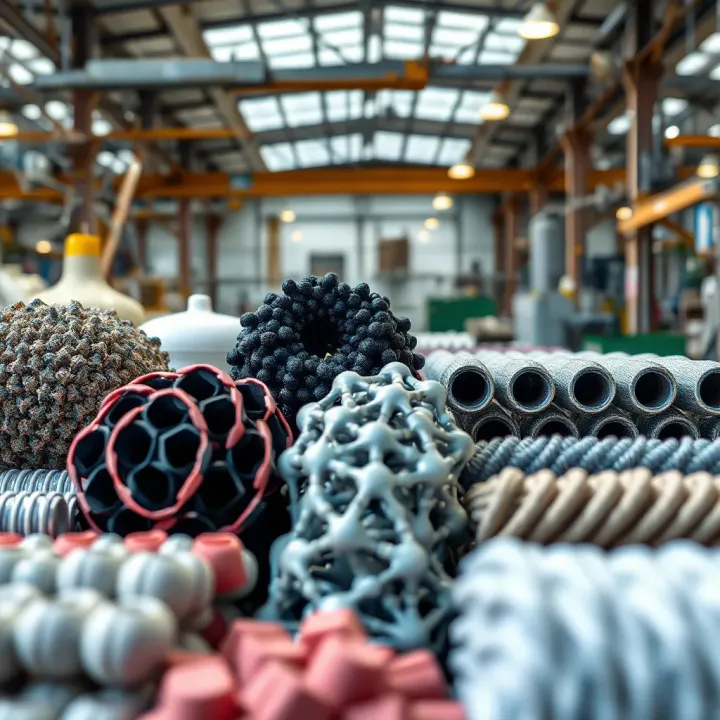
This foundation paves the way to examine specific types of synthetics and their applications across industries, especially relevant for those monitoring Kenyan markets and broader East African trade dynamics.
Understanding the main types of synthetic materials helps investors and traders identify sectors driving growth and innovation. These materials, crafted through chemical processes, often offer improved performance or lower costs compared to natural alternatives. For finance professionals, recognising their characteristics and applications can reveal investment opportunities within manufacturing, agriculture, and consumer goods.
Examples such as polyester, nylon, and acrylic demonstrate how synthetic fibres have reshaped the textile industry globally and locally. Polyester, for instance, is popular due to its durability and resistance to shrinking or stretching, which makes it a go-to fibre for affordable clothing and sportswear. Nylon, first developed as a silk replacement, is strong and elastic, used in ropes but also in high-performance apparel. Acrylic fibres mimic wool's warmth while resisting moth attacks, making them suitable for sweaters and blankets.
Uses in clothing and manufacturing extend beyond just apparel. In Kenya, polyester blends are common in school uniforms and corporate wear because they are easy to maintain and cost-effective. Factories producing textiles have significantly reduced reliance on natural fibres, considering synthetic fibres dry faster and resist wrinkles, which appeals to busy consumers. Moreover, synthetic fibres find use in non-woven fabric products such as surgical masks and filtration materials, broadening their manufacturing footprint.
Characteristics and varieties include a wide range of plastics like polyethylene, polypropylene, and polyvinyl chloride (PVC). These polymers vary in flexibility, strength, and chemical resistance, allowing them to suit numerous industrial needs. For example, polyethylene is lightweight and moisture-resistant, making it ideal for packaging, while PVC is rigid and durable, often used in building materials like pipes and window frames.
Applications in packaging and industry are vast. Kenya’s growing retail and food sectors heavily depend on plastic packaging to maintain product freshness and ease distribution logistics. Industrially, plastics are utilised in automotive parts, electronic housings, and construction prefabs. Their relatively low cost and adaptability support expanding industries that seek materials which can be easily moulded, recycled, or customised.
Role in agriculture and pharmaceuticals is especially prominent. Synthetic fertilisers like nitrogen-based compounds significantly boost crop yields vital for Kenya’s food security and export economy. Pesticides formulated synthetically protect crops from pests and diseases, though their use calls for careful regulation to avoid environmental harm. In pharmaceuticals, synthetic compounds underpin common medicines, diagnostics, and vaccines, supporting Kenya’s healthcare system and pharmaceutical manufacturing.
Impact on everyday products ranges from household cleaners to cosmetics. Synthetic chemicals improve the effectiveness and shelf-life of these products while often reducing costs compared to natural ingredients. Detergents, for example, commonly contain synthetic surfactants that enhance stain removal. This widespread use confirms the importance of synthetics in daily life and their economic presence in retail and consumer segments.
Synthetic materials continue to shape diverse sectors across Kenya, blending affordability, efficiency, and functionality. Recognising the types and uses of these materials equips investors and traders to assess market trends and emerging opportunities with confidence.
Synthetic materials have become integral to numerous sectors in Kenya, offering practical solutions that boost productivity and convenience. This section looks at how synthetics support agriculture, industry, healthcare, and everyday life, highlighting their benefits and the realities of their use.
Synthetic fertilisers and pesticides play a key role in enhancing crop yields and protecting farms from pests. Farmers widely use synthetic nitrogen, phosphorus, and potassium fertilisers to replenish soil nutrients and improve harvests. For example, urea and DAP (diammonium phosphate) remain staples for maize and tea growers in central Kenya. Similarly, synthetic pesticides such as pyrethroids help control insect infestations, reducing crop losses and supporting food security.
Plastic packaging and storage materials have transformed storage and distribution in Kenyan agriculture and industry. Tough synthetic plastics protect produce from spoilage during transport and extend shelf life. In towns like Eldoret and Nairobi, farmers use plastic crates and bags widely to preserve fresh vegetables and fruits while getting them to markets faster. In industry, plastic containers and wrappings help store chemicals safely, reducing contamination risks while facilitating export and local sales.
Synthetic materials are fundamental in producing medicines widely used across Kenya’s healthcare system. Pharmaceuticals like paracetamol and antibiotics rely on synthetic chemical compounds manufactured in local and international factories. Their consistent quality ensures effective treatment for common illnesses and supports public health programmes.
Medical devices also benefit from synthetics, with items such as syringes, intravenous tubes, and disposable gloves made from synthetic polymers like polyethylene and PVC. These materials are light, sterile, and cost-effective, allowing clinics in both urban and rural Kenya to maintain hygiene standards. This reduces infection risks during procedures and supports safer healthcare delivery.
Synthetic textiles dominate Kenya’s clothing industry, offering affordable and durable options to consumers. Fabrics like polyester and nylon feature in school uniforms, office wear, and sports apparel, thanks to their resistance to wrinkles and fading. Stallholders in markets such as Gikambura and Kirinyaga sell synthetic-based cloth widely as it suits Kenya’s climate and lifestyle needs.
Household products and electronics increasingly incorporate synthetic materials. Plastic furniture, kitchenware, and storage solutions are common in Kenyan homes, providing affordable, lightweight, and easy-to-clean options. Meanwhile, gadgets like smartphones and radios contain synthetic components crucial for durability and functionality. Synthetics help balance cost and quality in these goods, keeping them accessible to many Kenyan families.
Synthetic materials have become indispensable across Kenya's agriculture, healthcare, and consumer sectors, driving efficiency and improving everyday experiences while presenting challenges that call for sustainable practices.
In short, synthetics support many facets of everyday life in Kenya, from boosting farm productivity and improving medical care to enhancing consumer goods. Understanding their specific applications helps investors and traders appreciate the sectors reliant on these materials and identify opportunities linked to their ongoing use and innovation.
Synthetics offer plenty of benefits across industries, but their environmental and health impacts deserve close attention. Particularly in Kenya, where increasing use of plastics and chemicals has hit a tipping point, understanding these factors helps traders and investors evaluate risks tied to compliance, reputation, and long-term sustainability. This section dives into the key challenges and regulatory landscape shaping Kenya’s synthetic materials sector.
Plastic pollution in Kenya has become a growing concern. From Nairobi to Mombasa, plastic bags, bottles, and packaging litter streets and waterways, causing blocked drainage systems and harming wildlife. For example, Nairobi’s rivers regularly clog with plastic waste, sparking flooding during the rainy seasons. This pollution not only affects public health but also drains resources needed to clear and maintain urban infrastructure.
To address this, waste management and recycling effortshave gained momentum in recent years. Initiatives like Kenya’s 2017 ban on single-use plastic bags pushed some reduction in plastic waste. However, gaps remain in collection and recycling capacities, especially outside urban centres. Companies investing in recycling technologies or circular economy models often find opportunities by helping convert plastic waste into useful products, which has shown success in informal settlements and some industrial zones.
Exposure to synthetic chemicals is a significant health risk, especially for workers in manufacturing and agriculture. Chemicals in pesticides, plastics processing, and solvents can cause respiratory problems, skin conditions, or long-term illnesses if safety protocols are not followed. For instance, smallholder farmers using pesticides without proper gloves or masks risk chronic poisoning. Promoting better workplace safety via training and protective equipment directly reduces health incidents, improving productivity and reducing compensation claims.
Regulation and monitoring of synthetic chemicals are crucial components in minimising these risks. Kenya's National Environment Management Authority (NEMA) alongside the Pharmacy and Poisons Board regulate importation, use, and disposal of hazardous chemicals. Traders should prioritise compliance with these laws and stay updated on changing policies to avoid penalties and ensure market access. Regular inspections and product testing underpin public trust, limiting harmful exposures at consumer and environmental levels.
Addressing environmental and health considerations surrounding synthetics is not just a regulatory checklist but a pathway to resilient and responsible business in Kenya’s evolving market.
By knowing and managing the challenges of synthetic waste and chemical exposure, Kenya’s traders and investors can safeguard their operations while contributing positively to public welfare and environmental conservation.
The future of synthetic materials is shaping up to be a key factor in Kenya's industrial and environmental outlook. Advancements in synthetics influence how industries innovate, reduce environmental harm, and meet rising consumer demands. Investors and traders should keep an eye on sustainable synthetics and smart materials as these present new market opportunities and risks.
Sustainable materials are gaining ground as Kenya grapples with plastic pollution and waste management challenges. Biodegradable synthetics, made from natural sources like cornstarch or sugarcane, offer practical solutions that break down faster, easing landfill pressure. For instance, companies in Nairobi are starting to explore bioplastics for packaging, which can reduce dependence on traditional plastics that linger in the environment for centuries.
The potential environmental benefits of these eco-friendly synthetics extend beyond waste reduction. By lowering carbon footprints during production and decomposition, they can support Kenya’s commitment under the Climate Change Act to cut emissions. Investors should note that these materials often command premium pricing due to higher production costs but present long-term savings and regulatory compliance benefits.
Smart materials and textiles are transforming sectors such as fashion, healthcare, and construction. For example, textiles embedded with sensors can monitor body temperature or heart rate, useful for athletes or elderly care. Kenyan startups in the textile industry can leverage these innovations to add value and differentiate products locally and regionally.
In infrastructure and renewable energy, synthetics play a rising role. Advanced composites replace metals in wind turbine blades, making them lighter and more efficient. Kenya’s growing investments in wind and solar farms could benefit from these materials, improving durability and cutting maintenance costs. Likewise, synthetic insulators and coatings enhance building energy efficiency.
These innovations signal a shift where synthetics are not just materials but active contributors to Kenya’s sustainable development goals and economic diversification.
In summary, the shift towards biodegradable synthetics and smart materials offers practical gains, environmental relief, and new business prospects. Keeping pace with these trends can give investors and industry players a competitive edge while supporting Kenya’s green growth agenda.
Explore how 'derive' explains language meanings, solves maths problems, and aids daily choices in Kenya 🇰🇪. Understand its real use in school, work, and life.

Explore different types of bots 🤖, their uses across industries in Kenya 🇰🇪, and the risks they pose to cybersecurity and ethics online 🌐.

📈 Understand derivatives clearly with practical examples from Kenya's finance and economy. Learn types, uses, benefits, risks, and local regulations for smarter decisions.

Explore how forex bots automate trading in Kenya, their benefits and risks, plus tips on choosing the right tools to boost your forex trading game 🚀📈
Based on 11 reviews