
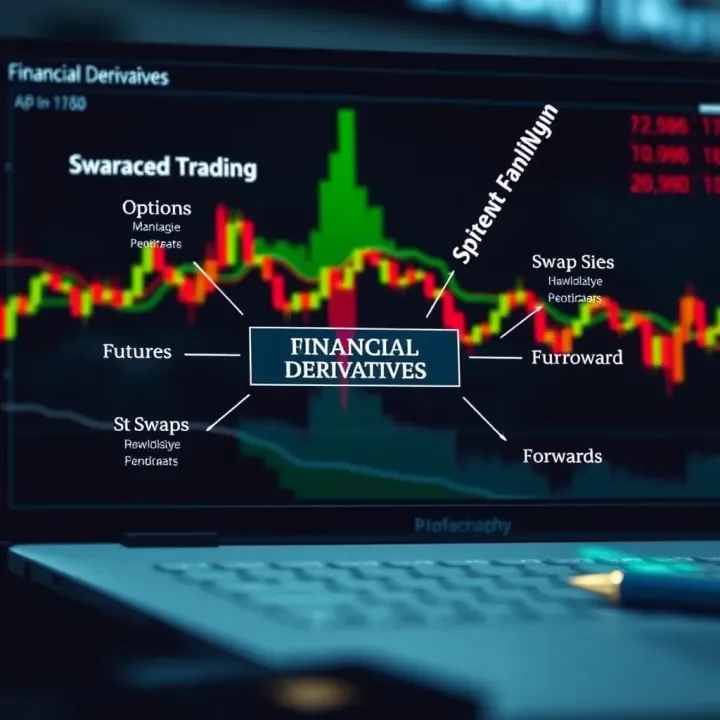
Understanding Derivative Trading in Kenya
Explore how derivative trading works 📈, key types & strategies, risks, regulations, and its impact on Kenya's financial markets for traders & institutions.
Edited By
William Bennett
Derivatives are financial contracts whose value depends on an underlying asset like stocks, currencies, or commodities. These instruments allow traders and investors to manage risk or speculate on price movements without owning the actual asset. In Kenya, derivatives might sound complex, but they play a growing role in markets such as agriculture, energy, and currency trading.
For example, a tea farmer in Kericho can use derivatives to lock in prices before harvest, protecting against falling market rates. Similarly, companies dealing in imported goods hedge against unpredictable foreign exchange rates affecting the Kenyan shilling. This practical use of derivatives helps smooth income flows and budgeting.
Understanding the basics is key for anyone involved in trading, investing, or advising clients in Kenya’s evolving financial landscape. There are several main types of derivatives:
Futures: Agreements to buy or sell an asset at a set price on a future date. For instance, a maize miller might enter a futures contract to secure grain prices ahead of time.
Options: Rights (but not obligations) to buy or sell an asset at a specific price before expiry. For example, a stockbroker might buy an option to purchase shares if prices hit a target level.
Swaps: Contracts exchanging cash flows or financial instruments, often used to swap interest payments or currencies. Kenyan firms with foreign loans might engage in currency swaps to manage shilling volatility.
Derivatives are not just tools for big banks or foreign investors; Kenyan SMEs and farmers can benefit from them to reduce risks tied to price swings and exchange rates.
While derivatives offer valuable benefits, they also carry risks such as market volatility, counterparty default, and complexity that can confuse those without clear guidance. It's essential to understand regulatory frameworks set by bodies like the Capital Markets Authority (CMA) to ensure safe and transparent trading.
This guide will break down how derivatives work, their advantages and pitfalls, and how Kenyan players can use them to strengthen their financial footing. Having a practical grasp of derivatives enables smarter decisions in a market where uncertainty often comes with daily business life.
Understanding derivatives is fundamental for anyone involved in trading, investing, or finance in Kenya today. These financial contracts derive their value from an underlying asset but don't represent ownership of that asset itself. Grasping what derivatives are helps you manage risks, speculate thoughtfully, or design better investment strategies based on price movements of commodities, currencies, or financial instruments.
Derivatives are contracts whose worth depends on the price of an underlying asset. For instance, a Kenyan tea farmer might enter a contract to sell a specified amount of tea at a fixed price six months from now. This agreement is a derivative because its value moves with the actual market price of tea. The contract itself has no physical tea but represents a promise tied to the commodity’s price fluctuations.
Unlike directly owning the asset, derivatives allow parties to benefit from or protect themselves against price changes without holding the real goods or securities. This means you can trade or hedge risks without needing physical custody or full capital investment in the underlying item.
Tea and coffee are among Kenya’s leading exports and form typical underlying assets in derivatives markets here. Farmers and exporters use these contracts to lock in prices ahead of harvests or shipments to avoid losses from sudden market swings. If coffee prices drop after harvest, a derivative contract could help the farmer secure stable income based on earlier agreed prices.
Currency derivatives derive their value from exchange rates, for example, between the Kenyan Shilling (KSh) and the US dollar or euro. Kenyan businesses involved in importing or exporting often use these contracts to manage the risk of currency fluctuations. If the Shilling weakens, paying for imports becomes more expensive, but a derivative contract can help fix costs in advance, easing cash flow management.
Interest rate derivatives depend on changes in benchmark rates such as those set by the Central Bank of Kenya or the yields on government bonds. Financial institutions or firms with loans may use these derivatives to hedge against rising interest costs. For example, a borrower worried that interest rates might climb during the loan term might enter an interest rate swap to lock in a fixed rate. This protects them from sudden payment hikes, offering budget certainty.
Derivatives serve as powerful tools—not to own assets, but to manage exposure to their price movements. In Kenya, these instruments help farmers, traders, and investors navigate volatility and plan confidently in uncertain markets.
Derivatives come in different forms, each designed to suit various investment and risk management needs. For Kenyan traders and investors, understanding these types helps in making informed choices when managing risk or seeking profit. This section breaks down the major derivatives— forwads, futures, options, and swaps— focusing on their practical applications in the Kenyan market.
Forwards are tailor-made contracts between two parties agreeing to buy or sell an asset at a set price on a future date. Unlike standard products, these contracts are negotiated directly, often between farmers and buyers of tea or coffee in Kenya. For example, a tea farmer may enter a forward contract with a processor to fix the selling price several months before harvest, protecting against price drops.
Because forwards are customised, they carry higher counterparty risk—meaning either side might default. Still, this flexibility suits businesses needing specific terms that exchange-traded contracts can't provide.
Futures contracts, conversely, are standardised and traded on regulated exchanges like the Nairobi Securities Exchange (NSE). These contracts specify the quality, quantity, and delivery dates, making them more liquid and transparent.
Kenyan exporters dealing with currency fluctuations or interest rate shifts can use futures to lock in exchange rates or borrowing costs. For instance, an exporter expecting payment in US dollars can buy a currency futures contract to secure the current KSh/USD rate, avoiding loss from a weakening dollar.
Options give the holder the right, but not the obligation, to buy (call) or sell (put) an asset at a predetermined price within a certain period. This flexibility appeals to investors who want to benefit from price movements without committing fully.
For example, buying a call option on a local bank stock like Equity Bank allows investors to gain if the price rises, without owning the shares immediately. Conversely, put options protect against price drops.
Imagine an investor expecting Kenya Power stock to rise ahead of an annual earnings report. Instead of buying the shares outright, they buy call options at a strike price of KSh 10. If the price jumps to KSh 12, they profit from the difference minus the premium paid. If prices fall, losses are limited to the premium.
Options, although not yet widespread in Kenya’s market, are gaining interest as brokerage firms educate investors and seek products suited for local equities.
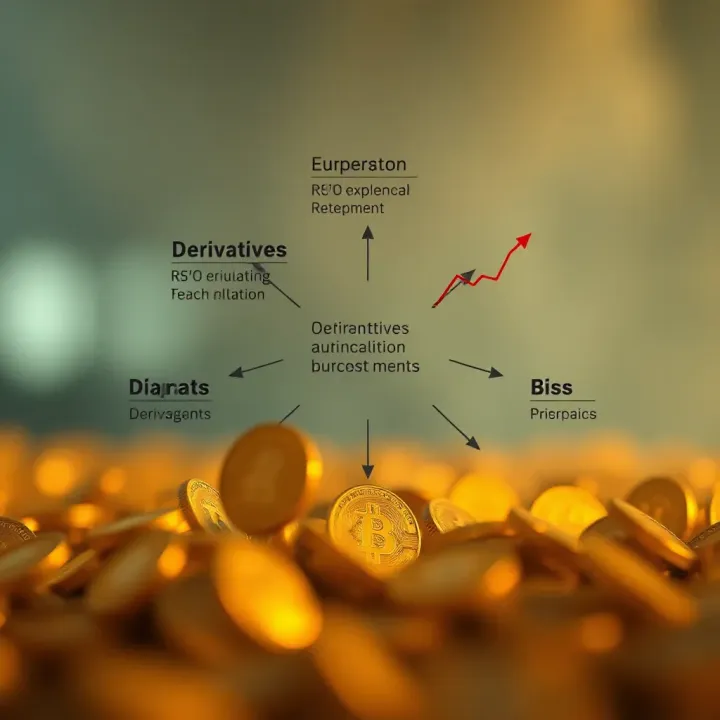
Swaps involve exchanging cash flows between parties, usually to manage exposure to interest rates or currency fluctuations. In an interest rate swap, one party may pay fixed interest while receiving floating rates, helping manage borrowing costs.
Currency swaps allow companies to exchange principal and interest in different currencies, reducing risks from exchange rate volatility.
For example, a Kenyan exporter with a loan in US dollars but revenues in shillings may enter a currency swap to hedge against the shilling weakening. That way, they can stabilise repayments without holding large foreign currency reserves.
Similarly, banks or large corporates may use interest rate swaps to convert variable-rate loans to fixed rates, helping in budgeting and reducing surprises from rising interest rates.
Derivatives like forwards, futures, options, and swaps form essential tools for managing financial risks in Kenya, especially amid fluctuating commodity prices and currency rates. Understanding their practical uses helps investors and businesses protect value and seize market opportunities.
Derivatives serve practical purposes beyond theory. They are tools that help businesses and investors manage risks or seek profit by anticipating market changes. In Kenya, understanding how these instruments work in real situations is key to using them wisely.
Many Kenyan farmers and exporters face fluctuating prices for tea, coffee, or maize. By using derivatives like futures contracts, they can lock in a selling price ahead of harvest. This shields them from sudden drops in market prices, ensuring more stable income. For example, a tea farmer may enter a futures contract to sell a set quantity at KSh 200 per kilogram, avoiding losses if prices fall before the sale.
Kenyan firms that import machinery or export goods frequently deal in foreign currencies such as the US dollar or euro. Currency derivatives help them manage the risk of shilling value swings. Suppose a manufacturing company expects to pay $100,000 in six months. Using a forward contract to fix the KSh/USD exchange rate today avoids the uncertainty of a weakening shilling increasing their costs.
Some investors use derivatives to speculate—that is, to bet on price movements without owning the underlying asset. For example, buying call options on Safaricom shares allows an investor to profit if the share price rises, with limited upfront cost. Traders may also short futures contracts to benefit if prices fall, though this carries more risk.
While derivatives can offer profit chances, they are complex and often involve leverage, which magnifies both gains and losses. Individual investors should understand instruments fully before engaging, ideally starting small or using them within managed funds. It's wise to consider regulatory protections, market transparency, and personal risk appetite, especially given Kenya’s evolving derivatives framework.
Using derivatives in practice requires balance: they protect from risks but also carry them when used without caution. Proper knowledge and strategy make all the difference.
By grasping these practical uses of derivatives, Kenyan investors and businesses can better navigate markets and financial risks.
Derivatives are powerful tools that help businesses and investors manage risks and explore new financial opportunities. However, using them comes with its own set of challenges that you need to be aware of. Understanding both sides is key, especially in a Kenyan context where market dynamics and regulations continue to evolve.
Derivatives mainly serve as a risk management tool. For Kenyan farmers, for instance, futures contracts can lock in prices for tea or coffee before the harvest. This protects them from sudden price drops that could harm their incomes. Similarly, exporters who deal in foreign currencies can use currency derivatives to shield against fluctuations in the Kenyan Shilling (KSh). By fixing exchange rates in advance, they avoid nasty surprises that might cut into their profits.
Such tools provide stability in pricing, which is crucial for budgeting and planning. Businesses can focus on growth rather than worrying about volatile commodity prices or currency swings. Without derivatives, companies might resort to informal or costly hedging methods that are less effective and more risky.
Derivatives open doors to a wider range of financial strategies beyond simple buying and selling. Investors can use options to speculate on stock movements or earn income through writing options, adding flexibility to their portfolios. Banks and fund managers also use swaps and other derivatives to adjust their exposure to interest rates or currencies without buying or selling the underlying assets.
This diversity allows Kenyan investors and businesses to tailor their approach based on market conditions and risk tolerance. For example, an investor expecting a stable market might sell call options on a stock to collect premiums, while a risk-averse fund manager could use interest rate swaps to lock in borrowing costs. In short, derivatives provide more levers to fine-tune financial positions.
While derivatives can reduce risk, they can also amplify it if not used carefully. Many derivatives allow for leverage, meaning you control a large position with a relatively small margin. This can lead to big gains but also severe losses. For instance, a trader speculating on currency futures might face margin calls if the KSh moves against their position, potentially wiping out initial capital.
Market volatility in Kenya can be sudden, especially during periods of political uncertainty or global shocks. Without proper risk controls and understanding, investors and businesses risk losing more than they intended. This is why cautious use and adequate knowledge are essential before jumping into derivatives trading.
The derivatives market in Kenya is still developing, and regulatory frameworks are catching up. The Capital Markets Authority (CMA) and the Central Bank of Kenya play important roles in licensing and overseeing derivatives platforms, but enforcement can be patchy. This sometimes leads to limited transparency, with less information available about contract terms or counterparty risk.
For individual investors, this means greater due diligence is necessary. Engaging with regulated brokers and understanding reporting requirements is crucial. On the business side, clear policies and compliance help avoid legal troubles and reputational damage. As Kenya’s financial markets grow, efforts to boost transparency and investor protection continue, but staying informed is your best protection.
Using derivatives wisely means balancing their benefits against potential risks. For Kenyan investors and businesses, this balance supports smarter financial decisions and helps build confidence in increasingly complex markets.
Regulation and oversight ensure derivatives trading in Kenya remains fair, transparent, and safe for all participants. With financial instruments increasingly complex, regulators step in to prevent market abuse and protect investors from hidden risks. For example, without proper rules, a local farmer selling coffee futures might face unfair pricing or counterparties defaulting, which could threaten livelihoods.
Given the growing use of derivatives by businesses and investors alike, clear oversight helps build trust and stability in the market. It supports efficient price discovery and safeguards the wider economy against systemic shocks linked to derivatives mismanagement.
The Capital Markets Authority (CMA) and Central Bank of Kenya (CBK) play key roles in maintaining market integrity and investor protection. They set and enforce rules that ensure derivatives markets operate transparently and fairly. CMA oversees all capital market activities, including those related to securities and derivatives trading, to shield retail and institutional investors from fraud or mis-selling.
CBK complements this by focusing on monetary stability and supervising banks and foreign exchange dealings that may involve derivatives. This collaboration reduces risks like currency mismatches that could destabilise local banks or businesses engaged in cross-border trade.
Licensing derivatives trading platforms is another critical function of these agencies. By officially registering and licensing these platforms, they guarantee that only qualified operators run these markets under strict standards. This step is vital because uncertified platforms might pose fraud or operational risks to traders.
For instance, a licensed platform must have proper safeguards against cyber-attacks and clear procedures to handle disputes. The licensing process also involves regular inspections and compliance checks to match Kenya’s evolving financial law landscape.
Market players dealing in derivatives must adhere to reporting standards and disclose associated risks transparently. These rules require firms and brokers to submit regular reports on their derivatives positions and risk exposure. Such reports allow regulators to monitor collective market behaviour and spot emerging threats early.
In Kenya, this means companies using derivatives for currency hedging or commodity price insurance must inform the CMA periodically. This openness fosters an environment where reckless speculation is minimised while encouraging informed decision-making.
Legal frameworks guiding derivatives use provide clear boundaries on permitted activities, contract enforceability, and dispute resolution. For example, existing laws ensure that derivatives contracts align with Kenyan commercial law principles and do not violate banking or foreign exchange regulations.
These legal provisions help businesses structure their derivatives deals without fear of future legal uncertainty. They address aspects like margin requirements, settlement standards, and contractual obligations, which all boil down to strengthening Kenya's financial sector resilience.
Regulators in Kenya make sure derivatives markets serve their purpose: managing risks, supporting growth, and protecting investors from avoidable losses through clear rules and oversight.
In summary, Kenya’s regulatory framework and oversight mechanisms make the derivatives market more transparent, trustworthy, and accessible to investors and businesses. This environment encourages prudent use of derivatives as tools for risk management and financial growth.
Understanding the future trends and opportunities in Kenya's derivatives market is essential for investors, traders, and financial institutions seeking to adapt and benefit from evolving financial tools. These developments signal broader participation, improved market infrastructure, and better risk management options specific to the Kenyan context.
Kenyan investors are becoming more interested in complex financial products, including derivatives, as they seek to diversify portfolios beyond traditional assets like equities and government bonds. For example, local fund managers are exploring options and futures contracts to hedge against exchange rate risks that affect the Shilling when dealing with foreign currencies. This trend reflects a gradual sophistication in the market, driven partly by increasing exposure to global markets and the need to manage volatile commodity prices such as tea or coffee.
On top of that, the rise of pension funds and insurance companies looking to stabilise returns has spurred the interest in derivatives. These institutions require tools that allow them to lock-in prices or manage interest rate fluctuations, making derivatives a practical option. This behaviour points to a more mature financial environment where risk management becomes a priority.
A key factor behind the growing interest in derivatives is the push for better financial literacy and professional training within Kenya. Organisations such as the Kenya Securities Industry Association (KSIA), and training programmes backed by the Capital Markets Authority (CMA), are helping stakeholders understand derivatives' mechanics, risks, and regulatory considerations.
Such initiatives are vital because derivatives can be complex and risky if not well comprehended. Training workshops, seminars, and online courses tailored for brokers, traders, and institutional investors provide practical knowledge and confidence to participate effectively in derivatives markets. The effort to expand capacity is creating a more informed community that can engage safely and strategically.
Technology is reshaping how derivatives trading takes place in Kenya. Digital trading platforms accessible on mobile devices provide real-time market access, allowing investors and brokers in Nairobi or even smaller towns to transact without visiting physical exchanges. This accessibility lowers barriers to entry and encourages wider participation.
For example, some local brokers now offer mobile interfaces with integrated M-Pesa payment options, enabling quick margin deposits and settlements. This integration simplifies the trading process, making derivatives more approachable for retail and institutional clients alike.
Technological advances promise enhanced liquidity by bringing more participants onto well-functioning electronic platforms. Increased liquidity benefits traders by tightening bid-ask spreads and enabling smoother execution of large orders without causing significant price swings.
Besides, digital record-keeping and automated reporting improve transparency, helping regulatory bodies like the CMA to monitor market activity and enforce compliance. This development reduces the risk of manipulation and builds investor trust, crucial for the derivatives market's growth in Kenya.
As Kenya modernises its financial markets, embracing technology and education around derivatives will enhance investment opportunities and risk management. The result will be a market better equipped to serve Kenya's growing economy and diverse commercial needs.
In summary, the Kenyan derivatives market stands on the brink of significant growth thanks to rising investor interest and improving technological infrastructure. Staying informed and trained will be key for market participants aiming to benefit safely from these evolving opportunities.
Explore how derivative trading works 📈, key types & strategies, risks, regulations, and its impact on Kenya's financial markets for traders & institutions.
🔍 Understand your Deriv status in Kenya with our clear guide! Learn how to check it, spot common issues, and take practical steps to resolve them effectively.
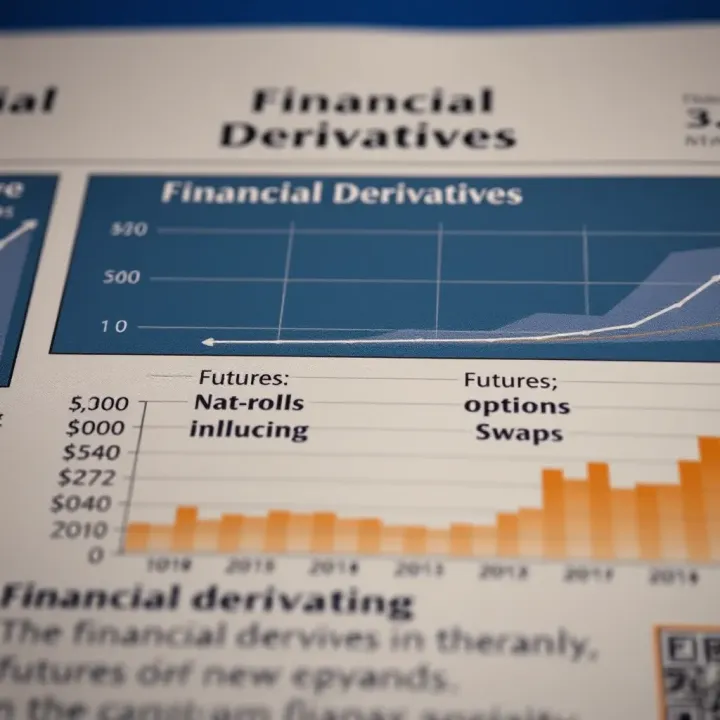
📊 Explore derivatives in finance—types, uses, risks, and key contracts explained. A practical guide for investors and businesses in Kenya.
📈 Learn how copy trading helps Kenyan investors mirror expert trades, understand its pros, risks, and tips to start smart investing today.
Based on 8 reviews