

Understanding Derivatives for Kenyan Readers
📈 Understand derivatives clearly with practical examples from Kenya's finance and economy. Learn types, uses, benefits, risks, and local regulations for smarter decisions.
Edited By
Edward Price
Sarafu is a local currency system emerging in various Kenyan communities to support trade where conventional cash may fall short. Unlike the Kenya shilling, sarafu serves as a medium of exchange limited to specific groups or localities, enabling residents to trade goods and services internally without needing formal money.
This concept isn't entirely new—community currencies exist worldwide—but in Kenya, sarafu has gained traction especially in informal settlements and rural areas. Here, residents often rely on bartering or have limited access to banks and mobile money services like M-Pesa. Sarafu fills these gaps by facilitating economic activity and strengthening community ties.
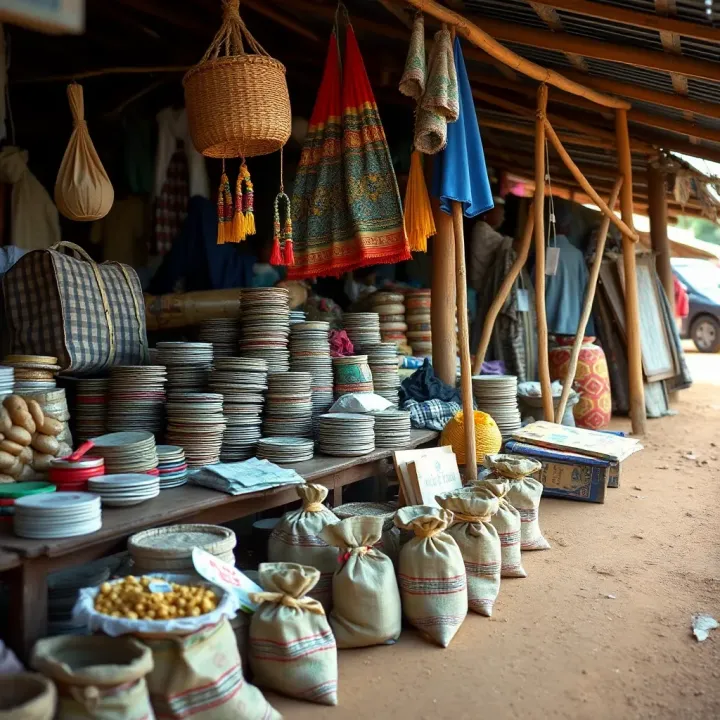
Typically, sarafu circulates within a defined network where participants earn and spend credits rather than cash. For example, a local farmer might earn sarafu by supplying vegetables and then use that balance to pay a carpenter or purchase household necessities from a nearby duka (shop) accepting sarafu. This keeps the flow of value active within that community, reducing dependence on physical cash.
Some sarafu systems operate through digital platforms accessible via mobile phones, which Kenya's high mobile penetration supports well. Others use paper vouchers or tokens, depending on the area's infrastructure and preferences. Organisations and NGOs often facilitate these currencies, training members on usage and record-keeping to maintain trust and transparency.
Sarafu systems encourage reciprocal trade and social cohesion by creating an alternative economy that complements rather than replaces Kenya's official currency.
For traders, investors, and financial analysts, understanding sarafu reveals an innovative way communities tackle liquidity challenges and economic exclusion. It shows resilience at the grassroots level and offers insights into developing inclusive financial services tailored to Kenya's diverse economic landscape.
In short, sarafu is more than just local money—it’s a tool enabling communities to thrive amid cash shortages and economic uncertainty. This article takes a closer look at how sarafu works, the different types in use, its benefits and challenges, and where it fits within Kenya’s broader economic framework.
Local currencies like Sarafu play a significant role in Kenya's informal and semi-formal economic activities. They address gaps that the formal financial system and national currency sometimes leave, especially in marginalised communities where access to cash or digital money can be erratic. Sarafu systems offer an alternative means for people to exchange goods and services, foster trade networks, and enhance economic resilience.
Sarafu, simply put, is a community currency used to facilitate trade within a specific group or locality. Unlike the Kenyan shilling, Sarafu is not legal tender but acts as a complementary currency to encourage local exchange. Its primary purpose is to boost economic activity by allowing members to trade goods and services even when official money is scarce. For example, a farmer in a rural county might use Sarafu tokens to pay the local carpenter or duka owner, creating a circular economy that keeps resources circulating locally.
The practical benefits include reducing dependency on cash, promoting community solidarity, and supporting informal businesses that might struggle to cope with banking requirements. Sarafu systems can also foster entrepreneurial spirit by linking producers, traders, and consumers outside conventional market constraints.
Kenya has a growing track record of local currency initiatives. Historically, barter trade was common before colonial times, and Sarafu systems are a modern adaptation of such indigenous practices. More recently, community currencies started gaining traction in the early 2000s, especially during economic downturns when cash flow was limited.
For instance, the Bangla-Pesa initiative in Eastleigh, Nairobi, traced back to around 2010, became an early example of a community currency helping traders during tight cash shortages. Similarly, in other counties like Mombasa and Kakamega, local currencies and trade credits have been developed to sustain economic activity during tough periods.
These local currency systems highlight the resilience and ingenuity of Kenyan communities in finding practical solutions to financial exclusion and market failures. Moving beyond mere survival, Sarafu networks often aim to build long-term economic relationships while empowering citizens at the grassroots.
Community currencies like Sarafu are not just about money; they are about strengthening trust, encouraging cooperation, and enabling more people to participate in local economies where the official cash might not fully reach.
By understanding what Sarafu means locally, traders, investors, and financial professionals can better appreciate its value and possible integration with Kenya's formal economic systems.
Sarafu systems work as community-driven currencies designed to boost local exchange when traditional cash or mobile money may be scarce. By facilitating trade within a tight-knit group, these systems enable communities to keep value circulating locally, thereby supporting resilience during economic challenges. Understanding how Sarafu operates on the ground is key for traders, investors, and finance professionals looking to grasp its practical dynamics.
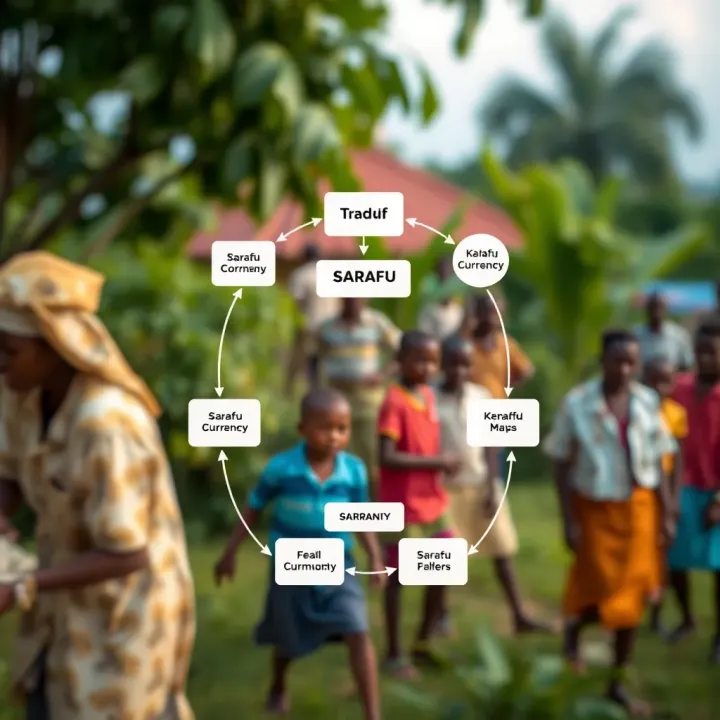
At its core, Sarafu acts as a medium of exchange that members use instead of or alongside Kenya shillings. Communities set agreed values for goods and services in Sarafu units, which can be earned by providing labour, goods, or services to others within the network. For example, a mason may earn Sarafu by building a neighbour's fence and then spend that Sarafu to buy vegetables from a local farmer. The currency often circulates through word-of-mouth trust and informal tracking rather than physical notes.
Transactions typically occur via mobile platforms, SMS, or community ledger books, making Sarafu accessible even to those without bank accounts or smartphones. This accessibility encourages participation across varied socioeconomic groups. The system’s success depends on a clear understanding of how much Sarafu represents in real terms, often correlated loosely with the Kenyan shilling but not tied to it formally.
Trust forms the backbone of every Sarafu system. Since Sarafu is not backed by the central bank or formal institutions, communities must rely on honesty and accountability among members. The credibility of the system depends on participants believing that others will accept the currency in exchange for real goods and services.
Communities often organise themselves into groups or cooperatives to manage Sarafu issuance and resolve disputes. Their involvement includes setting guidelines on who can join, how Sarafu is allocated, and where it is accepted. This collective ownership builds confidence and promotes active use.
For instance, in some Nairobi informal settlements, groups have established Sarafu networks alongside savings and credit associations, enhancing members’ buying power even when cash flow is tight. The system thrives if participation is broad and continuous, as limited uptake risks making Sarafu less useful and reducing its velocity.
Effective Sarafu systems depend less on physical currency and more on strengthened social ties and mutual confidence within communities.
Understanding these mechanics and community dynamics helps highlight why Sarafu remains a relevant alternative exchange system across Kenya, particularly for those outside formal financial institutions.
Local currencies or sarafu come in different forms across Kenya, each with unique features that suit the needs and capacities of the communities that use them. Understanding these types helps traders, investors, and finance professionals see how sarafu supports local economies and addresses specific challenges.
Physical sarafu involves tangible tokens or printed notes that community members use in transactions. For example, in certain parts of western Kenya, some groups use locally printed vouchers or tokens that serve as a medium of exchange within their cooperatives and informal markets. These physical currencies make trade straightforward in areas with low digital penetration or where mobile money infrastructure is unreliable.
On the other hand, digital sarafu operates through mobile platforms or web-based systems. One notable example is the Sarafu-Credit system in Nairobi which uses digital units recorded on mobile phones. Users engage in trading goods and services with sarafu balances credited and debited virtually, often via text messages or dedicated apps. This form of sarafu fits well in urban and peri-urban areas where mobile phone use is widespread, making transactions quicker and more traceable.
Both types offer practical benefits. Physical sarafu builds strong local trust and enables offline trading, something crucial in areas outside formal banking services. Digital sarafu brings increased efficiency, auditability, and is easier to scale across counties.
In Uasin Gishu County, a local community initiative introduced physical sarafu tokens to boost trade among small-scale farmers and artisans. This system encourages barter-like exchanges where KSh may be scarce. Traders get the benefit of continuing business without relying solely on cash flow.
Meanwhile, in Nairobi’s informal settlements such as Kibera, digital sarafu projects have grown. For instance, community groups use mobile platforms to trade services like tailoring or moto-taxi rides using sarafu credits. This approach taps into the existing mobile money ecosystem, offering a complementary currency that mitigates cash shortages during economic slowdowns.
Also worth mentioning is Mombasa County, where a hybrid model blending physical vouchers and mobile records supports both face-to-face and remote transactions. This flexibility has helped local kiosks recover sales after disruptions caused by market closures or seasonal fluctuations.
Sarafu systems vary widely but share the core goal of strengthening local economies by facilitating trade where formal currency faces challenges. Choosing between physical and digital forms depends on infrastructure, trust levels, and community needs.
For investors and analysts, these examples highlight that sarafu is not one-size-fits-all. Its success hinges on adaptation to local realities and integration with existing economic habits, especially mobile money and informal markets. Monitoring these variants provides insights into emerging grassroots economic trends in Kenya and opportunities to support sustainable development.
Sarafu offers a practical way to boost trade within communities, especially in areas with limited access to formal banking and cash. For example, small traders in Nairobi’s informal settlements use sarafu to trade goods and services when cash is scarce, keeping the local economy active despite financial limitations. This system encourages local spending, which helps retain wealth within the community rather than letting it leak to bigger urban centres or international markets.
Besides economic benefits, sarafu strengthens social bonds by encouraging neighbourly support and collaboration. Communities using sarafu often experience improved trust, as members rely on one another for goods or work in exchange for sarafu credits. This trust supports social resilience during times of economic stress or cash shortages. In counties like Kisumu and Mombasa, sarafu initiatives have helped reduce unemployment by enabling barter-type exchanges and informal work compensated with local currency, thus enhancing livelihood opportunities.
Moreover, sarafu helps diversify economic activities, allowing people to trade services that rarely have cash value, such as childcare, gardening, or carpentry. It can stimulate creative solutions to local challenges, pushing communities to find alternative income sources beyond formal jobs.
Despite these benefits, sarafu systems have limitations and risks that users and organisers should keep in mind. One major challenge is acceptance beyond the immediate community. Since sarafu is not legal tender, its use remains local, limiting expansion and sometimes complicating trades with outsiders or suppliers requiring official currency. This restricts access to wider markets and credit facilities.
Another risk involves the lack of formal regulation or oversight. Without a central authority standardising and enforcing rules, some systems may face issues like fraud, counterfeiting, or misuse. For instance, if a sarafu issuer inflates supply without community consensus, it might lead to loss of confidence and collapse of the local currency.
Operational challenges also exist, such as dependence on consistent community participation and trust. If members lose faith or if social tensions arise, the system’s value can quickly erode. Furthermore, sarafu may not meet all needs during emergencies that demand national currency for essential services or supplies.
While sarafu can boost local trade and social ties, potential users need to weigh its strengths against risks like limited scalability and governance gaps.
In sum, sarafu works best when well-organised within tightly knit communities that have clear agreements and mutual trust. Traders and investors should carefully assess these factors before relying heavily on sarafu for business or development projects. Understanding both its benefits and challenges helps better integrate sarafu into Kenya’s diverse economic fabric.
Sarafu, as a local currency system, plays a distinct part in Kenya’s economy by offering an alternative to the formal cash system. It helps communities trade goods and services when access to Kenya Shillings is tight, especially in informal settlements and rural areas. This grassroots exchange mechanism supports resilience by keeping money circulating locally rather than leaking to larger urban centres or foreign markets.
Sarafu typically operates alongside Kenya’s formal financial setup, but its interaction with banks and mobile money platforms is limited and informal. For example, most Sarafu transactions avoid cash or M-Pesa conversions, maintaining value within community pockets. However, some initiatives link Sarafu balances to mobile platforms to ease record-keeping or convert local credits into formal money when necessary. Still, these conversions are rare because Sarafu mainly thrives as a complementary tool during liquidity shortages rather than a substitute for Kenyan Shillings.
Banks and financial institutions seldom recognise Sarafu as legal tender; therefore, Sarafu users can’t directly pay official bills or loans in these currencies. This separation often confines Sarafu to a parallel economy surrounding essential transactions such as farm labour, local crafts, or shopping in nearby dukas. In some ways, Sarafu acts like a financial cushion during tough periods by increasing purchasing power for those temporarily short of cash.
The future of local currencies like Sarafu in Kenya looks promising but depends heavily on community trust, technology adoption, and supportive policies. As digital tools become more available—especially affordable smartphones and mobile internet—Sarafu systems might increasingly integrate technology to improve transparency and ease of use. For instance, a digital Sarafu ledger accessible through simple apps could streamline exchanges and build trust among distant users.
Moreover, with growing interest from development organisations and county governments, Sarafu could expand beyond informal networks to assist in poverty alleviation, linking with social protection programmes. However, regulatory frameworks will need clarification to prevent misuse or fraud without stifling community-led efforts.
While Sarafu may never replace the Kenyan Shilling, it serves as a vital supplement during economic stress and helps foster local economic empowerment, especially in areas underserved by formal banking.
In summary, Sarafu remains an important part of Kenya’s economic ecosystem by complementing formal currency systems and cushioning vulnerable populations. Its evolution will likely blend traditional community cooperation with digital innovations, making it relevant for future local economic development.
📈 Understand derivatives clearly with practical examples from Kenya's finance and economy. Learn types, uses, benefits, risks, and local regulations for smarter decisions.

Explore Deriv's trading platform in Kenya 🇰🇪, learn to register, verify, and trade securely with insight on features, benefits, risks and regulation 📈💻

📈 Learn how to open and manage trading accounts in Kenya. Discover types of accounts, tips on choosing providers, and avoid costly mistakes in your investment journey.

Explore how derivative trading works 📈, key types & strategies, risks, regulations, and its impact on Kenya's financial markets for traders & institutions.
Based on 10 reviews