
Understanding Forex Spread for Kenyan Traders
📉 Learn how forex spread impacts your trading costs in Kenya. Get practical tips on types, broker spreads, and ways to manage expenses for smarter trading.
Edited By
Liam Wallace
Dollar Printer FX is an automated forex trading software that aims to take the stress out of manual trading by using algorithms to execute trades on behalf of the user. Essentially, it analyses market movements, opens and closes positions, ideally to produce steady profits over time. For Kenyan traders, navigating the busy forex market can be tricky, so this type of tool attracts attention as a possible shortcut to earnings.
At its core, Dollar Printer FX runs on set parameters defined by its creators or customisable by users. These settings include factors like trade size, risk levels, and the particular currency pairs it trades. The software continuously monitors forex market data, including price changes and volume, to make real-time decisions. This automation helps avoid emotional decisions which often lead to losses.
Forex trading is popular in Kenya due to easy access via platforms like MetaTrader and widespread mobile internet. However, many traders struggle with timing and analysis, especially when balancing trading alongside daily hustles like matatu driving or running small businesses. Dollar Printer FX offers a way to participate in forex markets without needing to watch charts all day.
That said, automated tools aren’t foolproof. The forex market is volatile and influenced by global events that algorithms can’t always predict. For instance, unexpected central bank announcements or geopolitical shifts can cause sudden swings. So, relying solely on Dollar Printer FX without understanding market basics could lead to losses rather than gains.
Costs and Licensing: Some automated trading software requires subscriptions or one-time fees. Check if Dollar Printer FX suits your budget.
Compatibility: Confirm if the software integrates well with platforms accessible in Kenya, like MetaTrader 4 or 5.
Regulation: Kenya’s Capital Markets Authority (CMA) doesn't regulate forex bots specifically, so exercise caution.
Automated trading software like Dollar Printer FX can be helpful tools, but they work best when combined with trader knowledge and proper risk management.
In summary, Dollar Printer FX can provide Kenyan traders with a way to automate trades and save time, but it should not replace understanding forex fundamentals or caution in money management.
Dollar Printer FX is an automated forex trading software designed to execute trades without constant human intervention. For Kenyan traders, understanding how this software operates is key to making informed decisions about its use in daily trading activities. The software relies on programmed rules to buy and sell currency pairs in the forex market, aiming to capitalise on small price movements for consistent profits.
The relevance of knowing how Dollar Printer FX works lies in its potential to save time and reduce emotional decisions often seen in manual trading. However, it’s important to grasp its functionality fully to avoid unrealistic expectations and to manage risks effectively.
Automated forex trading uses software like Dollar Printer FX to handle the complexities of the forex market. The program analyses price data, executes trades, and manages orders automatically based on pre-set algorithms. In Kenya, where many traders juggle multiple jobs or businesses, this automation offers a way to participate in forex without sitting by the computer all day.
This form of trading cuts down on the time traders spend monitoring charts and allows the system to act swiftly, often faster than a human could. It’s essentially a tool to help busy traders stay in the market while focusing on other priorities.
Dollar Printer FX includes features such as real-time market analysis, automatic trade execution, and risk management settings. The software is generally paired with popular trading platforms like MetaTrader 4 or 5, making it accessible to Kenyan users familiar with these platforms.
An important feature is the ability to customise parameters like stop-loss and take-profit levels, which helps tailor the risk profile to individual trading preferences. These features are practical for traders who want to balance safety and profitability without constant manual adjustments.
The software mainly targets major currency pairs like EUR/USD, GBP/USD, and USD/JPY but can also trade some minor pairs. For Kenyan traders, the USD/KES currency pair might attract interest, even though not all automated systems support it directly.
Focusing on pairs with high liquidity and tighter spreads ensures trades are more cost-efficient and less volatile, which suits the short-term trading style Dollar Printer FX usually employs.
Dollar Printer FX primarily uses scalping—making multiple quick trades to gain small profits repeatedly. This strategy fits well with forex’s highly liquid market and the software’s speed in executing orders.
For example, it might open a trade for just a few minutes or seconds, aiming for a few pips’ gain before closing. This approach often suits traders who prefer steady, small wins instead of holding positions overnight and risking larger market swings.
The software uses algorithms that analyse market indicators like moving averages and Relative Strength Index (RSI) to decide when to enter or exit trades. These calculations happen continuously, allowing decisions to be made swiftly based on live data.
These algorithmic decisions help remove human emotions such as fear or greed from the trading process. In practice, this means trades happen consistently according to strategy rather than personal bias.
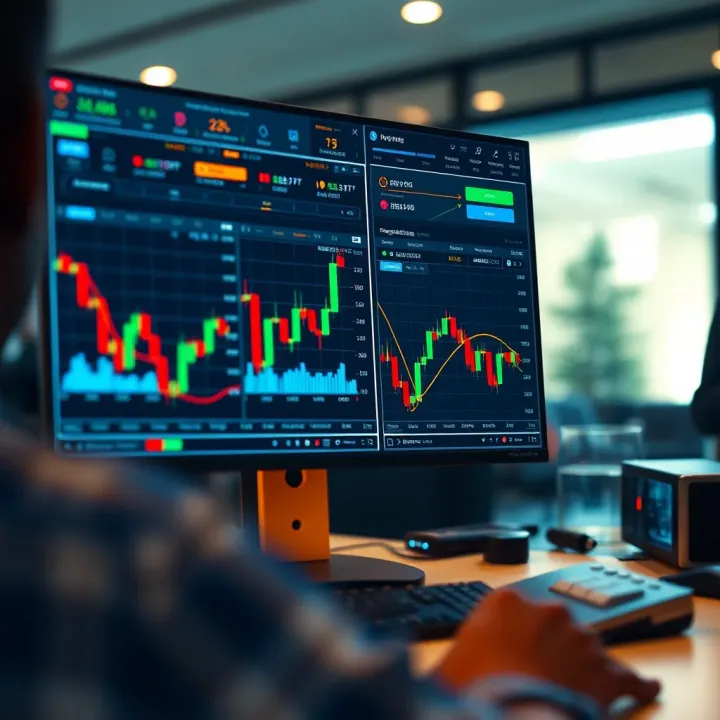
Dollar Printer FX incorporates risk controls such as automatic stop losses, which limit the amount of money lost on any single trade. The system may also adjust trade sizes depending on account balance and recent performance.
This risk management approach ensures that while aiming for steady profits, the system doesn’t expose the trader to catastrophic losses. It aligns with smart trading practices Kenyan traders are encouraged to follow, particularly when risking hard-earned KSh.
Understanding the inner workings of Dollar Printer FX empowers Kenyan traders to better gauge how this tool fits their trading style and financial goals. It’s not a magic solution but a powerful aid when used with knowledge and caution.
Dollar Printer FX offers a set of advantages that appeal particularly to Kenyan traders seeking efficient and accessible ways to engage in forex trading. The software's automation features save time, minimise human error, and offer smoother interaction with local financial systems, enhancing practical handling of trades.
Automation significantly benefits Kenyan traders, many of whom juggle forex trading alongside other hustles. Dollar Printer FX executes trades based on pre-set algorithms without constant supervision. This means you can continue with your daily activities—whether working a day job, selling goods at the kiosk, or caring for family—without missing market opportunities.
By automating entry and exit points, the software handles many routine tasks swiftly. This saves valuable time traders would otherwise spend analysing charts and placing orders manually, especially considering forex markets run 24/5. Automation helps Kenyan users respond to global market movements even when they are offline or busy.
Reducing emotional trading errors is another major advantage. Many traders fall into traps of fear and greed, often exiting trades too soon or holding on hoping for a rebound. Dollar Printer FX eliminates these biases by following objective rules consistently, avoiding impulsive decisions that often cost traders their capital.
For example, a trader in Kisumu might feel tempted to close a losing position prematurely after hearing market rumours, but with Dollar Printer FX, the system sticks to its tested strategy. This disciplined approach can make the difference between gradual profit and repeated loss, especially for less experienced traders.
Integration with local brokers that support M-Pesa payments makes Dollar Printer FX extremely convenient for Kenyan users. Instead of complicated international wire transfers, traders can top up their accounts instantly using M-Pesa, the ubiquitous mobile money service used by millions.
This setup reduces barriers to entry and ensures quicker fund transfers, enabling traders to take positions on forex pairs promptly. Brokers like Exness and FxPro, which accept local payment options, are often compatible with Dollar Printer FX, blending fintech convenience with powerful automated trading.
In addition, Dollar Printer FX works alongside popular trading platforms such as MetaTrader 4 and 5, widely used in Kenya. This compatibility means traders can monitor automated trades within the familiar MetaTrader interface, making it easier to track performance and make manual adjustments where necessary.
For instance, a Nairobi-based trader can run Dollar Printer FX within MetaTrader to manage trades efficiently, combining automation benefits with the flexibility to intervene if market conditions shift suddenly. This hybrid use enhances control without sacrificing the time-saving automation advantages.
Automated trading tools like Dollar Printer FX bring forex markets within reach of Kenyan traders by marrying convenience, speed, and disciplined execution—key elements in today's fast-evolving trading environment.
This combination of automation, seamless local payment integration, and compatibility with established platforms forms the backbone of Dollar Printer FX's practical appeal in Kenya.
Before relying on Dollar Printer FX, it's critical to understand the risks and limitations that come with automated forex trading. This understanding helps Kenyan traders make informed choices, avoiding costly mistakes common in the forex hustle. No software can guarantee profits, especially when markets are unpredictable, so caution is necessary.
Unpredictable forex market volatility poses a major challenge. Forex markets can swing wildly due to political events, economic reports, or unexpected news—like when a sudden policy change by the Central Bank of Kenya moves the shilling sharply against the dollar. Automated systems such as Dollar Printer FX may not adapt quickly enough, leading to losses.
This volatility means even the best algorithms can get caught off guard. For example, if the software is set to scalp small profits on the EUR/USD pair but a breaking news item causes a swift price spike, the system’s usual strategy may cause it to hold losing positions longer than desired. Kenyan traders would then face unexpected drawdowns.
Possibility of software failure or bugs is another limitation to keep in mind. Like any computer program, Dollar Printer FX may have glitches or crashes, especially during high market activity. Imagine the programme freezing in the middle of executing a trade or sending multiple orders unintentionally; such faults can drain your trading account fast.
Moreover, compatibility issues with your chosen broker’s platform or internet disruptions can interfere with trade execution. This is particularly relevant in Kenya where internet connectivity can be inconsistent, especially outside major cities. Testing the software on a demo account is a vital step before committing real capital.
Red flags for fraudulent forex robots include promises of guaranteed returns, no-risk investments, or secret algorithms. Any software claiming you can "print money" without understanding market risks should be treated with suspicion. Kenyan traders often hear these grand claims, but reality usually falls short.
Other warning signs are aggressive marketing tactics, lack of verifiable performance history, or pressure to deposit large amounts quickly. For instance, some rogue actors may offer Dollar Printer FX-like tools but are just looking to steal user funds under the guise of trading profits.
How to verify legitimacy before investing involves careful research and due diligence. Check for independent reviews, verify the software provider’s credentials, and ask other Kenyan traders for recommendations. Trial the software on demo accounts to observe performance without risking your money.
Make sure your broker is authorised by the Capital Markets Authority (CMA Kenya), which enforces regulations to protect investors. Engaging regulated brokers reduces exposure to scams linked to unlicensed operators.
Kenyan regulatory environment and safeguards provide some protection but are not foolproof. The CMA regulates forex brokers and platforms offering services to Kenyan clients, requiring registration and compliance with fair trading practices. This means software products integrated with legitimate brokers indirectly fall under regulatory scrutiny.
However, automated trading software itself is less regulated. The CMA urges traders to be vigilant and only work through licensed channels. Kenyan regulators also encourage financial literacy to help users spot dubious schemes before they lose funds.
Understanding these risks and limitations arms Kenyan traders with realistic expectations and safer paths when using Dollar Printer FX. Successful forex trading demands both good tools and careful judgement.
For Kenyan traders, getting the best out of Dollar Printer FX means blending the software's automation with practical steps and careful planning. Since the forex market can be unpredictable, understanding how to use this tool alongside solid trading basics makes a significant difference. This section covers key approaches, from choosing the right broker to setting realistic trading goals.
Choosing a broker that works smoothly with Dollar Printer FX is essential. Kenyan traders should look for brokers that offer integration with popular platforms like MetaTrader, as this compatibility ensures the software runs without glitches. Other important features include transparent fee structures, fast order execution, and local customer support. For example, brokers like HotForex and AvaTrade have a good reputation among Kenyan clients and support automated trading systems well.
Smooth payment options are another critical factor. Since most Kenyan traders prefer funding via M-Pesa, brokers must support M-Pesa transactions or bank transfers that are fast and reliable. Delays in deposits or withdrawals can affect your trading strategy and limit your chances to capitalise on timely trades. One practical tip is to confirm the broker’s payment channels' responsiveness by starting with small transactions first.
While Dollar Printer FX automates trades, having a grasp of forex fundamentals is still necessary. Traders should understand basic concepts like currency pairs, market sessions, and economic indicators. This knowledge helps you spot when the software might be underperforming or when market conditions are unfavourable. For instance, knowing that the USD/KES pair drops on certain policy announcements can help you adjust settings or pause trading during these times.
Setting realistic expectations for profits and losses keeps trading sustainable. Automated tools do not guarantee constant wins; losses can still happen, especially in volatile markets. Kenyan traders should view Dollar Printer FX as a helper rather than a magic wand. Planning for gradual gains and preparing for occasional setbacks, such as setting stop-loss limits, can prevent disappointment and protect your capital.
Successful trading with Dollar Printer FX depends on pairing the software's automation with hands-on learning and careful broker selection. This approach builds a more reliable foundation for steady growth in the Kenyan forex market.
Starting with Dollar Printer FX involves more than just downloading the software; it requires careful preparation and a clear step-by-step approach. For Kenyan traders, following these practical steps ensures the software works well and trades align with personal financial goals. This approach also helps avoid common pitfalls that can lead to losses, especially when using automated trading systems.
Before installing Dollar Printer FX, check that your computer or device meets the key system requirements. Usually, this includes a Windows operating system (Windows 7 or newer), at least 4GB of RAM, and stable internet connection. For Kenyan traders, reliable power supply and internet can sometimes be tricky, so having a backup power source like a UPS and a mobile internet alternative can help keep the software running smoothly during trading hours.
Ensuring your computer is secure with antivirus and firewall protection is also important. Automated trading software interacts with online platforms and requires constant internet access, so protecting your device prevents malware or interruptions that could affect trades.
Once installed, connecting Dollar Printer FX to your trading account is vital. Most brokers supporting Kenyan clients enable integration with MetaTrader 4 or 5 platforms, which this software commonly uses. Linking your broker account involves providing API keys or login credentials within the Dollar Printer FX interface.
Choose a broker that supports M-Pesa payments or direct bank transfers, making deposits and withdrawals efficient. For instance, brokers like Exness or HotForex allow seamless deposits via M-Pesa. Make sure to double-check the account type (live vs demo) and leverage settings to match your risk appetite.
Before trading with real money, start with a demo account. Demo trading allows you to observe how Dollar Printer FX behaves without risking actual funds. Kenyan traders can open demo accounts with local and international brokers to test different market scenarios.
This step is especially useful to familiarize yourself with the software’s interface and understand its trade execution speed and decisions. You can also tweak settings to see what works best for your trading style and the Kenyan market’s specific volatility.
Carefully monitor how Dollar Printer FX performs during demo runs. Look out for unexpected behaviours such as placing overly risky trades or technical glitches. Track key metrics like drawdown (how much the account balance drops) and profitability.
By doing this, you reduce the chance of unpleasant surprises when you shift to live trading. Setting alerts or checking the software regularly helps ensure it operates within your risk limits. Remember, automated software still needs human oversight, especially when market conditions change suddenly.
Taking the time to properly install, connect, and test Dollar Printer FX gives Kenyan traders a stronger chance of making steady profits while avoiding unnecessary losses.
📉 Learn how forex spread impacts your trading costs in Kenya. Get practical tips on types, broker spreads, and ways to manage expenses for smarter trading.
🤖 Discover how trading robots automate market trades, their risks, and benefits. Learn how Kenyan traders can choose and use them wisely for better results.
📊 Learn how synthetic indices simulate market moves without traditional assets, explore trading strategies, and get tips for Kenyan traders to manage risks wisely.
Discover how Kenyan traders can navigate Deriv Trader’s features, strategies, and risk tips to trade smartly on this popular platform 📈🇰🇪
Based on 6 reviews