

Top Forex Traders in Kenya: Profiles & Strategies
Explore Kenya's top forex traders 🌍, their proven strategies 📈, challenges faced 🚧, and expert tips 🧠 to boost your trading skills locally.
Edited By
Amelia Foster
Forex trading has gained significant traction in Kenya, with a growing number of traders exploring currency markets to diversify their investment portfolios or earn supplemental income. Unlike the traditional naira or stocks, forex trading offers 24-hour market openings, allowing Kenyan traders to operate beyond local market hours. However, trading success demands more than just access; it requires sound strategies, reliable platforms, and a deep understanding of the ever-shifting global and local financial currents.
Kenya boasts several top forex traders whose approaches offer valuable lessons. These traders typically emphasise a combination of technical analysis and risk management, often using platforms like MetaTrader 4 and 5, which support Kenyan account holders with ease of use and access to key forex pairs such as USD/KES.

Successful Kenyan forex traders often share these key traits:
Discipline: Consistently sticking to predefined risk levels and trading plans
Patience: Waiting for clear market signals before entering or exiting trades
Education: Continuously upskilling by following global market trends and local economic indicators
One common thread among top traders is their focus on managing risk carefully. For example, many limit exposure by risking only 1-2% of their trading capital per trade to avoid large losses that are hard to recover from.
For those starting in the Kenyan forex scene, it's wise to choose platforms regulated by bodies such as the Capital Markets Authority (CMA). Regulated brokers like FXPesa and HotForex not only provide a safer trading environment but also offer KSh-denominated accounts, making deposits and withdrawals straightforward through local options like M-Pesa.
Practical advice for beginners includes beginning with a demo account to sharpen skills without risking real funds. Setting achievable profit targets and maintaining a trading journal to track performance can provide insights that improve outcomes over time.
In the chapters that follow, we explore individual traders, their distinctive strategies, and the tools that shape their successes in Kenya's vibrant forex market.
Forex trading in Kenya has grown steadily over the past decade, becoming a popular avenue for retail investors and finance professionals seeking opportunities beyond traditional stocks or real estate. This growth is rooted in Kenya's increasing internet penetration, mobile money usage like M-Pesa, and a vibrant entrepreneurial spirit that fuels the hustler economy. Understanding the landscape of forex trading locally is vital for anyone aiming to succeed, especially as this market offers both high potential profits and notable risks.
Forex trading started as a niche market in Kenya, mostly accessed by banks and large institutions. However, with improved internet access and affordable smartphones, ordinary Kenyans, including those in towns outside Nairobi, can now trade currencies using online platforms. For example, during periods of forex volatility linked to shilling depreciation or global economic events, many traders in Mombasa or Kisumu have seized the moment to profit from short-term price swings. This rise reflects not only increased interest but also the need for additional income streams.
That said, many new traders enter forex with limited knowledge, sometimes incurring heavy losses. Thus, tracking the local growth also highlights the demand for better education and regulated trading environments.
The Capital Markets Authority (CMA) in Kenya oversees forex trading to protect investors and enforce standards among brokers. Only brokers licensed by the CMA are legally allowed to offer forex services to Kenyans. Licenced firms must meet capital requirements and operate transparent business practices.
Despite this, unregulated brokers often advertise aggressively, targeting local traders via social media. These brokers may offer attractive bonuses but carry high risks, including delayed withdrawals or outright scams. Traders should always verify a broker's CMA licence and cross-check their reputation before investing.
The regulatory framework in Kenya aligns with international best practices but enforcing compliance remains a challenge given the online nature of forex trading. This situation underlines the importance of trader vigilance and responsible participation.
Kenyan forex traders predominantly use globally recognised platforms like MetaTrader 4 (MT4) and MetaTrader 5 (MT5), valued for their robust charting tools and custom indicators. Local brokers often support these platforms, providing tailored customer service in Nairobi and other towns.
Additionally, platforms like cTrader have gained popularity for their user-friendly interface and depth of market features. Web-based platforms and mobile apps allow traders to manage positions on the go, blending perfectly with Kenya's high mobile usage.
It's also common for Kenyan traders to rely on demo accounts initially, testing strategies without risking real money. Top traders frequently use a combination of these platforms to access forex, commodities, and indices markets, balancing convenience with functionality.
Given the evolving landscape in Kenya, understanding local growth, regulatory conditions, and platform options helps traders make informed decisions and avoid common pitfalls.
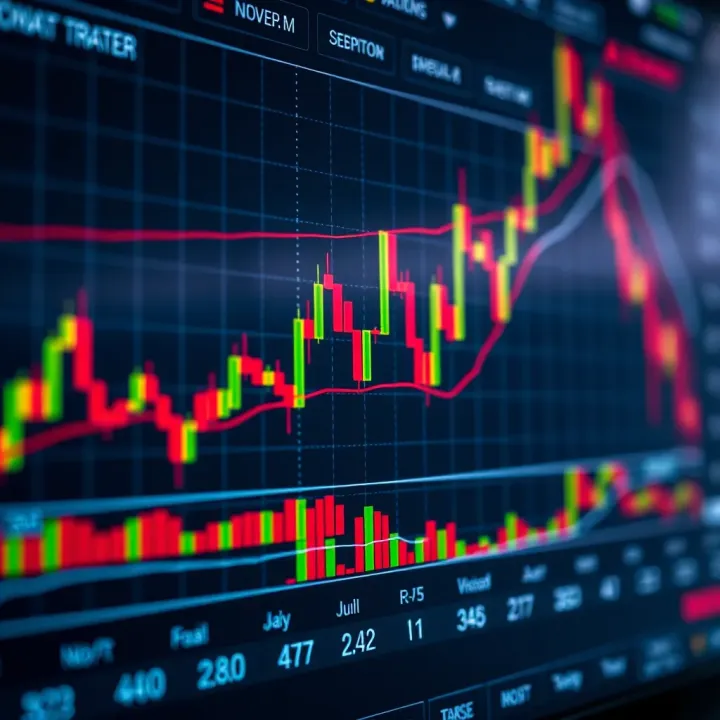
Understanding the profiles of Kenya's top forex traders offers valuable lessons to anyone looking to make a mark in the local forex market. These profiles reveal not just their trading styles but also the mindset and approaches that set them apart. By studying their journeys, traders can learn practical ways to navigate the challenges unique to Kenya, like market fluctuations influenced by local economic news or shifts in global currencies such as the USD and EUR.
Experienced Kenyan forex traders usually adopt distinct trading styles tailored to their risk tolerance and market understanding. For example, some prefer scalping, making quick trades that last seconds or minutes to benefit from small price movements. Others favour swing trading, holding positions over days to capture broader market shifts, especially during major events like CBK monetary policy announcements.
Take the example of traders based in Nairobi's bustling CBD, who often combine technical analysis tools like Moving Averages and Relative Strength Index (RSI) with local economic data to time their trades. Such blend of technical and fundamental analysis reflects a style that is not just about charts but also about real-world information.
Kenya's forex trading scene has produced many success stories that inspire others to stay committed and adaptive. One trader from Mombasa, starting with a modest KS0,000, reportedly grew his capital to KS million within a year through disciplined risk management and continuous learning. He relied on a strict stop-loss regime to protect against big losses and refined his strategy after reviewing each losing trade.
Success in forex trading in Kenya often hinges on adapting to the market's unpredictability and consistently applying sound money management. It is not about luck but about resilience and education.
From such stories, new traders learn that patience matters more than fast profits. Many also emphasize the importance of engaging with Kenya’s active forex communities, both online and offline, such as forums or meetups in Nairobi and Kisumu. This peer interaction helps traders exchange insights about brokers, platforms, and emerging market trends.
By profiling these traders, we step beyond theory to see practical strategies and attitudes that truly work in Kenya's unique forex environment.
Successful forex traders in Kenya rely on clear, proven strategies to navigate the market’s volatility and maximise their profits. These strategies typically revolve around technical analysis, disciplined risk management, and emotional control. Understanding how top traders apply these elements can offer valuable lessons for anyone looking to enter forex trading with confidence.
Leading Kenyan traders often depend on technical analysis to read market patterns and make informed decisions. They use tools like moving averages to identify trends, and Relative Strength Index (RSI) or MACD (Moving Average Convergence Divergence) indicators to spot potential entry or exit points. For example, a trader might watch the 50-day moving average crossing the 200-day one to confirm a bullish trend before opening a long position. By focusing on price charts and historical data, these traders avoid guessing and instead rely on measurable signals.
Moreover, traders in Nairobi and other financial hubs often combine technical patterns like head and shoulders, flags, and double tops with volume analysis to back up their trades. This creates a more reliable approach and reduces chances of being misled by false signals common in the highly liquid forex market.
No strategy holds water without solid risk management, a principle well understood by Kenya’s top forex traders. They typically set stop-loss orders to limit losses and protect their capital. A trader may risk only 1-2% of their trading account on any single trade to avoid a large setback from one bad move.
Besides stop-losses, position sizing is key. For instance, if a trader has KSh 100,000, they might only expose KSh 1,000 or KSh 2,000 per trade, depending on the strategy’s volatility. This method ensures the trader stays in the game longer, even during losing streaks.
High-profile traders also diversify their trades across currency pairs to spread risk. Instead of putting all funds into the USD/KES pair, they might include EUR/USD or GBP/USD to balance exposure, especially when local economic factors affect the shilling’s performance.
Managing one's emotions separates consistent Kenyan forex traders from occasional dabblers. Fear and greed can lead to rash decisions like overtrading or ignoring exit signals. Experienced traders observe strict discipline by sticking to their trading plans, regardless of short-term ups and downs.
They cultivate patience, waiting for clear signals rather than chasing sudden spikes or dips. For instance, when the Nairobi Securities Exchange reacts to economic news, an undisciplined trader might jump in too early; the seasoned trader waits for validation.
Additionally, they maintain trading journals to record emotions and outcomes, helping to identify behavioural patterns that could undermine performance. This habit builds self-awareness — one trader recalls reducing impulsive trades after reviewing logs showed losses coincided with moments of frustration.
Top forex traders in Kenya succeed not just by their formulas but by blending methodical analysis, strong risk controls, and emotional mastery.
By adopting these technical skills, risk management safeguards, and psychological practices, aspiring forex traders can better handle the local market’s quirks. This balanced approach is what separates enduring traders from those who burn out quickly.
Forex trading in Kenya presents real opportunities but also several challenges that traders must navigate carefully. Understanding these challenges is vital for anyone looking to succeed in the market and avoid costly mistakes.
Market volatility in forex trading often spikes due to local and global economic events. In Kenya, factors like inflation rates, interest rate adjustments by the Central Bank of Kenya, and political developments — especially around election periods — can cause sharp currency swings. For instance, during the 2017 General Elections, the Kenyan shilling saw unusual volatility that caught many unprepared traders off guard. Such movements can offer profit chances but also increase risk dramatically. Traders need to stay updated on economic reports and anticipate how changes in trade balances or international commodity prices (like tea and coffee exports) affect currency pairs involving the Kenyan shilling.
Fraud remains a significant concern for Kenyan forex traders. Despite efforts by the Capital Markets Authority (CMA) to regulate forex brokers, some unscrupulous operators still target local traders using false promises of guaranteed returns or manipulative trading platforms. Cases of deposit theft, fake bonuses, and refusal to withdraw funds have been reported. It’s crucial to verify that a broker is licensed by CMA or recognised international bodies before investing. Trustworthy brokers like FXPesa or HotForex operate legally and offer transparency in their dealings. Traders should also be wary of unsolicited offers on social media or WhatsApp, as these often lead to scams.
A major hurdle for many Kenyan forex traders is access to accurate information and quality education. While the internet offers a wealth of forex resources, separating reliable insights from misleading or outdated content can be tough. Many aspiring traders fall into traps due to lack of training or overreliance on anecdotal success stories. The good news is that educational programmes and webinars tailored for Kenyan traders are growing, often offered by reputable brokers or independent trainers. Joining local forex communities on platforms like Telegram or attending workshops in Nairobi can also bridge the knowledge gap. Continuous learning equips traders with skills to interpret charts correctly and manage risks effectively.
Tackling these challenges head-on involves vigilance, due diligence, and a commitment to learning — key steps to build confidence and resilience in Kenya's vibrant forex space.
Navigating these challenges wisely can separate serious traders from those merely chasing quick wins. With the right approach, the Kenyan forex market offers solid chances for growth alongside manageable risks.
Starting out in forex trading without proper guidance is like setting off on a long journey without a map. For aspiring traders in Kenya, having practical advice can save time, cut losses, and improve chances of success. This section focuses on key areas that beginners must prioritise: choosing the right broker and trading platform, building a solid trading plan, and committing to continuous learning alongside community engagement.
Selecting a broker is the first critical step for any trader. In Kenya, the market has many brokers, but not all are regulated or reliable. It's important to pick brokers licensed by the Capital Markets Authority (CMA), as this offers a layer of protection against fraud. For example, local traders often prefer brokers like FXPesa and HotForex, which are well-regulated and offer localised support.
Trading platforms must be user-friendly and stable. MetaTrader 4 and MetaTrader 5 remain popular choices because they offer extensive charting tools and automated trading capabilities. However, platforms like cTrader also gain traction for their intuitive interface especially for those learning technical analysis. Always test platforms via demo accounts before committing real money. This reduces surprises and allows getting comfortable before live trading.
Many new traders jump into the market without a clear plan and lose money fast. A trading plan outlines your entry and exit strategies, risk tolerance, and profit targets. For instance, you might decide to risk only 1% of your capital per trade and target a 2:1 reward-to-risk ratio. This discipline prevents emotional decisions, which lead to impulsive trading.
Successful Kenyan traders often recommend writing down your strategy and reviewing it weekly to adjust for market changes. Consistency is key — if your plan says to close a losing trade at a certain loss, do not hesitate. Stubbornly holding losing positions is a fast way to wipe out your account.
"A plan is your trading GPS. Without it, you’re likely to get lost in market noise."
Forex markets are always evolving, so staying updated through continuous learning is necessary. New traders should follow reputable sources such as CMA updates, forex education websites, and Kenyan financial news platforms. Workshops and webinars offered by brokers and financial trainers in Nairobi and other major towns provide valuable hands-on experience.
Being part of a trading community helps too. Groups on Telegram or WhatsApp where Kenyan traders share charts, ideas, and warnings on scams can be very useful. Besides, engaging with experienced traders offers mentorship opportunities and motivation during challenging stretches.
In summary, aspiring Kenyan forex traders enhance their chances by choosing trustworthy brokers, sticking to a well-crafted trading plan, and staying connected with learning resources and peers. These practical steps build a strong foundation to trade forex confidently and sustainably.
Explore Kenya's top forex traders 🌍, their proven strategies 📈, challenges faced 🚧, and expert tips 🧠 to boost your trading skills locally.

Discover how successful forex traders in Kenya manage risks, use tech tools 📱, and navigate local rules to maximise profits in the dynamic forex market.
Explore how forex bots automate trading in Kenya, their benefits and risks, plus tips on choosing the right tools to boost your forex trading game 🚀📈
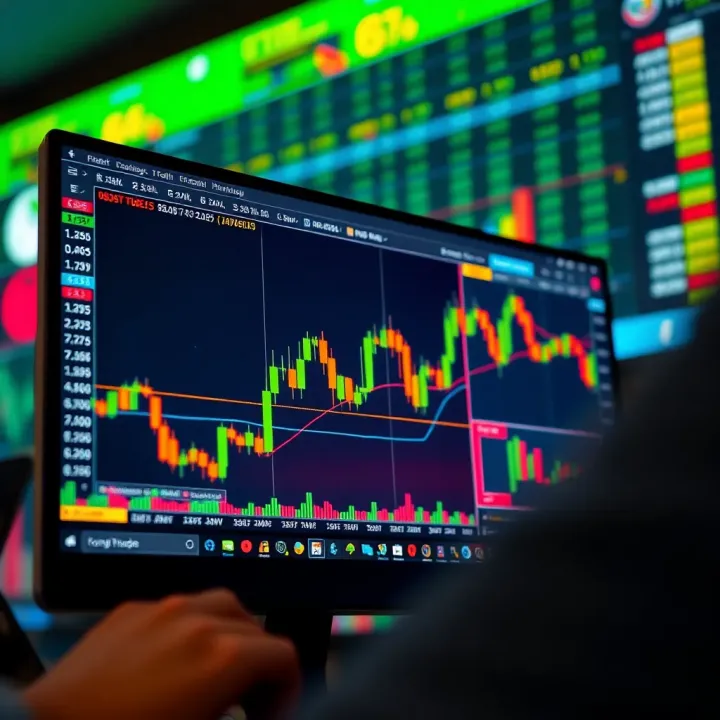
📈 Learn how Kenyan traders can start online forex trading safely with tips on platforms, strategies, regulation, and M-Pesa payments. Trade smart, earn well!
Based on 8 reviews