

Top Trading Bots for Kenyan Traders: A Practical Guide
Explore top trading bots for Kenyan traders 📈. Learn how they work, key features, security tips 🔒, legal insights ⚖️, and smart choices for automation.
Edited By
James Carter
No loss derivative bots are automated tools that crypto traders use to protect themselves from losing money when trading derivatives. These bots aim to keep your trading position safe by managing risks automatically, even when the market is highly unpredictable.
In simple terms, a derivative is a financial contract whose value depends on the price of an underlying asset, such as Bitcoin or Ether. Trading derivatives allows investors to speculate on price movements without owning the actual cryptocurrency. However, derivatives come with high risks, including the possibility of losing your full investment. That's where no loss derivative bots come in.

These bots operate by setting up trades that limit potential losses or even guarantee no losses, using strategies like automatic stop losses, hedging positions, or dynamic adjustment of trade sizes based on market behaviour. For example, a bot may open opposite positions to offset a loss or close trades once a certain loss threshold is reached.
No loss derivative bots do not promise guaranteed profits but focus on reducing or eliminating losses through measured, risk-aware automation.
Some traders in Kenya use these bots alongside platforms like Binance or BitMEX, integrating them via APIs. The bots continuously monitor market prices and execute trades faster than humans can, often reacting to sudden price drops or spikes instantly.
However, while these bots sound appealing, it's important to understand their limitations. Market liquidity issues, sudden crashes, or technical failures can still lead to losses. So, usage requires caution, proper configuration, and understanding of underlying trading principles.
Automatic loss cutting through stop-loss orders or liquidation triggers
Hedging strategies that balance positions to reduce exposure
Continuous monitoring of price movements and volatility
Adjustable parameters to suit individual risk tolerance
For Kenyan traders, using such bots can offer a safer introduction to the often volatile derivatives market. Still, no substitute exists for thorough knowledge and careful risk management. Always start small, test strategies, and keep an eye on how the bot performs before committing large amounts.
This article will guide you through the workings, benefits, and what to watch out for when using no loss derivative bots in crypto trading.
No loss derivative bots are specialised automated trading systems designed to handle derivatives in cryptocurrency markets with minimal or no losses. In a trading environment known for volatility and sudden price swings, these bots provide traders—particularly those in Kenya—a way to manage risks more efficiently. Instead of manually monitoring trades around the clock, these bots execute strategies automatically, aiming to protect traders’ capital while seizing profit opportunities.
Understanding what no loss derivative bots do is essential before using them. They are not magic solutions that guarantee profits, but they do help reduce emotional mistakes and enforce disciplined trading. For example, a Kenyan trader dabbling in Bitcoin futures might use a no loss bot to automatically adjust stop-loss orders in real time, avoiding significant drawdowns if the market suddenly drops.
Automated trading in derivatives markets involves software programs that buy and sell derivative contracts—like futures or options—without needing constant human intervention. These bots follow pre-set rules or algorithms to exploit price movements on exchanges like Binance or Bybit. For traders, this means operations continue 24/7, capturing minute market moves that manual trading could easily miss, especially when balancing other daily commitments.
Types of derivative bots commonly used include trend-following bots, arbitrage bots, and hedging bots. Trend-following bots detect market momentum and trade in the direction of price moves; this can work well during strong price trends. Arbitrage bots look for price differences across exchanges to earn risk-free profits but require speed and precision. Hedging bots are designed to offset losses from other open positions, often used to balance risk in unstable markets.
How no loss strategies differ from traditional trading is mainly in their focus on risk control. Traditional trading often centres around maximising potential returns, accepting some level of loss as a cost of doing business. No loss strategies, however, aim to eliminate or reduce losses drastically through techniques such as automatic rebalancing, hedging, or setting tight stop losses. This approach is especially attractive for risk-averse traders or those new to derivatives.
Goals and expectations from no loss bots revolve around capital protection and steady gains. Users should expect these bots to limit downside risks and avoid wiping out their investment in a single bad trade. However, no loss doesn't mean risk-free; market shocks or technical issues may still cause losses. Still, a no loss bot helps ensure that such events don't have devastating impacts on a trader’s portfolio.
A no loss derivative bot is like having a fundi constantly adjusting your trades to avoid big losses, allowing you to stay in the game longer and grow your capital steadily.
In Kenya's fast-developing crypto market, these bots offer practical tools to balance risk and reward, especially for those who cannot constantly monitor markets. Understanding how these bots work and what they promise allows traders to make informed decisions and avoid unrealistic expectations.
Understanding how no loss derivative bots operate is vital for traders who want to use these tools effectively. These bots are not magic; they rely on carefully programmed mechanisms and strategies to manage risks and maximise potential gains. By automating decisions and executing trades at speed, they help to reduce human error and emotional biases, which often lead to losses in crypto trading.
No loss derivative bots prioritise risk control to protect your investment capital. They achieve this by using a mix of methods such as dynamic stop losses and position adjustments based on real-time market data. For example, if a certain trade starts to head towards losses beyond a set threshold, the bot automatically cuts the position to prevent further damage. This kind of risk containment is not easy for human traders who might hesitate or act too late.
Hedging allows these bots to offset potential losses on one position by taking another opposing position in the market. For instance, if the bot buys a derivative contract expecting the price to rise, it might simultaneously short another related asset as a hedge. Arbitrage plays a role when the bot identifies price differences for the same asset across different exchanges, buying low on one and selling high on another to lock in profits without exposure to market swings. Both strategies require swift, automated execution to work effectively.
These bots operate round the clock, scanning markets and executing trades instantly when conditions meet their programmed criteria. The automation removes delays common with manual trading and enhances precision. For example, when a bot detects a favourable price movement or the right moment to exit a trade, it acts immediately, which is crucial given the volatility in cryptocurrency markets.

A common strategy is to set clear stop-loss and take-profit points before entering a trade. The bot sticks to these limits strictly, locking in profits once the take-profit level is hit and stopping losses early by exiting trades reaching the stop-loss. This disciplined approach helps avoid catastrophic losses that are quite common in crypto derivatives due to sudden price swings.
No loss bots often take advantage of market volatility to secure gains. During sharp price movements, they can execute many small trades, capitalising on fluctuations rather than holding for long-term trends. This approach is especially useful in cryptocurrencies, where prices can swing wildly within minutes. By profiting off these movements and avoiding the big losses, the bots deliver more consistent returns.
These bots carefully adjust the size of each trade relative to the total capital and current market risks. Instead of committing large amounts on a single bet, they break trades into smaller parts with frequent executions. For example, a bot using KSh 100,000 might place several trades of KSh 5,000 each, increasing flexibility and spreading risk. This frequent trading helps accumulate profits gradually while keeping exposure under control.
Automated derivative bots are tools that, when understood and used well, can bring discipline and risk control to the intense world of cryptocurrency trading.
By knowing these operational details, Kenyan traders can better assess which no loss bots suit their needs and how to integrate them safely into their trading routines.
Using no loss derivative bots in cryptocurrency trading comes with clear benefits but also some risks that Kenyan traders need to understand. While these bots offer advanced tools to navigate derivatives markets safely, it's important to be aware of what they can and cannot guarantee. This section sheds light on key advantages and potential drawbacks, helping you make better trading decisions.
No loss derivative bots eliminate emotional decision-making, which is often the downfall of many traders. When trading manually, fear and greed tend to influence poor timing or risky moves, especially during market swings. Bots execute trades based on preset rules, removing human impulses. For example, during the ups and downs of Bitcoin prices, a bot will stick to its algorithm and close a position without hesitation, unlike a human who might hold on hoping for better results.
This reduction in emotional bias helps Kenyan traders stay disciplined and consistent. In a market famous for its volatility, where decisions taken in haste can lead to major losses, automated bots bring calm and precision.
Cryptocurrency markets operate round the clock, unlike traditional stock exchanges. For Kenyan traders juggling day jobs or other commitments, watching prices all day is near impossible. Automated bots monitor market conditions and execute trades every hour, seven days a week without breaks or fatigue.
This continuous presence means no opportunity slips by unnoticed. Whether it’s a sudden spike in Ethereum or a dip in the NSE listed Bitcoin ETF, bots can react immediately—something a human trader often cannot achieve. This especially benefits busy traders in Nairobi or upcountry towns who rely on automation to stay competitive.
While no trading strategy guarantees profits, no loss bots aim to minimise losses and preserve capital through controlled risks. By applying tight stop-loss orders and hedging strategies, these bots focus on steady, incremental gains rather than risky bets.
For instance, a bot trading Bitcoin derivatives might close positions quickly when profits hit a set point and exit losing trades early to protect funds. Over time, this disciplined approach may give Kenyan traders more predictable, if modest, returns compared to manual trading that can swing wildly.
No loss derivative bots perform based on historical data and programmed strategies, which struggle during unexpected events—so-called black swan incidents. Examples include sudden legislative bans on crypto in a country or flash crashes due to large sell-offs.
In such times, the bots might fail to react properly, causing losses despite the no loss claim. Kenyan traders should remember these tools are not foolproof shields against all market shocks.
Bots depend on computer code and internet connectivity. Software bugs, server downtimes, or connectivity issues can disrupt operations, leading to missed trades or incorrect executions. Imagine a bot failing to exit a losing position because the algorithm hits a glitch.
Kenyan traders need to prepare for such risks by using reliable providers, keeping track of bot activity, and avoiding full reliance on automation.
Trading bots often come with subscription fees, commissions, or profit-sharing arrangements. These charges reduce net earnings. For instance, a bot provider might take 1-2% of successful trades as fees.
Besides direct costs, active trading by bots can incur higher transaction fees on some crypto exchanges. Without careful cost management, gains can be eaten up, especially for smaller Kenyan investors.
While no loss derivative bots offer valuable tools, successful trading depends on balanced expectations, understanding their limits, and complementing automation with sound market knowledge.
Selecting and using a no loss derivative bot carefully is key to protecting your investments in volatile cryptocurrency markets. While these bots aim to minimise losses, their effectiveness depends greatly on factors such as provider reliability, platform compatibility, and security. Kenyan traders, especially those new to automated trading, need to be cautious and deliberate before adopting these tools.
It’s critical to investigate the background of the bot provider before handing over any funds. A reputable provider usually has a transparent performance history, verified user reviews, and preferably some form of regulatory oversight or compliance certification. For example, a provider with a steady record of profitability and few complaints offers more trustworthiness compared to one promising unrealistic returns without any proof.
Avoid platforms with vague or unverifiable claims. Check online forums, trading communities, and even local networks for feedback. Kenyan traders should also be wary of bots promoted heavily on social media with little substantive info—instead, opt for those with demonstrated real-world results.
Not all bots work smoothly across all exchanges or platforms. Some bots integrate well with global exchanges like Binance or Bitstamp, while others specialise in platforms widely used by Kenyan traders. Before committing, verify that the bot supports your preferred trading platform and that it offers seamless API integration.
For instance, if you mainly trade on Binance, ensure the bot’s functionalities are fully compatible without restrictions. This avoids execution delays or failures that can lead to missed opportunities or unintended losses.
Crypto derivatives trading involves significant financial risks, so security cannot be overlooked. Confirm that the bot provider takes user privacy seriously and employs robust security practices such as two-factor authentication (2FA), encrypted data transmission, and cold storage for funds if custodial.
Kenyan traders should also verify that the bot does not request unnecessary permissions or personal information. The safest bots never require your private keys but rather use read-only API keys to execute trades. Protecting your data and funds helps you avoid scams and hacking incidents that have targeted less vigilant traders.
It’s wise to begin testing a no loss bot with a small portion of your trading capital. This limits potential losses if the bot behaves unexpectedly or market conditions turn sour. For example, investing KSh 10,000 initially allows you to monitor performance without risking significant funds.
Once familiar and confident in the bot’s behaviour, you can gradually increase the investment. This cautious approach suits Kenyan traders who typically manage tight budgets and want to avoid unnecessary financial strain.
While bots automate trading, they are not foolproof. Regularly checking the bot’s trades, profit/loss reports, and settings helps identify any errors or unexpected behaviour early. This is particularly important during high volatility periods common in crypto markets.
If performance deviates from expectations or if the bot freezes due to technical glitches, quick action can prevent losses. Combining automation with human oversight gives Kenyan traders better control over risk.
No loss bots rely on price movements and market trends, so knowing the current market environment improves decision-making. For instance, during sharp downturns or sudden regulatory news affecting cryptocurrencies in Kenya or globally, bots may not respond as intended.
Staying updated through trusted crypto news sources and local trading forums lets you adjust bot parameters or temporarily pause trading. Understanding market forces ensures you don’t blindly rely on automation but use it as part of an informed strategy.
Automation can aid trading but never replaces understanding market risks. Approach no loss derivative bots with care, good research, and active involvement to protect your capital effectively.
Understanding the legal and regulatory framework around trading bots in Kenya helps investors avoid pitfalls and trade confidently. As automated trading tools become common in cryptocurrency derivatives markets, Kenyan traders must be aware of local rules that govern these technologies. This section breaks down the regulatory landscape and suggests best practices to stay compliant.
Kenya’s capital markets regulations aim to protect investors from fraud and maintain market integrity. The Capital Markets Act governs all securities trading within the country, including derivatives. While the Act does not explicitly mention cryptocurrency derivative bots, its principles on transparency and fair market conduct still apply. For example, any platform or bot provider operating within Kenya must not mislead users or manipulate markets.
The Capital Markets Authority (CMA) enforces these rules and supervises financial services, including emerging technology in trading. The CMA regularly updates guidelines to reflect new trends, like digital assets and automated trading. Kenyan traders using derivative bots should across the CMA’s notices because the regulator may require registration or impose operational standards on service providers.
Crypto derivative trading in Kenya faces unique challenges. Currently, cryptocurrencies themselves lack full legal recognition, which creates uncertainty for bots trading crypto derivatives. Despite this, the CMA has warned investors against unregulated crypto products but also encourages legitimate innovation through sandbox environments. Traders should verify that any derivative bot dealing with crypto operates under an authorised framework or risk penalties and losses from scams.
Bot providers offering services to Kenyan traders must often obtain local licensing or partner with licensed entities. This requirement helps weed out fraudulent operators who might otherwise exploit users. For instance, providers registered under the CMA have to meet strict capital requirements and technology standards, ensuring better security and reliability.
Protecting investors comes from both regulation and self-education. Traders should only use bots with transparent track records and clear terms of service. Kenyan investors must look out for suspicious platforms promising guaranteed profits or asking for upfront deposits without proper oversight. Awareness of scams is crucial since no bot can fully eliminate market risks.
Tax compliance is another key consideration. Gains from crypto derivative trading and related automated activities are taxable under Kenyan law. Traders should keep detailed records of all transactions and report earnings during tax filings with the Kenya Revenue Authority (KRA). This practice helps avoid fines and facilitates smoother financial audits.
Following Kenya’s legal guidelines on trading bots not only protects your capital but builds trust in the growing digital asset market. Staying informed about regulatory updates ensures you trade smarter and safer.
By understanding both current regulations and adopting best practices, Kenyan traders can confidently navigate the mechanics and risks of no loss derivative bots in crypto markets.
Explore top trading bots for Kenyan traders 📈. Learn how they work, key features, security tips 🔒, legal insights ⚖️, and smart choices for automation.

📈 Discover practical derivative trading strategies tailored for Kenya. Learn key concepts, risk management, and access helpful PDF guides to boost your trading skills.
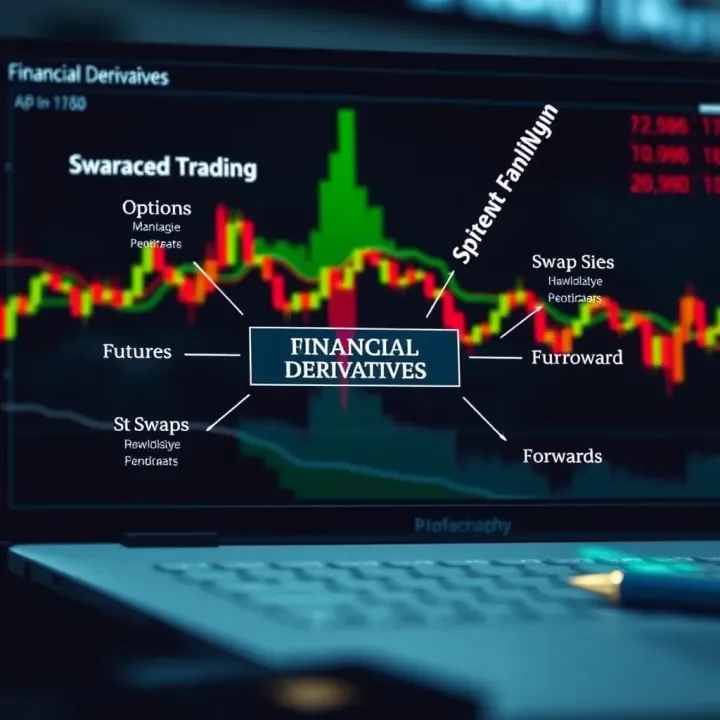
Explore how derivative trading works 📈, key types & strategies, risks, regulations, and its impact on Kenya's financial markets for traders & institutions.

💹 Explore crypto trading in Kenya with this practical guide covering platforms, market tips, risks, and regulations to trade responsibly and smartly.
Based on 9 reviews