
Top Trading Bots for Kenyan Traders: A Practical Guide
Explore top trading bots for Kenyan traders 📈. Learn how they work, key features, security tips 🔒, legal insights ⚖️, and smart choices for automation.
Edited By
Oliver Bennett
Forex trading bots have reshaped how traders operate in the foreign exchange (forex) market worldwide, including Kenya. These automated systems scan the market and execute buy or sell orders according to pre-set rules without needing constant human input. This allows traders to manage trades more efficiently, even outside regular business hours.
In Kenya, where access to digital tools and internet connectivity continues to improve, more traders are turning to forex bots to navigate the volatile currency market. Unlike manual trading, these bots can react swiftly to market changes, sometimes executing trades within milliseconds — a speed human traders can't match.
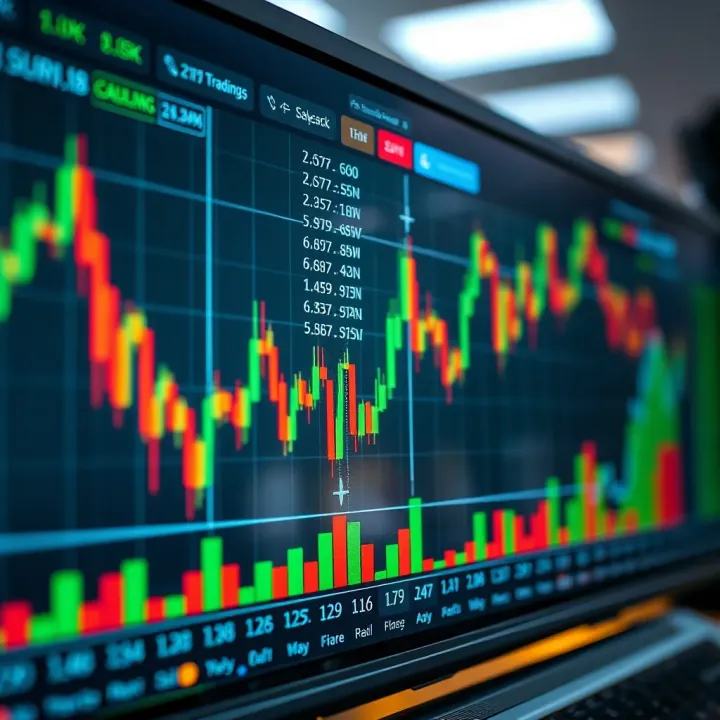
That said, understanding how these bots function and their role in the Kenyan trading scene is essential before trusting them with your money. Forex bots use algorithms devised from technical indicators like moving averages, RSI (Relative Strength Index), or more complex models incorporating machine learning to predict price movements.
They come in various forms:
Rule-based bots: Execute trades following strict conditions, such as entering a trade when the price crosses a moving average.
Signal-based bots: Rely on alerts from third-party services to decide when to trade.
Adaptive bots: Use artificial intelligence to learn from past market behaviour and adjust strategies.
It's worth stressing that while these bots can handle routine tasks and reduce emotional trading errors, they are not foolproof. Kenyan traders must consider local market conditions, broker reliability, and internet stability when integrating bots into their strategy.
Using forex bots means you can operate continuously, even when asleep or away. However, bots depend on quality data and solid strategy programming. A poorly configured bot might trigger frequent losses. Therefore, thorough testing using demo accounts before moving to live trading is vital.
In summary, forex trading bots offer Kenyan investors a way to boost efficiency and potentially raise profits. Yet, they require careful selection, consistent monitoring, and a clear understanding of their mechanics to navigate the forex market successfully.
Forex trading bots automate the process of buying and selling currencies on the foreign exchange market. These are computer programs designed to execute trades based on predefined rules and strategies without needing constant human intervention. For Kenyan traders, understanding how these bots work is essential because they offer a way to trade efficiently in a fast-moving market, especially when juggling jobs or other commitments.
At their core, forex trading bots monitor currency pairs and market conditions continuously, placing trades automatically when certain criteria are met. For instance, a bot could be programmed to buy the US dollar against the Kenyan shilling (USD/KES) if its value falls below a certain level and then sell when it reaches a target profit. This removes the need for traders to watch charts all day and react instantly. The bots are only as good as their programming and the data fed into them, so setting clear parameters is crucial.
Trend-following bots focus on spotting and riding market momentum. Suppose the EUR/USD currency pair starts rising steadily during the trading day due to positive economic news from the Eurozone. These bots detect this upward trend and execute buy orders, hoping the price will continue to climb. The benefit here is simple — they aim to make profits by riding the wave of existing market movements, reducing the risk of entering against the flow.
Arbitrage bots scan multiple forex platforms simultaneously to find price differences for the same currency pairs. For example, if the GBP/USD rate differs slightly between two exchanges, the bot buys at the cheaper rate on one platform and sells at the higher rate on the other, pocketing the margin. While these opportunities can be low margin, they tend to carry less risk if executed swiftly. Kenyan traders using arbitrage bots benefit from faster trade execution, a feat hard to replicate manually.
Signal-based bots receive trading signals from external sources or algorithms based on technical indicators or economic reports. Say a signal suggests a likely drop in the USD against the JPY following Bank of Japan's statements. The bot interprets this signal and acts by entering a sell position in that pair before human traders react fully. This method relies heavily on the quality and reliability of the signals.
Automation relies on software interfacing with forex brokers’ platforms via APIs (Application Programming Interfaces). These APIs allow the bots to access live market data, analyse it against their programmed rules, and send trade orders instantly. Unlike human traders, bots do not experience emotions such as fear or greed, which often cloud judgment in volatile markets. However, they are limited by their coding and require monitoring to adjust to shifting market realities. For example, Kenyan traders need to update bot parameters following major economic announcements or unexpected political events that could sway currency values.

In essence, forex trading bots offer Kenyan traders the chance to trade smarter by acting quickly, consistently, and without emotional bias, but they must be chosen and managed carefully to fit the unique local market conditions.
Forex trading bots bring several advantages, especially in Kenya’s dynamic market environment. They streamline trading processes, reduce human errors, and make forex trading accessible beyond traditional setups. As Kenyan traders navigate volatile currency fluctuations, these advantages become even more valuable.
Trading bots operate at speeds human traders can't match. When a trading signal meets the programmed criteria, bots instantly execute orders, often within milliseconds. For example, when the Kenyan shilling weakens suddenly against the US dollar following an economic announcement, a bot can respond faster than a manual trader. This quick reaction prevents missing out on profitable opportunities or limiting potential losses.
Such speed also means bots can handle multiple currency pairs simultaneously—something beyond the capacity of many individual traders. This increased efficiency helps Kenyan traders capitalise on both short-term market spikes and long-term trends without the need for constant market monitoring.
Emotions like fear, greed, or hope often interfere with trading choices. For instance, a trader might hold on to a losing position longer than they should, hoping it will rebound, or prematurely exit a profit due to anxiety. Forex trading bots eliminate these pitfalls by strictly following programmed rules.
This objectivity is particularly useful in Kenya’s forex market, where sudden economic or political news can cause rapid shifts. Bots maintain consistent behaviour, sticking to a strategy even when a trader might panic or become overconfident. That discipline can improve overall trading outcomes.
Emotional bias can be a trader’s worst enemy; bots bring discipline to an often unpredictable market.
Forex trading bots lower the barrier for those who cannot monitor markets all day or lack advanced trading experience. Many Kenyan traders juggle forex alongside other jobs or businesses—bots allow them to automate trades based on preset strategies and parameters.
New traders also benefit as bots can guide them through complex trading processes without needing deep technical skills. For example, a beginner can test a bot’s performance with a demo account on platforms like MetaTrader 4 before committing real funds.
Moreover, the use of bots reduces the need to constantly learn every new market detail, making forex trading more approachable for many Kenyans looking to diversify their income sources.
In summary, forex trading bots offer Kenyan traders speed, emotion-free decision-making, and easier access to the forex market. These benefits, however, should be balanced with an understanding of risks and proper bot selection to ensure success.
Forex trading bots offer speed and efficiency, but they come with significant risks that Kenyan traders need to understand before committing their funds. While bots automate decisions, they are not foolproof and can face challenges that may affect performance or even cause losses. These limitations revolve around market conditions, software reliability, and the necessity for ongoing supervision.
Forex markets can change rapidly, and sudden swings can throw off a bot’s calculations. Bots generally follow predefined algorithms based on historical data or technical indicators. However, extreme events like political unrest, central bank announcements, or unexpected movements in the US dollar can disrupt their strategies. For example, a bot using trend-following methods may insist on holding a position during a sharp reversal, leading to heavy losses. In Kenya's market, where global events and local news can both sway forex pairs, bots must be programmed to handle volatility or else risk making poor trades.
Like any software, forex trading bots can suffer from bugs or glitches. A tiny coding error could cause incorrect order placements or repeated trades that drain the account. Network interruptions or power outages may delay order execution, leading to missed opportunities or unintended losses. In Kenya, inconsistent internet connectivity can amplify such risks for traders relying on cloud-based bots. For instance, a bot might execute a high-volume trade because of a stuck loop during weak network hours, wiping out funds faster than a human trader would.
Even the best forex bots need frequent supervision. Markets evolve, and what worked last year might not work now. Kenyan traders must regularly review bot performance, tweak strategies, and update parameters to fit current conditions. Neglecting this can turn automated tools into liabilities. For example, if a bot was programmed to trade around specific news releases, changes in the Kenyan or global economic calendar may require adjusting those triggers. Continuous learning and adaptation ensure bots remain useful tools rather than blind trading machines.
While forex trading bots can act on your behalf, they don’t replace the need for your oversight. Understanding their risks helps you avoid costly mistakes and use them effectively in Kenya’s dynamic forex environment.
By recognising these risks and limitations, Kenyan traders can approach forex bots more realistically, combining technology with informed decision-making to navigate forex markets wisely.
Using a forex trading bot in Kenya involves more than just activating software and hoping for profits. Several key factors must be considered to ensure that the bot aligns with local market realities, legal requirements, and your personal trading goals. Failing to account for these could lead to losses or regulatory troubles. Below we examine these pivotal points to help you make informed decisions.
Kenya's Capital Markets Authority (CMA) plays a central role in regulating forex trading activities. If you plan to use a trading bot, it must operate within the guidelines set by the CMA to avoid legal issues. The authority monitors brokers and platforms offering forex services to Kenyans, ensuring they adhere to standards protecting traders from fraud and risky unlicensed operations.
For example, when choosing a bot connected to a broker, confirm that the broker is CMA-approved. Many foreign brokers might not comply with Kenyan rules, posing risks related to fund safety and dispute resolution. The CMA periodically publishes lists of authorised brokers and updates regulations that might affect automated trading, such as disclosure requirements or limits on leverage.
Running your forex bot through a CMA-regulated platform adds a layer of protection, helping ensure your trades align with Kenyan law.
Since M-Pesa dominates mobile payments in Kenya, a forex bot that integrates seamlessly with it offers real practical benefits. Depositing and withdrawing funds through M-Pesa is often faster and cheaper than using international bank transfers or credit cards. Some bot providers enable direct M-Pesa payments, so Kenyan users can quickly capitalise on trading opportunities without cash flow delays.
This feature is critical during volatile market phases when timing matters. For instance, markets can shift sharply when the Nairobi Securities Exchange updates or global news breaks. Having quick access to your trading account funds means you can adapt fast with your bot’s settings or manual intervention.
Not all forex trading bots are created equal. Picking a reliable software provider reduces risks of faulty algorithms or security breaches. Look for providers with transparent track records, preferably those whose bots have been tested in varied market conditions. User reviews and third-party audits add credibility.
Avoid free or suspicious platforms promising guaranteed returns. Instead, consider providers offering demo accounts that let you test bot performance without risking real money. For instance, some international brands allow Kenyan traders to trial their software with simulated funds up to 30 days.
Security is another major point—ensure the software uses encrypted connections and follows best cybersecurity practices. Since bots operate with access to your trading funds, software vulnerabilities can expose you to hacking or fund loss.
By focusing on regulatory compliance, payment integration, and software reliability, Kenyan forex traders can choose bots that better fit local market dynamics and security expectations. You’ll trade smarter and safer by prioritising these key factors before committing real capital to automated forex trading.
Setting off on forex trading with bots requires a clear plan to avoid pitfalls. Knowing your goals and strategies is the first step; it helps you choose bots that match your style and risk appetite. For example, if you prefer cautious, long-term trading, a trend-following bot might suit you better than one designed for quick arbitrage gains. Define what you want to achieve — is it steady income, capital growth, or diversification? Setting practical limits on losses and gains ensures you control risk instead of leaving it all to software.
Testing your chosen bot in a risk-free environment is vital. Demo accounts allow you to observe how a bot behaves without putting your hard-earned cash on the line. Many Kenyan brokers provide such virtual accounts; use these to simulate real market conditions, tweak your settings, and get comfortable with the interface. For instance, you could test how your bot reacts during Nairobi Securities Exchange trading hours when local market trends impact the forex pairs you trade. This hands-on experience helps avoid nasty surprises and builds confidence.
Security cannot be overstated when dealing with automated trading. Protect your investment by securing your login credentials and using platforms with encryption and two-factor authentication (2FA). Always pick reputable forex bot providers with transparent track records and clear support channels. Kenyan traders must be cautious of scams promising guaranteed profits. Besides platform security, consider using separate bank accounts or mobile wallets, like M-Pesa, strictly for trading transactions. This limits exposure if an account gets compromised.
Forex trading bots are tools, not magic. Proper preparation, testing, and security practices help you use them effectively and protect your investments.
In summary, start by setting clear, realistic goals and trading rules. Then, use demo accounts to test bots thoroughly within familiar market conditions. Finally, prioritise security both online and in payment systems common in Kenya to safeguard your funds. Taking these steps can help you trade forex via bots more confidently and responsibly.
Explore top trading bots for Kenyan traders 📈. Learn how they work, key features, security tips 🔒, legal insights ⚖️, and smart choices for automation.

Explore how Deriv trading bots work, setup tips, winning strategies, and risks. Get comparisons & practical advice tailored for Kenyan traders 📈🤖🌍

📈 Discover how to trade forex on Deriv with tips tailored for Kenyan traders! Learn platform features, effective strategies & risk management today.

Explore how Kenyan forex traders can use automated trading bots 🤖, learn about their benefits, risks, software choices, and legal aspects in Kenya 🇰🇪.
Based on 10 reviews