

Understanding Peer-to-Peer Systems in Kenya
Explore how Peer-to-Peer (P2P) systems change finance, trade, and info sharing in Kenya 🇰🇪. Learn about benefits, risks, and what lies ahead in this growing tech.
Edited By
Isabelle Turner
Instant funding has become a lifeline for many Kenyans facing sudden financial needs. Whether it’s a boda boda break-down, a medical bill, or a small business needing quick cash for stock, instant funding delivers money fast without the usual hassle of traditional loans.
At its core, instant funding means getting access to money almost immediately after application. In Kenya, this mainly happens through mobile platforms such as M-Pesa and digital lenders like Tala, Branch, and Okash. These platforms leverage mobile technology and data to approve small loans swiftly, sometimes within minutes.
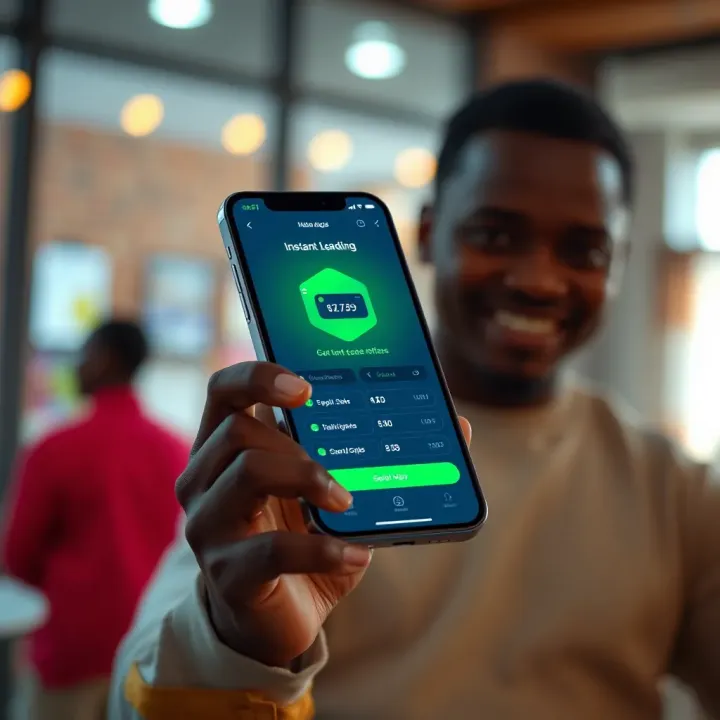
Here’s how it generally works:
User applies via app or USSD code on a mobile phone.
System assesses risk using Kenya-specific data points like mobile money usage, airtime purchases, and transaction history.
Instant decision is made whether to approve the loan.
Funds are transferred directly to the user’s M-Pesa account or mobile wallet.
Instant funding bypasses lengthy paperwork and visits to bank branches, making it ideal for urgent cash needs.
The speed and convenience have fuelled instant funding’s popularity among traders, jua kali artisans, and even salaried employees juggling daily expenses. It can help bridge cash flow gaps or meet unexpected costs quickly.
Still, users should be cautious. Interest rates are often higher than formal loans, and repeated borrowing without a clear repayment plan may lead to debt cycles. Platforms typically charge daily or monthly fees and may limit amounts based on previous repayment behaviour.
To manage this wisely:
Borrow only what you can repay on time.
Understand the interest and fees before accepting terms.
Use instant funding for genuine urgent needs, not routine expenses.
This growing sector reflects Kenya’s mobile-first economy and expanding access to financial services. Instant funding plays a valuable role but also requires users to be disciplined and informed about its costs.
In the next sections, we will explore the detailed workings of these platforms, the impact on Kenya’s economy, and tips for choosing the right instant funding options.
Instant funding refers to the quick access to money a person or business can get, usually within minutes, without the lengthy processes typical in traditional banking. In Kenya, it has become particularly useful due to widespread mobile phone usage and a growing digital financial ecosystem. This immediacy helps individuals and SMEs manage urgent financial demands like paying bills, buying stock for their shops, or handling unexpected expenses without waiting for formal loan approvals.
In Kenya, instant funding isn’t just quick loans; it’s a range of services providing near-immediate cash either as loans, credit lines, or even advances. The widespread use of mobile money platforms like M-Pesa, combined with digital lending apps, has enriched the options available to Kenyans. The key feature is speed — users need money fast and prefer easy access without piles of paperwork or visiting bank branches.
M-Pesa is the leading mobile money platform in Kenya, offering instant funding through services like M-Shwari and Fuliza. M-Shwari allows users to borrow small amounts directly via the mobile phone, with loans disbursed and repaid through their M-Pesa account. Fuliza functions as an overdraft system linked to a user’s M-Pesa wallet, letting them complete transactions even when funds fall short. These services are popular because they leverage the existing M-Pesa user base and require minimal steps to access funds.
Apart from M-Pesa services, various digital lending apps like Tala, Branch, and Okash have carved a niche in the Kenyan market. These apps offer instant loans after users permit access to their mobile data, including SMS logs, phone contacts, and transaction histories. This information feeds into their credit scoring algorithms. Borrowers receive funds within minutes once approved, making them practical for urgent cash needs, especially for people without traditional bank accounts.
Kenyan banks like KCB, Equity, and NCBA have adapted to the demand for speed by offering quick loan products through their mobile banking apps. These loans usually come with better terms than some digital lenders but may require prior relationship and basic credit history with the bank. Such facilities provide an alternative for customers who want faster access to credit backed by regulated financial institutions but still with a streamlined process.
The sharp rise in smartphone use and affordable mobile internet in Kenya has boosted instant funding services dramatically. With over 90% mobile phone penetration and steadily increasing smartphone ownership, more people can use apps and online platforms to request and receive funds. This technological foundation enables real-time communication between users and providers, critical for speedy loan approval and disbursal.
Many instant funding solutions rely heavily on connections with banks, mobile money operators, and sometimes insurance providers. This integration ensures seamless fund transfers and real-time verification of user data. For example, M-Pesa’s direct link to banks and credit bureaus enables instant loans and fraud checks. Such partnerships also support KYC (Know Your Customer) requirements while keeping processes digital and fast.

Algorithms play a central role in instant funding by evaluating an applicant’s creditworthiness quickly. Unlike traditional credit scoring, these systems analyse alternative data like mobile airtime purchases, transaction frequency, bill payments, and even smartphone usage patterns. Algorithms make it possible to offer loans within minutes, even to those without formal credit history, by using these non-traditional indicators to predict repayment behaviour.
Instant funding in Kenya harnesses mobile technology and smart data to bridge urgent financial needs efficiently, but it demands careful consideration of risks and costs involved.
Instant funding provides quick financial support which can be a lifeline in different situations for both individuals and businesses. The ability to access funds promptly helps cover urgent costs and smoothens operations without waiting for traditional loans that involve lengthy procedures.
Emergency expenses often crop up unexpectedly, such as medical bills or urgent home repairs. Instant funding offers a swift solution, letting individuals handle these pressing matters without disruption. For example, someone may access a KSh 10,000 loan through a mobile lending app within minutes, helping to quickly settle hospital fees.
For working capital in SMEs (Small and Medium Enterprises), instant funding is a practical way to maintain cash flow. Many small businesses rely on daily sales, so a delay in funding can stall operations. A kiosk owner in Nairobi's Gikomba Market might use instant loans to stock fresh supplies on short notice, preventing lost sales and keeping customers happy.
A significant portion of Kenya's population remains underbanked, lacking access to conventional banking services. Instant funding platforms offer these individuals financial access without requiring elaborate paperwork or collateral. Using mobile money platforms like M-Pesa, many people in rural areas can get quick cash advances, improving their ability to meet immediate needs.
The informal sector and jua kali workers benefit greatly from instant funding. These groups often face income unpredictability and find it challenging to access credit through formal banks. Instant loans provide support during off-peak periods or for buying essential tools. For instance, a jua kali mechanic might use instant funds to purchase spare parts, ensuring the business runs smoothly and income remains steady.
Contactless transactions have become vital, especially after the COVID-19 pandemic. Instant funding through mobile apps or platforms like M-Pesa allows users to apply for and receive money without physical visits to banks or offices. This reduces health risks, saves time, and caters to a wide user base including people in remote locations.
Additionally, 24/7 availability means that people can access funds any time they need, unlike traditional loans with limited office hours. This round-the-clock service suits urgent requirements that do not follow working hours, such as paying for school fees late at night or settling an emergency bill early morning. This flexibility makes instant funding a dependable option.
Instant funding fills crucial gaps in the Kenyan financial ecosystem by matching the fast-paced needs of individuals and businesses, helping them stay afloat during tight moments.
In summary, the speed, accessibility, and inclusiveness of instant funding make it an important tool for Kenya’s financial landscape. It supports various needs from emergencies and business growth to broader financial participation among underserved communities.
Instant funding has gained momentum in Kenya, offering a fast way to access cash. However, it's important to be aware of the risks involved before jumping in. Understanding these challenges helps prevent financial trouble and promotes wise use of these services.
Most instant funding options come with steep interest rates compared to traditional loans. For example, some digital loans may charge effective annual interest exceeding 100%, turning a small KSh 5,000 loan into a heavy repayment burden if delayed. Plus, hidden fees like processing charges or service fees can catch borrowers off guard, making the final cost significantly higher than initially expected. These costs reduce the usefulness of instant loans, especially for traders and SMEs who depend on tight cash flows.
Because instant loans are easy to access, many borrowers find themselves taking multiple loans simultaneously. This pattern leads to debt spirals where repayment of one loan requires borrowing more from another provider, trapping users in vicious cycles. For instance, a boda boda operator might take several quick loans to manage daily expenses but struggle to clear them on time due to variable earnings. Without disciplined borrowing and repayment, this can quickly escalate to non-performing debt.
Instant funding platforms collect sensitive personal and financial data to assess creditworthiness. In Kenya, where cybercrime is on the rise, weak data protection exposes users to privacy breaches. Unauthorized access or misuse of this data can lead to identity theft, fraud, or unwanted marketing calls. This risk is especially high when using several apps that share data with third parties without clear consent mechanisms.
Kenya’s Capital Markets Authority (CMA) and Central Bank of Kenya (CBK) play critical roles in regulating digital lending platforms. CMA oversees investor protection in equity-based financing schemes, while CBK regulates banks and fintech institutions offering credit products. Both institutions have issued guidelines to curb exploitative lending, including caps on interest rates and clear disclosure requirements. However, many instant funding providers operate in regulatory grey areas, making enforcement challenging. Continued efforts by CMA and CBK are necessary to bring all players under full compliance and guard consumers against unfair practices.
Consumer education remains a key gap in Kenya’s instant funding ecosystem. Many borrowers lack basic financial literacy to assess loan terms or understand the cost implications fully. Misunderstandings about loan repayment responsibilities often lead to defaults. The government and financial institutions need to expand outreach and training programmes aimed at fostering prudent borrowing habits. For example, simple tools like SMS tips on budgeting and timely repayments could help reduce loan default rates and promote responsible borrowing culture.
Awareness of risks such as high costs, data security, and regulatory limits helps Kenyan users navigate instant funding safely and maximise its benefits while avoiding pitfalls.
By knowing these challenges, traders, investors, and finance professionals can better assess instant funding’s fit for their needs and advise clients accordingly. Though convenient, instant loans should be used cautiously alongside proper financial planning and regulatory guidance.
Making wise decisions about instant funding is key to avoiding unnecessary debt and financial stress. This section guides you through the practical steps to evaluate, select, and manage instant loans in Kenya’s dynamic financial scene.
Before reaching for that quick loan, pinpoint exactly why you need the cash and how much you truly require. For example, if urgent medical bills arise, calculate the exact amount needed rather than borrowing a larger sum “just in case.” Unplanned borrowing leads to higher costs from interest and unsettled debt.
Think about whether the expense can wait or be covered in other ways, such as drawing from savings or asking family. Instant funding is a tool best reserved for clear, immediate financial gaps rather than routine expenses.
Interest rates vary widely between providers, ranging from single digits to upwards of 20% monthly. Always check both the interest and any additional fees, like processing charges or penalties for late payment. For instance, a digital lender offering a 10% monthly rate with hidden fees can end up costing more than a formal bank’s quick loan at 12% but no added charges. These costs stack up fast if you delay repayment.
Look closely at repayment periods and schedules. Some providers require full repayment within 30 days, while others allow instalments over months. Short-term loans with a single lump payment can strain your cash flow, risking default. Choose a provider whose terms fit your income cycles, such as accommodating farmers whose cash flows depend on harvesting seasons.
Checking what other borrowers say offers insight into a provider’s reliability and transparency. Look for consistent complaints about hidden fees or harsh recovery methods. Conversely, positive feedback about clear terms and helpful customer service can be a green light. Kenyan platforms like HelloPeter provide local reviews you can consult.
Create a budget that sets aside the exact loan repayment amount well before the due date. Consider daily expenses and income fluctuations; this forethought prevents shortfalls. For example, if your loan repayment is KSh 5,000 next month, adjust your spending to ensure that money isn’t used elsewhere.
Taking many loans at once may seem like a quick fix but often leads to overlapping repayments you can't meet. This situation snowballs into mounting debt and poor credit records. Stick to one borrower at a time and clear previous loans before applying for new ones.
Keeping track of your borrowing in detail and repaying diligently safeguards your reputation with lenders and keeps your finances stable.
Regularly building a small emergency fund cushions against unforeseen costs without resorting to borrowing. Even setting aside KSh 100 daily can grow into a meaningful buffer over time, ready to cover unexpected events like urgent transport or quick repairs.
Kenya’s strong tradition of group savings and loans offers a valuable alternative. Chamas or merry-go-rounds provide access to funds at lower or no interest rates and flexible repayment. Participating in these familiar groups not only strengthens community ties but also avoids the high costs associated with instant digital loans.
Using these practical guidelines, you can tap into instant funding safely without falling into debt traps, protecting your financial wellbeing in Kenya’s evolving lending environment.
Explore how Peer-to-Peer (P2P) systems change finance, trade, and info sharing in Kenya 🇰🇪. Learn about benefits, risks, and what lies ahead in this growing tech.
Discover dmpesa 📲, Kenya’s reliable mobile money service. Learn about registration, secure transactions 🔐, unique features, and its impact for everyday users & businesses.

🎉 Grab your $25 sign-up bonus with instant withdrawal! Learn eligibility, top Kenyan platforms, withdrawal tips, and how to avoid common problems. 💰

Explore how binary numbers form the foundation of computing 💻. Understand binary logic, data representation, and practical uses shaping modern digital tech in Kenya.
Based on 11 reviews