
Understanding D Mpesa: Features and Benefits
📱 Discover D Mpesa's features, benefits, and security tips for smooth transactions in Kenya. Learn how to make the most of this essential mobile money tool!
Edited By
James Archer
Mobile money services have reshaped how Kenyans handle finances, and dmpesa stands out among the options available. Targeted mainly at traders, investors, finance professionals, analysts, and brokers, dmpesa offers a straightforward yet reliable platform for everyday financial transactions and business needs.
Unlike some mobile money platforms known primarily for P2P transfers, dmpesa extends its reach with diverse functions. Users can send and receive money, pay bills, top up airtime, and even handle business payments with ease. This makes dmpesa a versatile tool, suited for individuals and businesses operating in Kenya’s dynamic economic landscape.
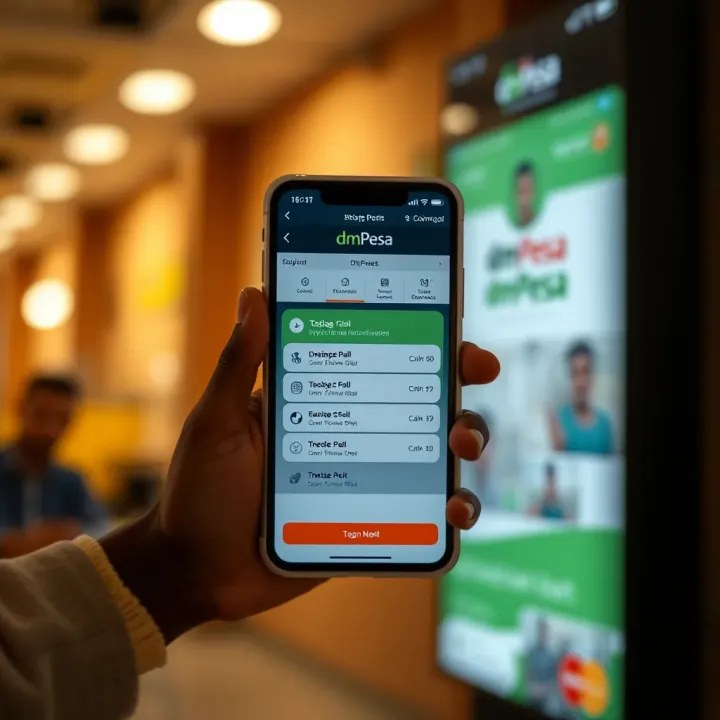
Registration for dmpesa is seamless and comparable to other popular mobile money services. Users only need a valid mobile number linked to a Kenyan SIM card and a simple registration process via a USSD code or the dmpesa app. Once registered, setting up a personal or business wallet allows for smooth transaction management.
Security remains a major plus point for dmpesa. With PIN protection for transactions, encrypted data channels, and transaction monitoring, it builds trust, particularly among traders and investors handling large or frequent funds. In fact, many small-scale business owners use dmpesa confidently to manage daily cash flows without the usual risks of carrying physical money.
For traders and finance professionals, dmpesa's balance of convenience and security supports efficient cash management while reducing overheads related to cash handling and banking visits.
In terms of impact, dmpesa strengthens financial inclusion. It empowers users beyond Nairobi’s central business areas to access banking-like services anywhere they are, including rural regions with limited bank branches. This accessibility has helped many SMEs formalise their payments and expand operations.
The platform is still evolving but already shows promising potential through partnerships with local banks and utility companies. As dmpesa grows, it addresses challenges like transaction limits and interoperability, aiming to fit even better into Kenya’s complex mobile and financial ecosystem.
In short, dmpesa delivers a practical, secure, and accessible mobile money solution tailored for Kenya’s ever-changing market needs.
In Kenya’s fast-moving financial market, mobile money services have become fundamental for daily transactions. dmpesa stands out as one of the key players in this sector, providing a mobile platform tailored to handle everyday financial needs for individuals and businesses alike. Understanding dmpesa involves looking at both its technical features and the practical ways it supports Kenya’s mobile money ecosystem.
dmpesa is a mobile money service designed to simplify financial transactions using mobile phones. Unlike traditional banking, it allows users to send and receive money, pay bills, and handle airtime purchases all through a mobile interface. This service targets both smartphone and feature phone users through USSD codes or a dedicated app. For example, a small business owner in Kisumu can quickly pay suppliers without visiting a bank or dealing with cash. The platform is built to suit the daily cash flow needs of Kenyans, especially those who prefer quick, secure, and paperless transactions.
Kenya’s mobile money space is competitive, dominated by services like Safaricom’s M-Pesa and Airtel Money. dmpesa carves its own niche by targeting specific user groups and offering flexible services that respond to market gaps. Its integration with various mobile network operators ensures wide accessibility, which is crucial since Kenya’s mobile usage spans urban centres to rural shambas.
Consumers appreciate dmpesa for features such as lower transaction fees in specific categories or quicker merchant payments tailored for SMEs and the jua kali sector. On top of that, its ability to link with business systems helps traders and finance professionals trace transaction records and manage accounts more efficiently. This alignment with real business needs sets dmpesa apart and highlights its role not just as a payment tool but as a partner in financial inclusion and economic activity.
Businesses that adopt platforms like dmpesa often see faster turnover, better record-keeping, and improved customer trust, which can be critical in today’s competitive Kenyan economy.
In summary, dmpesa’s importance lies in how it bridges digital finance with everyday actions, supporting economic growth and inclusivity in Kenya’s diverse population.
Understanding the features and functionalities of dmpesa is key for traders, investors, finance professionals, and brokers looking to grasp how this platform integrates into Kenya’s mobile money ecosystem. These features provide practical benefits, making day-to-day financial transactions easier and more secure, while supporting business growth and financial inclusion.
A fundamental service of dmpesa is the ability to send and receive money quickly across the country. This feature is especially valuable for traders who deal with suppliers or customers without cash, or for brokers transferring funds between accounts. For example, a small-scale trader in Nakuru can send payments to a wholesaler in Nairobi instantly, avoiding long waits and travel costs. This ease of transferring funds also encourages vendors and customers to embrace cashless transactions, which is becoming the norm across urban and rural Kenya.
dmpesa simplifies the process of bill payment and merchant transactions. Utilities like electricity and water, mobile airtime, and even school fees can be settled directly via the platform without standing in queues. A real-world application is a busy finance manager in Mombasa paying Nile Water bills for multiple branches through dmpesa’s interface.
Moreover, many merchants in Kenyan towns and shopping malls accept payments via dmpesa, reducing cash handling risks. This convenience encourages SMEs in the jua kali (informal) sector to adopt digital payments, expanding their customer base and improving record-keeping.
Buying airtime remains critical for many Kenyans, particularly in areas with limited internet access. dmpesa provides a quick, reliable way to purchase airtime for Safaricom and other major providers. Traders or brokers can top up their phones or those of employees on the go using the mobile app or USSD codes, keeping communication lines open without the hassle of visiting duka or kiosks.
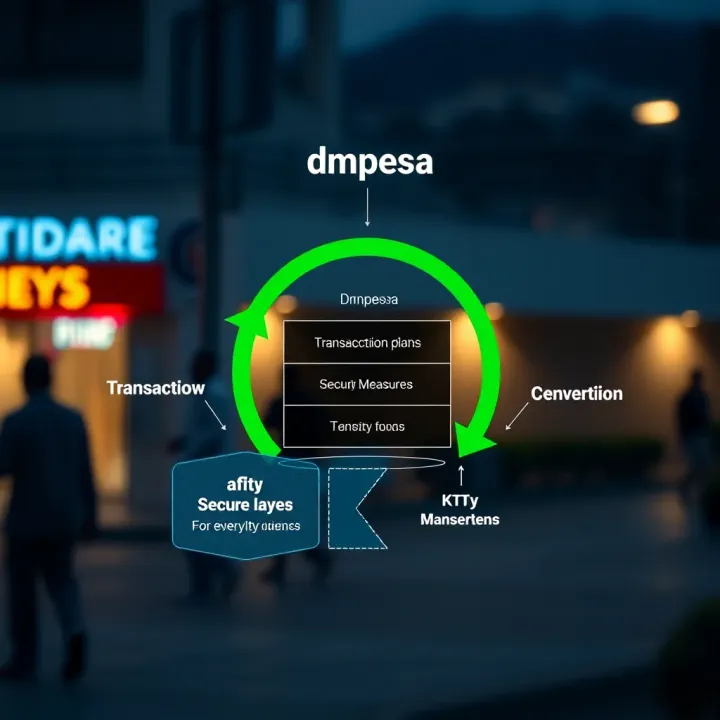
dmpesa offers both a smartphone app and USSD code functionality to cater to a broad user base. The app, designed with an intuitive layout, provides a smoother user experience for those with smartphones, including features like transaction history and personalised shortcuts. For example, a Nairobi-based investor can review multiple transaction stats on the app and make bulk payments efficiently.
The USSD option remains vital for users without smartphones or limited internet access, providing quick menu navigation using simple dialling codes. This approach ensures financial services reach all segments of Kenya's population, not just those with modern devices.
Unlike some platforms tied to specific network providers, dmpesa is compatible with major mobile networks in Kenya. This cross-network functionality broadens its reach and convenience. Traders or brokers relying on different network providers can transact without restrictions, which is crucial in diverse markets like Kisumu or Eldoret where network coverage and preferences vary.
The versatility of dmpesa’s compatibility encourages inclusivity, critical for supporting Kenya’s informal economy and expanding mobile money usage beyond urban centres.
Overall, dmpesa’s features and functionalities address practical needs for efficient money transfers, bill payments, and airtime purchases — all accessible through user-friendly platforms compatible across networks. This makes dmpesa a practical tool for finance professionals across Kenya's diverse economic landscape.
Registering and using dmpesa lays the foundation for seamless financial transactions in Kenya's thriving mobile money ecosystem. It’s essential for traders, investors, and finance professionals to understand the process, ensuring they can tap into dmpesa’s practical benefits like quick money transfers, easy bill payments, and transaction tracking. Getting set up properly also protects users against fraud and service interruptions.
To register for dmpesa, you typically need a valid Kenyan mobile number and a national ID or passport for identification. This aligns with regulations to curb fraud and money laundering. Some providers might require you to link your mobile number to a bank account for added convenience, especially for larger transactions. For example, a small-scale trader might use their ID and phone number to register, while a business investor might link a bank account for smoother payments.
The registration process usually starts by dialing a specific USSD code on your mobile, similar to how Safaricom’s M-Pesa works. You’ll follow prompts to input your details and create a secure PIN, which acts as your transaction password. In some cases, you can also register through the dmpesa mobile app by filling out your information and verifying your phone number. Once done, you receive confirmation via SMS, and your account is ready for use. Businesses often register multiple numbers to streamline payments among their staff and customers.
Sending money on dmpesa is straightforward and fits well with Kenya’s cash-light culture. You enter the recipient’s mobile number, the amount, and your PIN, then confirm the transaction. This is especially useful for traders paying suppliers or investors transferring funds to business partners in different counties. Transactions are usually instant, saving time and travel costs.
dmpesa supports payments to a range of services—from utility bills to school fees and market traders. You can pay businesses directly using either the Till Number or Paybill options. For instance, a real estate agent may pay land rates via dmpesa, or a retailer could accept payments from customers without handling cash. This convenience also benefits the jua kali sector, where cash flow is tight and fast payment matters.
Staying on top of your account is simple through the app or USSD codes. Regularly checking your balance helps avoid failed transactions and surprises, which is critical for traders managing tight margins. Viewing transaction history allows investors and analysts to monitor cash flow and spot any irregularities early. For example, a micro-business owner can quickly verify payments received from multiple customers throughout the day.
Using dmpesa effectively requires understanding how to register and transact securely. It is not just about convenience but also about maintaining control over your money and business operations in a fast-moving economy.
Security is a major concern for anyone dealing with mobile money platforms like dmpesa in Kenya. Users want assurance that their funds and personal data are safe from theft or misuse. At the same time, easy access to reliable customer support is vital to quickly resolve issues that may arise during transactions. This section focuses on the practical security features embedded in dmpesa and the support structures in place for users.
Every dmpesa user sets up a personal identification number (PIN) that safeguards their account. This PIN acts as a gatekeeper for all transactions, whether sending money, paying bills, or checking balances. Without the correct PIN, no transaction can be completed, effectively blocking unauthorised use even if someone else gains access to the phone.
More than just a code, the PIN is a simple yet strong line of defence against fraud. For example, when a trader in Kisumu sends money to a supplier, they must enter the PIN for confirmation, preventing accidental or malicious transfers. Users are advised to pick unique PINs, not linked to easily guessed numbers like birthdays or phone numbers, to further reduce risk.
dmpesa incorporates several techniques to detect and prevent fraud. One common method is transaction monitoring, where unusually large or frequent transfers trigger alerts prompting additional verification. For example, if a retail shop suddenly sends a large sum to a new beneficiary, the system flags this for review before processing.
Additionally, limits on daily transaction amounts help reduce losses if someone manages to compromise an account. Educating users about phishing scams—particularly fake messages asking for PINs—is part of dmpesa’s fraud prevention strategy. These combined efforts help maintain trust and protect the millions relying on dmpesa for daily money needs.
dmpesa offers multiple channels for users needing assistance, including a dedicated call centre, live chat via the mobile app, and support kiosks at major city centres. For busy traders, these options ensure they can quickly reach help without spending too much time.
For instance, a Nairobi-based business owner who suspects an unauthorised transaction can call the helpline immediately to report it. The customer care team typically guides users through steps to freeze the account or investigate the issue.
Typical queries include forgotten PINs, failed transactions, or difficulties in registration. dmpesa’s support staff provides clear solutions such as resetting the PIN after verifying user identity or explaining transaction failures caused by network issues.
Importantly, users are encouraged to contact official dmpesa support rather than unofficial agents, reducing risks of scams. Prompt support not only resolves problems swiftly but also builds confidence in dmpesa’s reliability across Kenya’s diverse user base.
Security and support are the backbone of trust in any mobile money service. dmpesa’s layered protection and responsive help channels make it a dependable choice for Kenyan traders and investors alike.
dmpesa has played a significant role in shaping Kenya’s financial landscape, particularly in bringing mobile money services closer to the everyday Kenyan. Its influence goes beyond simple transactions, affecting financial habits, business operations, and economic inclusion. Looking ahead, understanding its impact and future possibilities can help traders, investors, and finance professionals make informed decisions about this evolving platform.
dmpesa has expanded financial access to millions who previously had no bank accounts. Many Kenyans in rural areas or informal settlements depend on dmpesa for sending and receiving money because traditional banks often have limited branches and demanding requirements. For example, a farmer in Kisumu can receive payment for produce directly on dmpesa without travelling to a bank branch.
This accessibility has helped bridge the financial gap by offering simple ways to save, transact, and access credit. By lowering barriers, like paperwork and minimum balances, dmpesa supports those who had been excluded from formal finance, thus fostering economic participation. Its role in connecting unbanked populations is vital, especially as Kenya aims to boost the cashless economy.
Small businesses and the jua kali sector heavily rely on dmpesa for daily operations. Vendors selling vegetables in open-air markets or boda boda operators use dmpesa to accept payments from customers, reducing the need to handle cash, which can be risky and inefficient.
The platform allows entrepreneurs to manage cash flow more effectively and access business loans through linked credit services. Take a mechanic in Eastleigh who uses dmpesa to receive payments and pay for parts, streamlining his transactions without relying on a physical bank. Such everyday integrations bolster informal sectors and promote growth in Kenya’s hustler economy.
As Kenya’s mobile money market matures, dmpesa faces growing competition from rivals like M-Pesa (Safaricom), Airtel Money, and newer fintech startups offering specialised services. Keeping users loyal means dmpesa must offer competitive fees, faster transaction speeds, and innovative services.
This competition also pushes dmpesa to expand partnerships with businesses and integrate local payment systems, ensuring it doesn’t fall behind in a crowded market. For professionals keeping track of the sector, how dmpesa adapts will indicate trends in consumer preferences and market dynamics.
The future growth of dmpesa depends on embracing technological improvements. Enhancements such as biometric authentication, artificial intelligence for fraud detection, and APIs for seamless integration with business platforms can improve security and user experience.
Moreover, integrating with other digital tools like e-commerce platforms or government services can widen dmpesa's utility. Imagine a scenario where taxpayers can pay directly through dmpesa, or small exporters can settle cross-border payments effortlessly. These steps will position dmpesa as not just a payment tool but a vital digital financial ecosystem hub.
With a foundation rooted in financial inclusion, dmpesa’s continued evolution will shape how Kenya's economy embraces digital finance, especially for underserved communities and small to medium enterprises.
📱 Discover D Mpesa's features, benefits, and security tips for smooth transactions in Kenya. Learn how to make the most of this essential mobile money tool!

Explore Deriv Hub's features, tools, and security for online trading in Kenya. Get tips on customer support and how to trade confidently 🇰🇪📊🔒
🤖 Explore Deriv Bot APK for seamless automated trading on Deriv platform. Learn features, setup, benefits, challenges & safety tips tailored for Kenyan users 🇰🇪
🤖 Explore bot.deriv.com for automated trading on Deriv.com! Learn its features, setup, safety tips, and how to troubleshoot for smoother trading.
Based on 6 reviews