

Understanding Bitcoin Price Predictions and Market Trends
Explore key factors affecting Bitcoin price predictions, from market trends to regulations and tech updates, helping Kenyan investors stay informed 📊💡
Edited By
William Foster
Gold remains one of the most sought-after investment assets worldwide, especially for Kenyan investors looking to diversify their portfolios. However, the price of gold can be quite volatile, influenced by a variety of factors both global and local. Understanding how gold price predictions are made today is vital for anyone keen on making sound investment choices.
Price forecasts rely on analysing economic indicators such as inflation rates, currency strength, and interest rates. For instance, when the Kenyan shilling weakens against the US dollar, gold prices in local currency tend to rise since gold is usually priced in dollars. Similarly, if inflation in Kenya or globally is expected to rise, investors often turn to gold as a hedge, pushing prices upward.
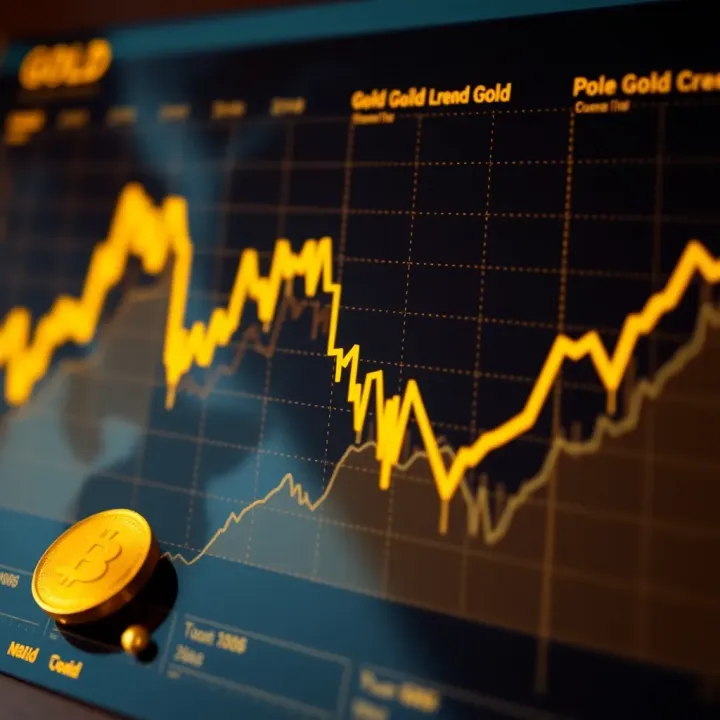
Besides economic data, geopolitical events also sway gold prices. Political instability in key mining countries or global tensions can reduce supply or increase demand, affecting price predictions. For example, unrest in South Africa or increased trade tensions in major economies often lead analysts to predict a rise in gold prices due to supply concerns or safe-haven buying.
Forecasting methods vary but commonly include technical analysis, which looks at price charts and trends, and fundamental analysis, which examines underlying economic factors. Kenyan investors should also consider emerging technologies like AI-based prediction tools, which use historical data and complex algorithms to enhance forecast accuracy.
"Accurate gold price predictions blend both economic signals and market sentiment, catering to the dynamic nature of global trade and local currency movements."
To make practical use of these predictions, investors should watch key reports such as the Central Bank of Kenya’s monetary policy announcements, US Federal Reserve rate changes, and Kenya’s inflation reports. Furthermore, using tools like M-Pesa or bank mobile apps to track real-time gold prices and alerts can help investors respond quickly to market fluctuations.
In summary, gold price predictions depend on a mix of economic indicators, geopolitical events, and analytical methods. Kenyan investors who pay close attention to these elements—while leveraging reliable technologies—stand a good chance of making better investment decisions in gold.
Understanding the current factors that affect gold prices is essential for investors to make informed decisions. Gold prices don’t move in isolation; they respond to a mix of global trends and local conditions that shift demand and supply dynamics. For Kenyan investors, recognising these influences helps in anticipating price changes, timing purchases, or knowing when to sell to maximise returns.
Gold has long been seen as a hedge against inflation. When inflation rises, the purchasing power of currencies falls; people tend to look for assets that hold value or even appreciate during such times. For instance, when Kenya experienced higher inflation in recent years, global investors flocked to gold, pushing its price up. This is because unlike paper money, gold doesn’t lose intrinsic value when inflation eats into other assets’ worth.
However, this relationship is not always straightforward. Inflation expectations can fluctuate, and sometimes gold prices might lag behind reality. In practical terms, Kenyan investors should watch both local inflation rates published by the Kenya National Bureau of Statistics (KNBS) and global inflation trends, particularly in major economies like the US and the Eurozone, since these heavily influence gold demand.
The strength of the US dollar (USD) significantly affects gold prices worldwide. Gold is priced in dollars on international markets, so when the USD strengthens, gold becomes more expensive in other currencies and demand may fall, lowering gold prices.
For Kenyan investors, the exchange rate between the Kenyan shilling and the USD matters. For example, if the USD gains against the shilling, imported gold or gold priced against the dollar looks pricier locally, which can reduce jewellery and investment demand. Conversely, a weaker dollar often supports higher gold prices globally, creating good buying opportunities if the shilling holds steady.
The value of the Kenyan shilling against foreign currencies can influence local gold prices independently of global gold price changes. When the shilling weakens—for instance, due to trade deficits or political uncertainty—imported gold costs more in local currency. This pushes retail gold prices up, affecting both investors and jewellers.
On the flip side, when the shilling strengthens, imported gold becomes cheaper, potentially lowering prices and attracting more buyers. Given Kenya imports most of its gold, currency movements significantly shape local market conditions. Traders should monitor the shilling's performance, especially against the USD, as part of their investment analysis.

Local demand for gold from Kenyan investors, jewellery makers, and cultural consumers also impacts prices. Gold has a special place in Kenyan tradition—as gifts during weddings or as wealth preservation. During festive seasons or economic uncertainty, demand surges, sometimes causing prices to spike locally.
Moreover, jewellers in places like Nairobi’s city centre and Mombasa shape market dynamics by adjusting prices based on raw gold costs and consumer behaviour. An example: when many investors turn to gold after a dip in the Nairobi Securities Exchange (NSE), this extra demand can lift local prices even if international prices remain steady.
For Kenyan gold investors, keeping an eye on local currency strength and domestic demand adds practical insight that complements global price movements, helping to optimise investment timing and decisions.
Key points to watch:
Inflation data from Kenya and major economies
US dollar strength against Kenyan shilling
Currency trends affecting imported gold costs
Seasonal and cultural demand shifts
Combining these factors helps Kenyan traders and investors understand gold price movements beyond mere numbers on charts. It grounds investment decisions in market realities experienced on the ground.
Predicting gold prices involves several techniques that help investors make informed decisions. These methods fall mainly into two groups: technical analysis and fundamental analysis. Each offers distinct insights, and together they give a fuller picture of potential price movements.
Technical analysis looks at past market data to identify patterns and trends. One popular tool is chart patterns and moving averages. Charts display price movements over time and reveal formations like head and shoulders, triangles, or flags. For example, if gold's price forms a "double bottom" pattern, it might suggest a coming upward reversal. Moving averages smooth out short-term fluctuations, showing the general trend. A common approach is watching when a short-term average, like the 50-day, crosses above a longer-term average, like the 200-day, signaling a buy opportunity.
Volume indicators and momentum are also essential. Volume tells you how many units changed hands, highlighting the strength behind a price move. Higher volume during a price rise indicates strong buying interest. Momentum indicators like the Relative Strength Index (RSI) measure the speed of price changes to spot overbought or oversold conditions. In Kenya, savvy traders watch volume spikes during key events or announcements, as these often precede price shifts.
Fundamental analysis studies the economic and supply factors behind gold prices. Supply and demand dynamics play a big role. When mine output drops or demand from sectors like jewellery or technology rises, prices can climb. For instance, if Indian and Chinese demand slows, it tends to cool global gold prices. Locally, increased buying by Kenyan investors looking to hedge currency risks also affects demand patterns.
Central bank policies and interest rates have a direct impact too. When central banks, including the Central Bank of Kenya, keep interest rates low, gold becomes more attractive since it doesn't pay interest. Low rates can push investors towards gold as a safe store of value. Conversely, rising rates often strengthen the local currency and reduce gold's appeal, lowering its price. Kenya's monetary policy decisions therefore play a key part in shaping gold price predictions.
Understanding both technical and fundamental methods equips you with the tools to read market signals more clearly and make smarter gold investment choices in Kenya's unique financial environment.
Using these approaches in combination helps investors gauge not just where gold prices might head next but also why those movements occur. This dual perspective improves timing decisions and risk management, especially in markets subject to fast-changing global and local influences.
Gold prices don't just shift because of charts and technical analysis; they often react swiftly to global and local events. Understanding these influences is key for Kenyan investors aiming to make timely and profitable decisions. Both political tensions and economic reports shape market confidence, affecting gold demand and price trends.
Regional conflicts and their impact on gold
Conflicts in any part of the world typically trigger a flight to safety, and gold often benefits from this demand. For example, during tensions in the Middle East or rising instability in regions like the Horn of Africa, investors tend to buy gold as a safe haven, pushing prices higher. For Kenyan investors, such shifts mean prices can climb abruptly even if local conditions remain steady.
In East Africa, unrest or border disputes can disrupt trade and currency stability, influencing gold prices indirectly. Investors watching these developments closely can better time their purchases or sales to avoid sudden losses. Knowing that gold traditionally holds value when paper currencies falter offers a practical edge for managing portfolios.
Trade agreements and market confidence
On the flip side, positive developments like new trade agreements can boost market confidence. For instance, when East African Community (EAC) members agree on tariff reductions, capital flows generally increase, and investors may shift funds from safe havens like gold to riskier assets like stocks. This can lower gold prices temporarily.
For Kenyan investors, it's vital to monitor both local and international trade deals because these influence liquidity and risk appetite. Countries entering trade agreements with larger economies such as China or the European Union can experience shifts in their currency strength and investment patterns, subsequently affecting gold’s appeal.
Employment and GDP reports
Economic indicators like employment rates and gross domestic product (GDP) figures provide clues about economic health. Strong employment growth in the US or China, for example, usually signals economic confidence, which can weigh on gold prices as investors prefer assets promising higher returns.
For Kenyan traders, keeping an eye on such reports helps predict gold movements. If US job numbers improve, gold might dip, offering an opportunity to buy at lower prices. Conversely, weaker figures often spark demand for gold as a buffer against economic uncertainty.
Inflation announcements
Inflation figures directly influence gold because the metal is often viewed as a hedge against rising prices. When Kenya’s inflation rate climbs, investors might turn to gold to preserve value, similarly with global inflation data, especially from major economies like the US or Eurozone.
For instance, if Kenya’s Central Bureau of Statistics reports inflation at 7% when expected was 5%, local demand for gold could surge. On the global stage, higher inflation announcements typically push gold prices up, and savvy investors use this knowledge to anticipate market moves.
Monitoring political, trade, and economic events alongside technical and fundamental analysis gives Kenyan investors a well-rounded view, helping them make informed gold investment decisions with greater confidence.
Interpreting gold price predictions is key for investors hoping to make informed decisions in Kenya’s evolving market. Predictions offer insight into potential price movements, but understanding what forecasts imply—and how to read them correctly—can help you avoid costly mistakes. The fluctuation of gold prices is affected by global and local factors, so investors need to translate forecasts into actionable strategies suited to Kenya’s economic realities.
Short-term gold price predictions generally cover daily to weekly trends, focusing on immediate market responses to events like interest rate announcements or political unrest. These predictions can be useful for traders looking to capitalise on quick price swings. For example, if a sudden inflation report from the US signals rising gold demand as a hedge, short-term traders might buy gold anticipating a price spike.
Long-term predictions, on the other hand, look months or even years ahead, considering broader economic cycles and structural shifts. Kenyan investors planning to hold gold as a safe asset over years should weigh these forecasts more heavily. For instance, if long-term analysis suggests increasing demand in emerging markets or persistent global uncertainties, holding gold could provide steady returns despite short-term volatility.
Not all gold price predictions are equally reliable. Investors should critically evaluate the origins of forecasts, preferring reports from established financial institutions, commodity analysts, and market research firms with transparent methodologies. Be cautious of sources that rely heavily on speculation or offer overly optimistic figures without explaining their basis.
In Kenya, where access to timely and accurate market data can be limited, cross-checking forecasts from several reputable platforms helps build a clearer picture. Also, monitor how past predictions from these sources have played out. Consistency and historical accuracy go a long way in trustworthiness.
Always remember, no prediction is foolproof. Use them as part of a broader decision-making process instead of relying on a single forecast.
Predictions need to be balanced with Kenya-specific market conditions, such as shilling volatility, local demand from jewelers, and accessibility to buying or selling gold. For example, even if forecasts suggest a global gold price rise, a weakening Kenyan shilling could offset gains when converting back into local currency.
Furthermore, logistical factors like transaction costs through M-Pesa or physical gold handling should influence timing and scale of investment decisions. Combining forecasts with these practical considerations leads to more realistic and profitable outcomes.
Kenyan investors should time purchases when gold prices dip after global dips or shilling appreciation. Selling when international prices peak or during domestic demand surges—for instance, before festive seasons when jewellery purchases rise—can maximise profits.
Buy from authorised dealers to avoid counterfeit risks and always confirm the purity certification. Using gold-backed investment products like ETFs on the Nairobi Securities Exchange (NSE) can also be less risky and more liquid alternatives to physical gold.
Lastly, keep updated with gold price trends on trusted platforms and consult financial advisors who understand both global markets and Kenya’s unique setting. This way, you stay ahead and make gold investments that fit your financial goals realistically.
Explore key factors affecting Bitcoin price predictions, from market trends to regulations and tech updates, helping Kenyan investors stay informed 📊💡

📈 Discover Ethereum's price trend, expert views, and market signals shaping its future. Get informed insights for savvy investment decisions in Kenya.

📈 Today’s XAU/USD forecast digs into gold price moves, reviewing market trends, economic cues, and global events shaping demand. Perfect insight for Kenyan investors.

📈 Explore Bitcoin's price forecast for the next 24 hours with key market factors, technical signals, and news insights tailored for Kenyan traders and investors.
Based on 15 reviews