

AUD/USD Forecast: Market Trends and Key Drivers
📊 Explore the AUD/USD forecast with detailed market trends, economic factors, and central bank insights. Get practical trading tips relevant for Kenyan investors! 🌍
Edited By
James Whitaker
Understanding the USD to KES exchange rate is key for anyone involved in Kenya’s financial markets, be it traders, investors, or business professionals. The value of the Kenyan Shilling against the US dollar influences imports, exports, inflation, and even daily expenses like fuel and food prices. This article looks closely at what moves the exchange rate and what you can reasonably expect going forward.
Several factors affect the USD to KES rate, with inflation rates standing out prominently. When inflation in Kenya rises faster than in the US, the Shilling tends to lose value as purchasing power drops. For example, if Kenya’s inflation is running at 7% while US inflation stays near 3%, the Shilling will likely weaken against the dollar.
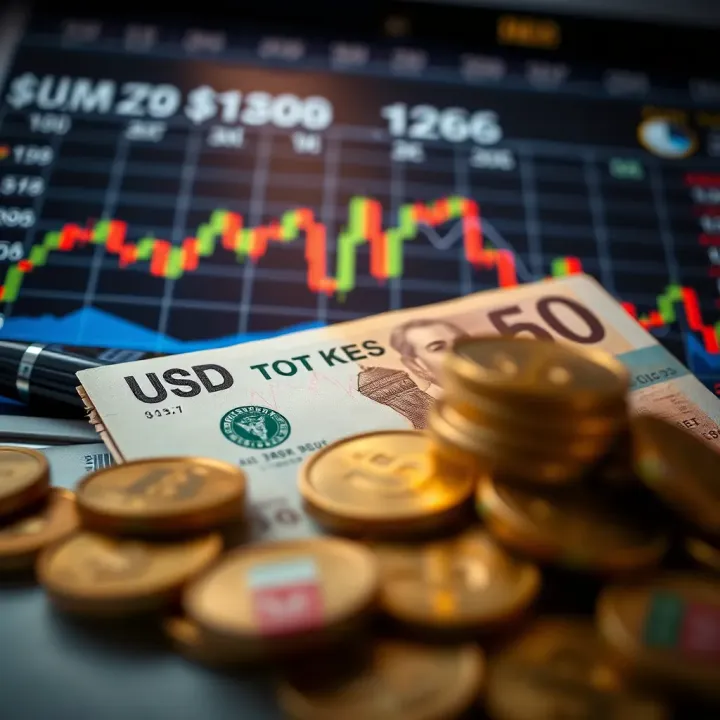
Trade balance is another critical driver. Kenya imports more than it exports, which creates constant demand for USD to pay for goods. If export revenues, especially from tea, coffee, and horticulture, drop or global markets tighten, less foreign currency comes in, putting pressure on the Shilling.
Monetary policies also influence the exchange rate directly. The Central Bank of Kenya (CBK) uses interest rate adjustments to control inflation and stabilise the currency. If CBK raises rates, it attracts foreign investors seeking better returns, supporting the KES. Conversely, lowering rates risks weakening.
Exchange rates reflect a mix of short-term speculation and long-term economic fundamentals. Keeping an eye on key economic indicators helps traders and investors make informed decisions.
Looking ahead, experts suggest a cautious approach. Global events such as US Federal Reserve decisions, changes in commodity prices, or regional political developments can shift the balance. Planning for some volatility is wise.
To manage forex exposure, Kenyan businesses and traders typically use:
Forward contracts to lock in rates ahead of time
Diversification across multiple currencies
Regular monitoring of news from CBK, KRA policies, and global markets
This context sets the stage for deeper analysis on trends, forecasts, and practical tips for managing USD to KES fluctuations.
Understanding recent trends in the USD to KES exchange rate is essential for traders, investors, and finance professionals who navigate Kenya's forex market. These trends provide a snapshot of how the shilling fares against the dollar, influenced by both local and global factors. Tracking these movements helps in risk management, pricing decisions, and forecasting future currency behaviour.
Key fluctuations and their causes
The past year has seen several notable swings in the USD to KES rate driven by mixed forces. For instance, early in the year, the shilling weakened due to rising inflation in Kenya combined with increased demand for the dollar as businesses imported goods ahead of festive seasons. Later, the Central Bank of Kenya's decision to raise the base lending rate helped stabilise the shilling temporarily. Seasonal agricultural exports and tourism also played a part, with stronger exports supporting the shilling during harvest months.
This information is vital for those looking to time their currency exchanges or hedge exposures, as recognising the timing and causes behind fluctuations can improve decision-making.
Comparing year-on-year changes
Comparing the exchange rate this year to the previous one shows a gradual depreciation of the Kenyan Shilling against the dollar. Over the past 12 months, the shilling has lost around 6% of its value compared to the previous year, reflecting persistent inflationary pressures and a widening trade deficit. This comparison offers insight into how underlying economic conditions are shifting and the potential long-term challenges the currency faces.
For analysts, these comparisons help model expected future rates and understand seasonal patterns or anomalies unique to certain years.
US economic performance and Federal Reserve policies
The US economy’s health directly affects the USD to KES rate. When the Federal Reserve raises interest rates to tame inflation, it usually strengthens the US dollar globally. This happened in the past year when a series of rate hikes by the Fed prompted a stronger dollar, putting pressure on emerging market currencies like the Kenyan Shilling. Investors tend to move capital to the US in search of higher returns, reducing demand for the shilling.
For Kenyan traders, keeping an eye on the Fed’s policy meetings and US economic indicators like employment data and inflation is critical because these often dictate short to medium-term price swings in the forex market.
Effect of oil prices and geopolitics
Global oil prices and geopolitical tensions also shape the USD to KES exchange rate. Kenya imports most of its petroleum products; thus, rising oil prices increase import bills and pressure the shilling downward. In contrast, a drop in oil prices can offer some relief. For example, fluctuations triggered by unrest in oil-producing regions or shifts in OPEC policies have recently affected Kenya's trade balance.
Similarly, geopolitical developments, such as conflicts or trade negotiations impacting the dollar’s safe-haven status, ripple through Kenya’s currency value. This is important for businesses reliant on oil or those exposed to supply chain disruptions.
Tracking recent trends with an eye on both local economic indicators and global events helps you make informed decisions and hedge risks effectively when dealing with USD to KES forex dealings.
Understanding the main drivers behind the USD to KES exchange rate is key for traders, investors, and financial professionals in Kenya. These drivers determine how the Kenyan shilling performs against the US dollar. By focusing on economic indicators and monetary policy, you can better predict currency movements and make informed decisions.
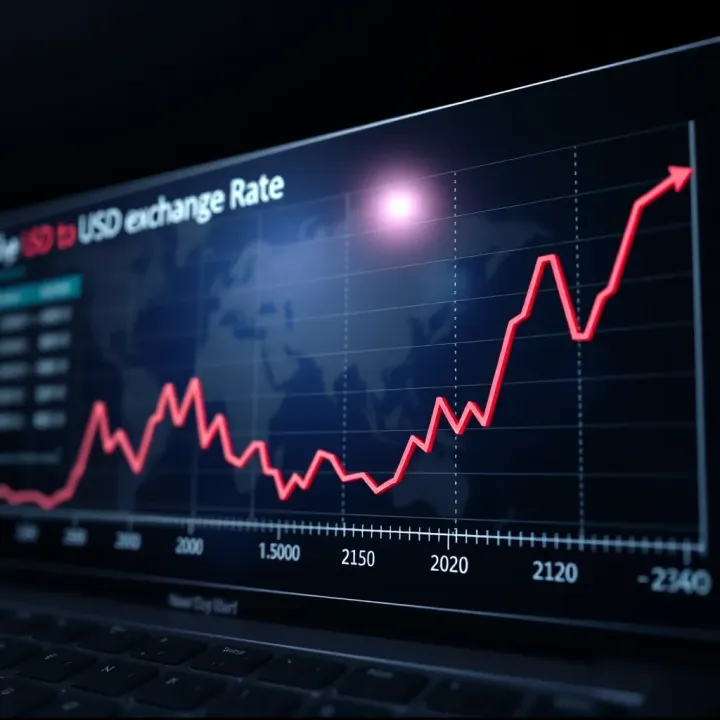
Inflation plays a significant role in shaping the exchange rate between the USD and KES. When inflation in Kenya rises above that of the US, the shilling tends to weaken because goods and services become more expensive domestically, reducing purchasing power. For example, if Kenya experiences double-digit inflation while US inflation remains low, investors might demand more dollars to hedge against the eroding value of the shilling.
Such inflation trends affect importers as the cost of foreign goods paid in dollars rises, leading to higher prices in local currency. Businesses and analysts closely watch Kenya's inflation rate, published monthly, as it signals possible shilling depreciation or appreciation.
Kenya’s trade balance also influences the USD to KES rate. A trade deficit, where imports exceed exports, means more demand for dollars to pay for imported goods. This often pressures the shilling downwards. For instance, when Kenya imports large volumes of oil and machinery, dollar outflows rise, weakening the KES.
On the other hand, healthy foreign reserves at the Central Bank of Kenya (CBK) provide a buffer to defend the shilling. If reserves are sufficient, CBK may intervene by selling dollars to support the shilling during periods of high demand. However, prolonged trade deficits can deplete reserves, limiting these options.
The CBK oversees monetary policy aimed at maintaining currency stability. It influences the USD to KES exchange rate by managing liquidity and intervening in the forex market when necessary. For example, during times of high shilling volatility, CBK has been known to sell foreign currency to tame rapid depreciation.
CBK's communication also affects market sentiment. Clear guidance on policy intentions helps traders and investors set realistic exchange rate expectations, reducing speculation.
Interest rates set by CBK directly impact the exchange rate by affecting capital flows. When CBK raises rates, Kenya becomes more attractive to foreign investors seeking higher returns, boosting demand for the shilling. Conversely, rate cuts might encourage outflows, putting downward pressure on the KES.
For example, in early 2023, an increase in CBK's benchmark rate attracted more foreign portfolio investments, which provided support to the shilling. Traders closely monitor rate decisions as signals for currency direction.
Keeping tabs on Kenya’s inflation, trade stats, and CBK's monetary moves allows you to anticipate USD to KES fluctuations instead of reacting after the fact.
By integrating these elements into analysis, professionals can sharpen forecasts and manage risks more effectively.
Forecasts and predictions for the USD to KES exchange rate are key for traders, investors, and businesses handling import-export activities in Kenya. Knowing what to expect helps in planning purchases, managing risk, and making informed decisions on when to buy or sell dollars. These projections consider economic indicators, policy decisions, and external factors shaping the shilling's value.
Short-term expectations typically focus on factors visible in the coming weeks or months, such as monetary policy moves by the Central Bank of Kenya (CBK), local inflation data, and immediate global economic events. For instance, if the CBK signals an interest rate hike to curb inflation, the shilling might strengthen briefly against the dollar as investor confidence rises. Traders watch these signals closely to capitalise on quick shifts in the forex market.
Medium to long-term projections take a wider view, forecasting the exchange rate over at least the next year or more. These outlooks consider deeper economic trends such as Kenya's balance of payments, foreign direct investment flows, and structural reforms. For example, prolonged improvements in Kenya's export sector, particularly in tea and horticulture, might bolster the shilling gradually. Conversely, persistent large current account deficits could keep pressure on the currency. Investors looking at longer horizons rely on these forecasts to adjust portfolios and hedge accordingly.
Potential impact of upcoming elections often causes significant uncertainty. Kenyan election years typically see volatility in the shilling due to political risks, changes in government policy, and investor sentiment shifts. For example, in the months leading to the 2022 general election, the shilling experienced notable swings as market participants weighed stability prospects. This unpredictability can affect businesses planning foreign payments or remittances, prompting them to secure favourable rates earlier.
External shocks and crisis scenarios remain a wildcard that can quickly overturn forecasts. Global events like sudden spikes in oil prices, conflicts impacting trade routes, or a US Federal Reserve rate adjustment can swiftly alter USD to KES dynamics. The 2020 COVID-19 pandemic highlighted how external shocks disrupt local economies and currencies. Kenyan firms and traders must therefore remain alert to such developments, keeping contingency plans ready to manage sudden exchange rate shifts.
Staying updated with expert forecasts and understanding unpredictable factors helps finance professionals in Kenya manage currency exposure better and protect their bottom lines.
CBK monetary policy announcements
Inflation and trade data
Election cycles
Global commodity and oil price movements
International interest rate changes
By tracking these, you can anticipate likely USD to KES movements and adjust your FX strategies accordingly.
Accurate forecasts of the USD to KES exchange rate play a significant role in how Kenyan businesses plan their operations and how consumers feel the pinch or relief in their daily expenses. Whether you are an importer managing costs or someone sending money to family, these predictions shape expectations and inform decisions.
Importers particularly face risks from exchange rate fluctuations. For example, a surge in the USD can push up the local cost of raw materials or electronics imported from the US or elsewhere, squeezing profit margins if prices are not adjusted promptly. Businesses often implement strategies such as pricing goods in USD to pass some of this risk to customers or negotiating longer-term contracts with suppliers to lock in favourable rates. Exporters, on the other hand, benefit from a weaker shilling as their foreign earnings convert to more Kenyan shillings, but they also face challenges when input costs rise.
To curb currency risks, a growing number of Kenyan companies explore hedging tools. Forward contracts offered by banks and forex houses allow businesses to agree on a specific exchange rate for future transactions. For instance, a flour miller expecting to pay foreign suppliers in three months might secure a rate now, protecting against sudden KSh depreciation. Other instruments like currency swaps and options exist but tend to be less accessible for smaller firms due to complexity and costs. Nonetheless, awareness and uptake are increasing as the Central Bank of Kenya and financial institutions promote forex risk management.
Since many essential and luxury items in Kenya—ranging from fuel and medicines to electronics—are imported, changes in the USD to KES rate quickly reflect in the retail prices. When the shilling weakens against the dollar, consumers often find the cost of items rising, affecting household budgets. For example, an increase in petrol prices due to a higher USD impacts transport costs and food prices, making it a direct concern for everyday Kenyans.
Kenya is one of Africa’s top remittance recipients, with many families relying on dollars sent from relatives abroad. Fluctuations in the USD to KES rate influence how much shilling a family receives when dollars are converted through M-Pesa or banks. A stronger shilling means fewer shillings per dollar, reducing the local purchasing power of remittances. Conversely, a weaker shilling magnifies the value received, which can be critical during tough economic periods. This connection makes exchange rate predictions essential for both senders planning remittance amounts and recipients managing household finances.
Predictions about the USD to KES rate don't just affect big business—they ripple through the economy, touching consumers, traders, and families alike.
Understanding these practical effects helps Kenyan businesses and consumers prepare and respond effectively to currency movements, making exchange rate forecasts a vital aspect of financial planning in today’s economy.
Managing currency risk is vital for Kenyan individuals and businesses dealing with foreign exchange, especially given the volatility between the US dollar (USD) and Kenyan shilling (KES). Sudden shifts in the exchange rate can impact costs, profits, and financial planning. Taking practical steps helps reduce exposure and protects against unexpected losses.
A forward contract locks in an exchange rate today for a currency transaction that occurs later. This strategy helps businesses and investors fix the cost of USD to KES conversion, shielding them from currency swings until the settlement date. For example, an importer expecting to pay $10,000 in three months can agree on a rate with their forex provider now, avoiding the risk of a shilling depreciation.
This certainty makes budgeting easier, especially for sectors like manufacturing or retail that rely heavily on imports. However, it requires a firm commitment to the future transaction and sometimes comes with fees or minimum amounts.
Several trusted forex providers offer forward contracts and other currency risk services. Commercial banks such as KCB, Equity Bank, and Co-operative Bank offer competitive forex products tailored to SMEs and larger businesses.
Besides banks, platforms like AvaTrade and XM provide forex trading services and tools popular with individual investors and small businesses. Safaricom’s M-Pesa business services also include options for currency conversion with relatively quick settlements. Choosing a provider depends on factors like pricing, ease of access, and customer support.
Good timing when exchanging currencies can save significant costs. Monitoring trends around known events—like Central Bank of Kenya monetary policy announcements or USD Fed interest rate changes—can guide when to buy or sell dollars.
For instance, Kenyan businesses often avoid large dollar purchases right before election periods or during global shocks when the shilling tends to weaken. Spreading out currency purchases over time rather than buying everything at once can reduce risk.
Staying updated on forex market news and economic indicators is crucial. Tools like the Capital Markets Authority (CMA) bulletins, CBK reports, and data from the Nairobi Securities Exchange (NSE) provide insight into current trends affecting the USD/KES rate.
Even small businesses can follow daily exchange rates on reputable financial websites or use mobile apps like M-Pesa and local banking apps that alert users to rate changes. Regular monitoring helps decisions stay ahead of rapid shifts and reduces reactive losses.
Consistent, informed actions—like using forward contracts, timing exchanges well, and tracking market signals—are key for successfully managing USD to KES currency risk in Kenya's dynamic forex environment.
📊 Explore the AUD/USD forecast with detailed market trends, economic factors, and central bank insights. Get practical trading tips relevant for Kenyan investors! 🌍

💱 Learn how 5000 USD converts to Kenyan Shillings, factors shaping rates, and tips to get the best deals for personal and business needs in Kenya.

Learn how to convert 5 USD to Kenyan shillings 🇺🇸➡️🇰🇪, understand exchange rate factors, find current rates 📈, and tips for smooth currency exchange.
Looking to convert 300 USD to Kenyan Shillings? 🇺🇸➡️🇰🇪 Learn about exchange rates, tracking currency, and tips for the best Kenyan financial deal.
Based on 13 reviews