
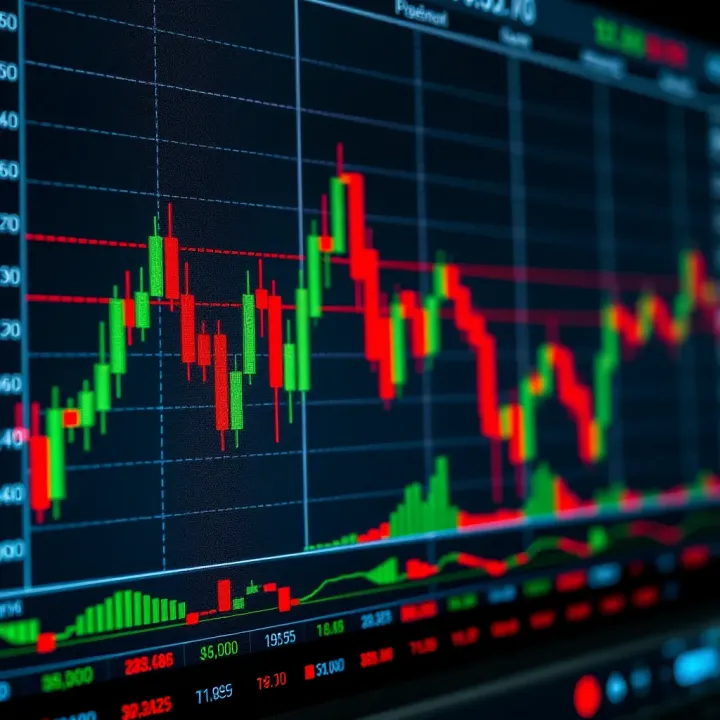
Understanding Candlestick Patterns in Trading
📊 Learn to read and analyze different candlestick types in trading charts. Understand market trends and sharpen your trading strategies in Kenya and beyond.
Edited By
Isabella Clarke
Trade patterns offer a window into the flow of goods and services across countries and regions. Understanding these patterns helps traders, investors, and analysts gauge market opportunities and risks. For instance, Kenya’s export of tea and horticultural products to the EU has shaped trade ties with Europe, while imports like petroleum and electronics from Asia influence domestic prices and industrial growth.
Trade patterns do not remain static; they evolve with changes in technology, policy, and consumer demand. Increased use of mobile payments such as M-Pesa and improved transport infrastructure like the Standard Gauge Railway have influenced trade routes and timing within East Africa. Equally, disruptions like fluctuating oil prices or global supply chain shocks ripple through these patterns.
The types of products traded also reveal sectoral strengths. Kenya’s significant flower exports contrast with the machinery and vehicles imported, showing a reliance on primary exports and manufactured goods imports. This sectoral detail aids companies in deciding whether to focus on local production or import to meet market needs.
Analysts can extract valuable insights by comparing trade data across periods and regions. For example, rising exports to China might indicate new market openings, while declining imports from a particular country could signal supply chain issues.
Reliable trade data is crucial to such analysis. Many government agencies and international bodies publish trade reports and statistics, often available as PDFs for ease of access. In Kenya, the Kenya National Bureau of Statistics (KNBS) and the Kenya Revenue Authority (KRA) provide detailed trade figures. International sources like the World Trade Organization (WTO) and United Nations Conference on Trade and Development (UNCTAD) also offer comprehensive data sets.
Accessing and interpreting these reports requires attention to detail: you should check data periods, product classifications (like HS codes), and balance of trade figures. For example, a positive trade balance in agricultural goods but negative overall might highlight imports in non-agricultural sectors driving deficits.
Understanding trade patterns at both macro and micro levels equips stakeholders to make informed decisions. Businesses can tailor strategies based on emerging markets, while policymakers can identify sectors for support or diversification.
By monitoring shifts in trade flows and the factors behind them, you gain an edge in forecasting market movements and navigating cross-border commerce effectively.
Trade patterns represent the recurring trends and behaviours observed in the exchange of goods and services between countries or regions over time. These patterns highlight what products are traded, the volume of trade, and the direction of flows. Understanding them helps reveal the economic ties that bind markets together, such as which nations consistently import specific commodities and which ones dominate exports. For example, Kenya’s export of tea to European countries and import of machinery from China form distinct trade patterns that influence its economy and trade policy.
Common trade patterns often reflect regional specialisation and resource distribution. East Africa, for instance, shows a strong pattern of intra-regional trade in agricultural products such as maize and coffee, while importing manufactured goods from Asia and Europe. Globally, South-South trade between developing countries is rising, changing traditional patterns once dominated by North-South flows. These shifts matter, especially for businesses and policymakers tracking supply chain routes or seeking growth opportunities.
Trade patterns involve the tendencies and regularities in trade relationships, covering aspects like product types, trade volumes, and partner countries. They provide a lens into how economies connect and rely on each other. Recognising these patterns is practical for anticipating market changes and adjusting strategies accordingly. For traders and investors, this means better insight into where demand is growing or where competition might tighten.
Examples of common trade patterns include commodity-based trade, where countries export what they produce abundantly; manufacturing hubs exporting finished goods; and regional trade blocs encouraging preferential trade among member states. Consider the East African Community (EAC), where member countries preferentially trade agricultural inputs and consumer goods, reflecting a regional trade pattern influenced by shared tariffs and policies.
From an economic planning perspective, knowledge of trade patterns allows governments to craft policies that support growth sectors or safeguard vulnerable industries. For instance, if a country notices an increasing dependency on oil imports, it might explore alternative energy policies. In Kenya, awareness of trade patterns helps in negotiating better terms within trade agreements like the African Continental Free Trade Area (AfCFTA), guiding tailored economic strategies at the national level.
For businesses and investors, trade patterns signal market opportunities and risks. A firm exporting electronics might identify new markets by analysing rising import trends in particular countries. Investors looking at sectors critical to export economies, like floriculture in Kenya, rely on trade data to assess growth outlooks and investment potential. Without understanding trade patterns, decision-making becomes guesswork rather than strategic planning.
Familiarity with trade patterns equips stakeholders—from policymakers to traders—with the tools to anticipate market shifts and seize emerging opportunities confidently.
In short, defining and analysing trade patterns grounds economic decisions in real-world data, enhancing competitiveness and resilience amid global shifts in commerce.
Trade patterns don’t form in a vacuum; several key factors shape them in practical ways. Understanding these influences helps traders, investors, and analysts make better decisions. These factors range from economic fundamentals to political frameworks and technological advances—all working together to affect how goods move across borders.

Comparative advantage and specialisation play a big role in determining trade. This principle means countries export goods they produce more efficiently compared to others. For example, Kenya’s fertile regions specialise in tea and coffee, enabling it to export these products competitively. Meanwhile, a country like China focuses on manufacturing electronics due to its vast labour force and industrial base. Specialisation aids efficiency and encourages countries to trade, benefiting both sides.
Production costs and resource availability also influence trade decisions heavily. If producing a good is cheaper in one country because of lower wages or abundant raw materials, that country will likely become a key supplier. Take Tanzania’s natural gas resources—this abundance makes it attractive for energy exports. On the other hand, Kenya’s water scarcity can affect agricultural exports during drought seasons, showing how resource constraints impact trade volumes and timings.
Trade agreements and tariffs establish the rules for commerce, affecting flows significantly. The East African Community (EAC) agreement, for instance, removed many tariffs among member states, boosting intra-regional trade. Conversely, high tariffs can discourage imports, protecting local industries but sometimes limiting consumer choices. Countries negotiating export deals benefit from preferential access, which often shifts trade patterns in their favour.
Political stability and trade policies matter just as much. Investors and traders look for predictable environments before committing resources. Political unrest or sudden policy changes can disrupt established trade routes. For example, instability in South Sudan has led traders to divert goods through Uganda instead, reshaping regional trade corridors. Consistent policies on customs, licensing, and import/export rules build trust and streamline business.
Transport and logistics developments reduce costs and delays, making trade more accessible. Improved roads linking Kenyan farms to Mombasa port have cut delivery times, supporting fresh produce exports. Modern warehouses and cold storage facilities enable perishable goods to reach distant markets faster. On a global scale, developments like larger container ships have altered shipping routes, favouring deep-water ports.
Communication and digital connectivity have opened new avenues for trade. Mobile money platforms like M-Pesa simplify payments between trading partners, while internet access helps businesses track shipments and manage supply chains more efficiently. In fact, digital platforms have enabled SMEs in Nairobi to connect directly with international buyers, breaking traditional barriers associated with paperwork and intermediaries.
Understanding these key factors equips traders and investors with a clearer picture of why goods move the way they do, helping them anticipate changes and seize opportunities in evolving markets.
Understanding regional and global trade dynamics is critical for grasping how markets are interconnected and how goods and services flow across borders. These dynamics reveal the opportunities and challenges traders and investors face when participating in different markets. They also influence decisions on supply chains, investment locations, and risk management.
Intra-regional trade flows refer to the exchange of goods and services within the East African Community (EAC) member states, such as Kenya, Uganda, Tanzania, Rwanda, Burundi, and South Sudan. Although the EAC aims to boost trade by reducing tariffs and simplifying customs procedures, intra-regional trade tends to be low compared to trade with outside economies. This is partly due to infrastructure gaps, non-tariff barriers, and different regulatory standards.
Improving intra-EAC trade flows can greatly benefit local businesses by expanding market access and cutting reliance on imports from distant countries. For example, Kenyan exporters of processed food products have started tapping into neighbouring Uganda and Tanzania, where there is growing demand and fewer logistical hurdles now.
Key products and trading partners within the EAC highlight where regional specialisation lies and which sectors offer trade potential. Agriculture remains a dominant area, with tea, coffee, and fresh produce among the most traded goods. Energy and manufactured products are also gaining traction, especially as industrialisation progresses in member states. Kenya commonly trades with Uganda and Tanzania but also has growing partnerships with Rwanda and South Sudan.
For investors, recognising these key products helps identify supply chain strengths and potential gaps. For example, Tanzania’s natural gas reserves and Kenya’s expanding manufacturing base can complement each other in regional value chains, offering businesses a chance to collaborate and innovate.
Major global trade corridors are vital arteries that facilitate the movement of vast volumes of goods between continents. Trade routes like the maritime China-to-Europe passage via the Suez Canal, the US–Canada corridor, and the Trans-Pacific pathway dominate global commerce. Nairobi’s Jomo Kenyatta International Airport and Mombasa port play key roles for East Africa, acting as gateways linking regional trade to global networks.
These corridors enable faster delivery and reduce costs. For example, improvements at the Port of Mombasa have cut cargo clearance times, helping local exporters reach international markets more efficiently. Knowing these corridors allows businesses to plan logistics strategically and manage risks tied to delays or disruptions.
Shifts caused by economic and geopolitical changes continue to reshape global trade patterns. Recent tensions, such as trade frictions between major economies or the rise of protectionism, have prompted shifts in sourcing and investment. For East African traders, this means adapting to new trading partners and sometimes facing more complex customs regimes or tariffs.
For instance, the ongoing global supply chain disruptions triggered by events like the COVID-19 pandemic forced many firms to diversify suppliers or increase local content. Similarly, geopolitical shifts in the Middle East and Africa influence route safety and shipping costs. Staying informed about these developments enables businesses and investors to anticipate changes and make sound decisions.
Regional and global trade dynamics are not static; staying alert to changes is crucial for competitive advantage and sustainable growth in today's interconnected markets.
Trade pattern data, often distributed in PDF documents, offers a reliable snapshot of trade flows, economic indicators, and market trends. Accessing this data in PDF format remains common because government agencies, international organisations, and trade bodies publish official reports in this way. Being able to use and analyse these PDFs effectively equips traders, investors, and analysts with valid insights that inform decision-making and risk assessment.
Governments play a key role in compiling trade statistics through agencies such as the Kenya National Bureau of Statistics (KNBS). These reports often include import-export volumes, trade balances, and commodity-specific trends at national and sub-national levels. For instance, the KNBS quarterly trade reports detail Kenya’s trade with East African countries and other global partners, which are invaluable for understanding regional trade dynamics.
Government data tends to be credible and timely, reflecting policy changes or external shocks like drought or currency fluctuations. Traders rely on these figures to spot opportunities or anticipate risks. However, the challenge lies in extracting pertinent details from lengthy government PDFs, which often contain dense tables and regulatory language.
Beyond national sources, organisations such as the World Trade Organization (WTO), International Trade Centre (ITC), and the East African Community (EAC) also publish comprehensive trade reports. These documents offer a broader context by comparing multiple countries or sectors and often highlight emerging trends, tariff changes, or supply chain shifts.
For example, the EAC Secretariat periodically releases trade data summarising cross-border commerce among member states. This helps businesses and policymakers track integration progress and identify trade barriers. While international reports provide wide coverage, users must be cautious about differences in data collection methods and update frequencies.
When handling trade data PDFs, the main goal is to pinpoint essential figures like export volumes, growth rates, and trade deficits. Using search functions or bookmarks can speed up navigation through pages. It helps to note metadata such as report dates, scope, and data sources to evaluate relevance.
Highlighting or annotating sections during reading aids later review. For instance, if analysing Kenya’s tea export trends, focus on tables listing export destinations, volumes, and prices. This targeted approach prevents information overload and improves analysis accuracy.
Charts and tables are common in trade reports to present complex data visually. Understanding chart types—bar graphs, line charts, pie charts—is crucial. Line charts, for instance, typically show trends over time, helping identify seasonal patterns or sudden shifts.
Look out for footnotes and legends clarifying data units or exclusions. In trade tables, confirm if values are in quantities, KSh, or percentages. Misreading these can lead to wrong conclusions. For example, a sudden drop in imports by volume might be offset by increased value if prices rose.
Several tools exist to simplify working with trade PDFs. Adobe Acrobat remains popular for viewing and annotating. For extracting specific tables or text, software like Tabula or Able2Extract can convert PDF data into Excel format, easing further analysis.
These tools help avoid manual transcription errors and speed up processing. Analysts often combine these with spreadsheet software (like Microsoft Excel) to run calculations or create custom charts.
Managing trade data well saves time and improves insights. Start by naming files clearly—for example, “KNBS_TradeReport_Q2_2024.pdf”—and keeping relevant reports in dedicated folders by region or commodity.
Maintain a summary document listing key findings or questions raised by each report. This creates a quick reference for comparison and decision-making. Regularly backing up your data also safeguards against accidental loss.
Effective use of trade data PDFs involves not just access but skilled handling—from locating key points to organising extracted information. This makes the difference between having data and gaining actionable intelligence.
📊 Learn to read and analyze different candlestick types in trading charts. Understand market trends and sharpen your trading strategies in Kenya and beyond.

🔍 Explore binary trade basics, strategies, risks, and legal tips tailored for Kenyan traders. Start making informed decisions with our practical guide! 🇰🇪

Explore the Deriv Analysis Tool APK 🔍: Features, installation tips, user reviews, safety info, and how it boosts trading efficiency for Kenyan users 📈.
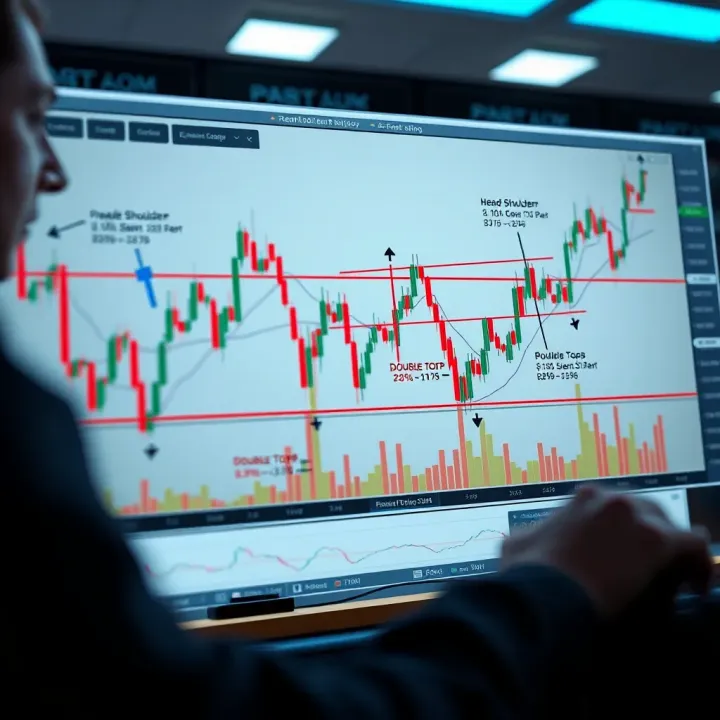
📈 Learn how to spot key forex chart patterns with our practical guide, including useful PDF resources to boost your trading skills in Kenya and beyond.
Based on 10 reviews