
Understanding Derivative Trading in Kenya
Explore how derivative trading works 📈, key types & strategies, risks, regulations, and its impact on Kenya's financial markets for traders & institutions.
Edited By
Oliver Bennett
Forex trading in Kenya has grown steadily, with many individuals and small investors trying their hand at the currency market. One tool that’s caught the eye of Kenyan traders is forex signals shared on Telegram. These signals offer trade suggestions, such as when to buy or sell a currency pair, aiming to make trading less daunting.
Telegram stands out as a popular messaging app where brokers, analysts, and seasoned traders share these forex signals in real time. For example, a channel might send alerts like “Buy USD/UGX at 3,450, target 3,500, stop loss 3,420,” giving clear guidance without needing to constantly study charts.
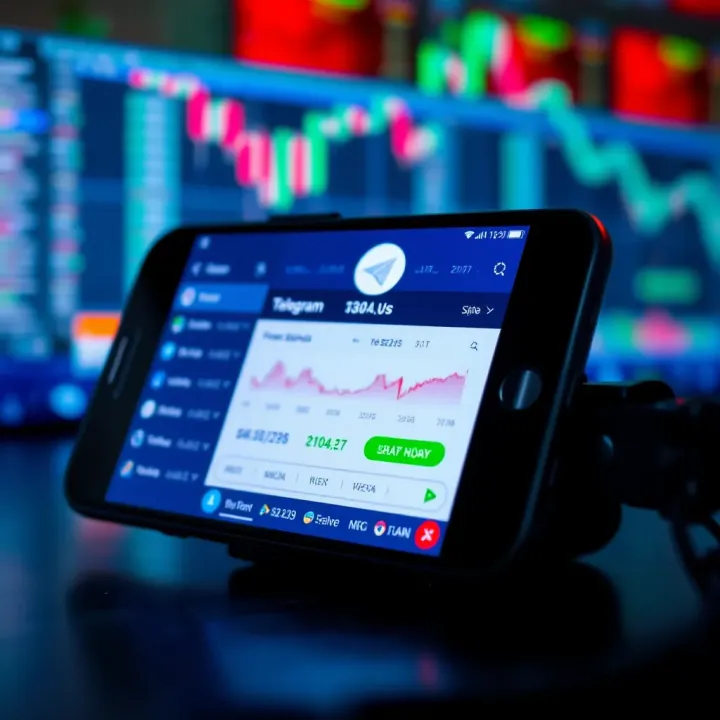
That said, understanding how forex signals work and their pros and cons is vital before relying on them. Signals can save time and help traders spot opportunities faster, but they’re not foolproof. Factors like market volatility, unexpected news, or poor signal quality can lead to losses.
Forex signals are tools, not guarantees. Kenyan traders should use them alongside their own analysis and risk management.
To benefit from forex signals on Telegram, Kenyan traders should consider:
Source credibility: Trusted channels usually have transparent track records and clear explanations for their signals.
Signal type: Some channels offer automated signals based on algorithms, others share manual trade ideas. Understanding this helps set expectations.
Risk controls: Good signals always suggest where to place stop losses and take profits, helping manage potential losses.
Before diving in, new traders can test signals on demo accounts or with small amounts, building confidence without risking big sums. Also, being wary of channels promising guaranteed profits is key; the forex market remains unpredictable.
This article will help Kenyan traders grasp the essentials of forex signals on Telegram, how to pick reliable sources, and blend these signals into smarter trading decisions.
Forex signals serve as trading alerts that suggest when to buy or sell currency pairs in the foreign exchange market. For Kenyan traders, understanding these signals can offer a practical edge, especially given the fast pace and volatility of forex trading. These signals are usually informed by technical analysis, market news, or a mix of both, and aim to help traders make timely decisions.
Forex signals are concise messages, often shared via platforms like Telegram, signalling favourable trading entry or exit points. Their main purpose is to guide traders to profitable trades or to avoid unnecessary losses. For example, a signal might say “Buy USD/KES at 110.50, target 111.20, stop loss 110.00.” This gives a clear plan to enter the trade, where to expect gains, and where to cut losses. Signals can save you time and help you spot chances you might miss while juggling daily hustles.
Traders use signals as part of their overall strategy. Some rely on them fully, while others use them alongside personal research. For instance, a trader might check a signal suggesting a sell on EUR/USD, but first verify with their own chart analysis or economic news. Others set automatic trades based on signals, but this demands trust in the signal provider’s reliability. It’s crucial to adapt signals to your trading style, capital, and risk tolerance rather than following blindly.
There are several types of forex signals Kenyan traders should understand:
Manual Signals: Created and shared by experienced traders or experts manually after analysis.
Automated Signals: Generated by software or algorithms based on preset market conditions.
Price Action Signals: Based solely on price movements without indicators, useful for reading market behaviour.
Fundamental Signals: Based on economic events like interest rate decisions or GDP reports.
Each type serves different purposes; for example, manual signals may include more context, while automated ones act fast on market changes. Knowing the differences helps decide which fits your needs best.
Good forex signals can be like a reliable friend in trading — they alert you to opportunities and warn you of risks, but your own judgement completes the picture.
Understanding what forex signals mean and how to use them well can make your trading more informed and less stressful. The key lies in knowing their purpose, how to apply them in decision-making, and the variety available to you as a trader in Kenya’s growing forex scene.
Telegram has become the go-to platform for many Kenyan traders when it comes to sharing forex signals. This preference is tied to Telegram’s unique set of features which cater well to the needs of traders who require timely and reliable information. Unlike WhatsApp or other messaging apps, Telegram supports large groups and channels where hundreds or even thousands of members can receive updates simultaneously without congestion or delays.
One of the main reasons Telegram is ideal for forex signal sharing lies in its ability to handle large audiences efficiently. Channels on Telegram allow signal providers to broadcast messages to all subscribers at once, without the distraction of replies cluttering the conversation. This means signals can be delivered clearly and professionally. Besides, Telegram supports multimedia content such as charts, videos, and voice notes, which traders often use to explain setups or share technical analysis.
Another handy feature is Telegram’s bot functionality. Bots are automated programmes that can push notifications about market conditions or signal alerts immediately as they happen. For example, some Kenyan traders use bots that link directly to their trading accounts or analysis tools, making the signal-sharing process much faster and more accurate. Telegram also offers encrypted chats and privacy options, vital for maintaining the confidentiality of trading strategies and protecting users from scams.
Trade is not only about receiving signals but also interacting with people who understand the market’s ups and downs. Telegram fosters a strong community feel through its group chats and discussion channels. Kenyan traders can share feedback on particular signals, ask questions, or discuss current market trends. This interaction often leads to better decision-making because it mixes multiple insights rather than relying on one source.
Real-time updates play a big part too. Forex markets can change within seconds, and having a platform that notifies you instantly ensures you don’t miss out on profitable trades or need to cut losses quickly. Telegram is less prone to delays compared to email or SMS alerts, and its mobile app suits Kenyan traders who often access information on the go, whether commuting by matatu or sitting at a local cafe.
Telegram’s blend of speed, scalability, and community support explains why many Kenyan traders trust it for forex signal sharing. It combines technical tools with social interaction, making it more than just a messaging app.
In summary, Telegram’s design fits perfectly with the fast-paced and information-heavy world of forex trading. Kenyan traders benefit from the clarity, speed, and security that Telegram offers, making their trading efforts more effective and connected to a wider, knowledgeable network.
Choosing the right forex signal channel on Telegram is crucial for any trader aiming to improve decisions and protect capital. In Kenya, where forex trading grows rapidly, distinguishing genuine providers from unreliable ones can save you from costly mistakes. Good signal channels not only suggest trade entries but also come with clear explanations, reasonable win rates, and transparent performance histories.
Credibility starts with transparency. Reliable forex signal providers share detailed trading records, including profits and losses over a reasonable period. For example, a credible channel might show monthly performance charts, highlighting which signals led to successful trades and which didn’t. They will also provide clear instructions on trade management, such as stop-loss and take-profit levels.
Look out for providers who have some background in trading, either as professionals or experienced individuals. Channels run by people with verifiable profiles, possibly linked to known trading firms or regulated brokers, often hold more trust. Well-established channels usually update regularly and respond to queries from group members, which signals active management.
Scams remain a big challenge in the Kenyan forex community. Beware of channels promising guaranteed profits or extremely high returns within a short time. Such claims often lure traders into risky moves or outright fraud. Also, some groups may require expensive upfront fees but deliver poor quality signals or none at all.
Another red flag is providers who pressure you into hurry trades without proper explanation or who discourage transparency about results. If a channel restricts discussions or deletes negative comments, it should raise suspicion. Always remember that forex trading carries risk; no signal can guarantee constant wins.
User feedback is one of the most useful tools for evaluating signal channels. Active Telegram forex trading groups often have members sharing their experiences about signal accuracy and reliability. Pay attention to both positive and negative reviews. For instance, a channel might perform well under certain market conditions but poorly during high volatility, which others’ feedback will reveal.
Engaging with community members on platforms like Facebook forex groups or even YouTube reviews specific to Kenyan trading can give you extra perspectives. A well-regarded signal provider tends to have consistent praise for clear communication, timely updates, and fair pricing.
"Before committing your time or money to any signal channel, invest time in researching their track record and listen to the community. Reliable signals can boost your trading, but only if you choose wisely."
In short, evaluate forex signal channels through transparency, track record, and the voice of actual users. This careful approach helps Kenyan traders steer clear of scams and build solid trading habits based on trustworthy information.
Forex signals can be a valuable addition to your trading toolkit, but they only work well when integrated properly within your existing strategy. Kenyan traders should use signals as guides rather than absolute rules, tailoring them to fit their own trading plans. For instance, if a signal advises buying the USD/KES pair at a certain level, compare this with your technical analysis and market understanding before acting. This approach helps you keep control and avoid blindly following others, especially in Kenya’s forex environment where market conditions can shift rapidly.
Forex signals should complement, not replace, your personal trading plan. A typical Kenyan trader may have set goals, risk tolerance, and preferred trading timeframes. When you receive a signal on Telegram, consider how it fits with your plan. If your plan favours short-term trades but a signal suggests a long-term position, it may not be suitable. You might also want to adjust trade sizes based on your capital.
While some signals come with suggested entry, stop-loss, and take-profit points, it’s wise to verify these against your own research or local market trends. For example, during Kenya’s economic events like Central Bank announcements, it might be best to avoid aggressive trades, even if signals come through. Keeping your plan consistent while using signals prevents rash decisions.
Risk management remains key when relying on forex signals on Telegram. Signals can be wrong, so never risk more than you can afford to lose. Kenyan traders might start with small fractions of their capital, such as 1-2%, on each trade suggested by a signal. Setting stop-loss orders is essential to limit potential losses and protect your funds.
Overleverage is a common trap. Even if a signal looks promising, avoid putting your entire margin or using Fuliza overdraft services in a risky way. Maintain a balanced approach and consider your overall portfolio risk. Taking breaks from trading during volatile periods helps preserve capital, especially when signals fluctuate frequently.
To make the most from Telegram forex signals, track each signal’s result over time. Maintain a simple log noting entry price, stop-loss, take-profit, and whether the trade ended in gain or loss. This feedback allows you to assess the reliability of specific channels and adjust your reliance accordingly.
Popular Kenyan traders often use Excel sheets or Google Sheets for this monitoring. Some may also use journal apps or even notebooks. Over time, you’ll spot patterns—certain signal providers perform better during specific market conditions or currency pairs. If a channel consistently underperforms, consider unsubscribing and searching for more reliable alternatives.
Monitoring and disciplined application of forex signals on Telegram turns them into useful tools rather than gambling tips. Remember, signals guide, but your judgment wins.
By following these practices, Kenyan traders can extract practical benefits from forex signals, balancing automated insights with personal control and caution.
Trading forex using signals on Telegram can offer helpful guidance, but it’s critical to understand the risks involved and to set realistic expectations. Many traders jump in hoping for quick wins, only to realise that the market is unpredictable, and signals alone don’t guarantee profits. Being aware of these factors helps you make smart decisions and protects your capital.
Forex markets are highly volatile, meaning prices can swing sharply within minutes. Consider how political events in Kenya or unexpected data releases from the US Federal Reserve can cause rapid currency value changes. For example, during Kenya’s election period, the Kenyan shilling can experience sudden dips or rises, which no signal provider can predict with certainty. This unpredictability means even well-researched signals can fail, so you must prepare for losses as well as gains. Using signals as part of a broader strategy helps you manage this unpredictability rather than relying on them blindly.
Foremost, signals serve as tools rather than solutions. Relying only on Telegram forex signals without understanding the market or performing your own analysis can lead you astray. Some signals come without detailed explanations, leaving less-experienced traders confused or overconfident. A common mistake is following signals blindly without considering your risk tolerance, trading style, or market conditions. For example, if a signal calls for a high-leverage trade but your account size is small, risking too much could wipe your capital quickly. Using signals alongside your own research and risk management techniques reduces overdependence and boosts your chances of steady progress.
Kenya’s regulatory environment around forex trading and signal provision is evolving but still limited. The Capital Markets Authority (CMA) doesn’t currently regulate forex signal providers directly, creating room for unscrupulous actors. This lack of regulation increases the risk of scams, fake channels, and misleading promises. Therefore, it’s wise to verify the credibility of any signal provider through independent sources before committing real money. Also, stick to licensed forex brokers registered with the CMA or Central Bank of Kenya to ensure your funds have protection. Keeping yourself informed about local trading laws and compliance requirements adds a layer of safety in what remains a risky venture.
When using Forex signals on Telegram, remember: signals are helpful, but the market’s uncertainties and local regulations mean you must stay cautious, informed, and realistic about your expectations.
Effective trading combines signals with personal knowledge, strong risk controls, and an understanding of Kenya’s market realities. That approach keeps you grounded and more likely to succeed over time.
Explore how derivative trading works 📈, key types & strategies, risks, regulations, and its impact on Kenya's financial markets for traders & institutions.
🔍 Understand your Deriv status in Kenya with our clear guide! Learn how to check it, spot common issues, and take practical steps to resolve them effectively.
📈 Learn how to sign in to Deriv with ease! This guide covers setup, troubleshooting, security tips, and platform navigation for Kenyan traders. 🔒
📈 Learn how copy trading helps Kenyan investors mirror expert trades, understand its pros, risks, and tips to start smart investing today.
Based on 10 reviews