

App Derivatives: What They Mean for Business
🔍 Explore how app derivatives are created, their legal and business effects, plus tips for developers and entrepreneurs in Kenya's tech scene.
Edited By
Amelia Foster
App derivatives have been gaining traction, especially here in Kenya, where tech is evolving fast and businesses are hungry for software that fits like a glove. But what exactly are app derivatives, and why should anyone in trading, finance, or investment pay attention?
In simple terms, an app derivative is a customized version of an existing software application, tailored to meet specific needs without building everything from scratch. Think of it like modifying a basic car model to better suit different terrains or preferences—it's the same car but tuned for a new purpose.

Understanding app derivatives is key not just for developers but also for traders, investors, and analysts who rely on adaptable software solutions to keep up with shifting market demands.
In this article, we'll break down what app derivatives are, dig into their practical uses, discuss the development process, and highlight challenges and benefits, all through the lens of Kenya's unique business environment. Whether you're a broker needing better analytics tools or a finance professional aiming for customized trading platforms, this guide will offer valuable insights into how derivatives can shape the software you depend on.
Understanding what app derivatives are is fundamental for anyone involved in software development, especially those looking to adapt or customize existing applications to meet specific business or market needs. In simple terms, app derivatives are versions of original software apps that have been modified or adapted but still retain core functionalities of the source application. This concept is vital because it lets developers save time and resources by building upon work already done rather than starting from scratch.
For example, a popular financial trading app might be modified to cater specifically to Kenyan stock markets, integrating local trading rules and currencies. Such a derivative app can give local investors a familiar but more relevant tool without reinventing the entire trading platform. This practical approach can significantly improve user experience and accelerate product deployment in new markets.
App derivatives refer to software applications that are based on an existing original app, but include alterations to serve different purposes or target audiences. These modifications can range from minor interface tweaks to major functional changes. The essence is that the core architecture of the original app remains in place, but the derivative is tailored to add value or meet new requirements.
Take, for instance, an open-source mobile banking app like M-Pesa's early versions. Developers might create a derivative that, besides the original money transfer features, includes bill payments and savings goals designed especially for rural Kenyan users. This new version remains rooted in the original app's framework but offers distinctive features aligned with the target users' needs.
While derivatives stem from original apps, they differ in several important ways:
Customization Level: Original apps tend to serve a broad user base, while derivatives focus on specific market segments or use cases.
Functionality Tweaks: Derivatives may add, remove, or change functions depending on new requirements. For example, a stock analysis app derivative might introduce alerts for Nairobi Securities Exchange trends specifically.
Branding and User Interface: White-label derivatives often undergo rebranding to suit different companies or regions, which can change the app’s appearance without altering core functions much.
An everyday example would be WhatsApp Business — a derivative of the original WhatsApp app, altered to meet the needs of small business communications. It keeps the core messaging platform but adds tools tailored for business users, such as automated responses and away messages.
Understanding the difference between an original app and its derivatives helps businesses decide whether to build from scratch or adapt an existing app, factoring in cost and time efficiency. It also sets expectations for maintaining updates and ensuring security in derivative development.
By grasping the fundamentals of what app derivatives are and how they diverge from their original counterparts, traders, investors, and developers in Kenya can better strategize their tech investments and innovations, aligning software products with local market realities and user expectations.
App derivatives have become a significant part of the software ecosystem, especially for businesses and developers looking for more flexibility without reinventing the wheel. They matter because they allow organizations to build on existing technology, saving time and resources while tailoring the app to meet specific needs.
The primary strength of app derivatives lies in customization. Imagine a financial services firm using a popular mobile banking app but needing added features like Sharia-compliant finance options or localized mobile money integrations like M-Pesa. Instead of starting from scratch, they can develop a derivative that tucks in these specific features, making the app more relevant and user-friendly to their target audience.
Customization also means adapting user interfaces and workflows to match local user habits. For instance, a trading platform in Nairobi might want to simplify language complexity or add Swahili translations, enhancing usability for traders who aren’t fluent in English. This level of personalization helps retain users, boosts customer satisfaction, and ultimately improves the app’s success in the market.
Beyond just UI tweaks, derivatives help businesses adjust apps to fit the legal, cultural, and economic environment of the local market. Take Kenya’s unique regulatory environment around finance and data protection. An app derivative can include modifications to align with the Computer Misuse and Cybercrimes Act or Data Protection Act, providing both compliance and peace of mind.
Localization goes further than laws — it’s about understanding local payment systems, holiday calendars, or even connectivity issues. For example, an investment app derivative might bundle offline capabilities or low-data modes for users in areas with spotty internet. These adjustments make the app robust and accessible, increasing adoption rates.
Without localization and market adaptation, even the most technically advanced app can fail to gain traction. Derivatives offer a practical route to tailor apps to various environments rapidly.
Both customization and localization through app derivatives enable businesses in Kenya to compete more effectively, respond quickly to market demands, and provide end-users with solutions that truly fit their context.
Understanding the different types of app derivatives is essential for anyone looking to customize or repurpose existing software. Each type offers unique opportunities and challenges, shaping how businesses and developers approach adaptation to suit specific needs or markets. The key is to recognize these variants and their practical benefits.
Forks are essentially copies of an existing app's code that developers modify to create a new, standalone app. They are commonplace in open source projects, where flexibility and innovation are encouraged. Take, for example, the way the Android Open Source Project (AOSP) has led to multiple forks like LineageOS, which offers customized features tailored for certain user groups. Modified versions often address specific shortcomings or add features that were not present in the original app.
One practical benefit of this approach is full control over the app’s updates and features, without being tied to the original developer’s roadmap. However, developers must keep an eye on maintaining compatibility and ensuring the fork remains secure and stable over time.
White-label apps are pre-built applications that businesses rebrand and tailor to their own audience without developing software from scratch. Imagine a Kenyan fintech startup picking a white-label mobile banking app to quickly offer services branded as their own, saving months of development time. This approach helps businesses enter the market faster and focus on marketing and customer experience rather than coding.
The straightforward advantage here is speed and cost savings. But careful consideration is needed on licensing terms and the breadth of customization allowed. Too rigid a platform could limit differentiation, which is critical in competitive markets.
Plugins and extensions modify or enhance the functionality of existing apps without altering the core source code. For example, a trader using MetaTrader 4 might install a plugin that offers additional indicators or automated trading strategies. Such derivatives add value by expanding capabilities while maintaining the stability of the original app.
These derivatives are usually easier and quicker to develop compared to full forks or white-label solutions. They offer a modular way to tailor apps, but they depend on the underlying platform’s support for such add-ons. Users and developers should weigh the reliability and security impact of relying on third-party extensions.
In essence, choosing the right type of app derivative boils down to the goals at hand—whether it’s deep customization, quick market entry, or incremental enhancement. Each option is a tradeoff in control, cost, and complexity.
By understanding forks, white-label apps, and plugins, traders and finance professionals can better navigate the options for adapting software tools to their specific financial analysis, trading strategies, or client engagement needs.
Creating an app derivative isn't just a copy-paste job; it's about tailoring an existing application to meet new needs or enter fresh markets. For traders, investors, and finance professionals, this means taking advantage of proven technology frameworks while adding specific features or tweaks that connect better with their target audience. For instance, a stock trading app originally built for the U.S. market can be adapted into a derivative app designed specifically for Kenyan users, incorporating local currencies, mobile money integrations like M-Pesa, and regulatory requirements.
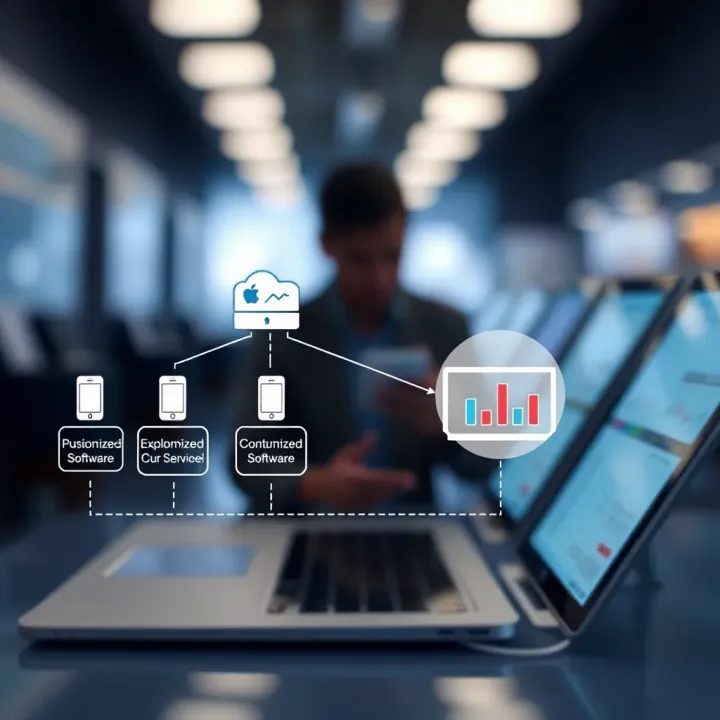
Before any coding kicks off, thorough planning and requirement analysis set the tone for success. This stage involves understanding what the derivative needs to achieve that the original app doesn’t. For example, if a derivative app is meant to cater to local small business owners in Nairobi, the requirements could include simplified interfaces, offline capabilities, or integrations with local tax systems. Setting clear goals, identifying the target market’s needs, and outlining functional and non-functional requirements help developers avoid costly reworks later.
Choosing the right technical stack can make or break your app derivative project. Typically, developers reuse much of the original app’s architecture but tweak components to fit new requirements. If the original app uses React Native, then sticking with it helps maintain code consistency and speeds up development. Tools like Git for version control and Jira for task tracking are staples, especially when teams are collaborating. Additionally, frameworks such as Flutter or Xamarin might be selected for multi-platform support. For Kenyan developers, integrating APIs like Safaricom's M-Pesa is a key technical consideration to ensure the derivative serves local payment needs.
Testing ensures the derivative app not only runs smoothly but respects user expectations and data security. This involves a mix of automated and manual tests measuring functionality, performance, and security compliance. Regression testing is essential here because changes might introduce bugs in previously working features. For example, if a new feature enables local loan calculations, rigorous testing is necessary to confirm the math is accurate and reliable under different scenarios. Quality assurance should also consider how the app behaves under Kenya’s network conditions — often spotty or slower in rural areas — so offline or reduced-data modes might need special attention.
Developing a successful app derivative demands more than technical skill; it requires deep understanding of the target user base and their environment.
By carefully navigating through planning, technical setup, and thorough testing, financial professionals and developers can efficiently deliver derivative apps that resonate with Kenyan users while leveraging the strengths of the original application.
App derivatives offer a range of advantages that can’t be overlooked, especially for businesses and developers looking to build on existing platforms without starting from scratch. They’re particularly relevant in dynamic markets like Kenya where customization and quick adaptability often give a competitive edge.
By repurposing and tweaking existing apps, developers can save big on time and resources, jump into the market faster, and ultimately deliver experiences that feel more tailored to users' needs. These benefits aren't just buzzwords—they translate into real gains and better chances at success within Kenya's vibrant tech ecosystem.
Using app derivatives can dramatically cut down both the cost and the development time. Imagine a startup in Nairobi trying to build a financial services app—starting from zero would mean months of coding, testing, and debugging. But by adapting a proven app framework, say one like Flutterwave’s payment solution, they can bypass much of the groundwork.
This approach means fewer hours spent on basic functionalities like authentication, data handling, or payment processing because those are already built into the base app. This reduces the overall budget since time is money, and developers can focus on the unique features that differentiate their product instead of reinventing common wheels.
Speed is key in today’s fast-paced app market. Derivatives enable businesses to move quickly, which can be a real advantage in areas like mobile money, ride-hailing, or local e-commerce sectors booming within Kenya.
For instance, if a company wants to launch a tailored version of a popular ride-sharing app but aimed at rural areas, using a derivative means they can deploy the app faster than building a new one outright. That quick time to market can translate into capturing market share early and setting the tone in a given niche.
Derivatives allow for fine-tuning an app’s interface and features to reflect the cultural, linguistic, and practical needs of Kenya’s diverse population. Instead of a one-size-fits-all app, derivatives help build versions that speak directly to different user groups.
Take localized language support as an example: beyond English or Swahili, an app derivative can incorporate Kikuyu or Luo interfaces to connect better with users. Similarly, customization can address local payment preferences, network conditions, or even regulatory requirements—offering a smoother, more relevant user experience.
Tailoring apps through derivatives isn't just about making slight changes; it's about making them truly fit for local users, which can boost adoption rates and retention.
Together, these benefits make a strong case for app derivatives as a practical and strategic choice in Kenya’s evolving tech scene, where speed, cost-effectiveness, and user connection are all in high demand.
App derivatives, while valuable for customization and faster deployment, come with their fair share of challenges and risks. These hurdles can impact the success and sustainability of derivative projects, especially in dynamic markets like Kenya’s, where regulatory frameworks and digital security awareness are still evolving. Understanding these challenges helps businesses and developers anticipate issues and build stronger, more resilient applications.
One major headache when working on app derivatives is navigating intellectual property (IP) rights. Since derivatives often build on original apps, there’s a fine line between legitimate customization and infringing on copyrights or patents. Kenya’s IP laws, though improving, can still be complex for developers unfamiliar with legal nuances. For example, modifying a popular fintech app without proper permissions might lead to legal clashes or even the withdrawal of the derivative app from platforms like Google Play.
Always ensure you review licensing agreements and seek legal advice when planning to create derivative apps, especially if they reuse significant portions of original source code or branding.
To avoid pitfalls, negotiate clear licensing terms and consider open-source alternatives that permit derivative works. Ignoring these concerns might not only endanger the project but also damage your company’s reputation.
Maintaining an app derivative can feel like juggling too many balls at once. Original apps often receive updates to fix bugs, add features, or improve compatibility. However, derivative apps may not automatically benefit from these updates, requiring extra effort to merge changes or adapt functionalities. This can stretch development resources, particularly for smaller teams.
Consider a Kenyan ride-sharing app that’s a derivative of a global open-source project. When the original app introduces a new payment gateway integration, local developers must implement and test that feature within their derivative to keep their users up to date. Failure to do so risks losing user trust as the app grows outdated or incompatible.
Security flaws are a serious risk for derivatives, even more so if the derivative’s overhaul process overlooks certain parts of the original app’s code. Hackers often exploit unpatched modules or vulnerabilities inherited from the base app. In Kenya’s financial tech sector, where apps handle sensitive user data, this can lead to data breaches and regulatory penalties.
For example, some derivative apps that replicated login systems from popular platforms without updating encryption protocols ended up vulnerable to credential theft. Regular security audits and adopting best practices like secure coding and penetration testing are non-negotiable.
In summary: Challenges with IP, updating complexities, and safeguarding security should be top of mind for anyone developing app derivatives. These risks, if not managed carefully, can derail even the most promising projects, turning shortcuts into expensive mistakes.
Understanding app derivatives through case studies specific to Kenya provides meaningful insights into how local factors shape technology adaptation and innovation. Kenya’s unique market dynamics, varied user needs, and regulatory landscape highlight the importance of context when developing or modifying apps. Studying real local examples helps investors, traders, and developers grasp practical challenges and successes, aiding better decision-making and strategic planning.
One standout example is M-Pesa, which started as a simple mobile money transfer service but has seen various derivatives tailored for specific industries like agriculture and e-commerce. For instance, derivative apps built on the M-Pesa framework offer farmers mobile payment solutions linked to supply chain logistics. This local customization addressed specific pain points and boosted financial inclusion in rural areas.
Another case is the adaptation of ride-hailing platforms such as Little Cab. While based on international app models, their derivatives have integrated local payment methods, adapted pricing algorithms considering Nairobi’s traffic patterns, and included Swahili language support. These tweaks aren’t minor; they are critical in gaining trust and usability in the local market.
These stories emphasize how leveraging existing popular apps’ infrastructure to create derivatives tailored to Kenyan needs leads to faster adoption and stronger user engagement.
Not all attempts hit the mark. For example, a fintech app derivative aimed at micro-loan services overlooked stringent Kenyan financial regulations and did not sufficiently educate its users about terms, resulting in low uptake and trust issues. This case underscores the need for thorough local legal compliance and user-centric communication.
Similarly, an app clone targeting online grocery shopping failed because it ignored local delivery logistics challenges and customer preferences for cash payments, demonstrating how ignoring ground realities can deeply affect app adoption.
These failures teach that derivatives must not only replicate features but also adapt deeply to local user behavior, infrastructure, and regulatory demands. Skipping this step often leads to wasted resources and reputational damage.
For developers and investors, the key takeaway is that Kenya’s app derivative market demands more than technical tweaks; it requires an understanding of cultural, regulatory, and infrastructural nuances to ensure success.
To sum up, Kenya’s experience with app derivatives provides valuable lessons. Success comes from smart adaptation, while failures often point to inadequate localization and regulatory awareness. Stakeholders must weigh these insights carefully when planning app derivative projects in the region.
When working with app derivatives, paying attention to legal and ethical issues is more than just ticking boxes—it’s about protecting your project from future headaches and respecting the people behind the original software. These considerations touch everything from agreements to intellectual property rights and help maintain a healthy relationship between developers, businesses, and users. For traders and investors in Kenya, understanding these matters can safeguard investment and ensure your derivative doesn’t run into avoidable legal troubles.
Before altering or repurposing an existing app, it’s important to carefully review the licensing agreements. These documents spell out what you can and cannot do with the original code and assets. For example, open-source licenses like MIT or Apache 2.0 are more permissive, allowing modification and redistribution if you follow certain conditions such as attribution. On the other hand, proprietary apps may require explicit permission or even a paid license to develop derivatives.
A practical case: Suppose a Nairobi-based start-up wants to build a localized version of a popular mobile payment app. They must check if the license permits them to modify functionality or branding. Ignoring this could invite legal action or block access to necessary APIs. Always obtain written permissions where required, and document these to protect your business.
Respect isn’t just good manners—it’s a legal obligation when dealing with app derivatives. Original developers have rights that go beyond the source code, including trademarks and copyrights. Using their logos or brand names without consent, or falsely implying endorsement, can lead to accusations of infringement.
Ethically, giving credit where it’s due fosters goodwill and sometimes even collaboration. For instance, if a Kenyan fintech project builds upon an open-source app like M-Pesa’s simulator released under a suitable license, proper attribution boosts credibility and encourages community support.
Ignoring original developers’ rights can cause damage not only in legal terms but also harm your reputation and business relationships.
In summary, ensuring clear licensing terms and respecting the rights of the initial creators helps avoid costly disputes and builds a foundation of trust. For investors and developers working in Kenya, adhering to these legal and ethical standards is a smart move toward sustainable success in app derivative development.
When creating app derivatives, the choice of tools plays a big role in shaping the development process and final output. Tools not only speed up development but help maintain quality and consistency. For businesses and developers in Kenya especially, picking the right tools that align with local needs and skill levels is essential. In this section, we'll look at the main tools used, focusing on development frameworks, SDKs, version control, and collaboration platforms.
Development frameworks and Software Development Kits (SDKs) are the backbone for building app derivatives. Frameworks provide a structured way to design and build apps by offering pre-written code, templates, and libraries. SDKs supplement this by giving developers a set of tools specific to a platform or technology.
For example, React Native — a popular cross-platform framework — lets Kenyan developers create versions of Android apps for iOS without rewriting everything from scratch. This can be a game-changer for startups aiming to reach users on multiple devices quickly. Similarly, Flutter by Google is favored for native-like performance while sharing most of the code across platforms.
On the SDK side, Android Studio’s SDK is crucial when working with Android app derivatives, supporting features like debugging, testing, and compiling. For iOS derivatives, Apple's Xcode includes the iOS SDK, which is indispensable.
These frameworks and SDKs offer practical benefits like:
Faster development cycles due to reusable components
Easier maintenance since the codebase is consistent
Access to device-specific features (camera, GPS) through SDKs
Choosing the right framework and SDK depends on the target audience, intended device platforms, and developer familiarity.
Handling app derivatives often involves a team of developers working on parts of the app simultaneously. Version control systems (VCS) like Git are vital for this. Git lets teams track every change, revert mistakes, and merge different development efforts smoothly.
Platforms like GitHub, GitLab, and Bitbucket provide cloud-hosted Git repositories along with collaboration features, making it easier for distributed Kenyan teams to communicate and manage code.
Practical benefits of using these tools include:
Clear history of changes, which helps in troubleshooting bugs or rolling back unwanted updates
Branching and merging, allowing experiments on new features without disturbing the primary app version
Integrated issue tracking and code review for maintaining code quality
In addition, collaboration tools like Slack or Microsoft Teams often integrate with VCS to send notifications about code changes, build statuses, or bugs.
Using a solid version control and collaboration setup isn’t just a tech detail—it’s a necessity for avoiding chaos during app derivative development.
Overall, the synergy between development frameworks, SDKs, and version control tools creates a dependable environment that supports both fast iteration and quality assurance. For Kenyan developers looking to customize apps to local needs, investing time in mastering these tools can make all the difference.
Looking ahead, understanding the future trends in app derivatives is vital for traders, investors, and finance professionals. These trends shape how app derivatives evolve and influence how businesses customize and deploy software efficiently. Keeping an eye on these developments helps stakeholders anticipate opportunities and risks in the growing market for derivative applications, especially in fast-developing ecosystems like Kenya's tech scene.
The open source movement continues to push the boundaries of app derivative development. Open source platforms offer accessible codebases that anyone can modify, which means app developers can create derivatives faster and at lower costs. For example, platforms like GitHub host countless projects where developers contribute to the base code, allowing others to fork apps suited to local needs. In Kenya, this has enabled startups to tailor fintech solutions like mobile money integrations to regional requirements without reinventing the wheel.
Open source also encourages transparency and community-driven improvements, reducing the chance of hidden bugs or vulnerabilities. However, developers need to navigate licensing carefully to respect original creators’ rights. In a nutshell, open source propels innovation, lowers entry barriers, and supports tailored app derivatives that respond quickly to market demands.
AI and automation are carving out a new path in app derivative creation, streamlining traditionally repetitive tasks. With tools powered by machine learning, developers can automatically generate code snippets or optimize user interfaces tailored to specific audiences, saving valuable time. For instance, AI-driven testing tools can rapidly detect bugs in derivative apps, ensuring higher quality before launch.
Automation platforms also facilitate continuous integration and deployment (CI/CD), meaning app derivatives receive updates and patches faster, keeping them secure and functional in dynamic market conditions. In Kenya’s vibrant app development scene, combining AI with local insights spurs the creation of derivatives tailored for mobile-first users or those with limited internet access.
Staying current with AI and automation trends is no longer optional—it’s a must for anyone looking to maintain an edge in app derivative development. These tools help scale solutions and enhance responsiveness without ballooning costs.
The future will likely see more AI-assisted customization, where derivatives adjust in real-time to user preferences or regulatory changes, making apps smarter and more adaptive. This evolution benefits investors and traders by promoting robust, scalable software solutions that address emerging financial and social needs efficiently.
In summary, open source and AI-led automation are two pillars shaping the future of app derivatives. Both trends support quicker market entry, better customization, and improved software reliability—critical factors for businesses and investors navigating Kenya's dynamic digital landscape.
🔍 Explore how app derivatives are created, their legal and business effects, plus tips for developers and entrepreneurs in Kenya's tech scene.

Explore binary tools 🔧—their roles, types & uses in software development and cybersecurity. Get practical tips to boost your tech projects and digital safety in Kenya 🇰🇪.

📊 Explore derivatives in finance—types, uses, risks, and key contracts explained. A practical guide for investors and businesses in Kenya.

Explore how developers implement derivatives in software 🖥️, covering key concepts, methods, and tips to tackle challenges and boost performance ⚙️.
Based on 15 reviews