

Scope Markets Kenya: Trading Opportunities & Regulations
Explore Scope Markets Kenya's online trading platform 📈 with insights on financial instruments, local regulations, risk management, and Kenya’s vibrant market opportunities.
Edited By
Isabella Green
Scope Markets has grown steadily in popularity among Kenyan traders seeking a versatile and affordable platform. It offers various trading instruments that suit different investment styles, from short-term forex deals to longer-term commodity trades. Its user-friendly setup makes it accessible for anyone already familiar with digital trading or willing to learn.
Being regulated by reputable international bodies, Scope Markets provides a level of security that reassures Kenyan investors who prioritise safe trading environments. Unlike some platforms that limit payment methods, Scope’s integration with M-Pesa and other local payment options simplifies deposits and withdrawals, making it more convenient for users in Kenya.
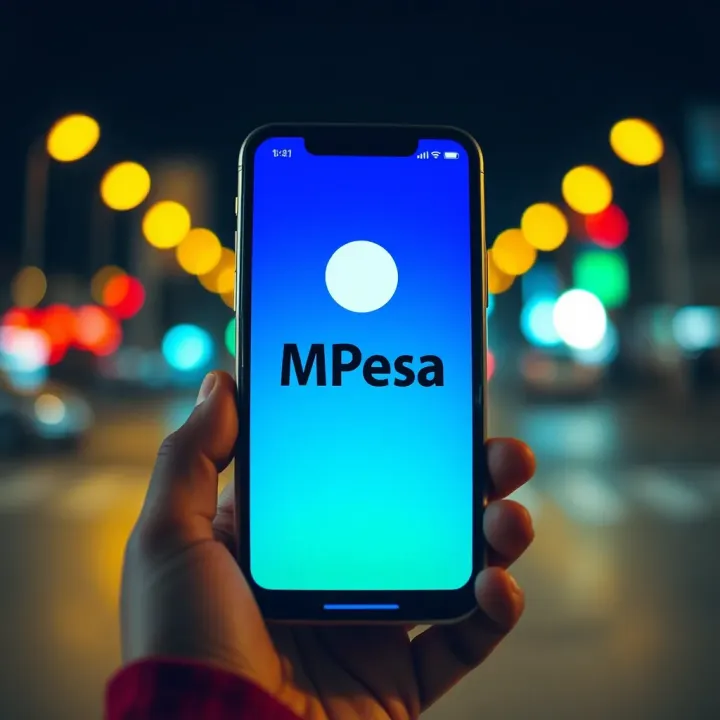
The broker provides multiple account types which cater to new and experienced traders. For example, a beginner might choose the standard account with low minimum deposits and competitive spreads, while a professional trader could benefit from tighter spreads and faster execution through the VIP account. This flexibility helps traders pick options aligned with their budgets and trading goals.
Trading on Scope Markets is supported by both MetaTrader 4 (MT4) and MetaTrader 5 (MT5) platforms. These platforms are well-known globally and beloved locally for their ease of use and powerful tools like automated trading and advanced charting, enhancing the trading experience.
Scope Markets balances accessibility and professionalism, making it a viable option for Kenyan investors looking for cost-effective, secure, and locally integrated trading solutions.
The scope of available assets is broad, covering major forex pairs, commodities like gold and oil, indices that track global markets, and even cryptocurrencies. This variety allows for portfolio diversification, a key strategy to manage risk in fluctuating markets.
In summary, Kenyan traders who value secure platforms with practical payment options, competitive fees, and a wide range of assets will find Scope Markets worth considering. The platform’s suitability largely depends on individual trading preferences, but its blend of features makes it a robust option in Kenya's growing digital trading space.
Understanding Scope Markets’ background and position is essential for Kenyan traders evaluating their options. The broker’s establishment details, regulatory compliance, and target audience determine trustworthiness and service quality. These factors impact how well Scope Markets fits local needs, such as payment solutions or asset access.
Scope Markets began operating in 2020, positioning itself as a contender for global traders seeking diverse asset choices and multiple trading platforms. Although relatively young, it has expanded quickly across various continents, focusing on accessible trading conditions. This growth suggests adaptability to different markets, including emerging economies similar to Kenya’s.
For instance, its global offices serve as hubs for market insights and customer support — ensuring clients receive timely assistance and market data relevant to their region. This presence makes it easier for Kenyan traders to interact with a broker that understands diverse market dynamics rather than a faceless international entity.
Scope Markets holds licences from several reputable regulators such as the Financial Conduct Authority (FCA) in the UK and the Australian Securities and Investments Commission (ASIC). This regulatory backing offers traders safety nets like fund segregation and regular audits, which reduce the risk of fraud or mismanagement.
For Kenyan clients, licensing assures compliance with international standards, although local regulatory oversight remains important. Having oversight from authorities recognised worldwide means the broker operates transparently and meets certain financial and operational thresholds, adding a layer of confidence.
Scope Markets actively targets emerging markets where retail trading is growing fast, including parts of Africa, Asia, and Latin America. Emerging market focus means the broker tailors services such as flexible deposit sizes, regional language customer support, and payment options suitable for these economies.
This focus opens opportunities for Kenyan traders who often face barriers like high minimum deposits or limited local payment methods at other brokers. The approach demonstrates understanding of affordability and accessibility challenges common in the region.
While Scope Markets doesn’t have physical offices in Kenya, it offers dedicated support channels and integrates popular mobile payment options like M-Pesa. This shows commitment to adapting to Kenyan financial ecosystems.
For example, local traders can fund accounts using M-Pesa or bank transfers common in Nairobi and other towns. Customer support also includes quick response times and multilingual agents familiar with East Africa. This regional presence helps build trust and convenience for Kenyan clients despite lacking a brick-and-mortar centre.
For Kenyan traders, a broker’s local payment and support infrastructure often weigh as heavily as its global reputation.
In sum, Scope Markets’ foundation and geographic focus make it a solid candidate for Kenyan investors seeking global market access combined with tailored local services.
Trading platforms and the technology behind them determine a trader’s ability to act fast, analyse markets, and manage risks efficiently. For Kenyan traders, having reliable and accessible platforms means smoother execution and better chances to capitalise on market moves, especially given the volatility common in forex and commodities trading.
Scope Markets offers both MetaTrader 4 (MT4) and MetaTrader 5 (MT5), which are among the most widely used trading platforms globally. MT4 remains popular for its straightforward user interface and strong customisability, especially for forex traders. It supports automated trading through Expert Advisors (EAs), which lets traders deploy strategies without constant manual oversight.
MT5, on the other hand, extends capabilities with more advanced charting tools, an economic calendar, and support for a wider range of asset classes including stocks and futures. This platform suits traders who want to diversify beyond forex or those who favour deeper technical analysis. Offering both platforms lets Scope Markets cater to both beginners and more advanced Kenyan traders.
A standout feature for many Kenyan traders, particularly those new to market or lacking time for active management, is copy trading. This allows traders to imitate experienced investors by automatically replicating their trades. It’s a practical way to learn trading moves while potentially earning returns.
Scope Markets integrates copy trading in a way that users can evaluate the performance of signal providers and select those that fit their risk appetite. This lowers the entry barrier for Kenyan retail traders who may not have the resources to develop their own strategies but want exposure to financial markets effectively.
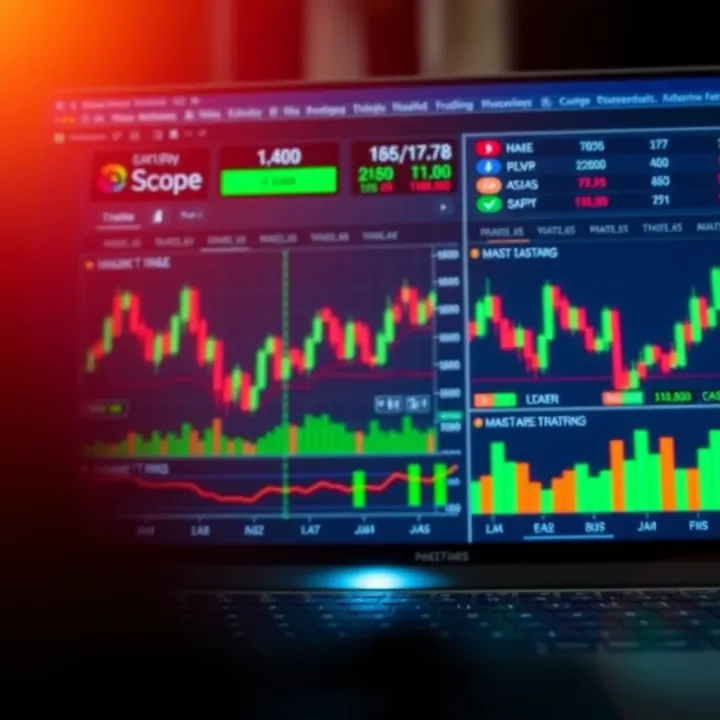
For Kenyan traders who often depend on mobile data and less reliable network connections, platform stability is key. Scope Markets delivers such stability on both web and desktop platforms. The interfaces are designed to be intuitive, letting users execute trades, monitor positions, and access research tools with minimal delay.
A good example is how the platforms manage real-time price updates—essential to avoid slippage during volatile sessions. This also reduces frustration that can come when orders fail or markets move sharply while attempting trades.
Considering the widespread use of smartphones in Kenya, having a robust mobile app is vital. Scope Markets’ app replicates most desktop features, including order placement, chart analysis, and account management. The apps are lightweight enough to perform well on typical Kenyan mobile data speeds and are compatible with both Android and iOS devices.
This mobile access enables traders to stay connected while on the go—be it during a quick boda boda ride or at a local duka. Also, integration with local payment methods like M-Pesa within the app aids seamless deposit and withdrawal processes, giving truly practical value for Kenyan users.
Strong platforms and technology that fit the local context are essential for traders to navigate markets efficiently and manage risks. Scope Markets seems to understand this balance between advanced tools and practical accessibility for Kenyan traders.
Understanding account types, fees, and trading conditions is vital for anyone considering Scope Markets. These elements directly affect your trading costs, flexibility, and risk exposure. For Kenyan traders especially, knowing the deposit requirements and fees upfront saves surprises and helps plan capital effectively.
Scope Markets offers three main account types: Standard, ECN, and demo accounts. The Standard account suits beginners, providing straightforward access with relatively wider spreads but no commission fees. The ECN account targets more experienced traders; it features tighter spreads but charges commissions per trade. Demo accounts are free and simulate live trading without risking real money, which is helpful for Kenyans new to online trading or testing strategies.
For Kenyan clients, the minimum deposit starts at around KSh 30,000 for the Standard account, while ECN accounts require about KSh 150,000. These figures are quite reasonable compared to some international brokers demanding high entry capital. The availability of a demo account allows beginners to familiarise themselves with the platform before committing funds.
Scope Markets uses a mix of fixed and variable spreads depending on the account type and market conditions. In the Standard account, spreads tend to be wider but no commissions apply. For ECN accounts, spreads are narrower, often starting from 0.0 pips, but the broker charges a small commission per lot traded, typically around $6 per 100,000 units. This can lower overall trading costs for active traders who value tight spreads.
Swap rates apply for positions held overnight and can impact longer-term trades. Traders should monitor these carefully as they vary based on currency pairs and market conditions. Be aware of any hidden fees, such as withdrawal charges or inactivity fees, though Scope Markets is generally transparent with these costs.
Scope Markets offers leverage options up to 1:500, enabling Kenyan traders to control larger positions with a smaller capital outlay. For example, with KSh 20,000, a trader could open a position worth up to KSh 10 million at maximum leverage. This provides opportunities to amplify gains but also increases risk.
Using high leverage without proper risk management can quickly lead to significant losses. Kenyan traders should consider their experience and financial capacity carefully. Margin requirements vary with leverage; higher leverage means smaller margins but comes with a thinner buffer against market swings. A pragmatic approach is to use moderate leverage and place stop-loss orders to shield against sudden market moves.
Careful choice of account type and understanding fees and leverage can make the difference between steady profit and unnecessary losses when trading with Scope Markets.
By keeping these factors in mind, Kenyan traders can pick the right account and manage their trading conditions to suit their style and risk appetite.
Asset selection and market access are key factors for traders since they define what opportunities a trading platform offers and how flexible the trader is to diversify their portfolio. For Kenyan traders, understanding which assets are available helps in aligning trading strategies to familiar markets or exploring new ones. Broad or niche asset choices can impact trading costs, risk exposure, and even convenience in terms of execution and settlement.
Scope Markets offers a wide range of forex pairs, including major, minor, and exotic currencies. Major pairs, like EUR/USD, GBP/USD, and USD/JPY, are high in liquidity and generally have tighter spreads, making them attractive for active Kenyan forex traders. Minor pairs, such as EUR/GBP or AUD/CAD, provide decent trading volumes but with slightly more volatility, offering opportunities for those seeking different risk-return profiles.
Exotic pairs bring currencies from emerging markets and typically come with wider spreads and less liquidity. These pairs can be rewarding for traders who understand the markets well but may pose higher risk. For example, USD/TRY (US Dollar/Turkish Lira) or USD/ZAR (US Dollar/South African Rand) might see more price swings, which a skilled trader can use to their advantage.
When it comes to African currencies, Scope Markets includes some options but usually in exotic classifications. Kenyan traders looking to trade the Kenyan shilling (KES) directly might find limited offerings; however, pairs like USD/ZAR or EUR/ZAR provide exposure to the broader African market. This selection can help diversify risks linked to foreign exchange market fluctuations related to African economies.
Beyond forex, Scope Markets provides commodities such as gold and oil, which are popular among Kenyan traders. Gold serves as a safe-haven asset; during economic uncertainty, it often retains value when currencies fluctuate. For instance, a Kenyan trader might use gold trading to hedge against shilling depreciation. Oil prices, influenced by global supply-demand dynamics, offer trading chances but require close market attention given their volatility.
Indices and cryptocurrencies round off the asset offerings. Trading stock indices—like the S&P 500 or FTSE 100—gives access to major markets without buying individual stocks. This suits Kenyan investors who want market exposure with less complexity. Cryptocurrencies such as Bitcoin and Ethereum are also available, reflecting their rising popularity. These digital assets allow traders to tap into volatile markets with potential high returns but require sound risk management due to unpredictable price swings.
Having access to diverse assets, including forex pairs, commodities, indices, and cryptocurrencies, broadens strategic options for Kenyan traders at Scope Markets, letting them adapt to market conditions and personal preferences.
Bank transfers and card payments form the backbone of many international trading accounts, including Scope Markets. Kenyan traders often use bank transfers via local banks such as Equity Bank, KCB, or Co-operative Bank to move funds in and out of their trading accounts. Transfers through these banks tend to be straightforward but may take one to three business days to process. Card payments, typically through Visa or Mastercard, offer quicker deposits, often instant, which suits traders who want to act fast on market movements. However, withdrawals back to cards can take longer and sometimes incur fees imposed by card issuers or banks.
M-Pesa and mobile money integration are particularly significant for Kenyan traders. M-Pesa dominates mobile payments in Kenya, and having it integrated as a deposit and withdrawal option is a major plus. This reduces the need for complex international transfers with high costs or delays. Scope Markets’ acceptance of M-Pesa allows traders to fund their accounts directly from their mobile wallets, sometimes receiving instant credit. Withdrawals via M-Pesa give traders quick access to their profits, supporting liquidity and helping many avoid dependence on bank processing hours or charges. This feature gives Scope Markets a considerable edge in serving Kenyan traders efficiently.
Local support channels are essential for Kenyan traders using Scope Markets. Accessing support via phone or WhatsApp channels with Kenyan-based agents or regional representatives helps resolve issues faster and cuts down misunderstandings caused by time zone differences or language. In Kenya's busy trading environment, waiting for email replies or international calls can slow decision-making. Therefore, having local contact points increases trust and smooths communication, especially when facing urgent trading or account matters.
Response times and multilingual service also matter a lot. Scope Markets typically offers support during Kenyan business hours, with many agents able to assist in English and Kiswahili. Quick responses make a difference when traders face technical glitches or need clarity on funding processes. Besides English and Kiswahili, some agents might understand Sheng, though formal communication remains professional. Prompt and clear customer support helps Kenyan traders avoid confusion or costly delays when operating in fast-moving markets.
For Kenyan traders, seamless payment options like M-Pesa alongside solid local customer support make Scope Markets much more accessible and practical compared to platforms lacking these tailored services.
Understanding these payment methods and support services helps traders plan their funding and withdrawals with fewer surprises, improving their overall trading experience with Scope Markets.
Security and a safe trading environment are essential for any trader, and even more so for Kenyan investors dealing with international brokers like Scope Markets. A protected platform ensures your funds and personal data stay safe, while a reliable trading environment guarantees smooth operations without interruptions. For Kenyan traders, knowing that the broker follows strict security protocols and is properly regulated helps build trust and confidence.
Scope Markets holds licences from respected bodies such as the UK's Financial Conduct Authority (FCA) and Australia's Australian Securities and Investments Commission (ASIC). These licences mean the broker must comply with rigorous standards designed to protect clients, including transparency in operations and adherence to fair trading rules. For Kenyan traders, dealing with a broker authorised by globally recognised regulators reduces exposure to fraud and malpractice.
Such regulatory oversight also means Scope Markets undergoes regular audits and must maintain adequate capital reserves. This adds a layer of protection in case of financial difficulties faced by the broker, ensuring Kenyan investors' interests are safeguarded.
A key safety measure is the segregation of client funds. Scope Markets keeps customer deposits separate from its operational funds. This ensures that your money is not used for the company’s business expenses or investments. In a worst-case scenario, such as broker insolvency, segregated accounts make it easier for clients to retrieve their funds.
For Kenyan traders, this segregation offers peace of mind that their capital remains protected regardless of the broker's financial situation. It also aligns with international best practices, upholding high standards of financial integrity.
Scope Markets employs data encryption protocols like SSL (Secure Sockets Layer) to protect information shared between traders and the platform. This encryption prevents unauthorised access to sensitive data such as login credentials and personal details.
Additionally, features like two-factor authentication add an extra layer of account safety. Kenyan traders can thus operate their accounts knowing that even if passwords are compromised, additional security checks prevent unauthorised trading or withdrawals.
The broker uses advanced fraud-detection systems that monitor unusual account activity or suspicious transactions in real time. These systems help identify potential hacking attempts or fraudulent behaviour early on.
Scope Markets also regularly updates its security software and conducts penetration testing to find and patch vulnerabilities. For Kenyan investors, this means the platform maintains a robust defence against hacking, reducing the risk of losses caused by cyber threats.
In summary, Scope Markets provides a secure trading environment backed by strong regulation, proper client fund handling, and advanced online security measures. These features help Kenyan traders trade with confidence, knowing their investments and data are well protected.
Evaluating the pros and cons of Scope Markets is essential for Kenyan traders who want to make informed decisions. This section highlights practical benefits and limitations they may face when engaging with this platform. Traders in Kenya deal with unique challenges such as payment methods, regulatory environments, and support availability. Understanding how Scope Markets aligns with these factors helps in deciding whether it suits individual trading goals and risk profiles.
Scope Markets integrates popular local payment methods like M-Pesa, which is widely used across Kenya. This makes depositing and withdrawing funds much smoother for Kenyan traders, eliminating the hassle of international transfer delays or high currency exchange costs. For example, a trader in Nairobi can fund their account directly through M-Pesa within minutes, avoiding the need for complicated bank wire transfers.
Besides M-Pesa, Scope Markets also supports traditional bank transfers and card payments common in Kenyan banks such as Equity and KCB. This flexibility ensures traders can use their preferred channel without worrying about accessibility or extra charges. Such convenience is critical, especially for new traders still testing the waters or managing tight capital flows.
Kenyan traders often look for low-cost entry points to trading, and Scope Markets offers competitive spreads across major forex pairs, commodities, and indices. Their ECN accounts typically feature spreads starting from as low as 0.0 pips, which appeals to professionals aiming for tight cost control.
Moreover, the platform’s use of MetaTrader 4 and MetaTrader 5 ensures reliable execution and extensive analytical tools familiar to most Kenyan traders. These platforms support automated trading and multiple order types, providing the sophistication needed by serious investors and hedge fund managers alike. The ability to trade seamlessly on both desktop and mobile further accommodates the busy schedules of typical Kenyan traders.
Scope Markets holds licences from authorities like the FCA (Financial Conduct Authority) in the UK and ASIC in Australia. However, it does not have direct regulation from the Capital Markets Authority (CMA) of Kenya. This means Kenyan traders miss out on investor protection schemes that CMA-regulated brokers provide.
Without local regulatory oversight, traders must rely on foreign regulatory frameworks, which may be harder to enforce in case of disputes. For instance, recovering funds or resolving conflicts could require lengthy processes involving overseas regulators. This difference creates a layer of risk that Kenyan traders should consider when choosing Scope Markets.
Unlike some brokers with offices or representatives in Nairobi or other major Kenyan cities, Scope Markets operates primarily online with no physical office locally. This absence limits face-to-face support, which many Kenyan traders value for comfort and immediacy in problem-solving.
Though the broker offers multilingual customer service and online assistance, some traders may find it challenging to address complex issues without in-person meetings. This could affect confidence levels for those not yet fully comfortable with trading platforms or who prefer traditional brokerage relationships.
While Scope Markets provides practical advantages like M-Pesa payments and strong trading platforms, careful consideration of regulatory and support limitations is important for Kenyan traders.
Balancing these pros and cons helps investors determine if Scope Markets fits their needs or if they should explore more locally regulated options.
Explore Scope Markets Kenya's online trading platform 📈 with insights on financial instruments, local regulations, risk management, and Kenya’s vibrant market opportunities.

Discover how successful forex traders in Kenya manage risks, use tech tools 📱, and navigate local rules to maximise profits in the dynamic forex market.

Discover how Deriv broker works for Kenyan traders 🇰🇪. Learn about accounts, trading options, fees, and support to trade smart and safe. 📊💼

Explore how DB traders shape markets, manage risks, and use tech💹. Learn about their impact, regulations, & careers in Kenya's financial scene📈.
Based on 6 reviews