
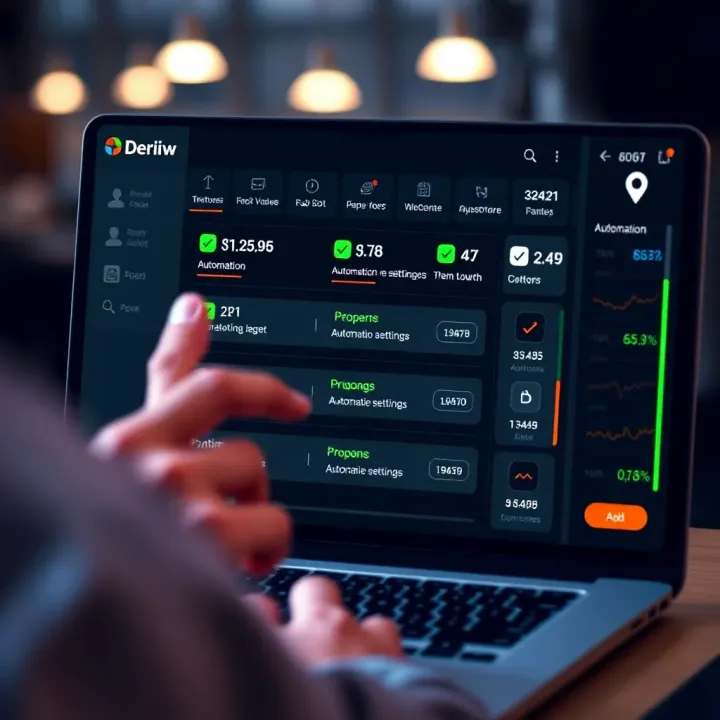
Understanding Deriv Bot APK: Features and Safety
🤖 Explore Deriv Bot APK for seamless automated trading on Deriv platform. Learn features, setup, benefits, challenges & safety tips tailored for Kenyan users 🇰🇪
Edited By
Sophie Langley
PocketOption has gained popularity as a simple online platform for digital options trading, especially among users in Kenya seeking opportunities to grow their capital from the comfort of their homes. Unlike traditional stock trading, digital options involve predicting whether an asset’s price will rise or fall within a specified time, making it accessible even for those who may not have extensive trading experience.
The platform offers a range of assets including forex pairs, cryptocurrencies, stocks, and commodities, giving traders flexibility to diversify their trading activities. Importantly, PocketOption's interface is user-friendly, built to help you execute trades quickly with clear charts and straightforward controls.

For Kenyan traders, understanding how to use PocketOption effectively involves more than just opening an account. It requires grasping the features that enhance trading efficiency and managing risks in a market that can turn swiftly. For instance, the platform supports multiple payment methods relevant in Kenya such as M-Pesa, providing convenient funding and withdrawal options.
Successful trading on PocketOption demands discipline and knowledge. Treat it as a business, not just chance.
Before placing trades, familiarise yourself with key tools PocketOption provides:
Demo Account: Practice without risking real money to build confidence.
Technical Indicators: Use tools like RSI and moving averages to inform decisions.
Risk Management Features: Set stop-loss limits to control potential losses.
Social Trading: Observe experienced traders and learn from their strategies.
Being cautious about security is crucial. Always use strong, unique passwords and enable two-factor authentication where possible. Confirm payments and transactions carefully to avoid scams, which unfortunately occur in the digital trading space.
This guide will walk you through these features and show how to trade safely and smartly on PocketOption, specifically addressing practical considerations for Kenyan users.
Knowing where PocketOption fits inside the online trading world helps you make smarter choices about your investments. Digital options trading platforms have grown popular, especially among traders who want quick trades without owning the underlying asset. PocketOption, with its particular mix of features and asset options, stands out as a user-friendly tool suitable for both beginners and experienced traders.
Digital options trading allows you to speculate on whether the price of an asset will rise or fall within a set time period. Unlike traditional stock trading, you don't buy the asset itself – instead, you select a "call" if you believe the price will go up, or a "put" if you expect it to drop. For example, if you think Safaricom shares will rise over the next 30 minutes, you can open a call option on them. This approach suits traders wanting quick returns in a short timeframe.
PocketOption stands out with several unique features. It offers a social trading feature where you can copy successful traders, saving time figuring out your own strategies. Additionally, the platform provides demo accounts for practice without risking real money. These features make it easier for Kenyan traders new to digital options to gain confidence. The platform's simple one-click trading and clear payout structures also enhance the trading experience.
The platform hosts a wide range of assets including forex pairs, stocks, commodities, and cryptocurrencies. For example, you could trade the USD/KES forex pair, or speculate on the price of Bitcoin or crude oil. Having diverse assets allows you to balance your portfolio and exploit market movements across different sectors. This variety is particularly valuable during volatile times when some assets outperform others.
PocketOption offers commission-free trading on digital options, which is a clear advantage compared to platforms charging per trade. Instead, it makes money mainly through spreads and payout percentages. This setup helps save on extra fees, making it easier to keep track of profits and losses. Traders in Kenya, where costs matter, often appreciate this transparent fee structure.
The platform offers both a web version and a mobile app optimised for Android and iOS. Its straightforward design means even those less tech-savvy can navigate charts and place trades quickly. PocketOption’s interface minimises clutter, focusing on what matters during trading. This usability makes it a practical choice for users trading during downtime, perhaps commuting in a matatu or waiting at a kiosk.
PocketOption accepts Kenyan users and supports popular local payment methods like M-Pesa for deposits and withdrawals, making funding convenient. Unlike some platforms blocked or restricted locally, PocketOption is accessible and legally usable within Kenya. However, traders should still adhere to government regulations and consider tax obligations related to trading profits.

Understanding PocketOption’s offerings and how it compares to other platforms equips you to trade effectively and safely. Positioning yourself with the right knowledge can improve your chances of success in the busy world of online trading.
Setting up your PocketOption account is the first step towards engaging in digital options trading. This process ensures you have access to the platform's features and secures your trading activities. A well-prepared setup saves time and helps avoid issues down the line, especially in the Kenyan context where verification and payment options can differ from other markets.
Step-by-step account creation begins with visiting PocketOption's official website or downloading their mobile app. You need to provide an email address and create a strong password. After that, you’ll confirm your registration via a verification email. The platform then asks you to complete your profile, which includes personal details like full name, phone number, and country of residence.
This process is straightforward but requires accuracy—entering incorrect details could delay verification. For Kenyan users, it's helpful to have your Kenyan phone number ready because some features, like two-factor authentication, may rely on it.
Requirements for identity verification include uploading a valid national ID card or passport, plus a proof of address such as a utility bill or bank statement dated within the last three months. This step is necessary to comply with international anti-money laundering laws and protect your account from fraud.
Proper verification also unlocks higher deposit and withdrawal limits and sometimes additional features on the platform. For instance, failing to complete verification may restrict your ability to withdraw funds punctualy. It’s wise to prepare digital copies of your documents in advance for a smoother experience.
Common issues and troubleshooting during registration often involve delayed verification or error messages when uploading ID documents. These may arise from unclear scans, expired documents, or network problems.
If verification takes longer than expected, check your email for requests from PocketOption support or try re-uploading clear photos taken in bright light. Should technical issues persist, contacting their customer support directly usually resolves problems within 24-48 hours.
Using M-Pesa for deposits and withdrawals is one of the most convenient options for Kenyan traders. PocketOption supports M-Pesa, allowing you to fund your trading account directly from your mobile wallet. Depositing via M-Pesa is generally instant, and withdrawals work similarly, though the processing time can sometimes take up to a few hours depending on the platform’s schedule.
To fund your account, you simply select M-Pesa as your deposit method, enter the amount in Kenyan shillings, and follow prompts to complete the transfer. This method avoids the hassle of bank transfers and suits many Kenyans who rely heavily on mobile money for everyday payments.
Other local and international payment options include mobile wallets like Airtel Money, bank transfers, and international cards such as Visa or MasterCard. Some Kenyan banks also support online payments through platforms integrated with PocketOption.
Using bank transfers might take longer (up to 2-3 business days), but it’s an alternative if you prefer to avoid mobile money or want to fund larger amounts. International debit or credit cards give instant access but watch out for possible foreign transaction fees.
Currency considerations and conversion are also important. PocketOption typically operates in US dollars (USD), so deposits made in Kenyan shillings (KSh) convert based on current exchange rates. These conversions can affect the effective amount you get on the platform, considering both rates and possible fees from payment providers.
To minimise surprises, check the exchange rate your bank or mobile money provider uses and confirm if any additional charges apply. Keeping track ensures you know exactly how much you have in your trading account, helping with proper risk management.
Setting up and funding your PocketOption account correctly from the start prepares you for a smoother trading experience and protects your funds and personal data throughout your trading journey.
Understanding how to navigate PocketOption’s trading features is key for traders aiming to make informed and timely decisions. The platform offers various options and tools that can significantly affect your trade outcomes if used properly. Kenyan traders, in particular, benefit from features tailored to their local context, like easy mobile access and tools for both beginners and experienced investors.
Call and put options explained
Call options allow you to predict that an asset's price will rise within a specific timeframe, while put options are bets on the price falling. For example, if you believe the NSE 20 share index will rise after a positive earnings report, you would buy a call option. Conversely, if you expect it to dip, a put option would be your choice. These basics are essential because every trade relies on correctly predicting market direction.
Expiry times and payout rates
PocketOption allows traders to choose expiry times ranging from a single minute to several hours or days. Short expiry times suit fast-moving markets or scalpers wanting quick returns, while longer ones benefit those watching broader trends. Payout rates depend on asset volatility and expiry choice; higher risks often mean higher payouts. Selecting the right expiry time and understanding payout structure directly impact your potential profits and losses.
Copy trading and social trading functions
For those new to digital options or wanting to learn from more experienced traders, PocketOption offers copy trading. You can follow top traders and replicate their trades in real time. Social trading features let you discuss strategies within the community, gaining insights and advice. This makes PocketOption not just a trading platform but also a place to build knowledge and confidence, particularly useful in Kenya’s emerging online trading scene.
Mobile app vs web platform
While the web platform provides a full-featured interface ideal for detailed chart work, the mobile app offers flexibility to trade on the go. Many Kenyan traders rely on M-Pesa-enabled smartphones to fund and check trades anywhere—even during a matatu ride. The mobile app balances speed and usability but might limit some advanced tools found on the desktop version.
Setting up charts and indicators
Charts are central to spotting trends and making decisions. PocketOption supports a range of chart types—candlestick, line, and bar charts—each revealing different details. Indicators like RSI (Relative Strength Index), moving averages, and Bollinger Bands help signal overbought or oversold markets. Setting up these tools helps you time entries and exits better, which is crucial to managing risk and maximising returns.
Executing and managing trades
A user-friendly interface means executing trades quickly without fumbling. PocketOption’s platform lets you set trade amounts, pick assets, and select expiry times with a few taps or clicks. Managing trades also includes closing positions early if the market doesn’t move your way. Practising this can save you from bigger losses, especially in a volatile market environment like currency pairs or cryptocurrency trading.
Familiarity with PocketOption’s features combined with smart use of its interface can improve your trading efficiency and raise your chances of making profitable trades.
Having a good grasp of these trading features helps you avoid hasty decisions and lays a strong foundation for consistent success on the platform.
Developing practical trading strategies is vital for success with PocketOption. Without a clear plan, traders risk making impulsive decisions that lead to avoidable losses. Kenya's growing online trading community benefits from strategies tailored to the digital options market, helping users manage risks and increase their chances of consistent profits. This section covers strategies for both beginners aiming to learn the ropes and experienced traders looking to refine their approach.
Trend following techniques involve identifying the overall market direction and making trades aligned with that movement. For instance, if the price of a currency pair is steadily climbing, a trader might buy call options expecting the uptrend to continue. This strategy helps simplify decision-making by focusing on momentum rather than short-term noise. It's especially useful for new traders as it builds discipline and reduces guesswork.
Using support and resistance levels means recognising price points where an asset tends to stop falling (support) or rising (resistance). For example, if the price repeatedly bounces off KSh 110 as a low point, that level acts as support. Traders can use these levels to time entries and exits. Buying near support or selling close to resistance improves odds of success by betting on predictable price reactions.
Risk management fundamentals are essential to avoid wiping out your account on a few bad trades. Beginners should set clear limits on how much of their capital to risk per trade—typically not more than 2-5%. For example, with a KSh 20,000 account, risking KSh 400 per trade keeps losses manageable. Using features like PocketOption’s stop-loss and limiting trade size can protect investments even in volatile markets.
Leveraging technical indicators helps experienced traders dig deeper into price action. Indicators like the Relative Strength Index (RSI) or Moving Average Convergence Divergence (MACD) give signals about overbought or oversold conditions or potential trend reversals. For example, an RSI reading over 70 might prompt a trader to consider selling a call option as the asset could soon drop.
Using expiry time strategically means selecting option expiry periods that suit the chosen market movement and strategy. A skilled trader might choose short expiry times to capitalise on rapid price jumps or longer ones to ride gradual trends. On PocketOption, setting expiry time between 1 minute and 1 hour allows flexibility. For example, a short expiry suits volatile assets during peak market hours, while longer expiry may be better in calmer sessions.
Combining multiple assets allows traders to diversify risk by opening positions on different assets simultaneously. Suppose a trader expects the Kenyan shilling to weaken against the US dollar but sees stability in gold prices. They can place a put option on USD/KES and a call option on gold, balancing potential losses across markets. This approach prevents heavy exposure to one asset and smooths the trading outcome over time.
Effective strategies are not about luck but about planning and discipline. Whether you are new to PocketOption or refining your skills, sticking to practical approaches tailored to your trading style can build steady confidence and results.
Two-factor authentication (2FA) is an added layer of security that helps protect your PocketOption account from unauthorised access. Beyond just a password, 2FA usually requires a code sent to your mobile phone or generated by an authenticator app. This means even if someone gets hold of your password, they still cannot get in without the second factor. For Kenyan traders, enabling 2FA is particularly beneficial given the rising cases of online fraud targeting digital wallets and financial accounts.
Phishing scams remain a serious threat in online trading. These attacks often come as fake emails, messages, or websites pretending to be PocketOption or a related service, trying to steal your login details. Always verify the URL and avoid clicking on suspicious links, particularly those asking for personal or payment information. For instance, if you receive a message via SMS or WhatsApp claiming there’s an urgent issue with your account, it's best to log in directly via the official PocketOption app or website rather than following any links.
Responsible investing is key to avoiding heavy losses or falling victim to fraudulent schemes. This includes starting with manageable amounts, setting clear limits on how much you trade or risk, and refusing to chase losses impulsively. PocketOption users in Kenya should treat digital options trading as a calculated activity, not a place for quick riches. Approaching it responsibly helps preserve your capital and keeps your trading experience sustainable.
Kenya’s regulation of online trading, especially in areas like digital options, is still evolving but generally falls under the Capital Markets Authority (CMA). The authority aims to protect investors by licensing and monitoring platforms operating locally or with Kenyan users. However, many international platforms are not licensed directly by the CMA, so users need to understand the limits of regulatory oversight.
PocketOption operates under the licence of a financial jurisdiction outside Kenya, often based in regions with specific online trading regulations. While this means it complies with certain international standards, it also means that Kenyan users should exercise caution and not assume full protection under local laws. Confirming the platform’s licensing can help you judge its legitimacy but does not guarantee immunity from risks.
If disputes arise — say, you encounter withdrawal delays or suspect unfair trading conditions — you should first contact PocketOption’s customer support with all relevant details. Keep clear records of transactions and communications. If the issue remains unresolved, approaching the CMA or consumer protection agencies in Kenya can be the next step. Though the regulatory process might be slow, these channels offer some recourse and consumer rights protection.
Staying cautious about security and understanding your rights as a trader will help you navigate PocketOption safely and avoid common pitfalls in digital options trading.
This focus on security and legal clarity is especially important in Kenya's growing trading community, where awareness and proactive steps can save substantial losses and build a trustworthy trading culture.
🤖 Explore Deriv Bot APK for seamless automated trading on Deriv platform. Learn features, setup, benefits, challenges & safety tips tailored for Kenyan users 🇰🇪

🤖 Explore bot.deriv.com for automated trading on Deriv.com! Learn its features, setup, safety tips, and how to troubleshoot for smoother trading.

Explore how Bot Deriv automates trading on Deriv platforms 📈, its benefits, risks, and safe tips for users in Kenya to trade smarter and securely.

📈 Explore how to use TradingView's tools and alerts for smarter binary trading decisions in Kenya. Learn charting, indicators, and trade management tips.
Based on 7 reviews