
Deriv Trading Guide for Kenyan Investors
📈 Discover how deriv trading works, its risks & benefits, platforms, strategies, and Kenyan regulations to trade smart and secure your investments wisely.
Edited By
Oliver Hayes
Swapping money in Kenya is a practical skill that goes beyond just handing over cash. Whether you're a trader exchanging foreign currency, a finance professional managing cash flows, or an investor handling digital transfers via M-Pesa, understanding how to swap money efficiently is key. The practice isn't just about physical notes; it also involves mobile platforms that many Kenyans depend on daily.
In Kenya, the M-Pesa platform dominates digital money transfers, but cash remains significant, especially in bustling markets or rural areas where digital infrastructure can be limited. This means swapping money isn’t always straightforward — it requires knowledge of secure methods and legal boundaries.
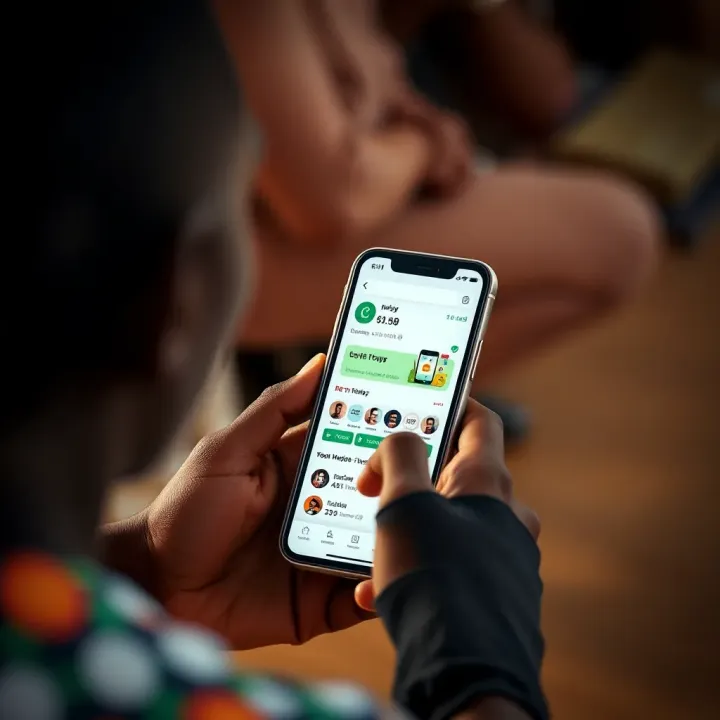
Whether you’re swapping dollars, euros, or Kenyan shillings, knowing how to handle each transaction carefully reduces risks and ensures your money stays safe.
You will encounter different situations where swapping money matters:
Exchanging foreign currency to Kenyan shillings at bureaux de change or banks.
Transferring funds between mobile wallets like M-Pesa and bank accounts.
Swapping authentic notes for digital credit when on the go.
Trading between cash and digital currencies in day-to-day business.
For traders and analysts, recognising how these transactions affect liquidity and market pricing can inform better decisions. Brokers often manage swaps for clients looking to convert funds quickly while avoiding unfavourable rates or fraud.
This guide focuses on practical, actionable information tailored to Kenyan financial realities. You will get insights on trusted points of exchange, spotting counterfeit notes, understanding M-Pesa transaction limits, and legal considerations under Kenyan currency laws. Armed with this knowledge, you can navigate swaps both on the street and through digital channels more confidently and securely.
Swapping money is a day-to-day aspect of Kenyan commerce and personal finance. Getting to grips with what it means can save you both time and loss from poor rates or scams. Traders, investors, and finance professionals alike benefit from knowing how swapping differs from typical money exchange, what forms it takes, and why people swap in the first place.
Swapping money essentially refers to the direct exchange of one currency, fund, or financial asset for another. Unlike simply changing cash notes, swapping often involves an equal or agreed-upon value trade between two parties. For instance, during cross-border trade between Kenya and Tanzania, a trader might swap Kenyan shillings for Tanzanian shillings without going through formal exchange houses.
The term often confuses many because it is closely related to exchanging money. However, while exchanging normally involves converting one currency to another through official channels or bureaus, swapping can be more flexible. It may happen peer-to-peer or through informal settings. Swapping doesn't always have to follow strict bank rates; sometimes it is based on convenience or mutual benefit.
People swap money for several reasons. One common scenario is when someone wants to avoid bank charges or lengthy procedures involved in formal currency conversion, such as a boda boda rider agreeing to swap KSh for Ugandan shillings directly instead of using a bank. Others might swap money to access local currencies quickly during travel or investing in different regional markets without the usual paperwork.
In Kenya, physical cash swapping continues to be widespread, especially in rural areas or among traders at places like Maasai markets. Here, two parties meet to exchange currencies or notes directly. This form is fast but carries the risk of counterfeit notes or unfair deals unless the parties trust each other.
Mobile money swapping via platforms like M-Pesa has expanded access and safety. Here, users can transfer and swap funds through their phones. For example, someone might send KSh through M-Pesa and receive an equivalent amount of brand credit from another peer in a swap arrangement. This method offers quick transactions and reduces the need for physical cash handling.
Bank-to-bank currency swapping is more formal. It involves transferring funds between accounts in different currencies. For example, an investor with a KCB Bank account might swap Kenyan shillings for US dollars directly via the bank’s online platform. This form ensures regulatory compliance and typically better exchange rates but takes longer and may incur fees.
Understanding these forms helps you choose the safest, fastest, or most cost-effective method depending on your swapping needs, whether for business or travel.
By grasping the clear differences and appropriate uses of swapping money, traders and finance professionals will stand stronger against fraud risks and market inefficiencies. Effective swapping ensures smooth cash flow and supports Kenya’s growing trade and investment landscape.
Swapping money in Kenya happens through various channels, each suited for different needs and circumstances. Knowing these popular methods helps traders, investors, and finance professionals pick the best way to move funds efficiently and safely within the country's diverse ecosystem.
Swapping funds through M-Pesa is the most common method today. Safaricom’s M-Pesa dominates mobile money transactions, allowing users to swap funds across accounts instantly. For example, someone might receive payment in KSh on M-Pesa and need to send equivalent amounts to another user or convert funds between mobile wallets. M-Pesa's ubiquity and nationwide coverage make it a practical choice for fast transactions without needing physical cash.
Third-party mobile money services also play a role. Platforms like Tala, Branch, and other fintech apps facilitate swapping by linking to M-Pesa or bank accounts, helping users top up wallets or settle trades. These services often offer lower fees or credit facilities, supporting small and medium enterprises (SMEs) and informal traders who need more flexible swapping options.
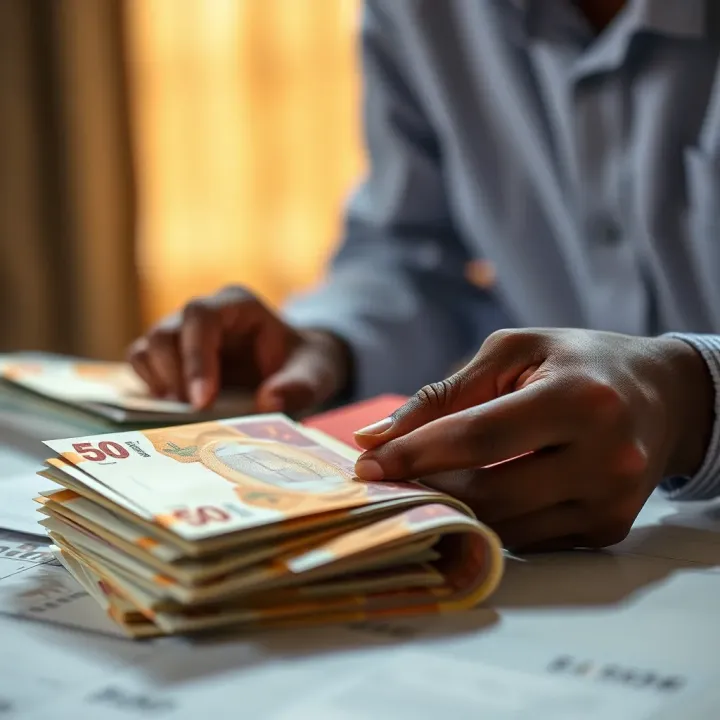
Advantages of mobile swaps include convenience, speed, and security. You don't have to carry cash, which reduces theft risks. Plus, mobile swaps record transactions electronically, making it easier to track fund movements and meet compliance needs. However, users should be mindful of network issues or limits set by mobile operators.
Informal money changers are vital in many parts of Kenya, especially where mobile coverage or bank access is limited. These changers operate in markets, near matatu stages, or busy town centres, providing quick cash swapping services usually without formal requirements. Their role is crucial for cross-border traders or those needing foreign currency in notes for immediate use.
Swapping currencies at matatu parks or markets happens routinely, often under the table but with trust-based networks. For example, a trader might swap Ugandan shillings for Kenyan shillings before the day's trade, using local changers willing to negotiate rates based on supply and demand.
Challenges with cash swapping include risks of counterfeit notes, limited transparency on exchange rates, and potential legal issues. Users must be cautious because unlike banks, informal changers don’t offer transaction receipts or regulatory oversight.
Procedures in formal currency exchange involve presenting valid identification, filling forms, and sometimes declaring the source of funds. Banks and authorised bureaus provide transparent rates and guaranteed currency authenticity. For example, a business investor swapping KSh for USD will need to complete KRA (Kenya Revenue Authority) compliance documents.
Regulations affecting swapping through banks are tightened to curb money laundering and maintain financial stability. The Central Bank of Kenya (CBK) sets limits and monitors foreign exchange flows. These rules protect the economy but may slow down large transactions and require proper documentation.
Benefits of authorised channels include higher security, official receipts for record-keeping, and legal protection if disputes arise. While the process might be slower and costlier than informal swapping, banks assure safety and adherence to Kenya’s financial regulations.
Choosing the right swapping method depends on your transaction size, urgency, location, and need for security. Mobile money offers speed and ease, while banks provide assurance for large sums, and informal cash swapping suits immediate physical needs.
With awareness of these popular methods, you can swap money in Kenya confidently and according to your situation. Always weigh convenience against safety and legal standards to avoid pitfalls in your financial dealings.
Swapping money in Kenya requires careful attention to security and compliance with legal rules. This helps prevent losses, fraud, and complications that can arise from irresponsible or illegal exchanges. Knowing what scams to watch out for, how to verify transaction legitimacy, and the legal framework governing money swapping makes a big difference for traders, investors, and finance professionals.
Common scams in money swapping often involve counterfeit currency, fake mobile money notifications, or dishonest dealers. For instance, a trader might receive a banknote that looks real but has subtle flaws only visible under UV light. Similarly, in mobile money swaps, fraudsters may send fake M-Pesa payment confirmations to trick someone into releasing funds prematurely. Understanding these scams can help you be more cautious when swapping cash or digital money.
Verifying legitimacy is key before completing any swap. When dealing with physical cash, always use a counterfeit detector pen or UV light to check notes. For mobile money, confirm payment by checking the official M-Pesa message you receive on your phone—scrutinise transaction codes and sender details. Avoid solely relying on screenshots or verbal confirmations from strangers.
Safe transaction practices include meeting in public, secure places, preferably during business hours. For mobile money swaps, use official platforms or trusted intermediaries rather than unknown third parties. Avoid sharing personal or financial details unnecessarily and record transaction receipts immediately. These precautions reduce the chance of fraud and provide proof if issues arise.
The Central Bank of Kenya (CBK) oversees currency exchange and mobile money services, ensuring fair practices and protecting consumers. The Kenya Revenue Authority (KRA) also plays a role by monitoring financial transactions for tax compliance and reporting suspicious activities. As a trader or investor, staying aware of regulations enforced by these bodies helps you operate confidently within the law.
Rules governing currency exchange include licensing requirements for exchange bureaus and limits on amounts individuals can swap without reporting. Banks and authorised agents must follow these rules strictly. For example, exchanging KSh 1 million or more often involves submitting identification and source of funds documentation. This stops money laundering and tax evasion that could affect your business reputation.
Reporting suspicious transactions is not just a legal obligation but a safeguard for the wider market. If you spot irregular calls to swap large sums without proper paperwork or discover counterfeit notes, inform authorities such as CBK or KRA quickly. Prompt reporting helps clamp down on fraud rings and maintains public trust in money swapping practices.
Always prioritise security and compliance in swapping money to protect your money and maintain a reputable business stance in Kenya’s financial landscape.
Swapping money efficiently goes beyond just exchanging currency; it demands careful preparation and choosing the method that best fits your situation. Understanding practical aspects ensures you avoid unnecessary losses, delays, or risks. Whether you are a trader managing foreign transactions or an investor moving funds between accounts, these tips help make your swaps smoother and safer.
Checking current exchange rates is crucial. Exchange rates fluctuate daily due to economic factors, demand, and international events. For example, if you're swapping US dollars to Kenyan shillings, knowing that 1 USD currently equals about KSh 140 rather than 138 can save or cost you quite a bit. Using reliable sources like the Central Bank of Kenya or trusted financial news ensures you avoid poor deals from informal changers quoting outdated rates.
Carrying valid identification is more than a formality—it protects you and adheres to regulations. Banks and recognized exchange bureaus require IDs like a national ID card or passport before allowing money swaps. This check discourages fraud and money laundering. Even mobile money platforms sometimes need ID verification for large transfers. So, always bring your original ID wherever you plan to swap money, avoiding last-minute hiccups.
Understanding transaction limits helps you plan how much money can be swapped at once and through which channel. M-Pesa, for instance, has daily limits on sending and receiving funds, typically up to KSh 300,000 per day depending on account type. Informal cash traders might not have limits, but the risk is higher. Banks and bureaux may require documentation for amounts exceeding certain thresholds, often KSh 700,000 or more, in line with anti-money laundering laws. Knowing these rules prevents delays or blocked transactions.
Mobile swaps work best when you need quick, convenient transactions within Kenya. For example, paying a supplier in Mombasa while you’re in Nairobi is easiest through M-Pesa or Airtel Money. Mobile swaps reduce the chance of carrying large cash sums and have widespread coverage. They suit everyday business payments, salary deposits, or urgent personal transfers.
Cash swapping is preferable when dealing in places where mobile network coverage is weak or when swapping small amounts informally. Matatu parks or open-air markets often trust cash because it’s instant and tangible. Plus, some rural businesses or shambas might not have mobile money access. That said, carrying cash means higher risk of theft or counterfeit notes, so proceed cautiously.
Formal exchange services come in handy for large sums or international transactions. When a trader imports goods from Uganda or Tanzania, dealing with banks or licensed bureaux ensures compliance with Central Bank of Kenya rules. It also makes it easier to get official receipts and records for tax or audit purposes. Moreover, formal channels often provide better exchange rates for big deals, making them worth the effort despite slightly more paperwork.
Planning your money swapping approach carefully saves costs, time, and potential legal trouble. Always match your needs to the right method and prepare properly before any transaction.
Technology has reshaped how money swapping happens in Kenya, making transactions smoother, faster, and more secure. For traders and finance professionals, tech is not just a convenience but a necessity to keep up with market demands and the fast flow of funds. Mobile wallets and digital platforms offer an alternative to physical cash swaps, reducing risks and broadening access to currency exchanges.
While M-Pesa holds dominance in the Kenyan mobile money space, other wallets like Airtel Money, Equitel, and T-Kash have become important players. These platforms give more options for transferring and swapping money without physical cash. For instance, a business trader in Kisumu may receive payments via Airtel Money from suppliers in Eldoret, then convert to M-Pesa or bank accounts more conveniently than before.
Apps designed specifically for peer-to-peer (P2P) swapping bring a fresh dynamic to currency exchange. They connect users looking to swap currencies or funds directly without involving third parties. This reduces costs that come with agents or banks. One example is platforms that allow swapping between Kenyan Shillings and foreign currencies or other mobile currencies. These apps cater well to individuals and small businesses who need quick swaps without visiting physical outlets.
One big benefit of technological advances in money swapping is how they expand access beyond major towns. Digital platforms break geographical barriers so that traders in remote counties can swap funds securely via apps. This has helped reduce reliance on informal money changers, which often carry risks. On top of that, use of biometric security and two-factor verification in these platforms adds layers of protection, helping users feel confident during transactions.
Banks in Kenya are increasingly linking their digital services with mobile money platforms to offer seamless swapping. This integration allows instant fund transfers between bank accounts and mobile wallets, improving liquidity and convenience for investors and brokers. For example, KCB M-Pesa brings funds directly from the mobile wallet into a bank account, enabling easier management of cash flow without long queues or paperwork.
Although still at an early stage, cryptocurrencies have potential to influence money swapping, especially for cross-border trade. Some Kenyan startups and fintechs explore bitcoin and stablecoins to reduce reliance on forex bureaus. Traders dealing in import-export could find cryptocurrency swaps faster and cheaper compared to traditional methods, though regulatory clarity from CBK remains key for wider adoption.
Technology is set to improve cross-border swaps within the East African region by simplifying currency exchanges and cutting down delays. Platforms offering real-time swapping between different EAC partner states’ currencies will help traders avoid exchange losses and delays. This development makes regional trade more competitive and encourages integration, benefiting Kenyan businesses looking to operate beyond borders.
Technology’s role in transforming money swapping in Kenya is more than just convenience—it opens up broader financial inclusion, security, and efficiency that modern traders and investors need.
📈 Discover how deriv trading works, its risks & benefits, platforms, strategies, and Kenyan regulations to trade smart and secure your investments wisely.
🔐 Step-by-step Deriv login guide for Kenyan users! Learn account setup, fix login issues, secure your profile, and manage your account smoothly.

💹 Explore crypto trading in Kenya with this practical guide covering platforms, market tips, risks, and regulations to trade responsibly and smartly.

🔍 Explore cryptocurrency trading in Kenya with clear tips on starting, strategies, risks, key tools, and legal insights to trade confidently and safely.
Based on 11 reviews