

Top Trading Bots for Kenyan Traders: A Practical Guide
Explore top trading bots for Kenyan traders 📈. Learn how they work, key features, security tips 🔒, legal insights ⚖️, and smart choices for automation.
Edited By
Liam Foster
Automated navigation systems, often called master navigator bots, are changing how we move goods, vehicles, and even robots through different environments. These systems use a mix of sensors, maps, and software algorithms to find the most efficient routes, reducing travel time and costs as well as improving safety.
One clear example comes from logistics firms in Nairobi, which increasingly deploy automated fleet tracking and route planning to manage deliveries across busy city roads and rural routes. These bots analyse traffic, road conditions, and delivery priority to suggest routes that avoid jams and roadblocks. This boosts timely arrivals and lowers fuel consumption — critical benefits in Kenya’s fast-growing economy.
In the transport sector, master navigator bots are helping advance public transit by guiding matatus on optimal routes. With sensors and GPS data, these systems adjust routes in real time to respond to changing traffic patterns and passenger demand. For instance, nav-bots in Nairobi have started collaborating with digital platforms for matatu scheduling, helping drivers avoid queues at bus stages and reduce idle times.
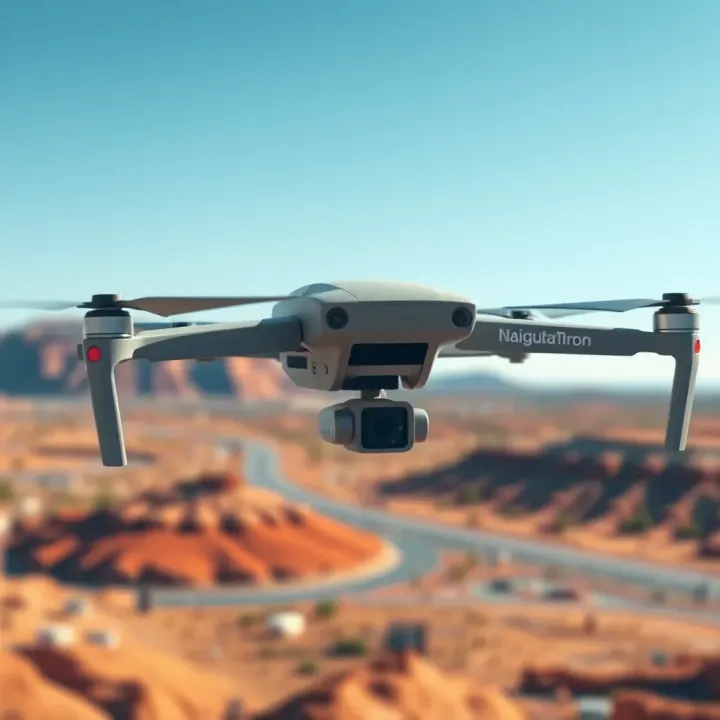
Robotics is another field where automated navigation truly shines. Drones used in agriculture, for example, harness these bots to traverse farms precisely for spraying or monitoring crops. By plotting exact flight paths based on GPS and obstacle-detection sensors, drones save time and reduce chemical use.
Master navigator bots rely on combining real-time data processing with intelligent decision-making algorithms, empowering sectors from transport to agriculture to work smarter, not harder.
Key technologies behind these navigation bots include:
Sensor fusion: Integrating inputs from GPS, lidar, cameras, and inertial measurement units to detect surroundings accurately.
Artificial intelligence: Algorithms learn from patterns and make route decisions to adapt dynamically.
Connectivity: Real-time communication with cloud databases or other vehicles enables updated routing.
Even though these systems have made strides, challenges remain. Infrastructure gaps, such as inconsistent road signage or limited network coverage outside urban centres, can reduce bot effectiveness. Besides, handling unpredictable human behaviours, like jaywalking pedestrians or erratic drivers, demands advanced programming.
For traders and investors following this space, understanding how navigator bots optimise supply chains and reduce operational costs offers a window into future growth potentials. As these technologies mature, expect wider adoption in Kenya’s delivery services, smart transport solutions, and automation-driven industries.
Master navigator bots represent a practical step forward, saving time, money, and energy while making navigation safer and more reliable across our roads and farms.
Understanding master navigator bots is essential for appreciating their impact across diverse industries. These automated systems guide vehicles, drones, and robots by processing complex data to determine precise routes. In practical terms, navigator bots improve efficiency, reduce human error, and enhance safety in navigation tasks. For example, in Kenya’s busy matatu networks, integrating such bots could ease route management and optimise schedules, saving both time and fuel costs.
Navigator bots are computer programmes or hardware systems designed to direct movement without constant human input. They collect real-time data, analyse environmental conditions, and adjust navigation paths accordingly. Used in sectors from maritime to logistics, these bots are the unseen pilots steering machines through complex environments.
GPS is fundamental to navigation bots, providing accurate location data by connecting to satellites orbiting the Earth. In Kenya, where connectivity can vary, GPS remains a reliable backbone for positioning, allowing bots to pinpoint locations within a few metres. For instance, logistics companies use GPS-enabled fleets to track deliveries and avoid congested routes.
However, urban canyons or dense forests, common in some Kenyan counties, may reduce GPS signal reliability. This limitation calls for complementary technologies.
To overcome GPS gaps, navigation bots use sensors such as LIDAR, ultrasonic, and infrared detectors. These sensors map nearby obstacles and environmental conditions in real-time, enabling bots to make immediate adjustments. For example, autonomous drones delivering medical supplies to remote shambas rely on sensors to navigate through changing weather and terrain without GPS.
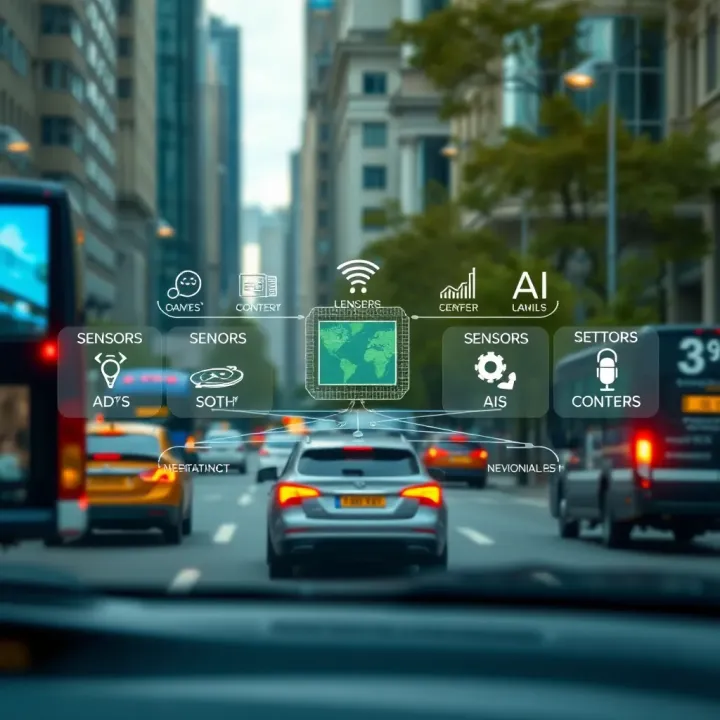
Sensor fusion—combining multiple sensor inputs—offers a more complete picture, improving route accuracy in environments where GPS alone is not enough.
AI and machine learning allow navigator bots to learn from data patterns and improve decision-making over time. They process massive amounts of environmental and behavioural data to predict obstacles and optimise paths efficiently. In Kenyan traffic conditions characterised by unpredictable matatu behaviour, AI-powered navigation adjusts routes in real-time for smoother journeys.
Learning algorithms help bots adapt to new routes, traffic changes, and unexpected disturbances, enhancing reliability in dynamic settings.
Autonomous navigation refers to systems where bots operate independently without human intervention. They perceive, decide, and act based on sensor input and algorithms. For Kenyan urban delivery robots, autonomous navigation means they can traverse crowded streets and drop packages without a driver, reducing labour costs.
This approach requires high confidence in sensors and AI to safely handle complex, unpredictable environments.
Semi-autonomous systems blend human control with automated support. Drivers or operators guide the bot but receive assistance like obstacle detection or route suggestions. In Kenyan long-distance trucking, semi-autonomous features help drivers avoid hazards, rest strategically, and manage fuel consumption.
This reduces fatigue and accidents while leveraging human judgement in difficult situations.
Remote-controlled navigation involves a human operator directing the bot from a distance, often when autonomous systems face complex challenges. Drones inspecting power lines in rural Kenya, for example, may be remotely piloted due to signal or safety concerns.
Though dependent on reliable communication, this approach extends reach into areas difficult for humans to access directly.
Effective navigation bots combine these approaches depending on the environment and task complexity, providing flexible, practical solutions for modern navigation challenges.
Navigator bots have reshaped how various industries handle movement and transport, boosting safety, efficiency, and cost savings. Understanding their practical applications reveals how these bots aren't just theoretical but critical in modern operations.
Driver Assistance Systems improve road safety and ease the driver’s burden by offering features such as automatic braking, lane keeping, and adaptive cruise control. These systems rely on navigator bots to process real-time data from sensors and cameras, alerting drivers or even taking partial control to avoid accidents. For example, many new vehicles in Kenya come equipped with such systems, helping reduce crashes on busy highways where matatus and private cars intermingle.
Route Optimisation uses navigator bots to find the fastest or most economical route, factoring in real-time traffic, road conditions, and fuel efficiency. Logistics companies in Nairobi use these tools to plan deliveries that bypass traffic jams and roadworks, saving valuable time and reducing fuel costs. This technology can translate into better service for consumers and lower operational expenses.
Integration with M-Pesa and Payment Systems becomes increasingly relevant as navigation bots are embedded into ride-hailing or delivery platforms. This allows seamless payment processing, whether by Lipa Na M-Pesa or Paybill numbers linked directly to routes and services. Such integration lets companies automate billing and guaranteeing drivers or delivery agents receive prompt payments, reducing cash handling risks and improving customer trust.
Shipping Route Management employs navigator bots to chart optimal sea routes, considering weather conditions, currents, and maritime traffic. In Kenyan ports like Mombasa, automated systems help vessels avoid congested lanes and unsafe waters, cutting delays and fuel waste. Bots can also assist in scheduling docking and unloading, enhancing port efficiency.
Drone and Aircraft Navigation relies heavily on navigator bots to maintain precise flight paths, especially for drones used in package delivery or agricultural monitoring. Kenyan startups have embraced drone tech to service remote areas, with bots managing altitude, speed, and route to ensure safety and compliance with aviation regulations. Larger aircraft also benefit from these systems to monitor flight plans, reducing human error.
Automated Guided Vehicles (AGVs) navigate warehouse floors guided by bots that direct them to pick and move goods efficiently. In large logistics hubs like those in Nairobi’s industrial areas, AGVs reduce manual labour and speed up order fulfilment. These bots adapt routes to avoid obstacles and synchronise with inventory databases, ensuring smooth operation even during peak demand.
Inventory Tracking and Delivery uses navigator bots combined with RFID and sensor tech to track stock in real time and guide goods to their next destination. For firms handling fresh produce or medicines, this means reducing waste and guaranteeing timely deliveries. When connected with delivery bots or vehicles, the system provides end-to-end visibility, which is invaluable for maintaining customer satisfaction and managing supply chains effectively.
Navigator bots prove their worth by cutting costs, improving safety, and enabling smarter, data-driven transport and logistics operations in Kenya and beyond.
Deploying navigation bots presents several challenges that can affect their reliability and wider adoption, especially in contexts like Kenya’s diverse environments. Understanding these limitations helps stakeholders make informed decisions when integrating such technology into transport, logistics, or industrial setups.
Navigation bots depend heavily on signals such as GPS to determine their position and guide movements. In rural Kenya, for instance, poor satellite signal due to dense vegetation or hilly terrain can degrade precision, causing delays or wrong routing. Urban areas face different challenges, where tall buildings create signal shadows or reflections, leading to inconsistent location data. This can disrupt automated delivery vehicles or drone navigation, potentially increasing operational costs or incidents.
Sensors like LIDAR, cameras, or ultrasonic detectors are core to navigation bots, but environmental factors affect their performance. Heavy rain during Kenya’s long rains season can obscure camera lenses or scatter LIDAR signals, reducing the bot’s ability to detect obstacles. Dust and dirt, common in unpaved or construction-heavy areas, further hinder sensor accuracy. In port environments or warehouses with temperature fluctuations and dust, sensor maintenance becomes crucial to avoid misreading the surroundings.
Navigation bots collect vast data, including routes, locations, and user behaviour. Protecting this data is paramount. For example, fleets using bots connected to mobile money payment systems like M-Pesa must ensure transaction data isn’t intercepted or misused. Proper encryption and secure communication protocols reduce risks of data leaks and maintain trust between service providers and customers.
Bots can be vulnerable to hacking or signal spoofing where attackers manipulate navigation commands or GPS signals. In Kenyan freight logistics, an exploit could redirect shipments or cause delays, impacting supply chains and revenue. Developing secure software with regular updates and intrusion detection is necessary to shield systems from malicious interference.
Security breaches don't just jeopardise data but can halt operations, underscoring the need for rigorous cybersecurity practices.
Regulatory frameworks for autonomous and semi-autonomous navigation systems are still evolving in Kenya. Clear policies defining operational zones, safety standards, and liability for navigation bots remain in development. Businesses must navigate these uncertainties, which may delay adoption or increase compliance costs. Engaging with regulatory bodies early helps firms stay ahead and align innovations with legal requirements.
Kenya’s infrastructure influences how effectively navigation bots perform. While Nairobi has relatively good road networks and internet connectivity, rural regions may lack reliable broadband or stable power — critical for bot operation and real-time data exchange. Additionally, inconsistent road signage and markings impact sensor-based navigation that relies on visual cues. Investments in infrastructure upgrades will be key to unlocking the full potential of navigation bots countrywide.
Addressing these challenges through collaboration between technologists, regulators, and local stakeholders can smooth the path for more robust and practical deployment of navigation bots in Kenya’s varied landscapes.
The future of navigator bots carries significant promise, especially as artificial intelligence (AI) becomes sharper and data accessibility improves. These advancements will not only boost efficiency but also open new doors for industries that rely heavily on navigation systems. For traders and investors, recognising these trends early can offer insights into emerging markets and technologies that will reshape how goods and services move across East Africa and beyond.
Navigator bots are evolving in their capacity to make smart, context-aware decisions. Thanks to better algorithms and AI models, these bots can analyse complex variables—like traffic patterns, weather conditions, and even driver behaviours—and adjust routes instantly. Practically, this means fewer delays and safer journeys, whether for freight transport or passenger matatus. For instance, an AI-enhanced navigation system could spot potential road blockages in Nairobi and reroute vehicles swiftly, saving time and fuel.
Enhanced decision-making also translates to predictive maintenance for logistics companies. Bots can assess vehicle health and notify operators before breakdowns occur, reducing downtime and costly repairs.
One vital shift in navigation technology is the ability to learn and adapt from live data streams. These bots gather GPS inputs, sensor data, and traffic updates in real time to refine their routes continually. This adaptive learning improves over time, creating navigation systems that become more precise the longer they're used.
For example, matatu fleet managers in Nairobi can use real-time data to adjust schedules based on rush hour traffic or road repairs. This flexibility enhances commuter satisfaction and can optimise operational costs. Investors eyeing transport startups should note how leveraging real-time analytics can be a game-changer.
Navigator bots have started to find footholds beyond traditional transport, notably in agriculture and the informal jua kali sector. Automated systems can guide farm equipment to plant or harvest crops efficiently, reducing labour needs and increasing yields. Small-scale shamba owners may access affordable bots to monitor irrigation or pest control zones, improving productivity.
In the jua kali sector, bots assist artisans in delivering parts or tools precisely, saving time usually lost in crowded Nairobi streets. This practical support helps micro-entrepreneurs stretch their earnings and scale operations little by little.
Public transport in Kenya faces challenges like traffic congestion and route inefficiencies. Navigator bots can improve matatu network coordination by analysing passenger loads, timing, and road conditions. Such systems can guide drivers to less congested routes, reducing delays and fuel wastage.
Additionally, integrating these bots with mobile payment systems like M-Pesa helps streamline fare collection and record-keeping. This digital backing builds trust among commuters and financiers alike, making the public transport sector more attractive for investment.
Cities like Nairobi are grappling with rising traffic jams, impacting productivity and air quality. Navigator bots integrated into smart city frameworks can feed data into traffic control centres, enabling dynamic traffic light adjustments and incident detection.
This kind of real-time management cuts down idling times on busy roads such as Waiyaki Way and Mombasa Road. The ripple effect benefits everyone, from vendors near traffic hotspots to delivery services needing punctuality.
Beyond immediate road concerns, navigator bots can collect valuable data that urban planners use to design better city layouts. Patterns of vehicle movement, pedestrian flow, and public transport usage offer insights for infrastructure investments and zoning.
For instance, planners can identify underserved neighbourhoods that require improved matatu routes or safer pedestrian crossings. This evidence-based approach ensures resources are allocated efficiently, stimulating economic activities and improving quality of life.
The rise of master navigator bots signals a shift toward smarter, more responsive transport and infrastructure systems in Kenya. These advances not only make daily commutes smoother but also create investment opportunities in technology-driven industries that align with national development goals.
Through continuous innovation and practical deployment, navigator bots will play an increasingly critical role in Kenya's journey toward digital and urban transformation.
Explore top trading bots for Kenyan traders 📈. Learn how they work, key features, security tips 🔒, legal insights ⚖️, and smart choices for automation.
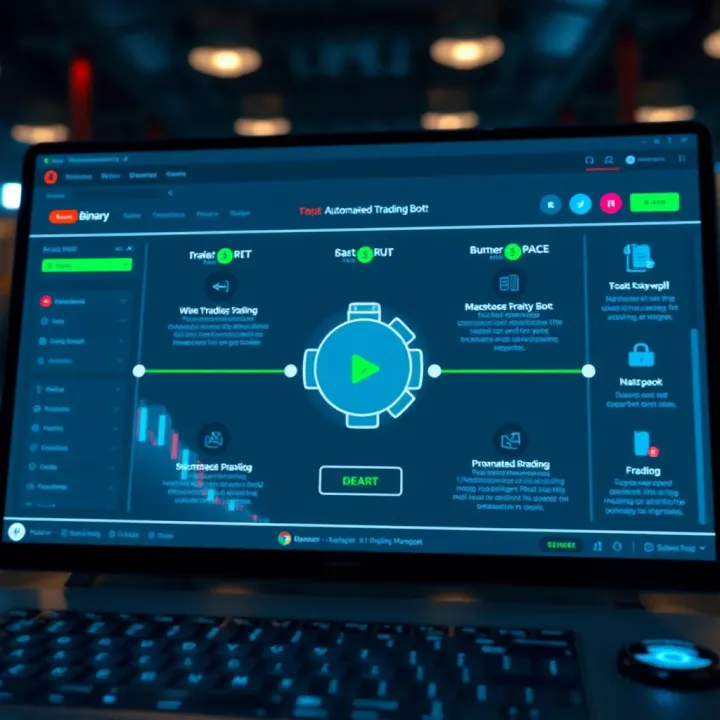
🤖 Explore how trading bots work on Binary.com, their benefits, risks, and tips for smarter automated trading. Get clear insights for savvy Kenyan traders.

🤖 Explore how binary bots work in binary options trading, their advantages, risks, and impact on Kenya's market to make smarter financial choices.

Discover how to pick the best trading bot tailored to your goals. Learn key features, risks, and top options for traders in Kenya 📊🤖📈
Based on 5 reviews